Erasmus+ Project
YOUTH WORK IN ECOLOGICAL CRISES
Introduction
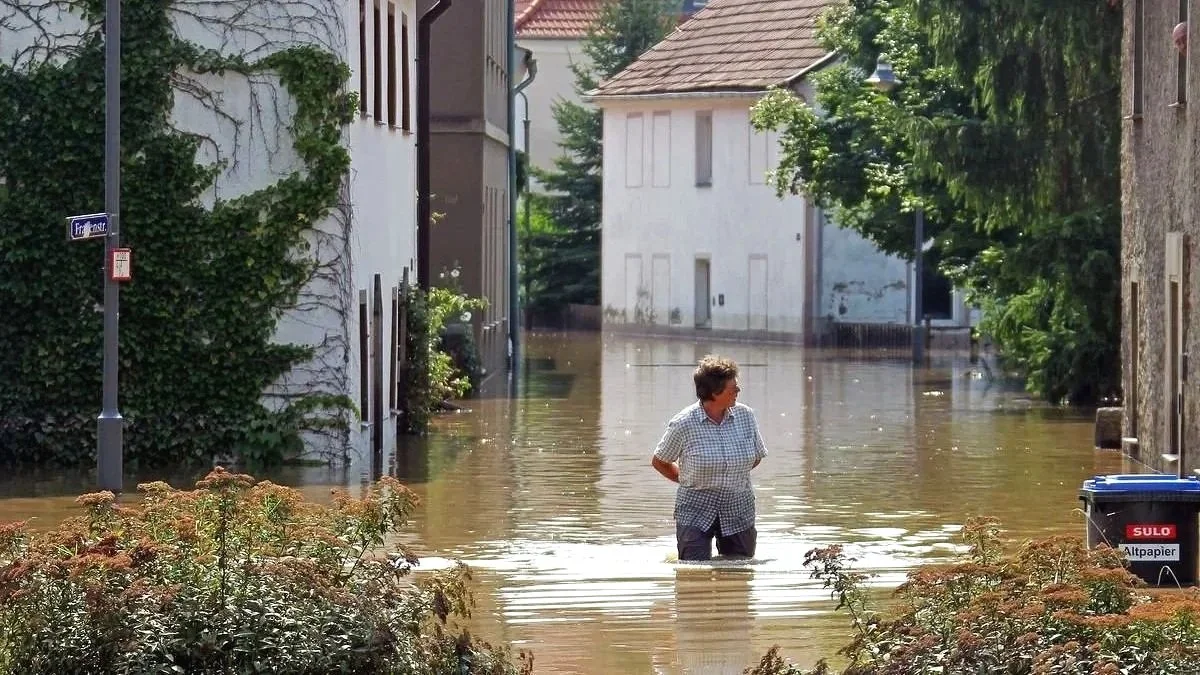
This project aims to enhance the role of youth work in addressing ecological crises, particularly floods, by equipping youth workers with the necessary knowledge, skills, and tools for effective disaster preparedness and community resilience. Through practical learning experiences and international cooperation, the project supports youth workers from marginalised backgrounds who work with communities most affected by climate-related disasters.
Aim of the project
The aim of the project is to build the capacity of youth workers and youth organisations to actively contribute to disaster preparedness, emergency response, and ecological crisis management within their communities.
-
To improve youth workers’ competencies in crisis management, ecological awareness, and disaster relief response.
To strengthen youth organisations’ ability to mobilise young people before, during, and after ecological crises.
To foster cross-border collaboration and knowledge exchange among youth workers across Europe.
To integrate sustainable disaster resilience practices into everyday youth work.
To produce open-access resources, including a Best Practices Report and Training Toolkit, to support wider learning and long-term impact.
-
By the end of the project, participating youth workers will be able to:
Understand key principles of disaster preparedness, emergency response, and climate resilience.
Apply practical tools and methodologies to support young people during ecological crises.
Collaborate effectively with emergency responders, environmental organisations, and municipal authorities.
Facilitate youth-led initiatives and local resilience actions in their own communities.
Transfer their learning into organisational strategies, workshops, and future youth projects.
Partners & Key Activities
THREE INTERCONNECTED MOBILITY ACTIVITIES
THREE INTERCONNECTED MOBILITY ACTIVITIES
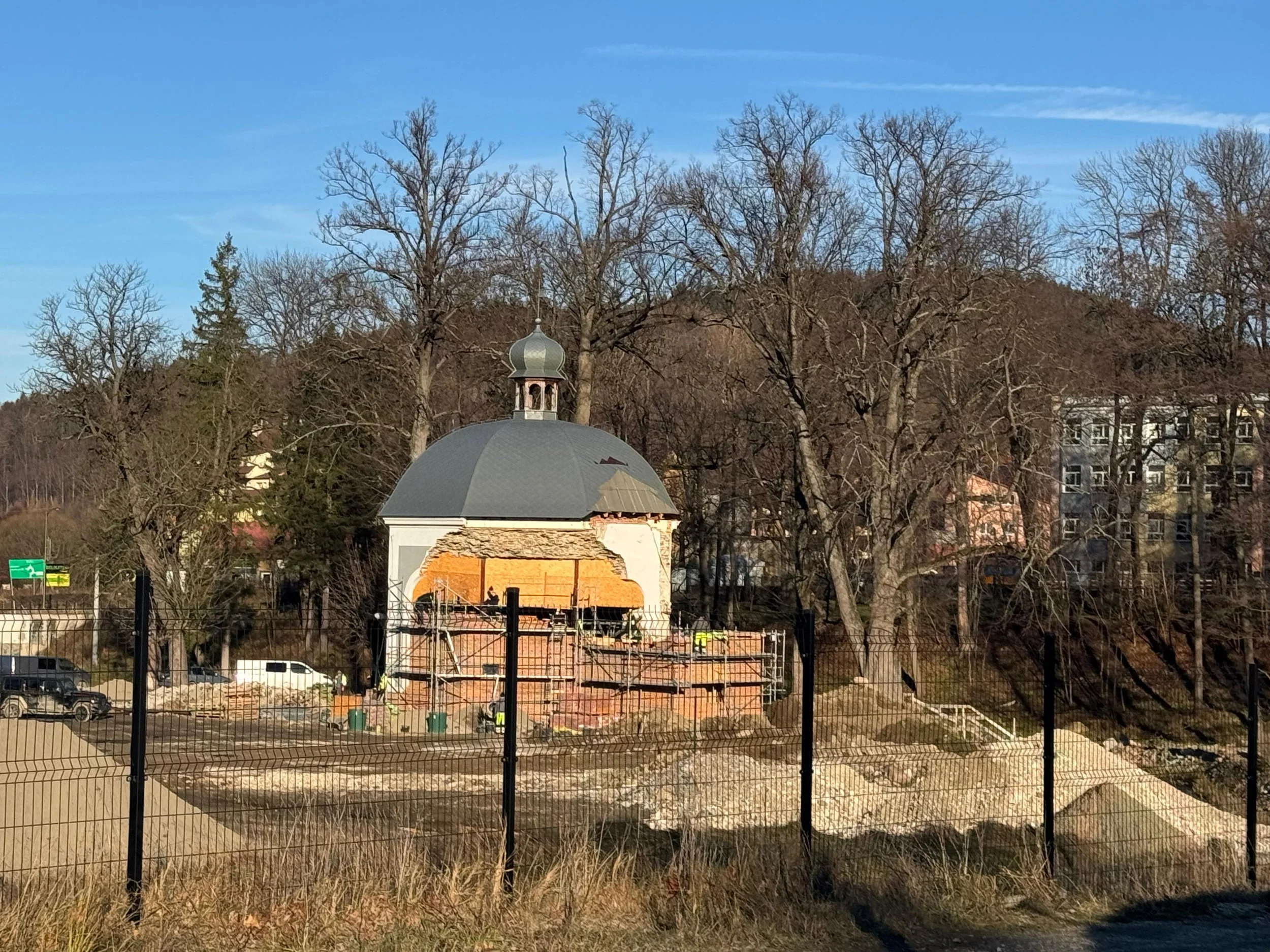
Study Visit in Poland
Hosting Organisation: Fundacja Kordon Location: Lądek-Zdrój, Poland
Date: 08th December 2025
Field Visit & Training Course
This programme offers participants a unique opportunity to experience, observe, and understand firsthand the impact of natural disasters on communities and infrastructure. Under the guidance of Fundacja KORDON, students will explore real post-disaster environments, learning how humanitarian response, reconstruction, and coordination between different organisations take place in the field. Participants will gain practical insights into what makes disaster relief effective, from teamwork and logistics to long-term recovery and sustainable community rebuilding. The course combines observation, hands-on learning, and reflection to build a deeper understanding of how cooperation and resilience can turn crisis into recovery.
Study Visit in Spain
Hosting Organisation: KAMM.A.E Location: Malaga, Spain
Date: 14th May, 2026
Field Visit & Training Course
KAMM Artistic Europe, the representative organisation in Spain, will host the second study visit for 20 youth workers in regions affected by the DANA storm. Participants will engage with emergency responders, environmental groups, and local authorities to explore real disaster response practices and youth engagement strategies.
Training Course in Germany
Hosting Organisation: Next Level e.V. Location: Malaga, Germany
Date: 07th June, 2026
Training Course
A five-day training course in Bad Berka will bring together 20 youth workers for simulation-based learning, ecological awareness workshops, and tools for integrating disaster resilience into youth work practices.
Post-Project Report
Erasmus+ Study Visit – Youth Work in Ecological Crisis | Poland
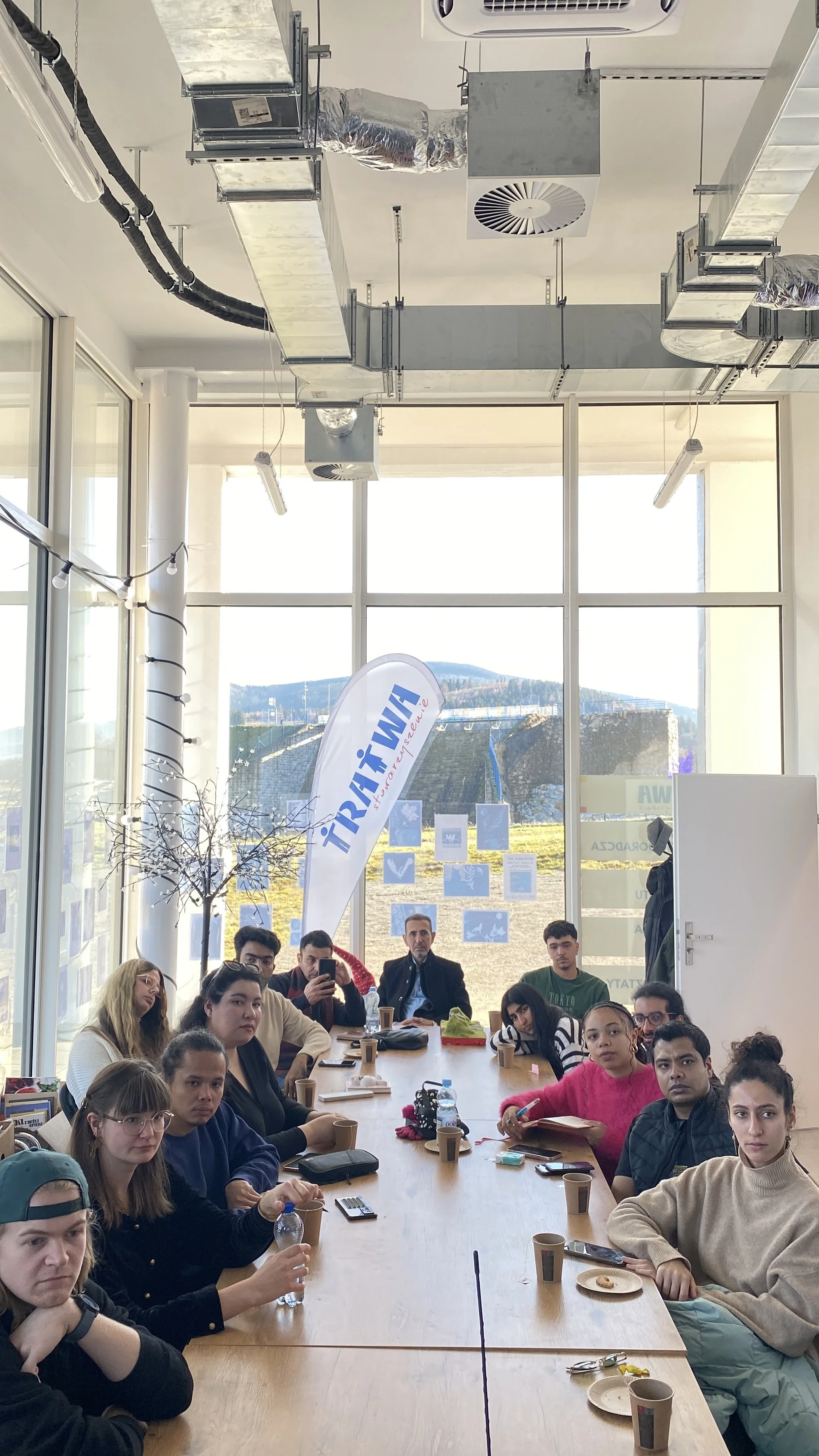
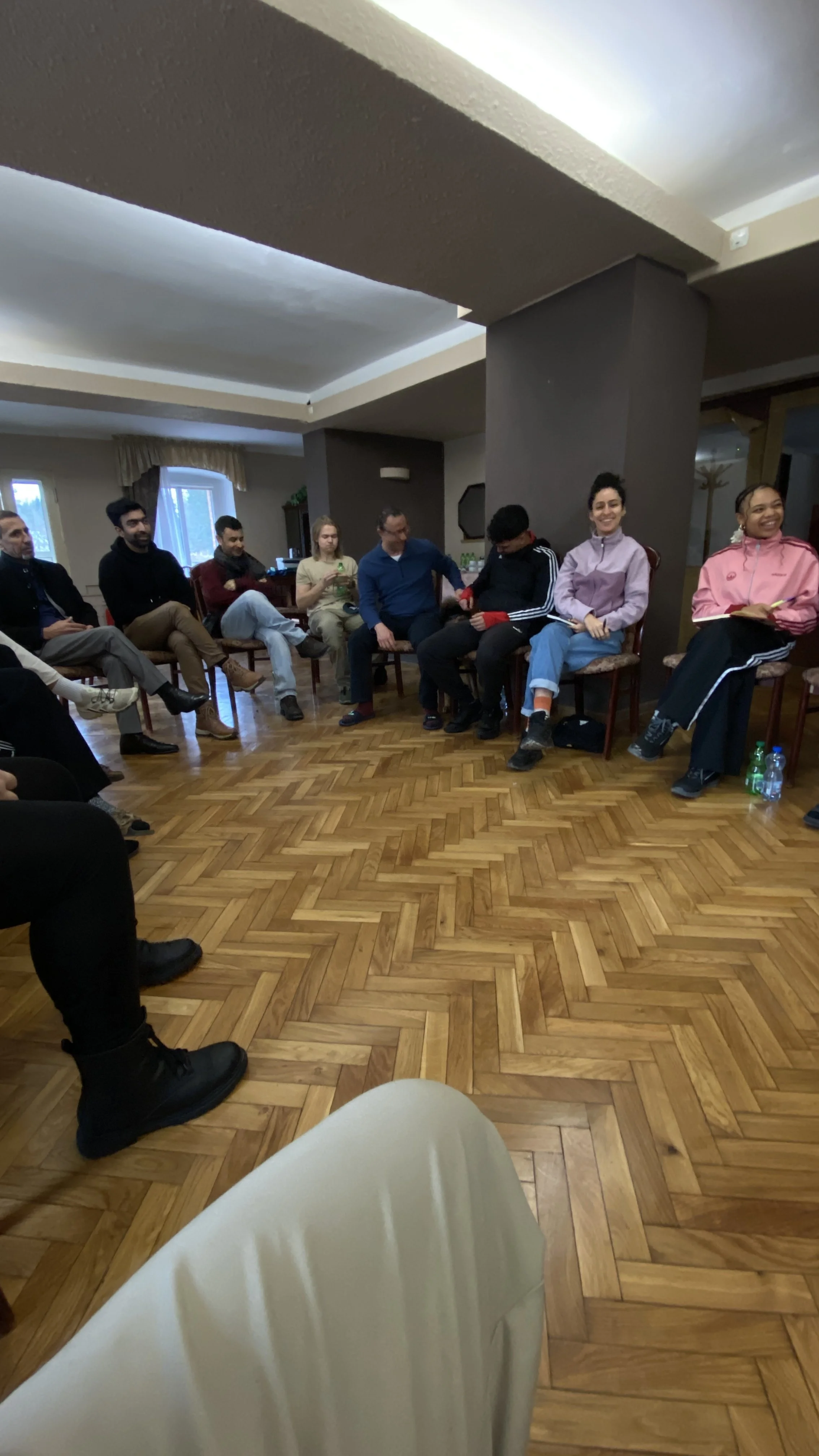
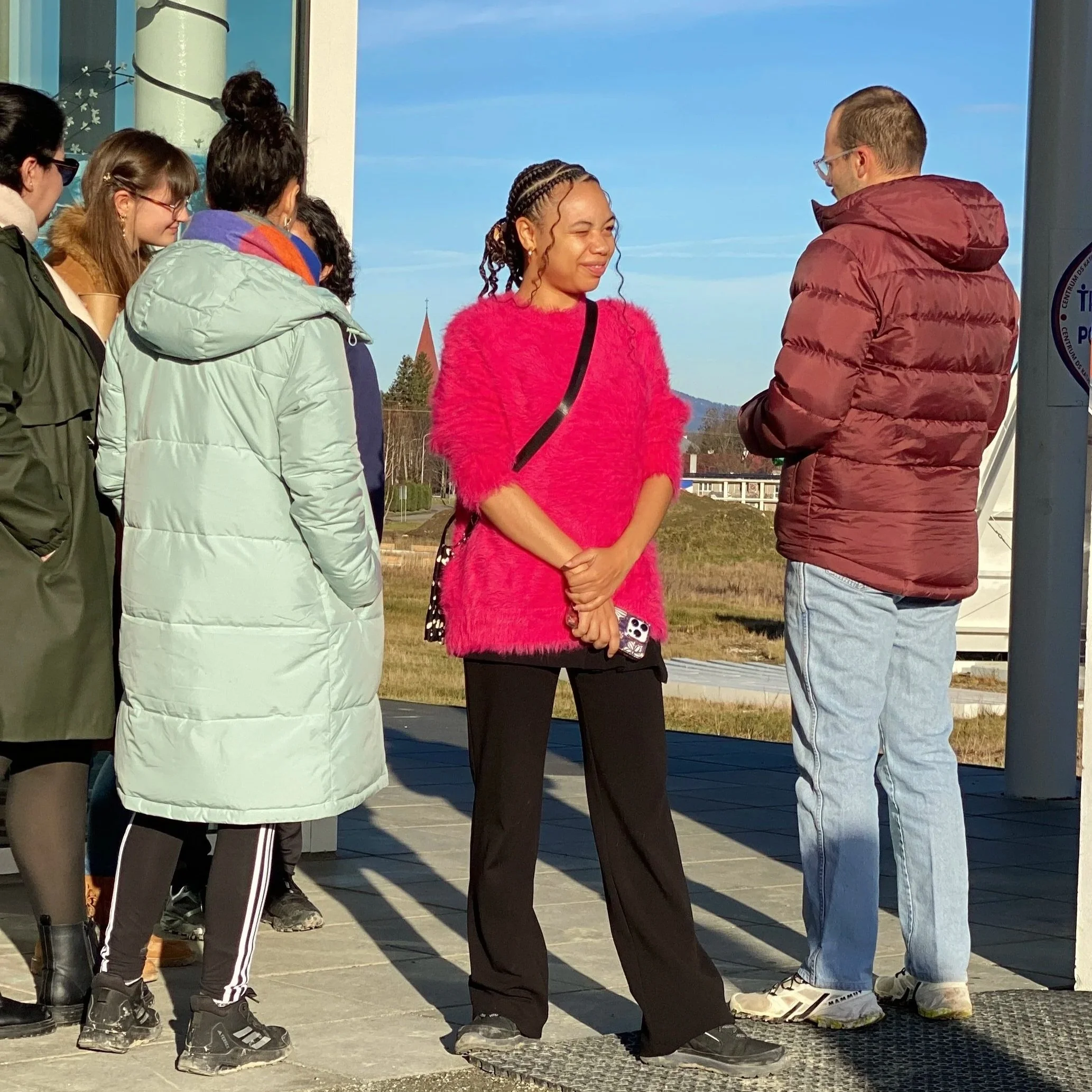
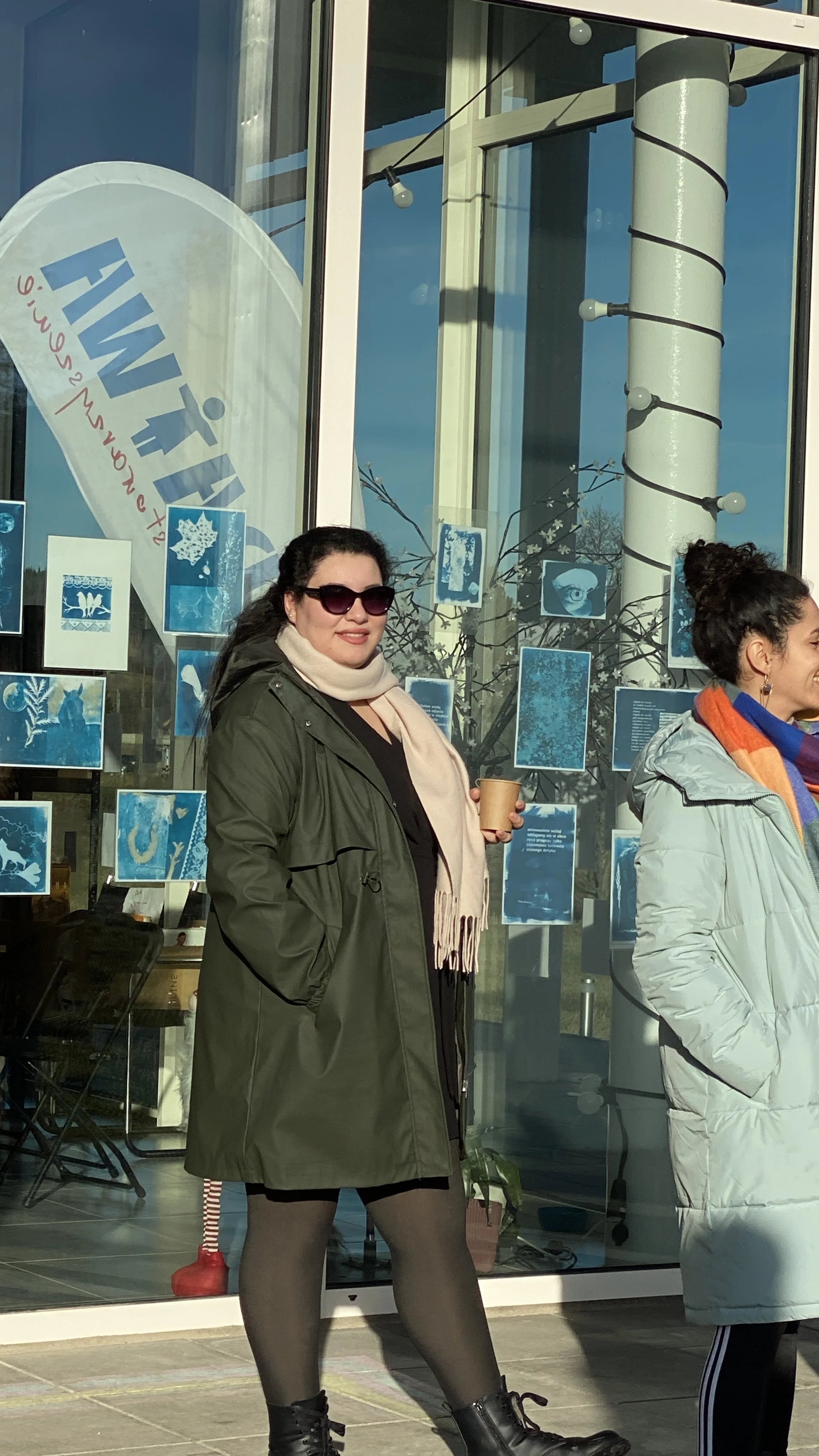
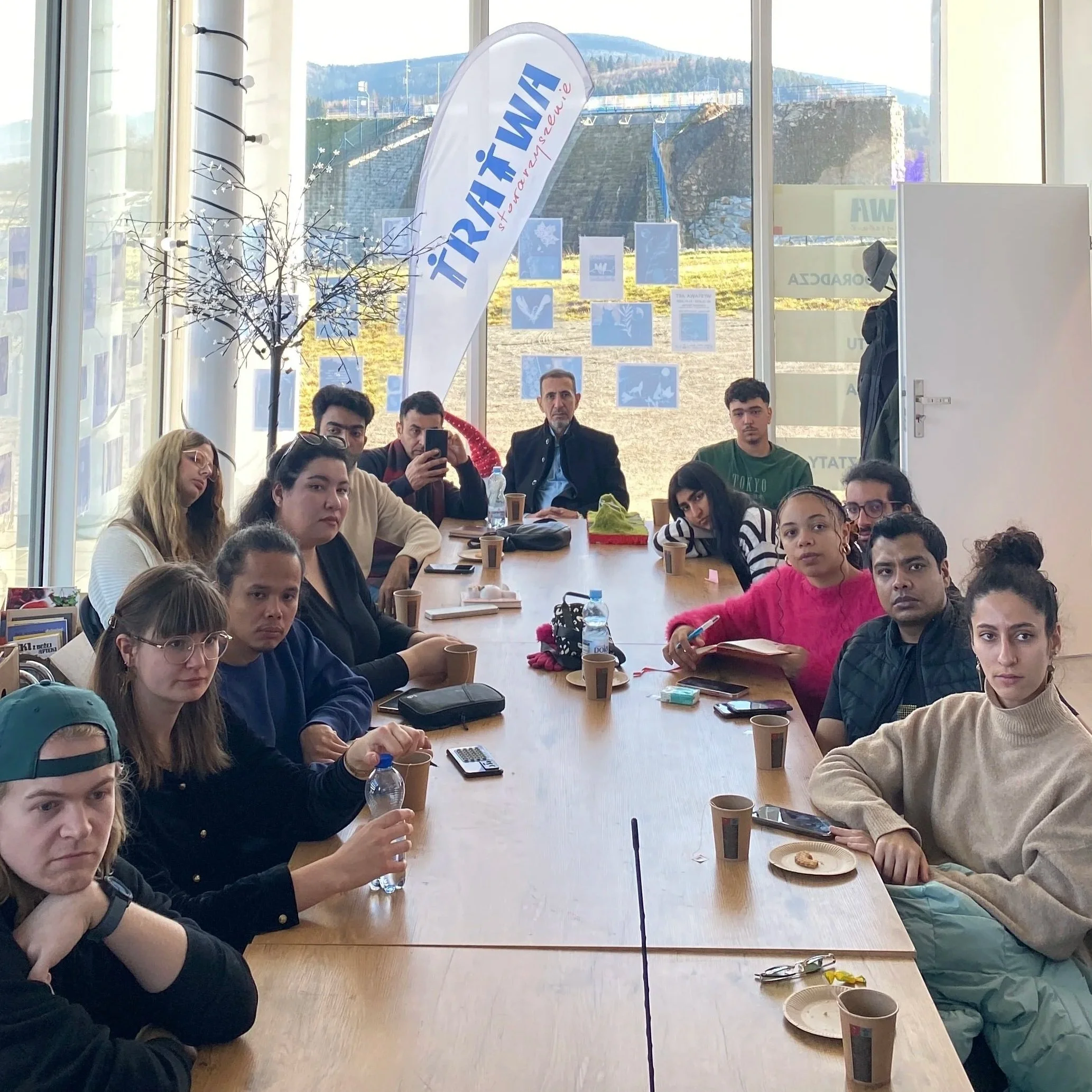
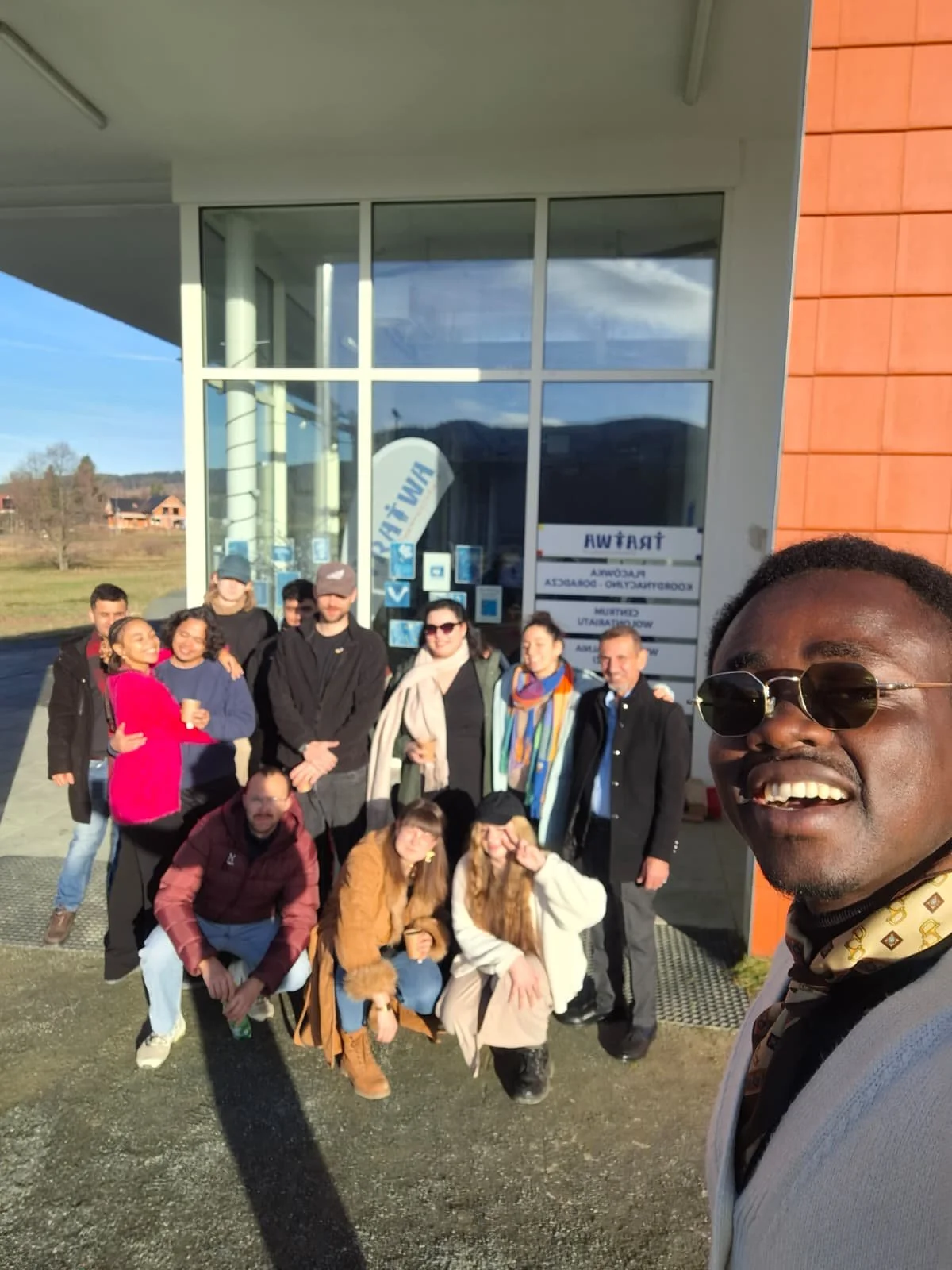
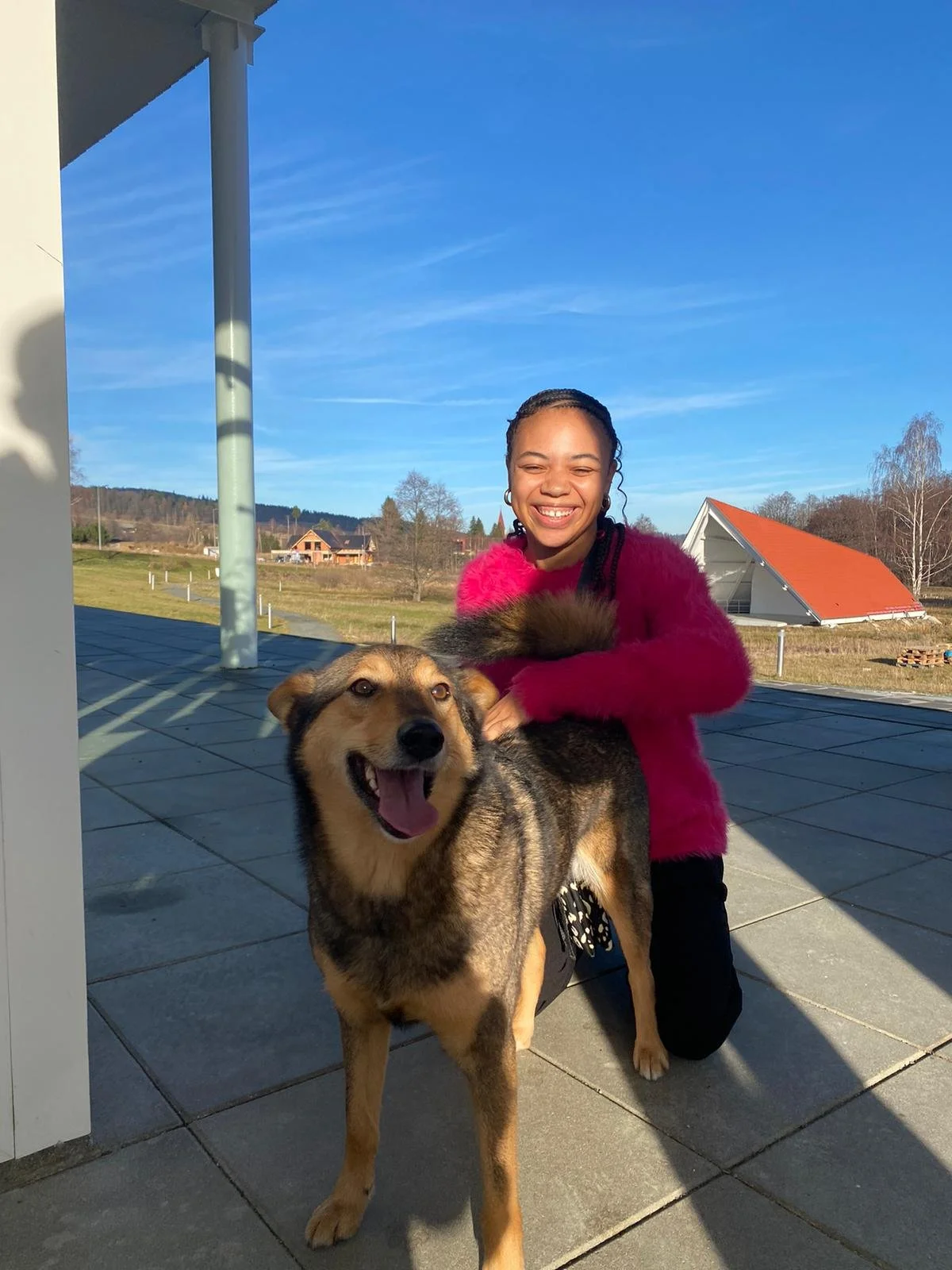
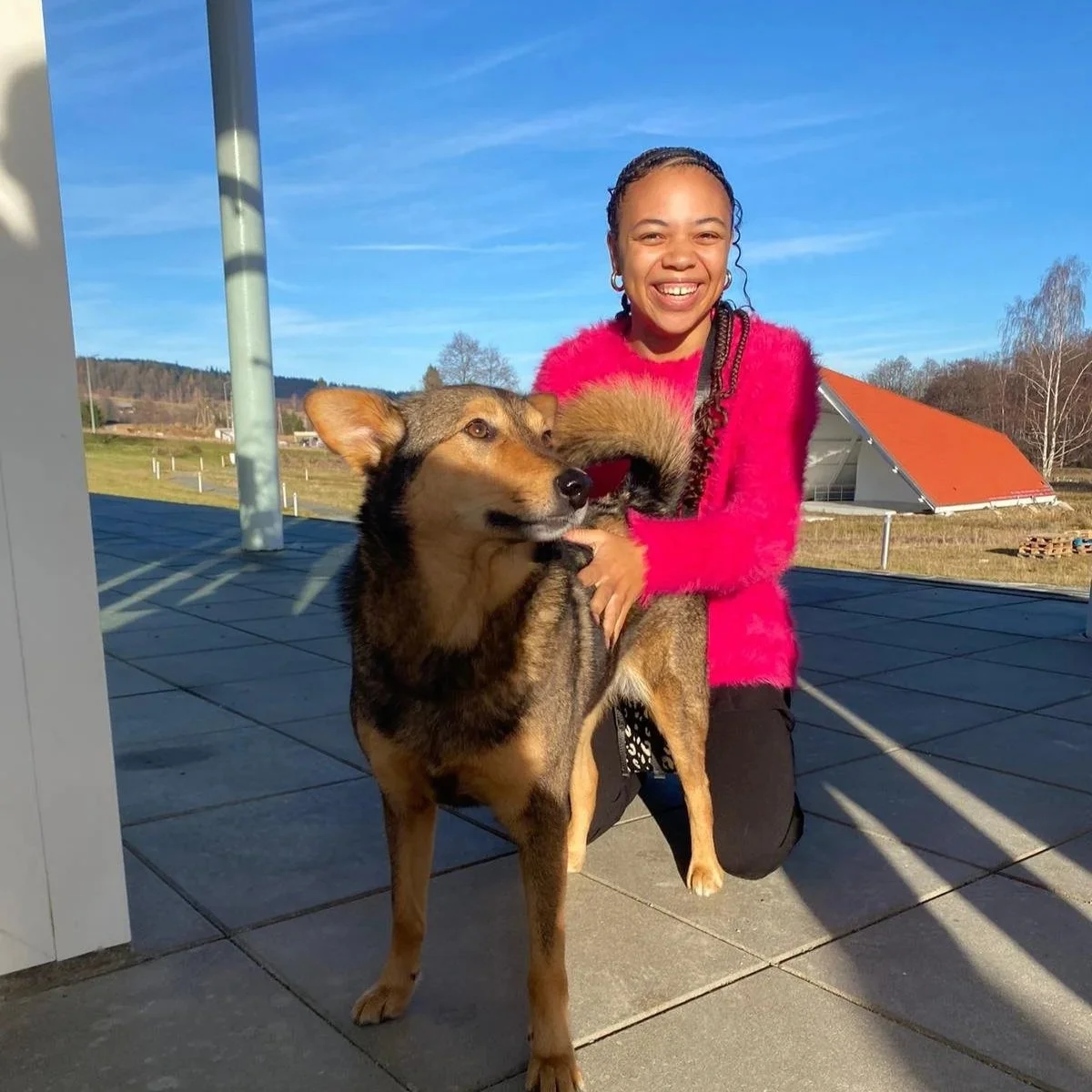
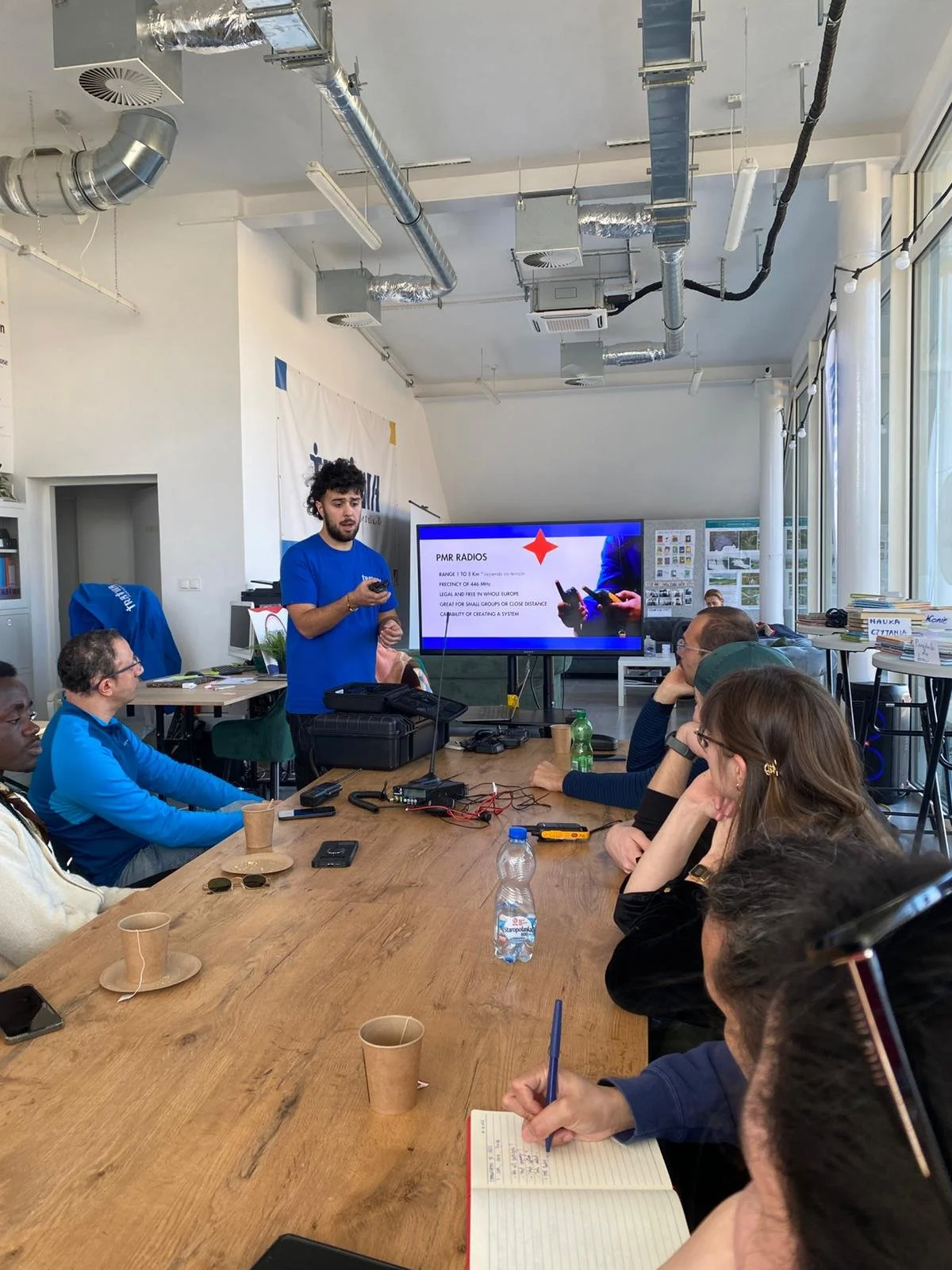
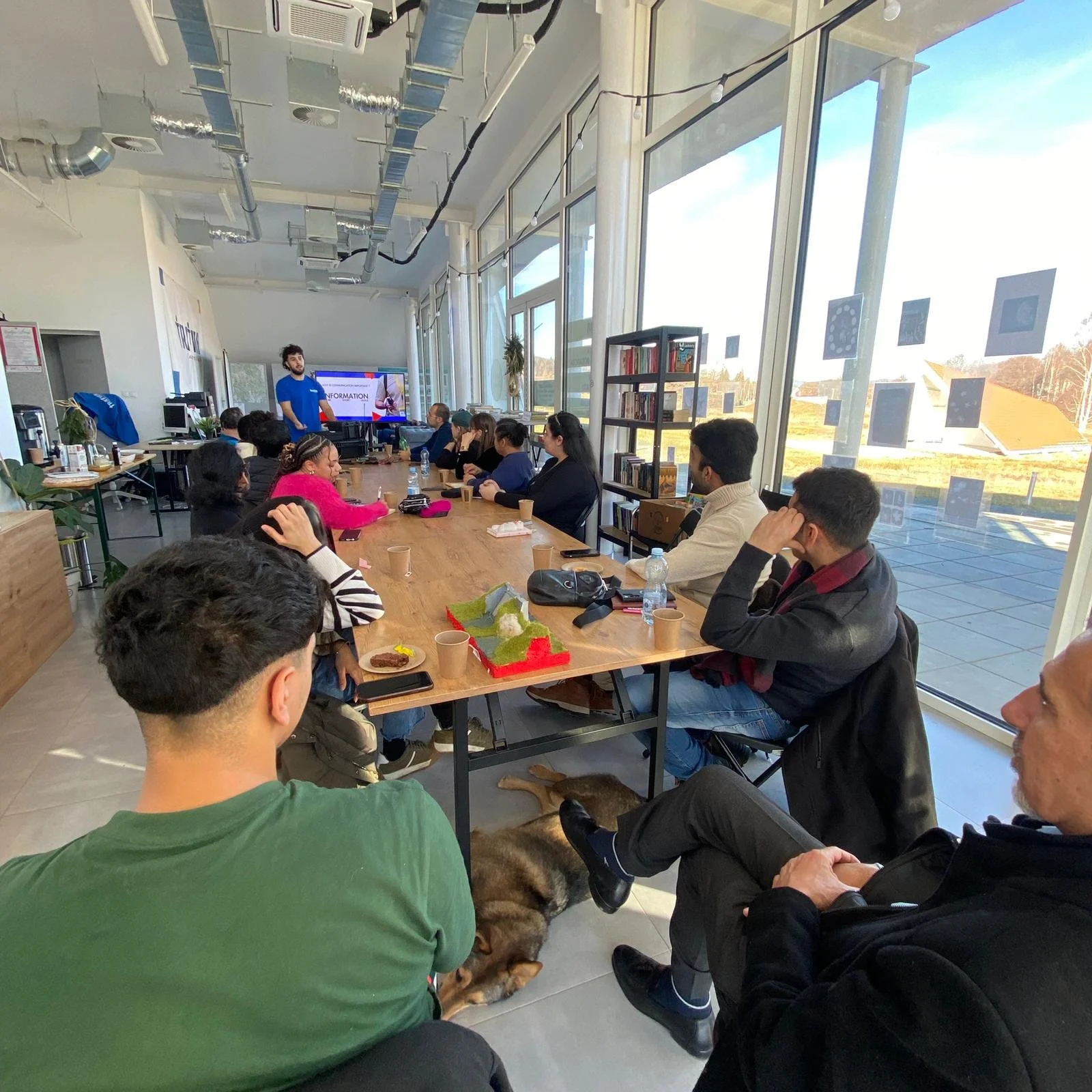
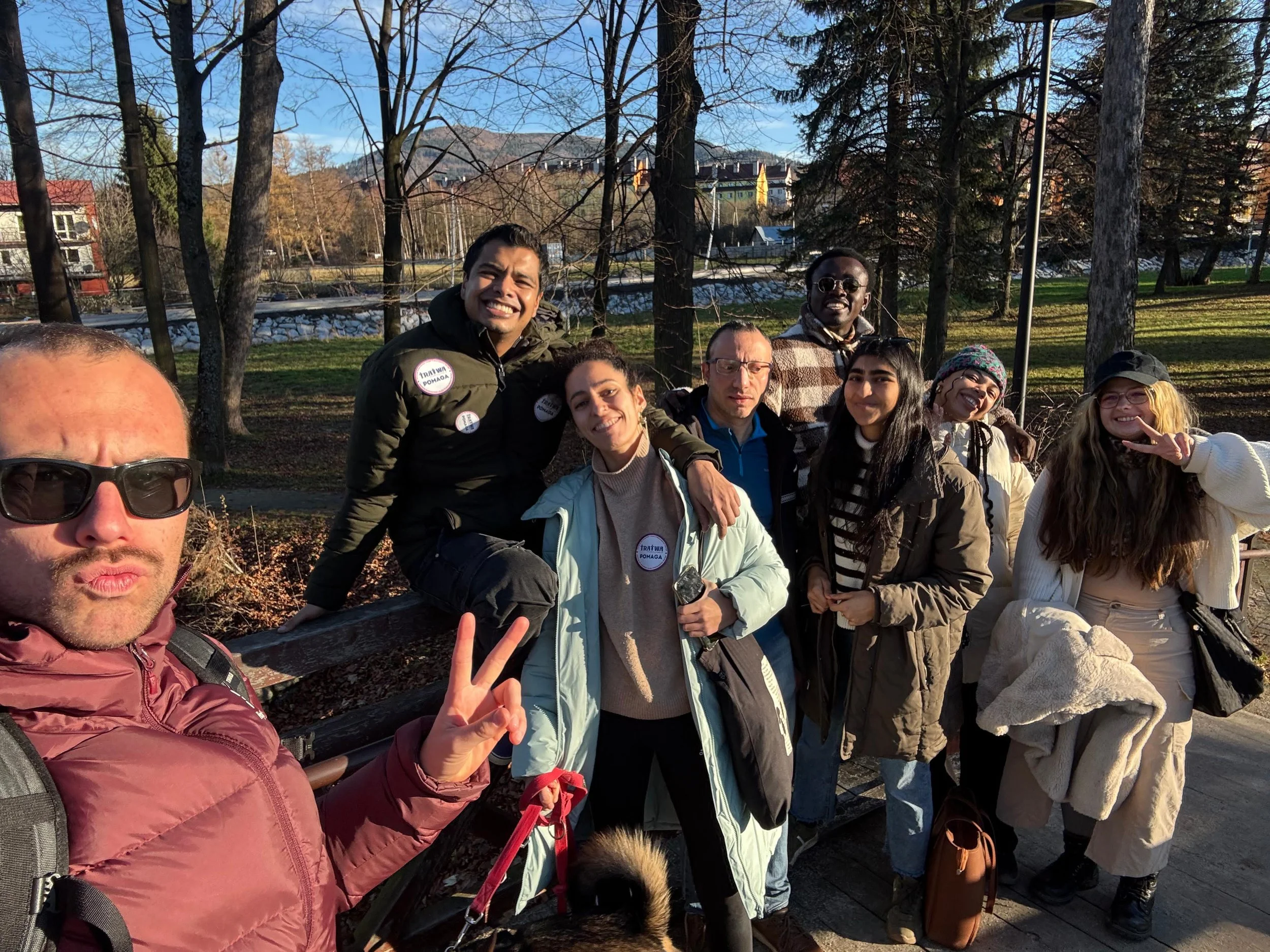
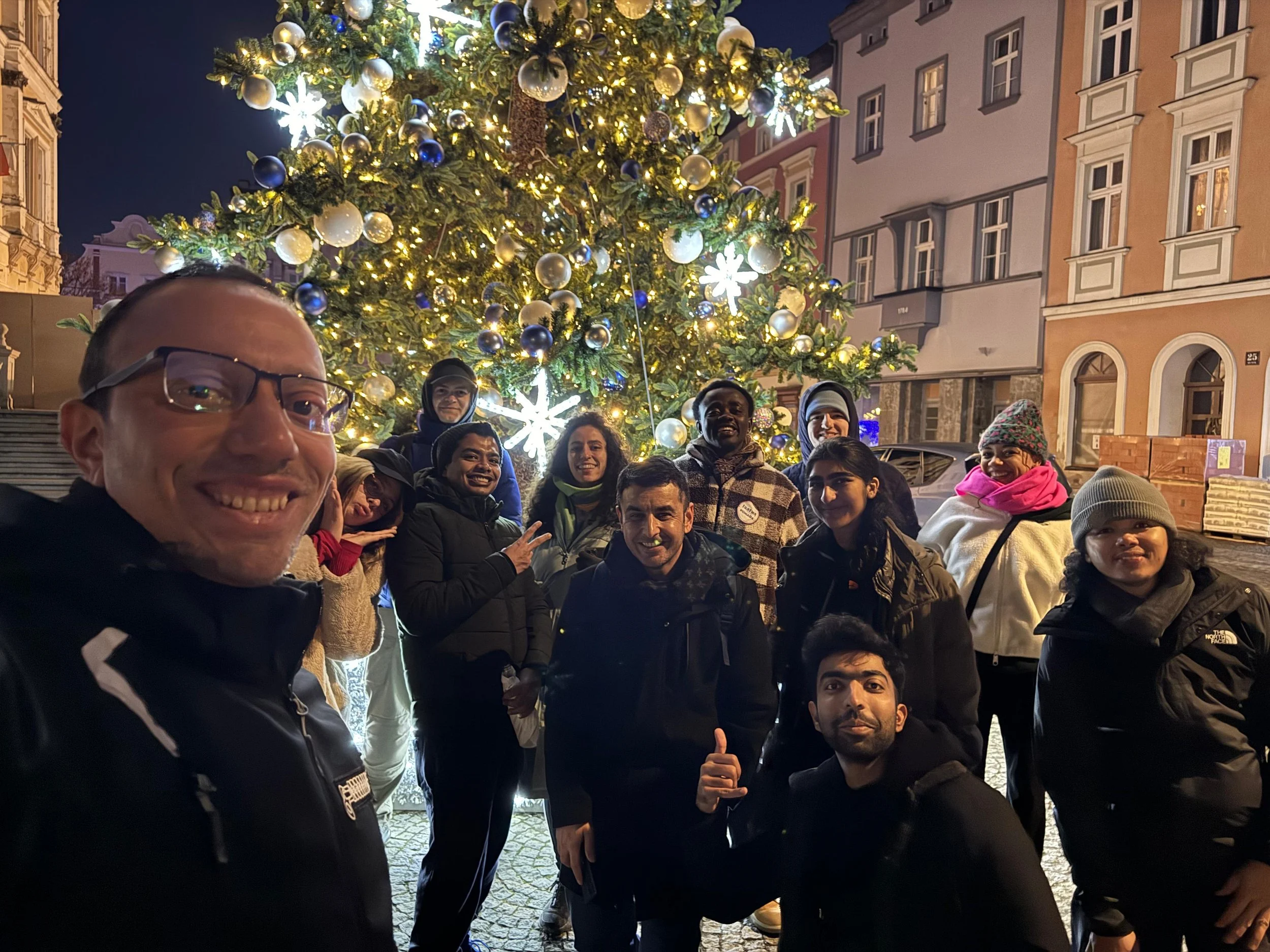
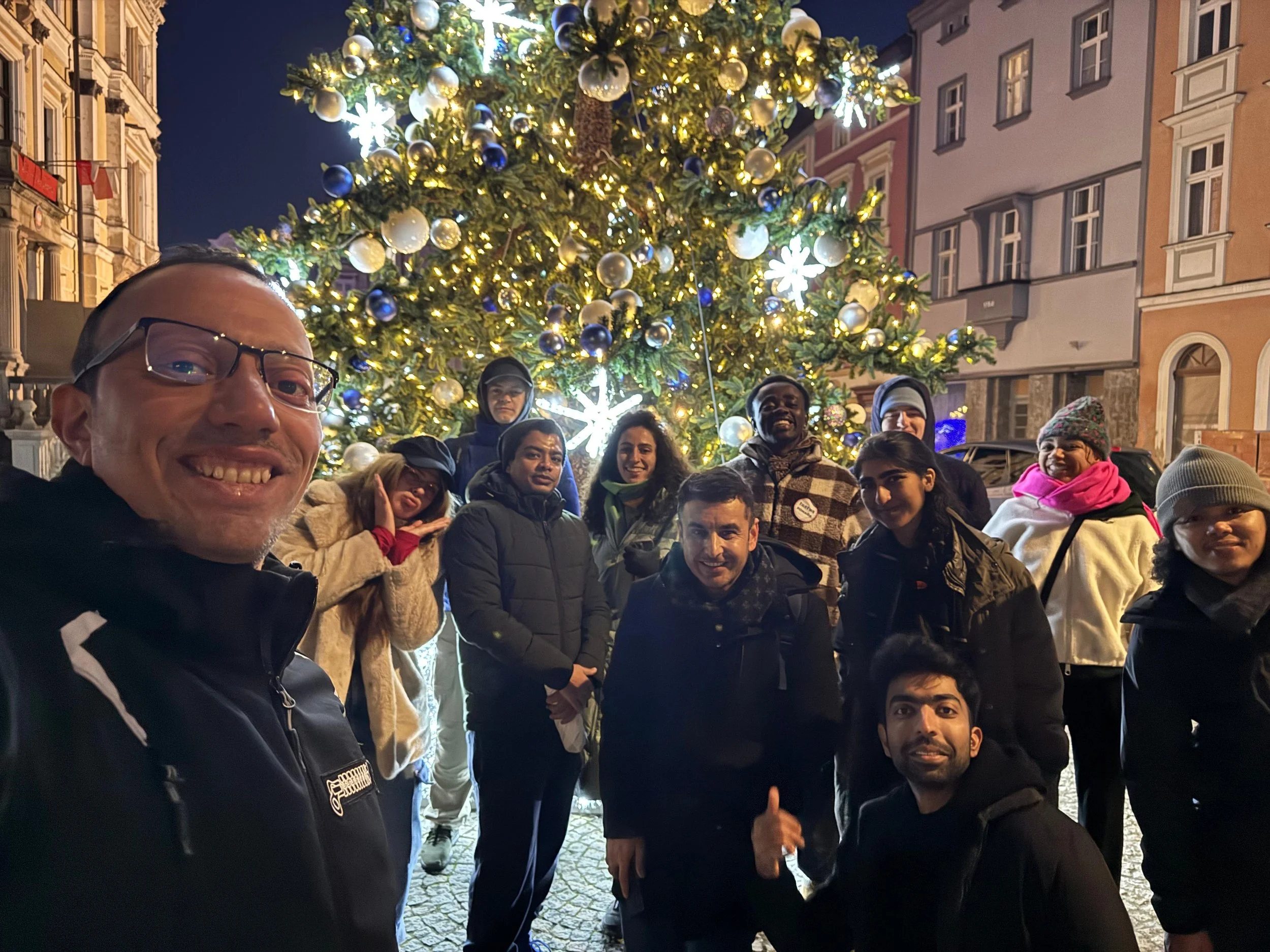
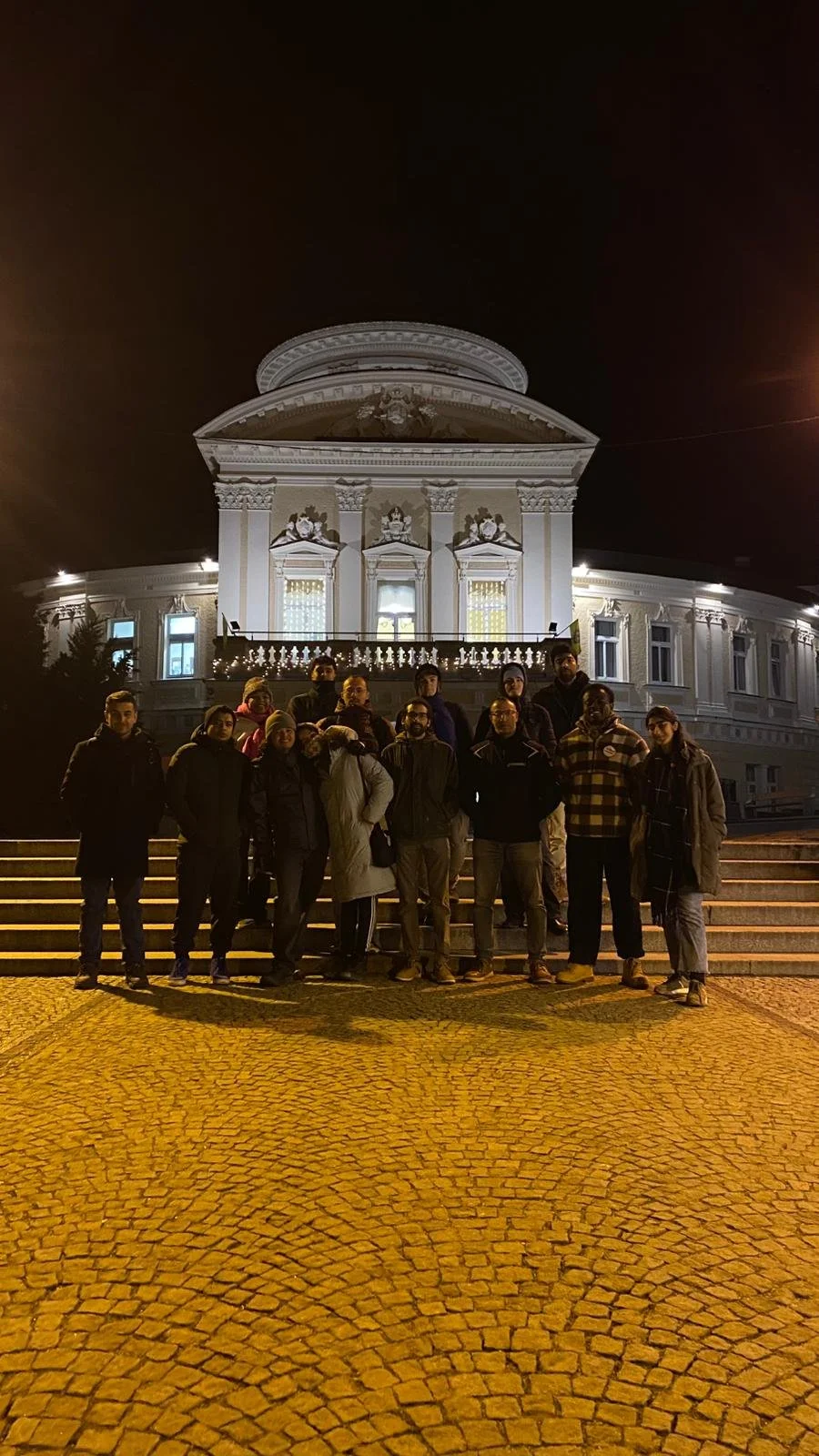
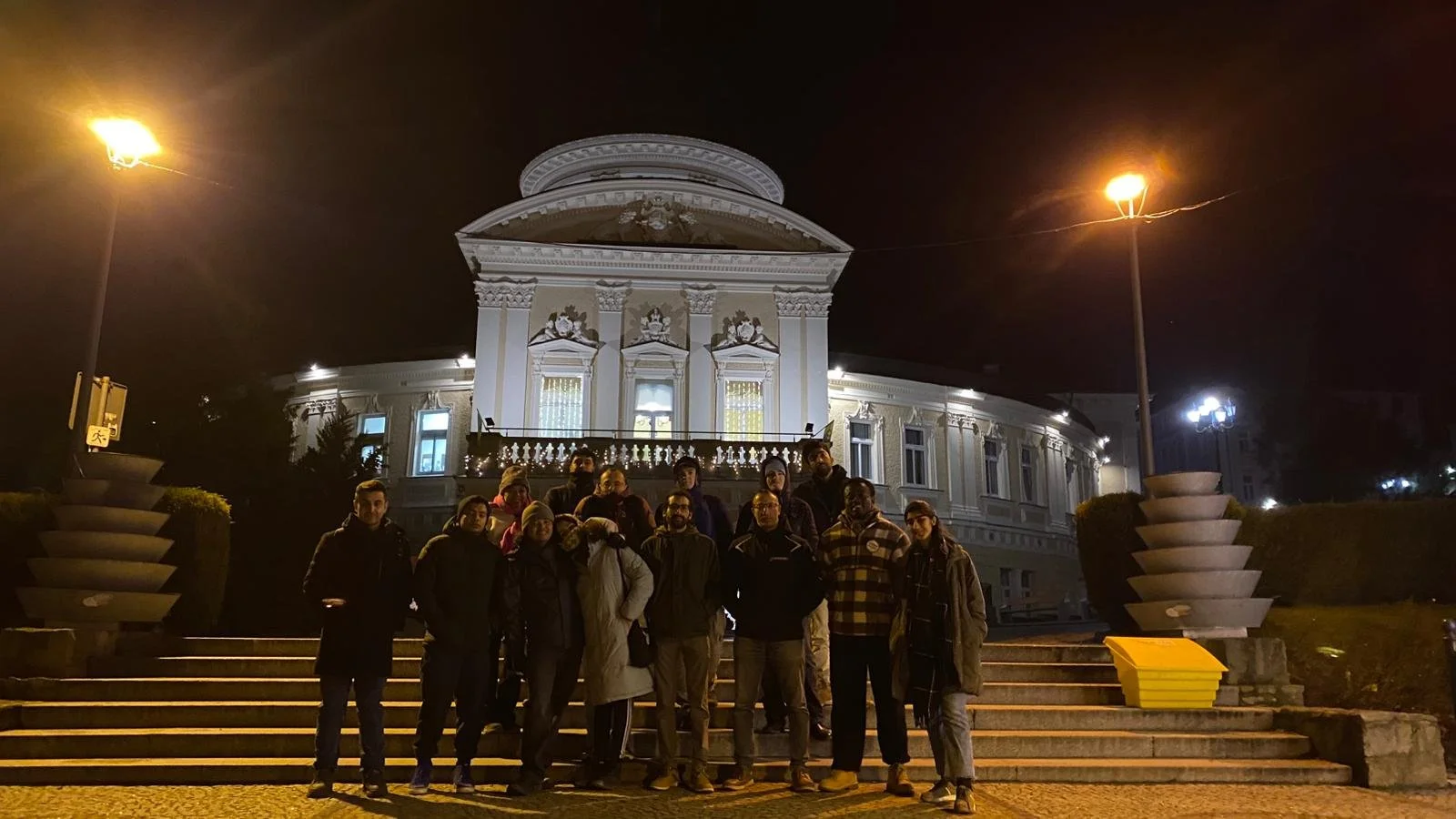
The first phase of our Erasmus+ project Youth Work in Ecological Crisis successfully took place in Poland, bringing together 15 participants from Poland, France, and Germany. This Study Visit focused on strengthening the capacity of youth workers to understand, prepare for, and respond to ecological and humanitarian crises.
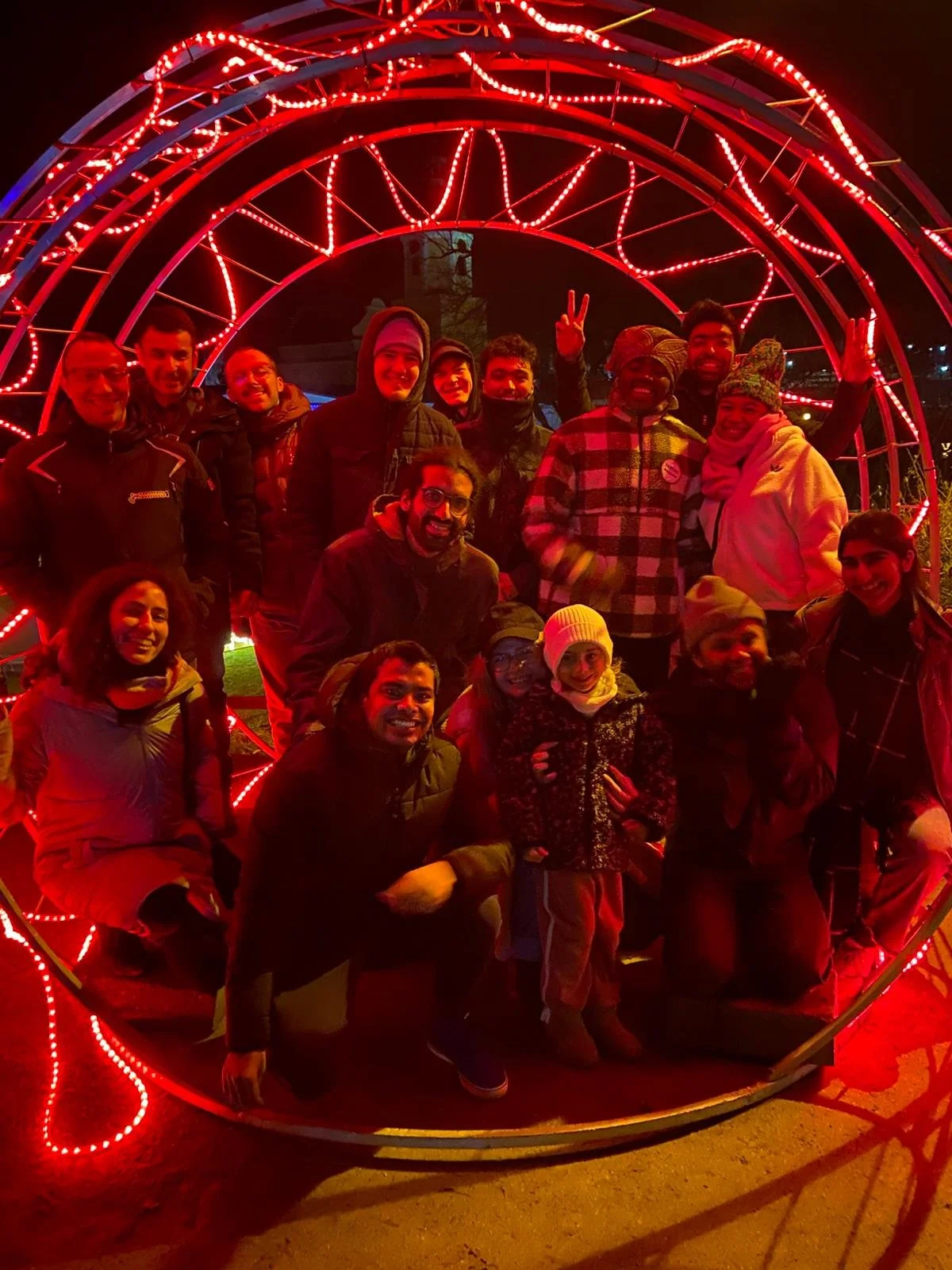
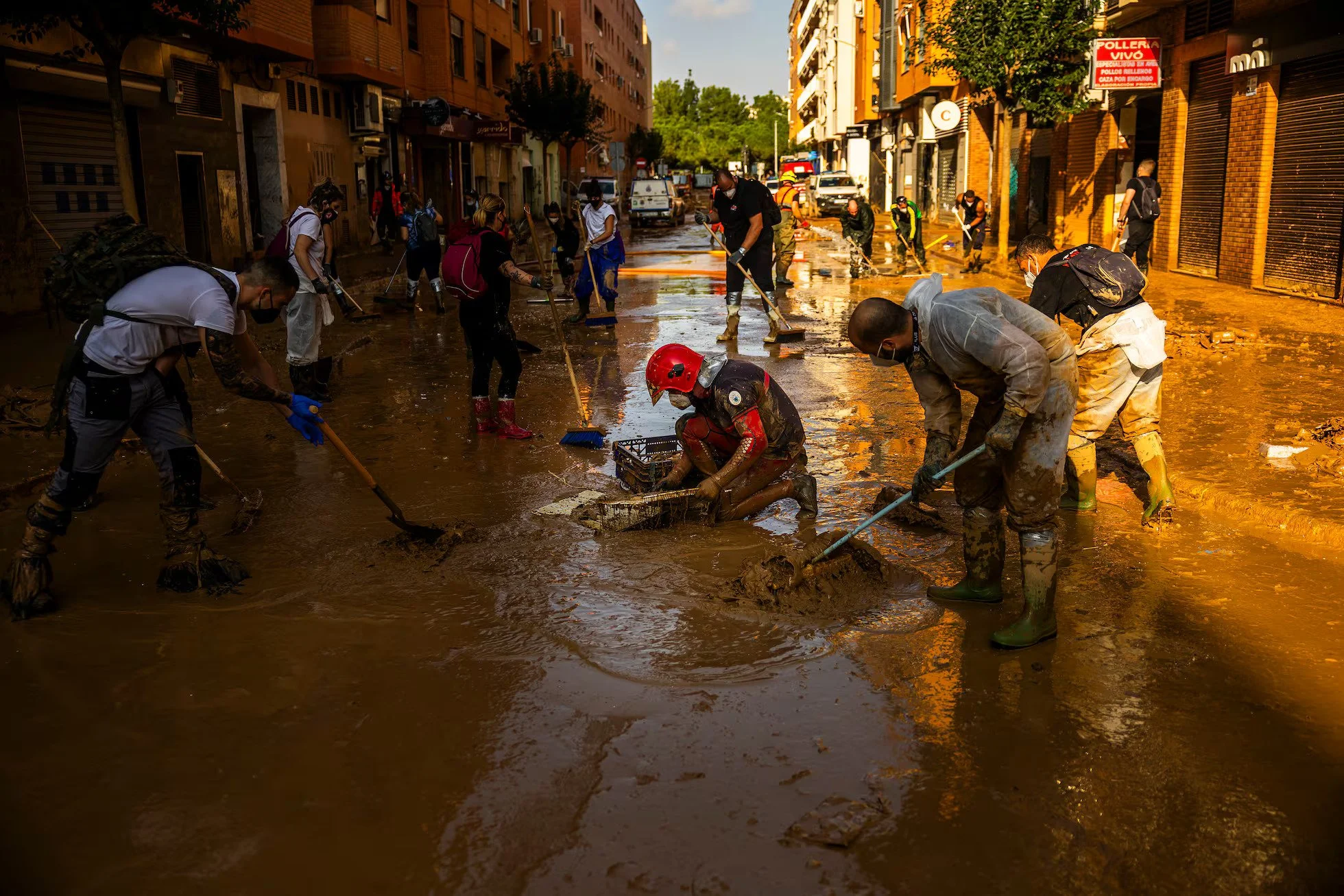
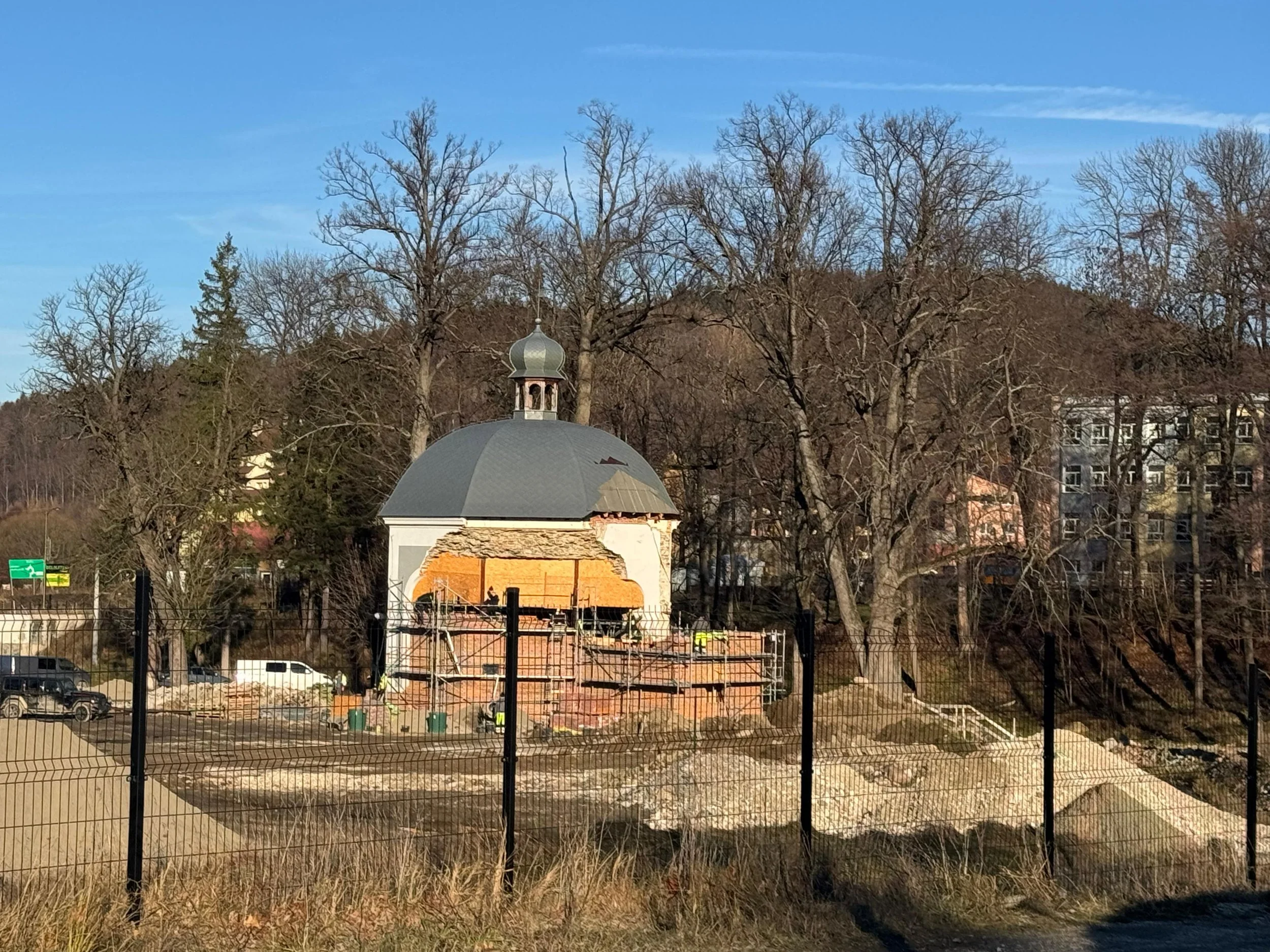
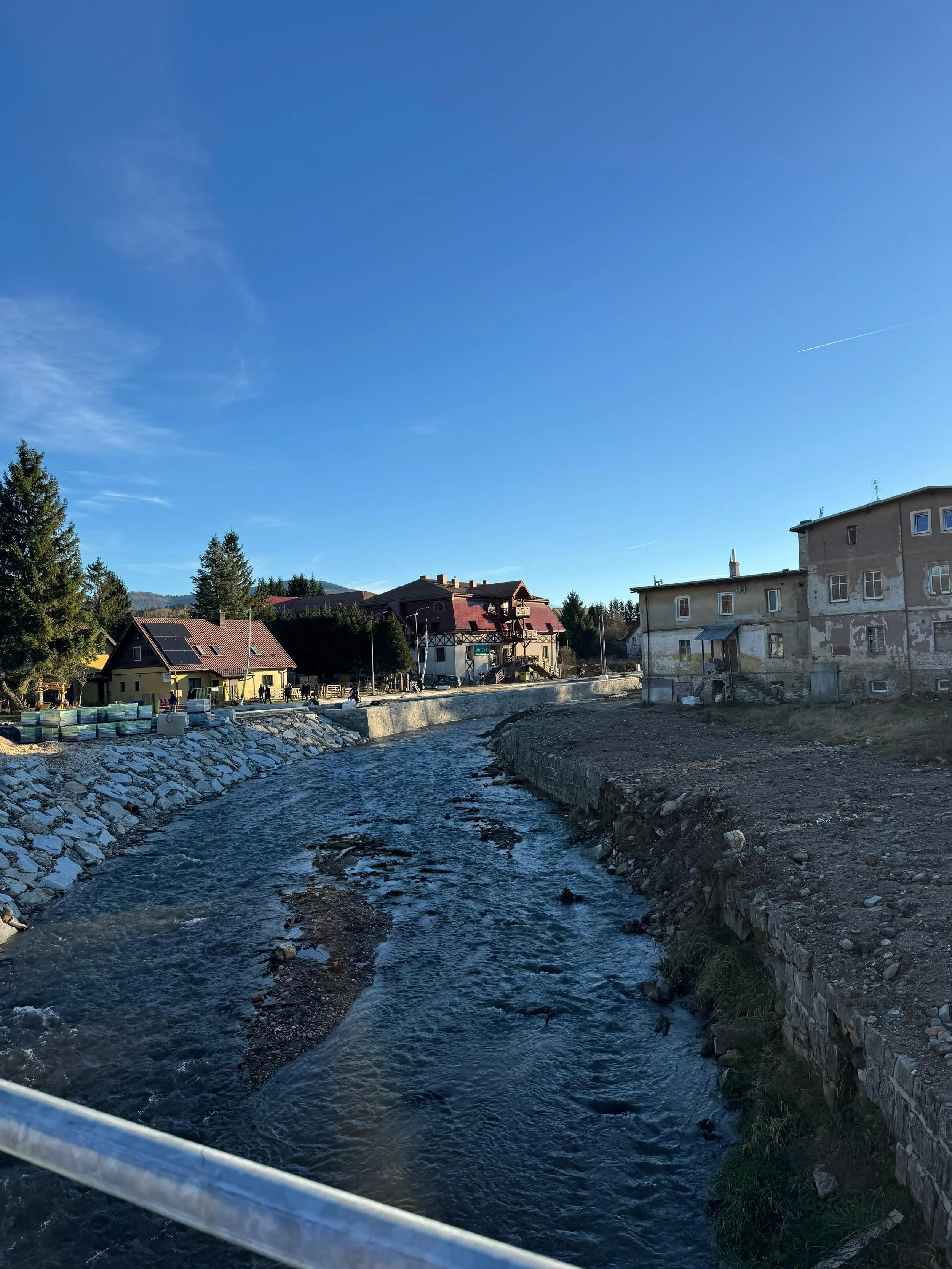
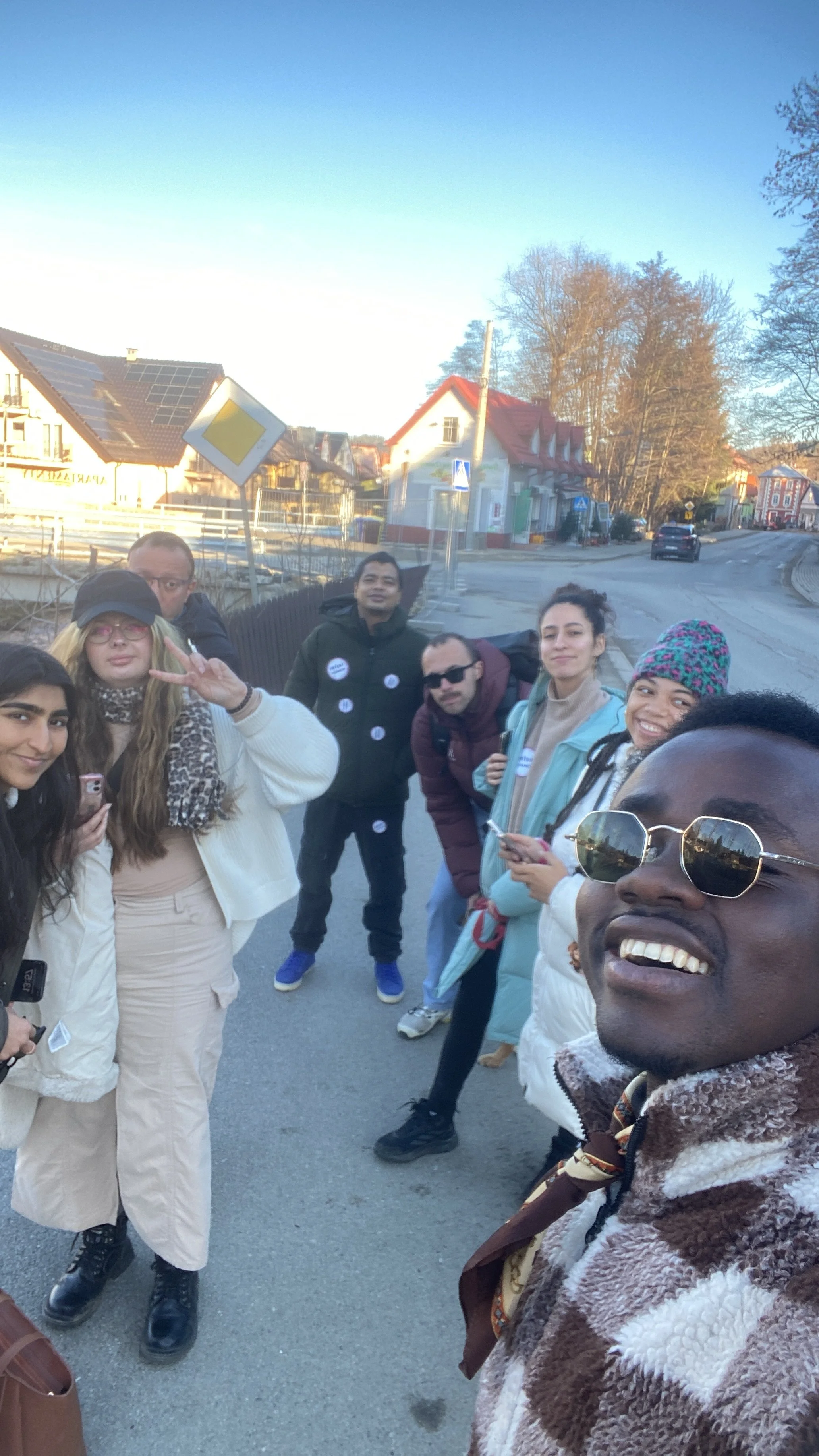
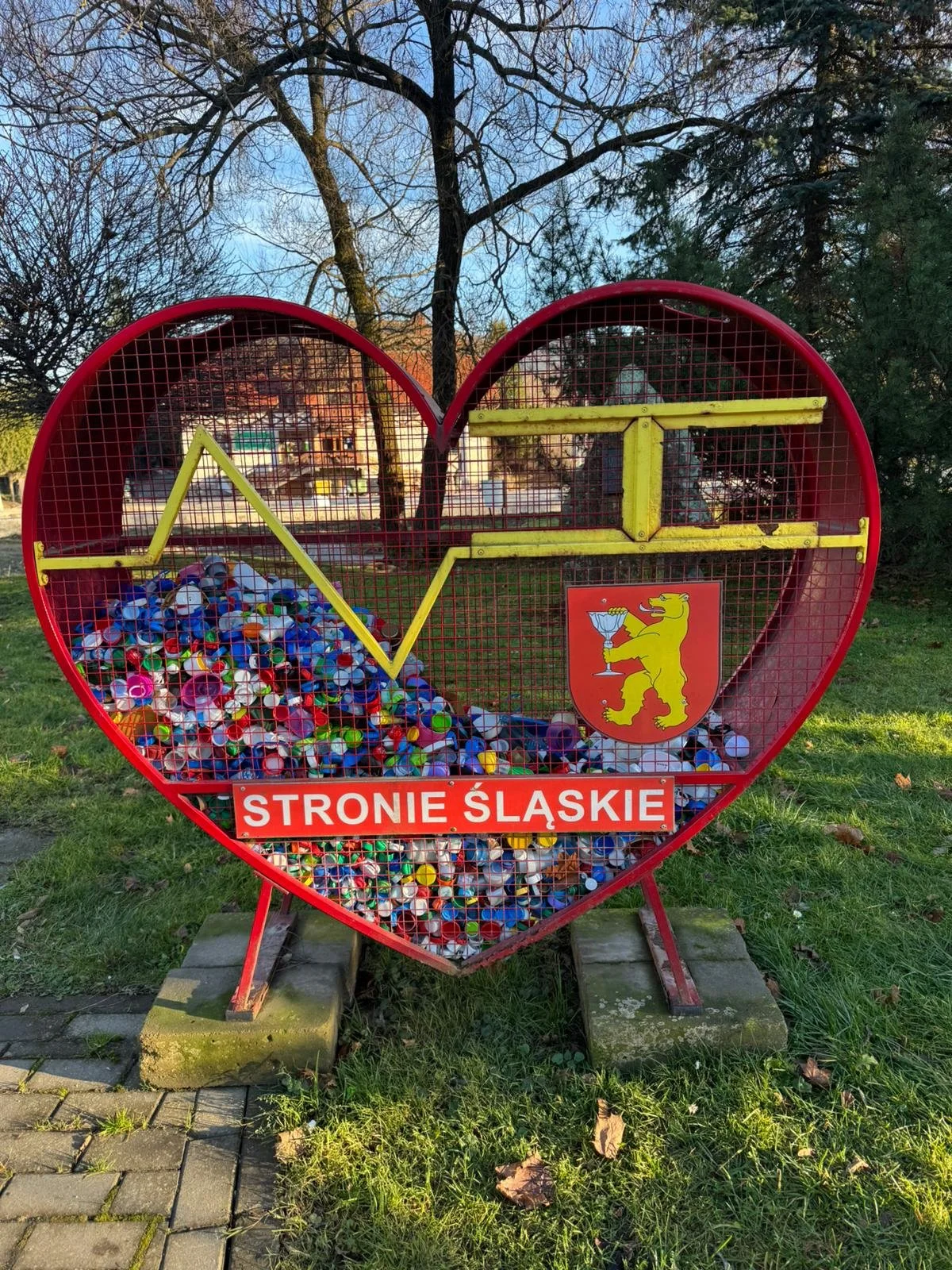
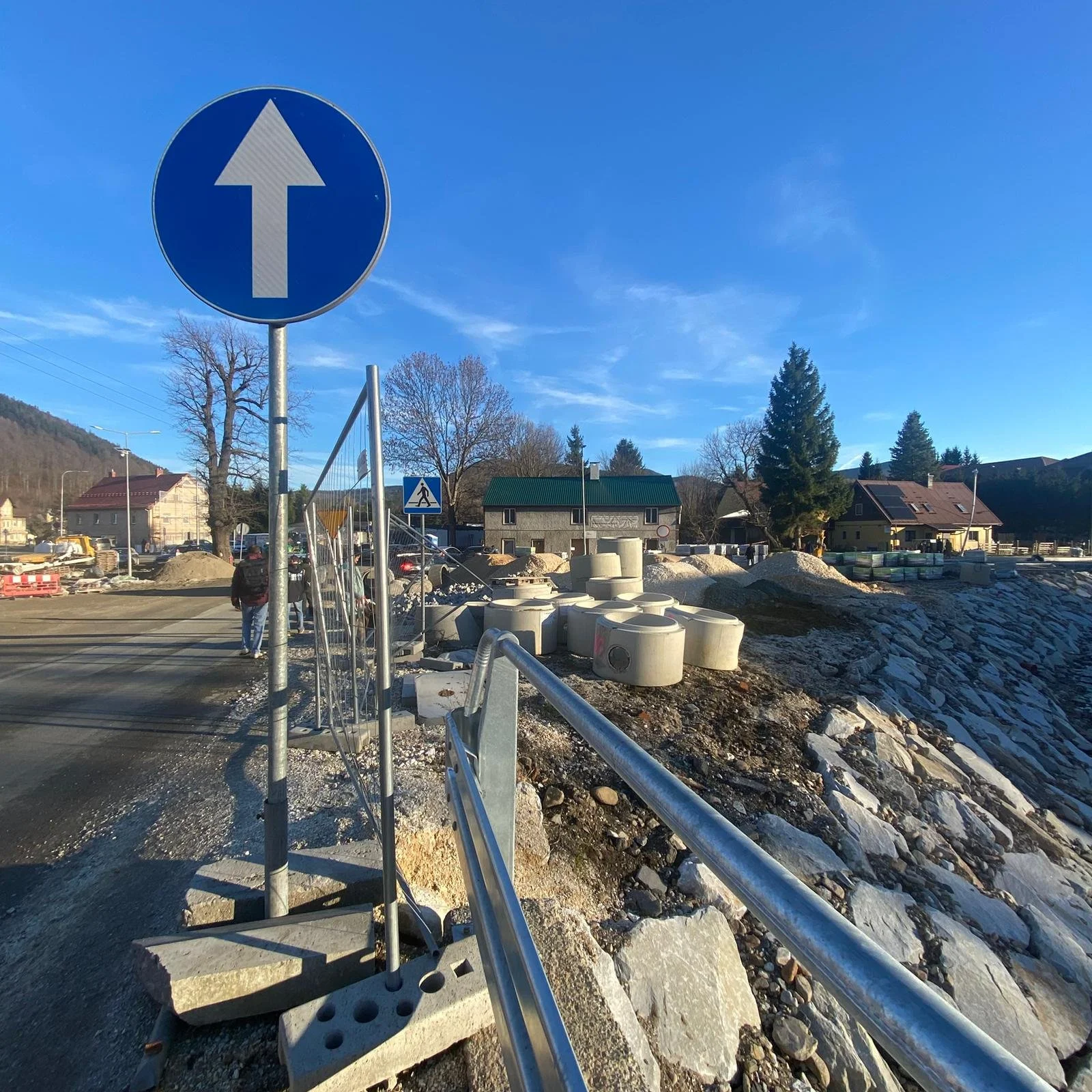
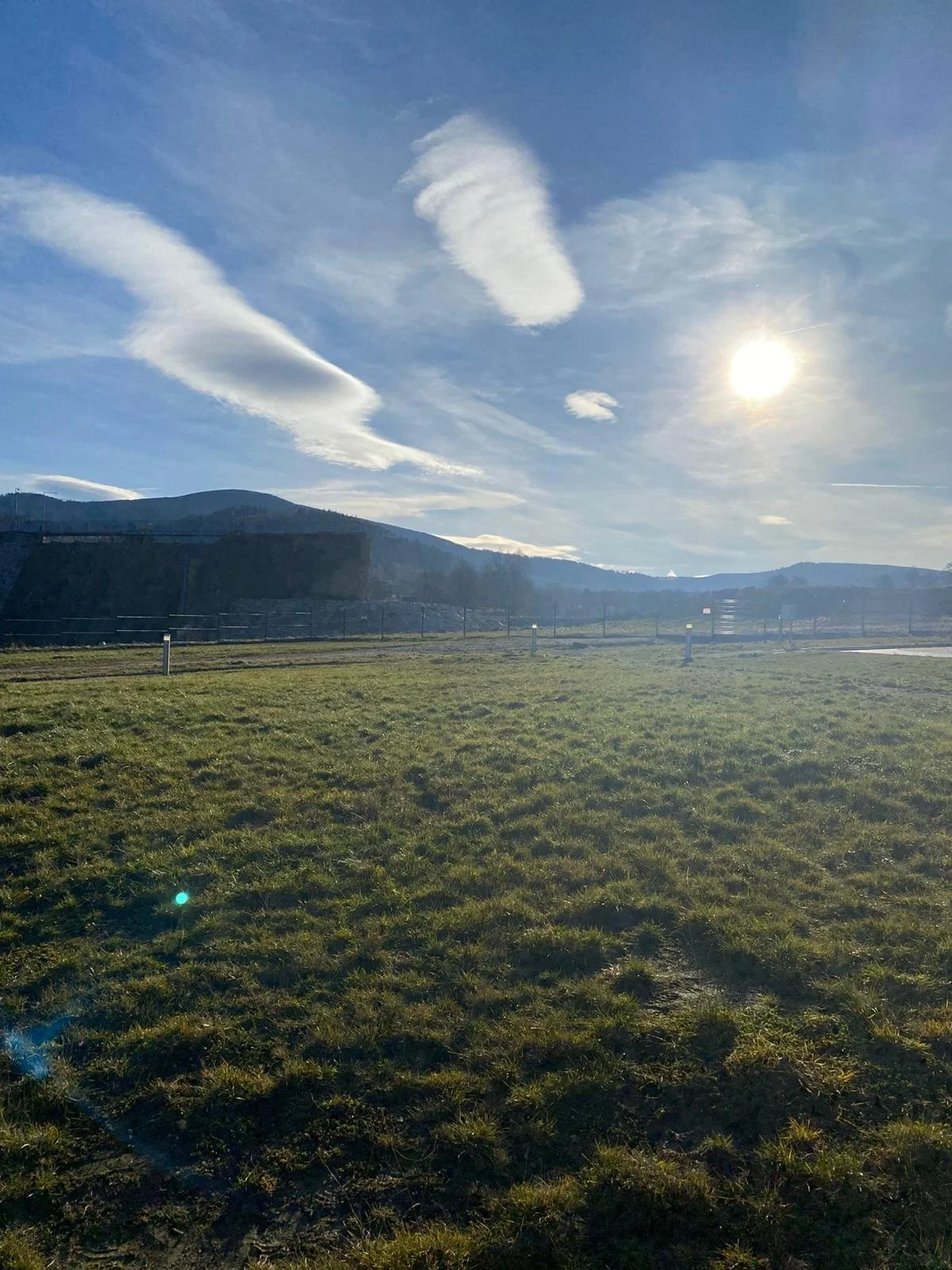
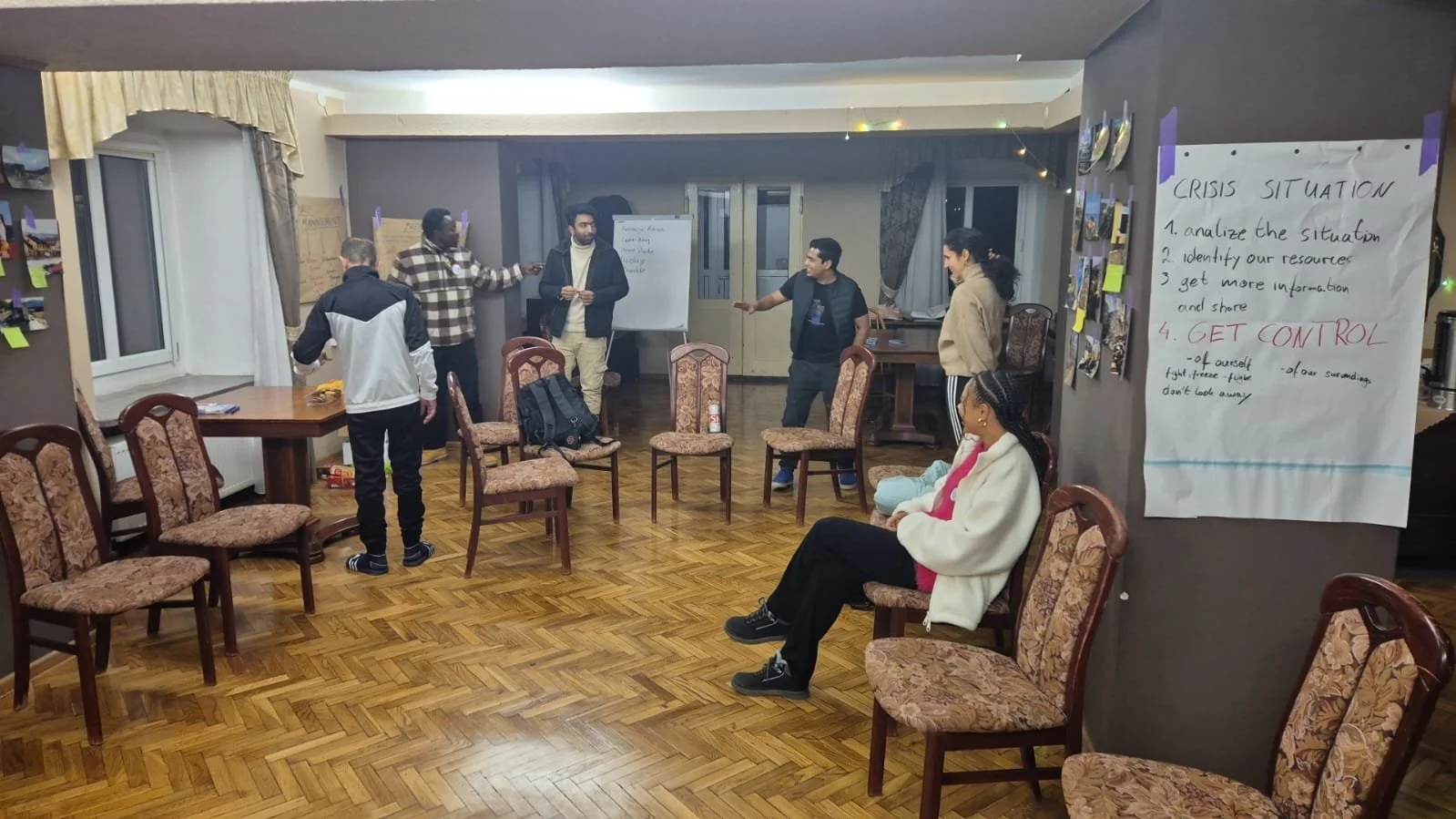
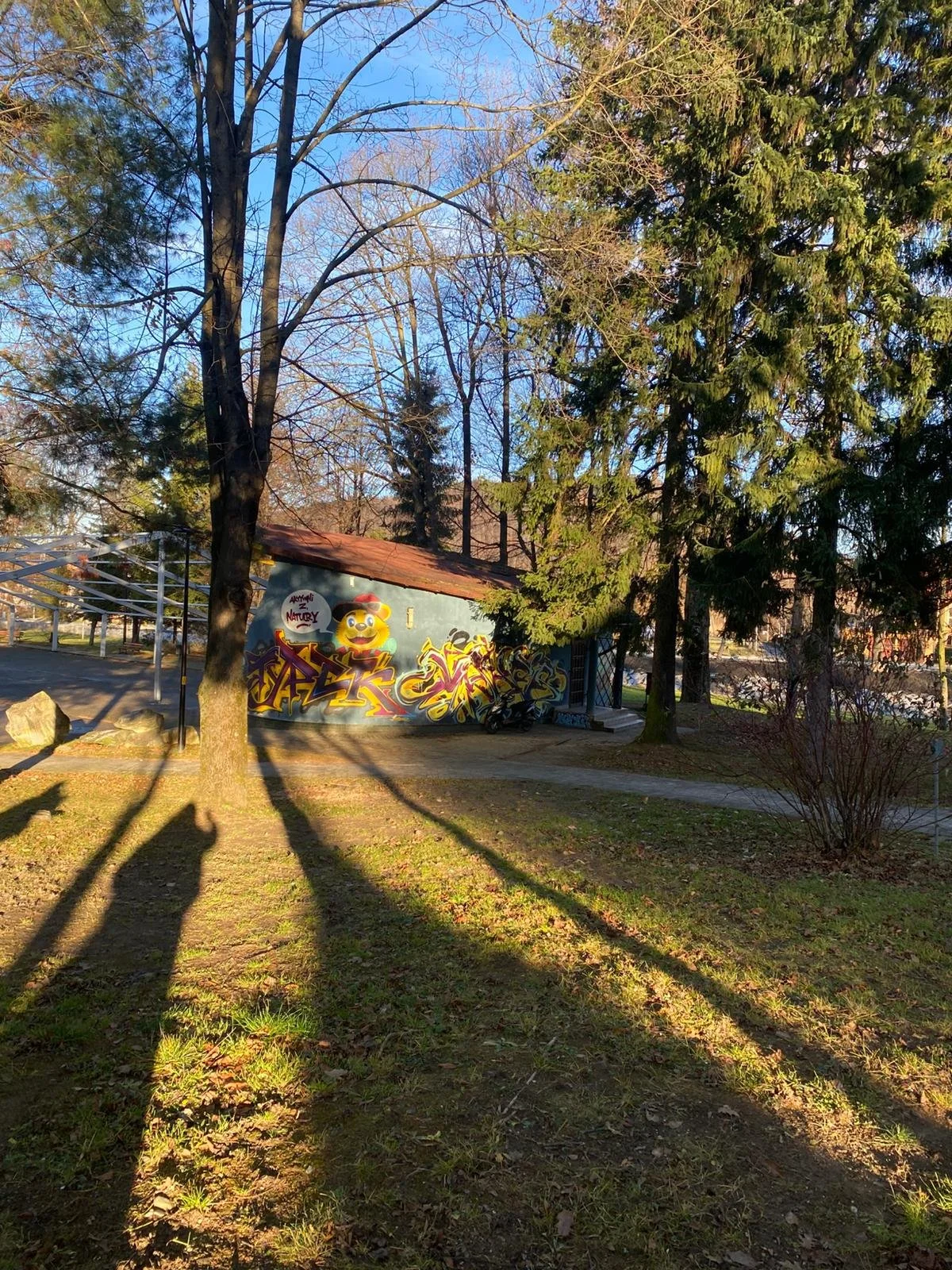
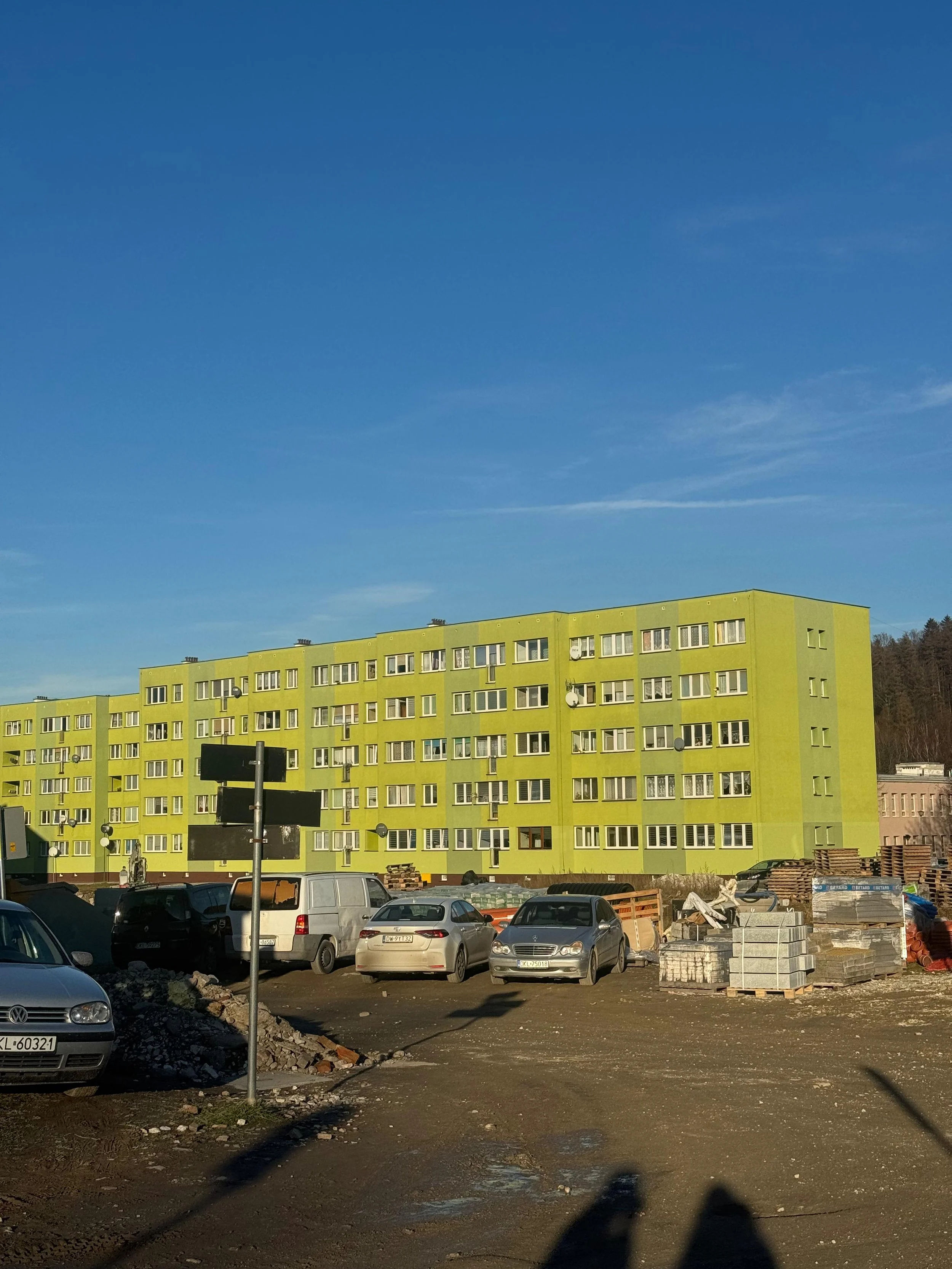
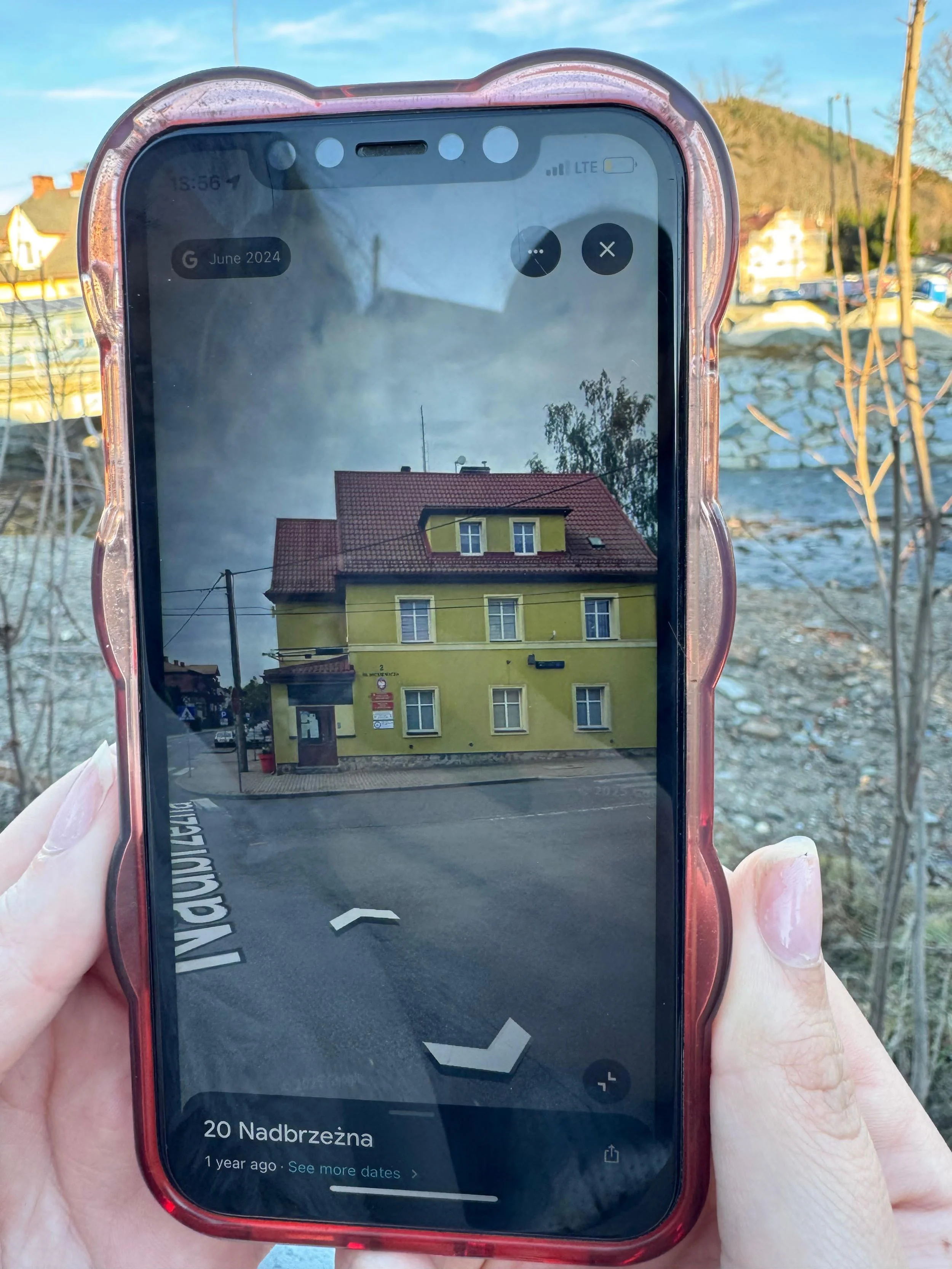
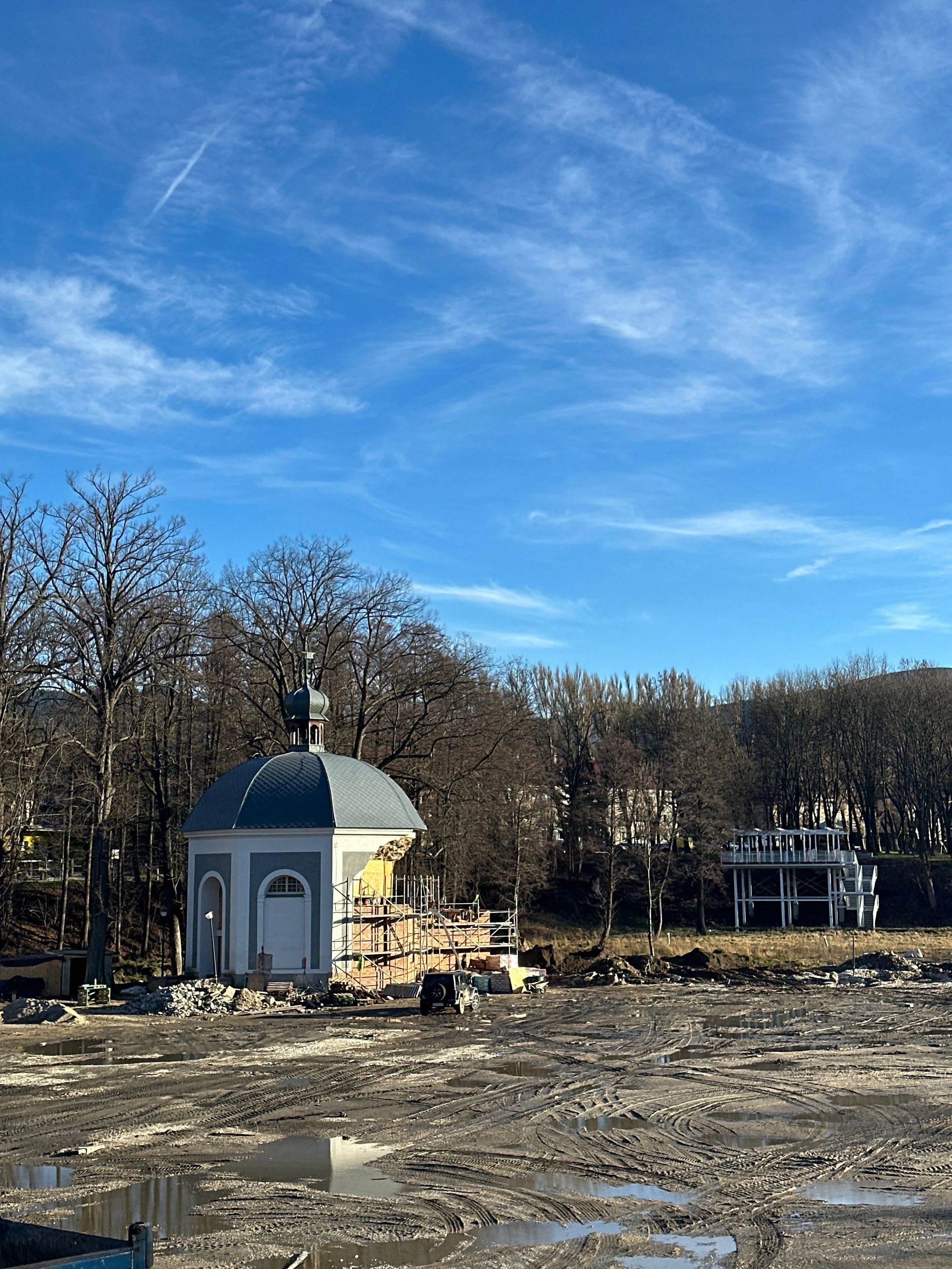
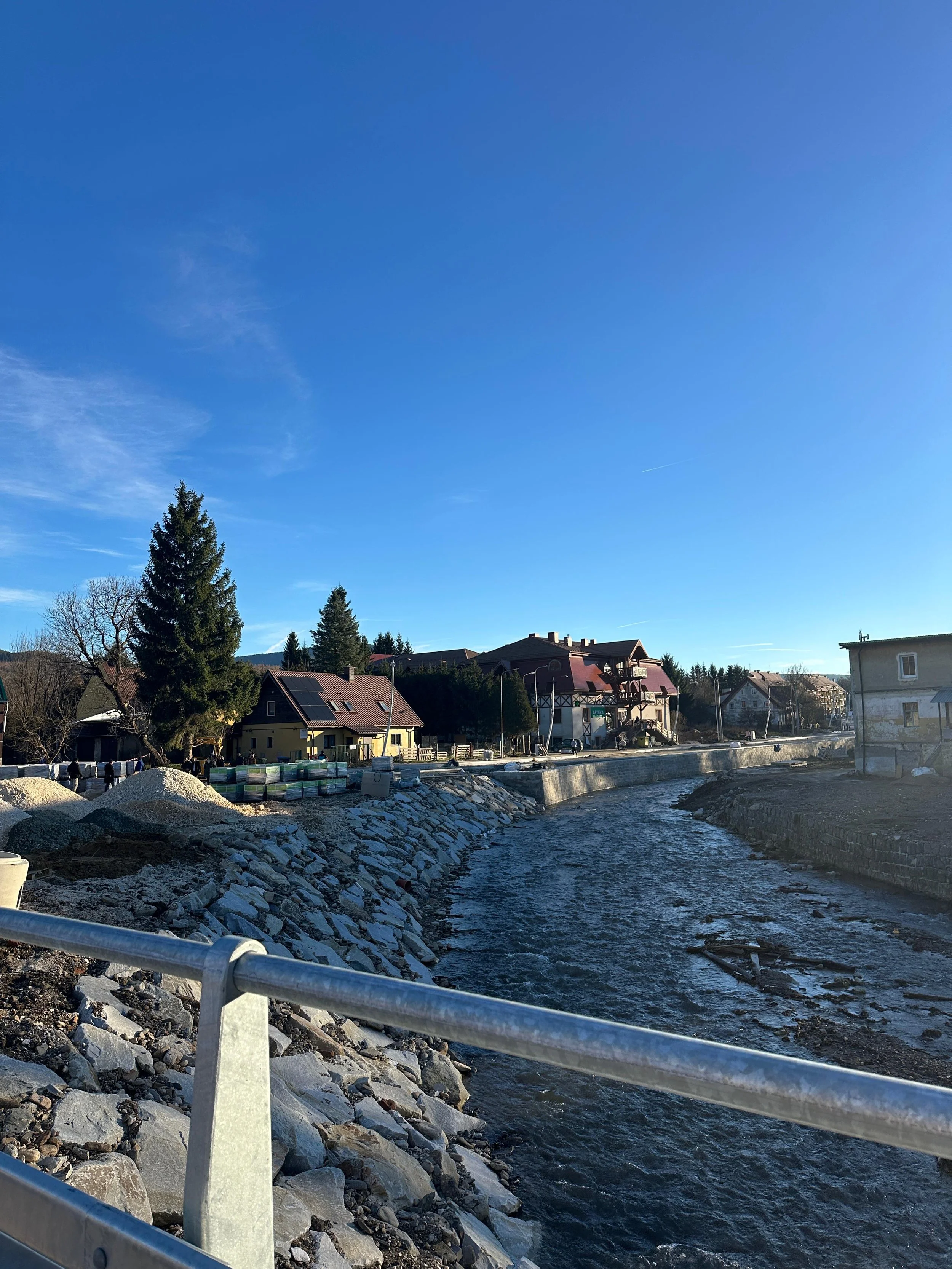
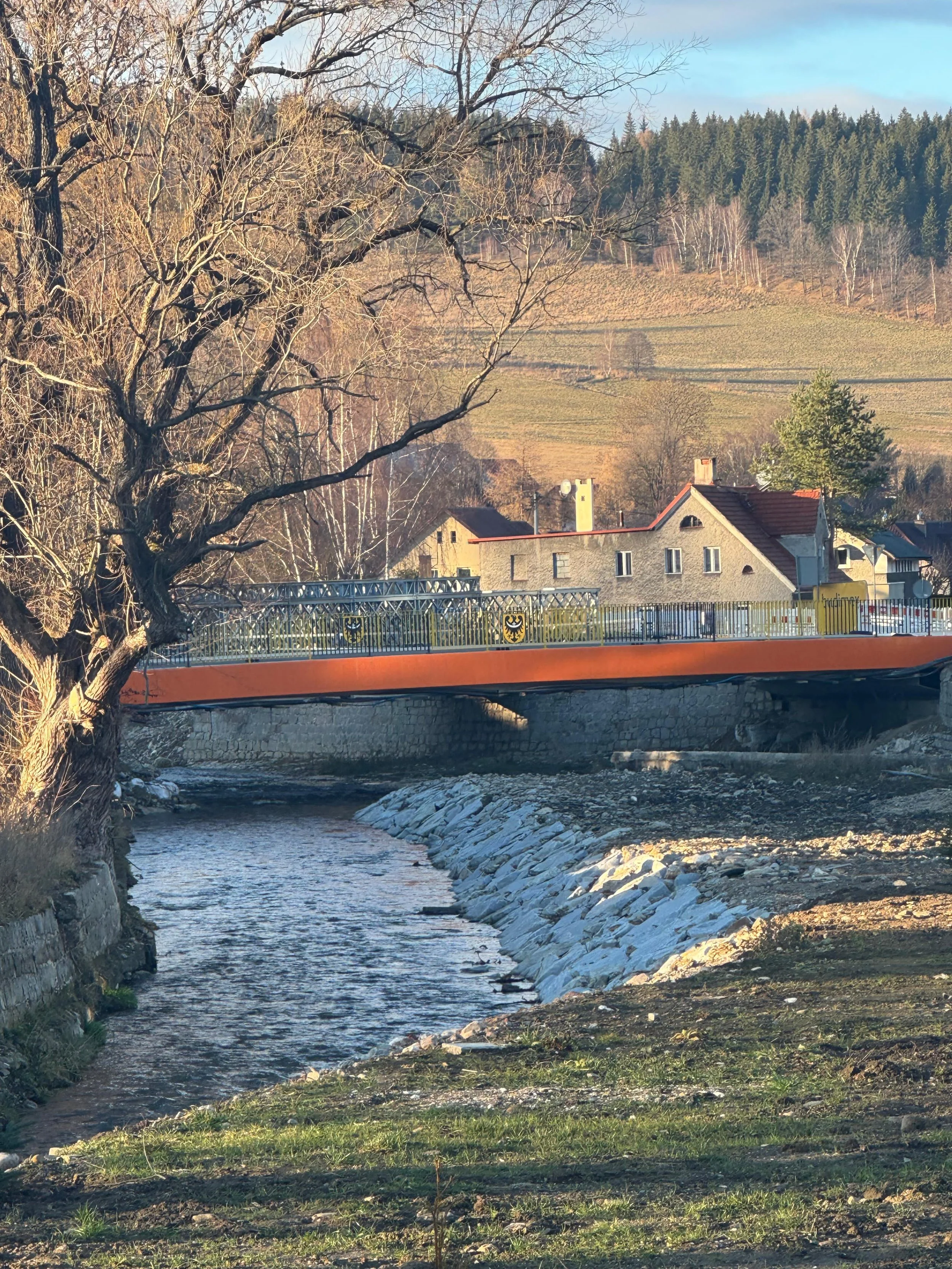
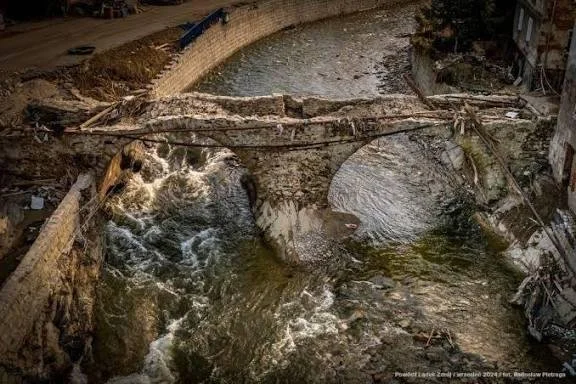
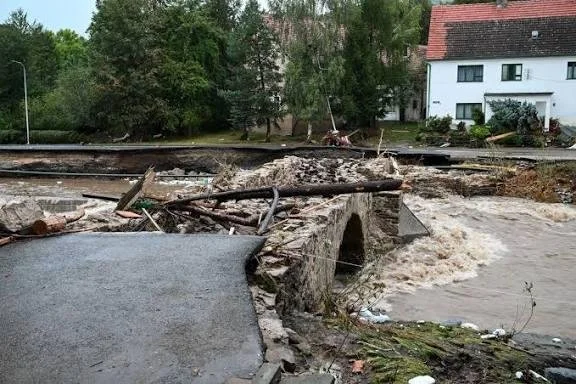
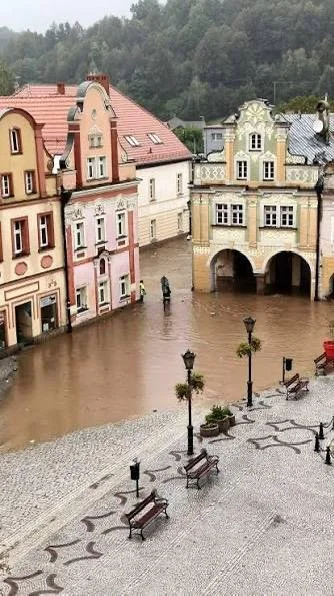
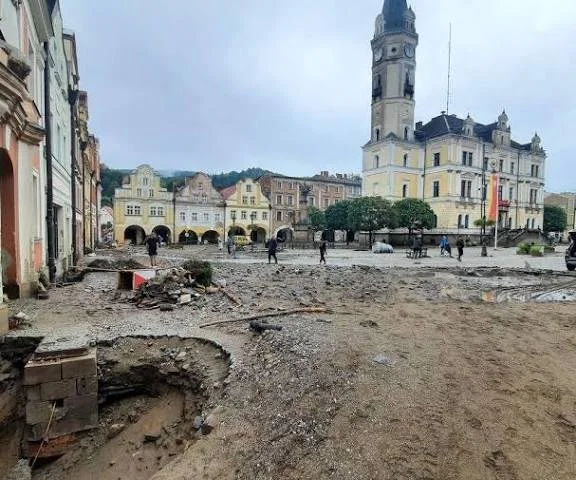
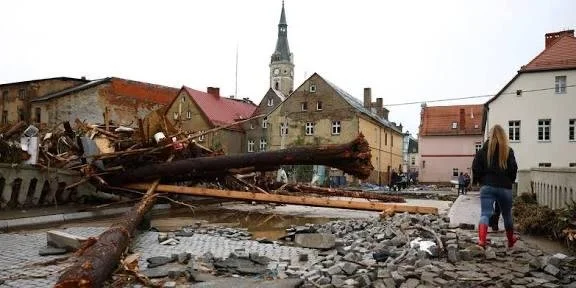
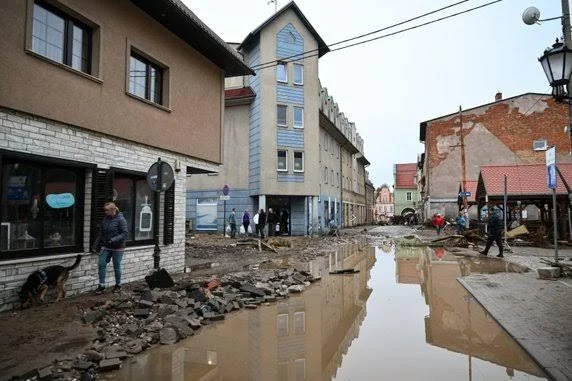
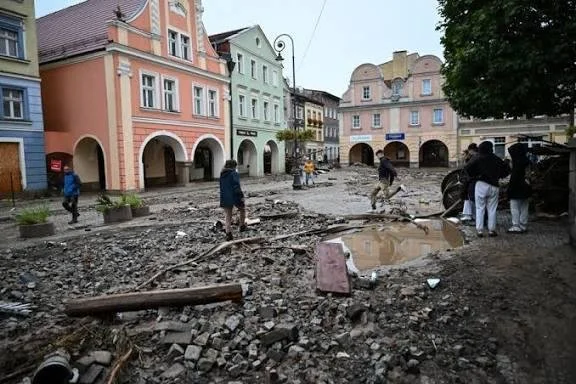
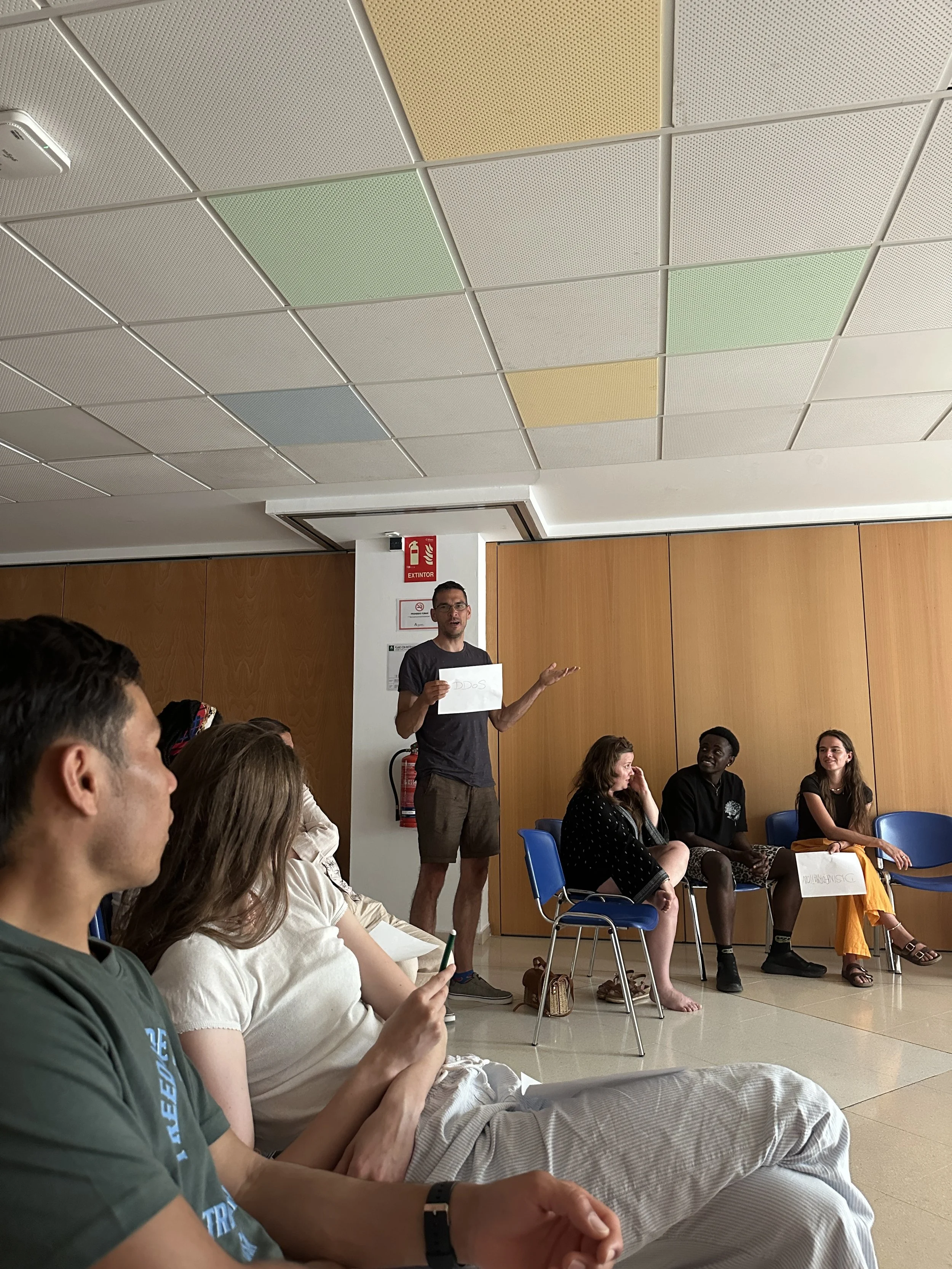
Throughout the week, participants explored different types of crises, including floods, war, earthquakes, and fires, combining theoretical discussions with practical simulations. A key moment was the field visit to Stronie Śląskie, where participants witnessed the impact of the 2024 flood and learned about the failure of the main dam that intensified the disaster. Engaging directly with local actors allowed participants to better understand both the destruction and the resilience of the community working to rebuild.
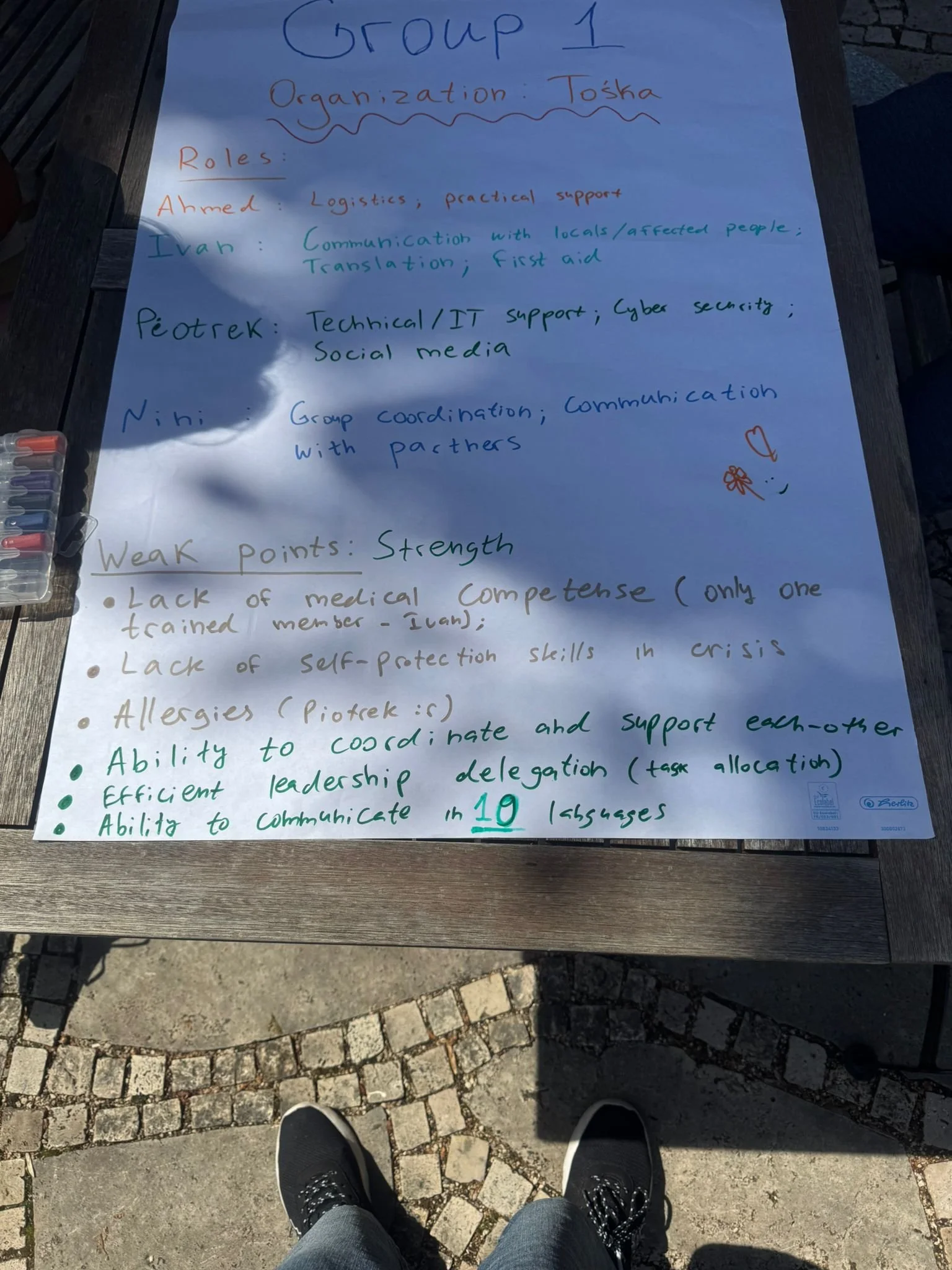
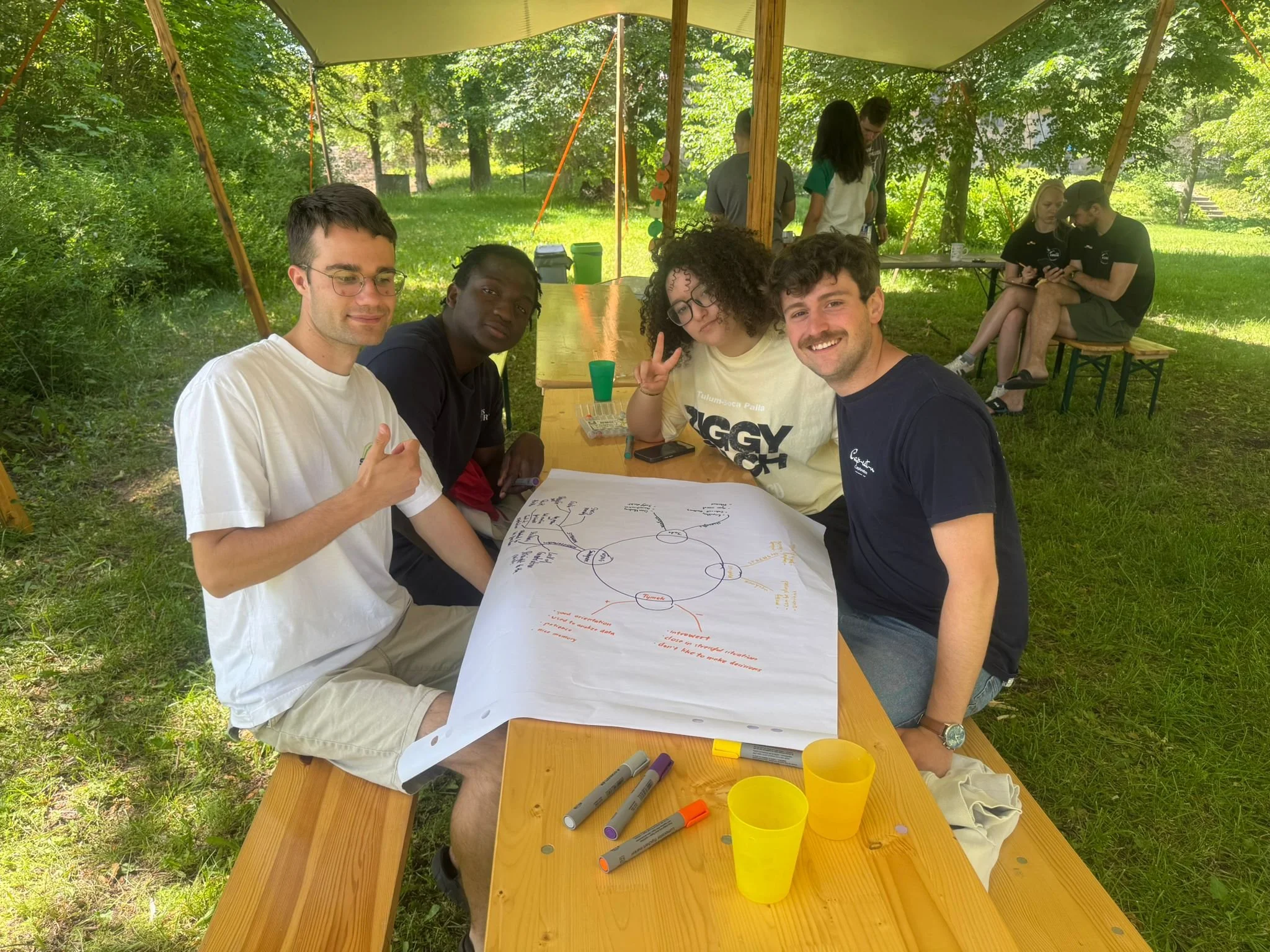
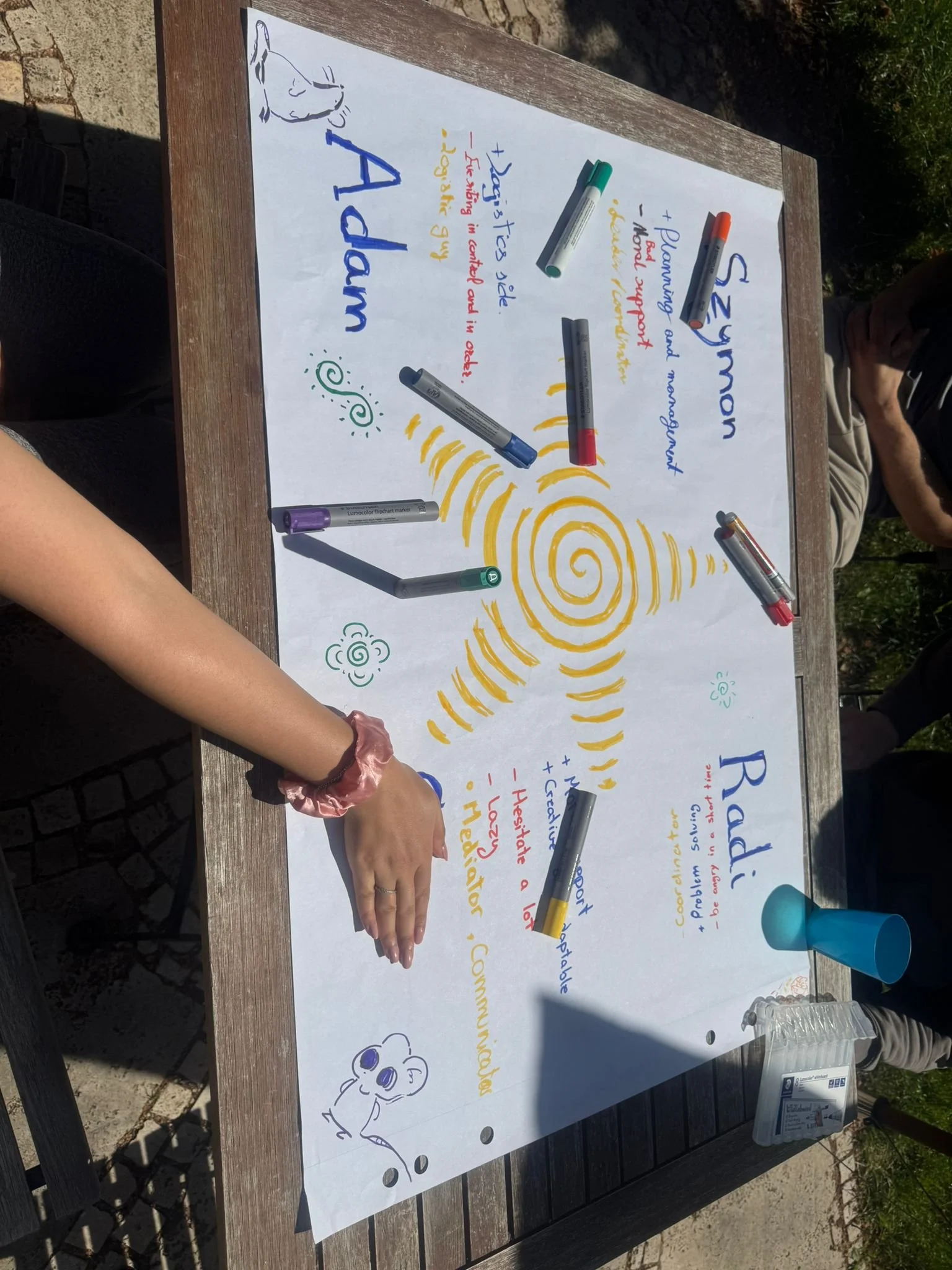
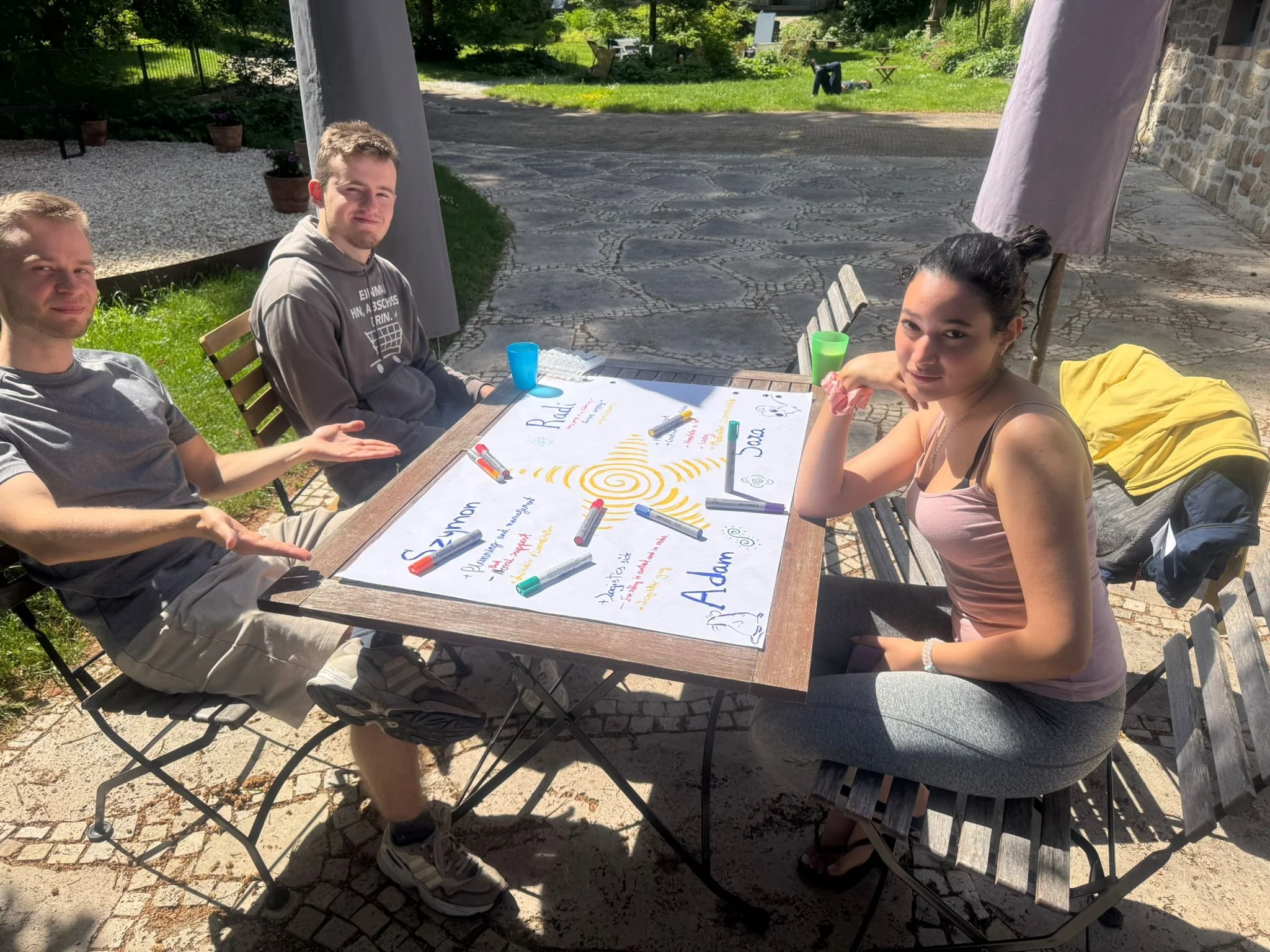
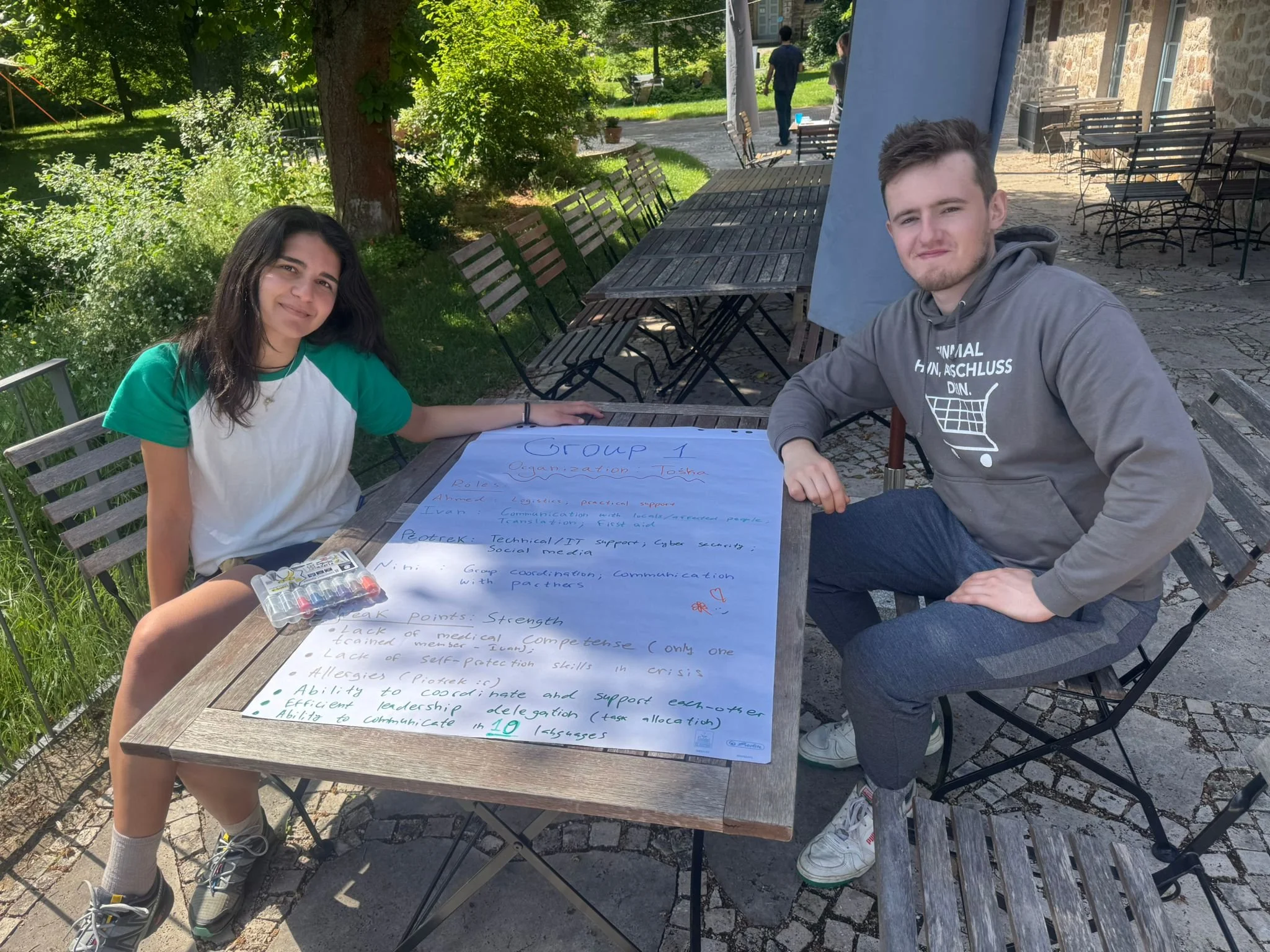
The group also developed their own humanitarian response teams, designing structured action plans, defining roles and responsibilities, and preparing crisis-response strategies. Practical first aid training further strengthened their ability to act responsibly and effectively in emergency situations.
The Study Visit successfully built knowledge, teamwork, and preparedness among participants while strengthening international cooperation between partner organisations. We now look forward to the second phase of the project next year in Spain, hosted by KAMM Artistic Europe, where we will continue building youth work responses to ecological crisis.
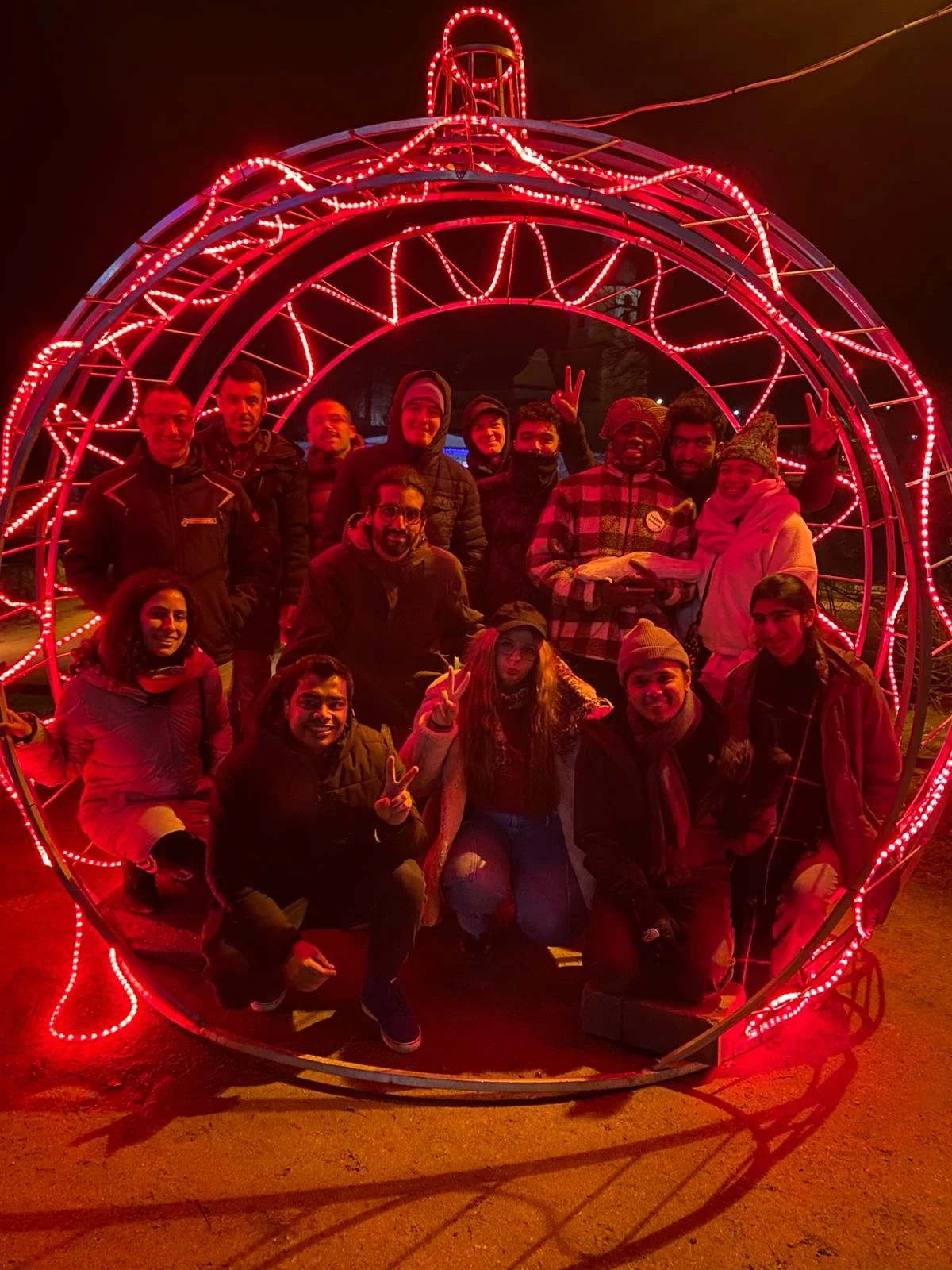
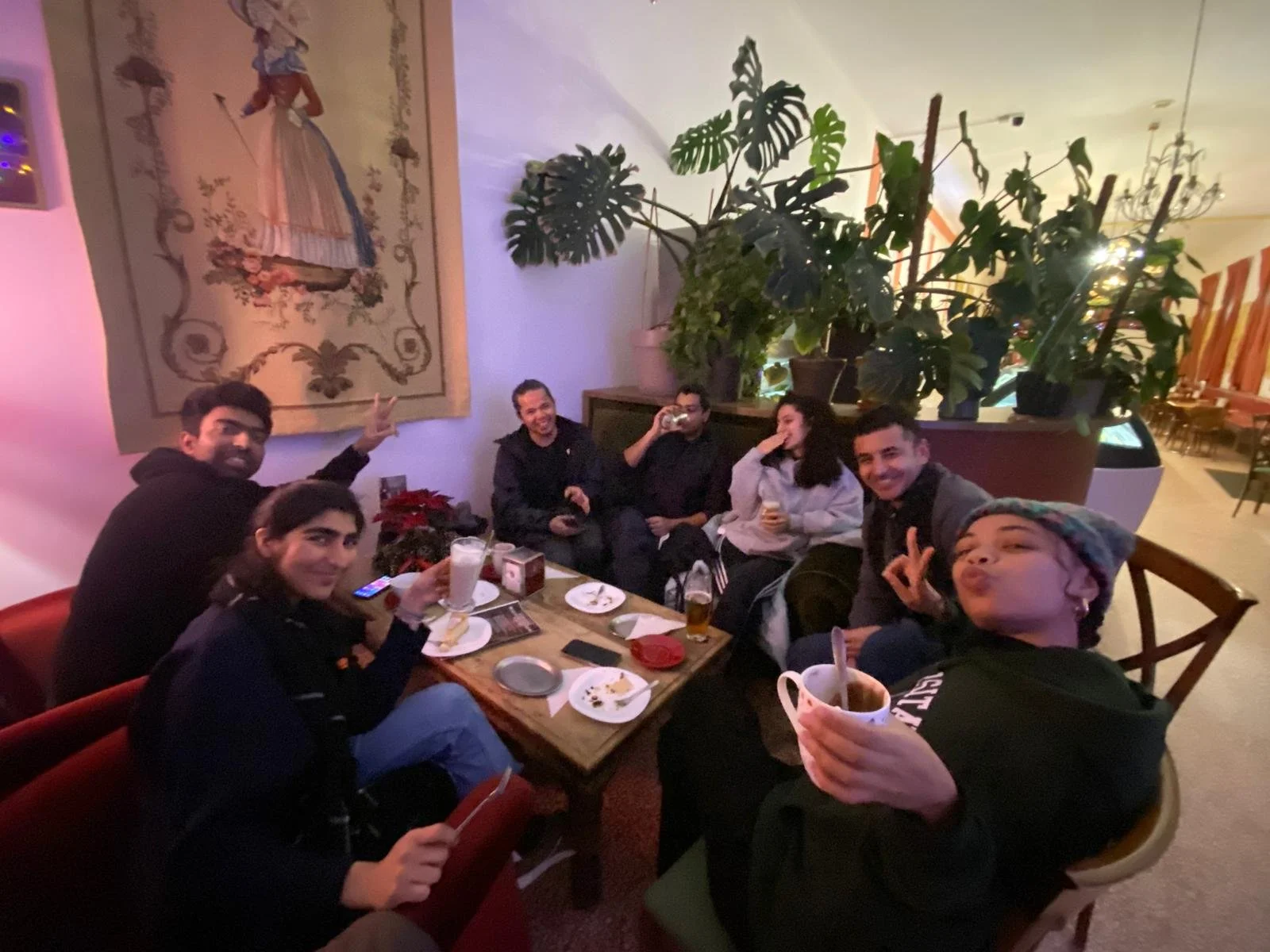
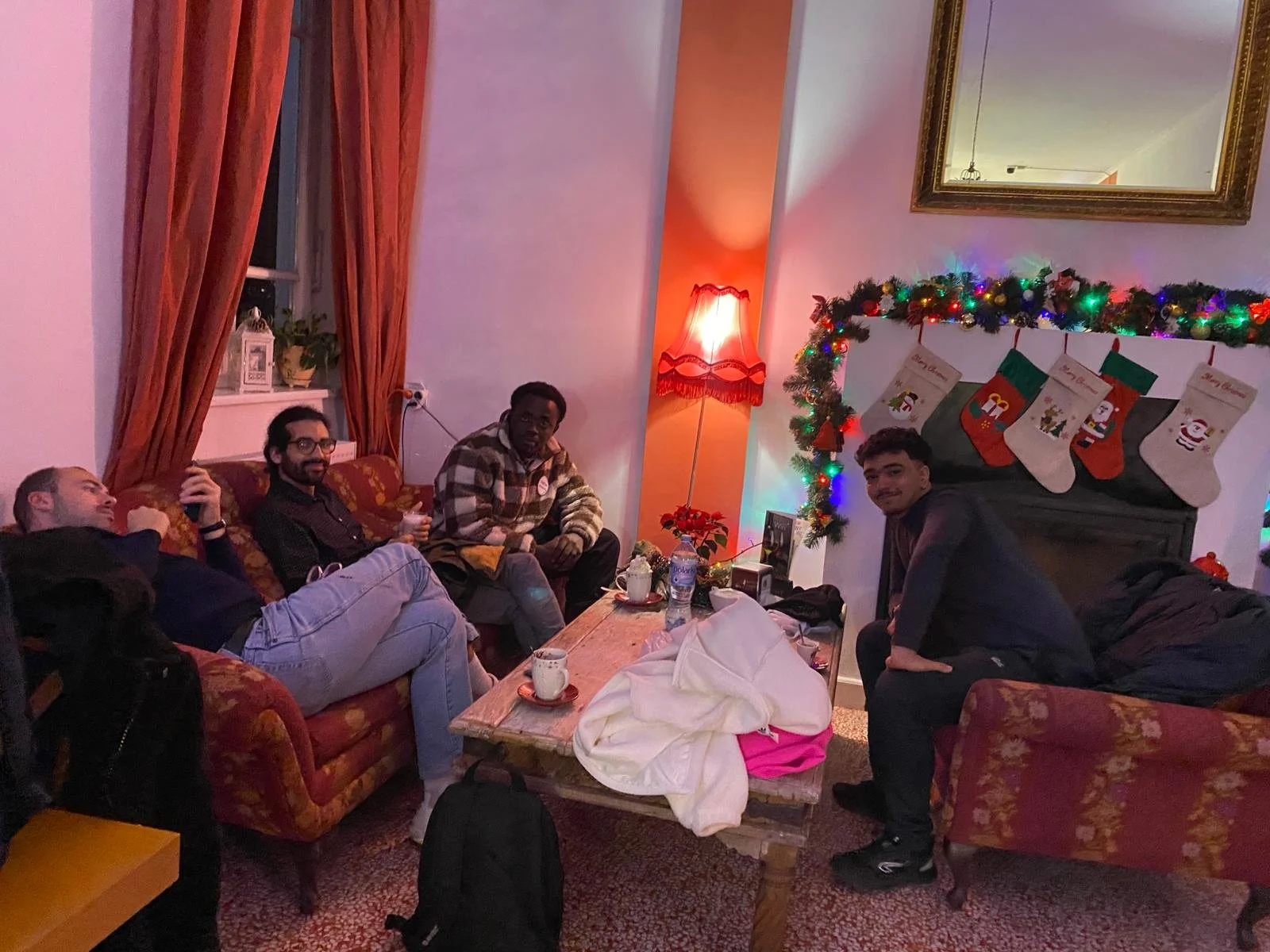
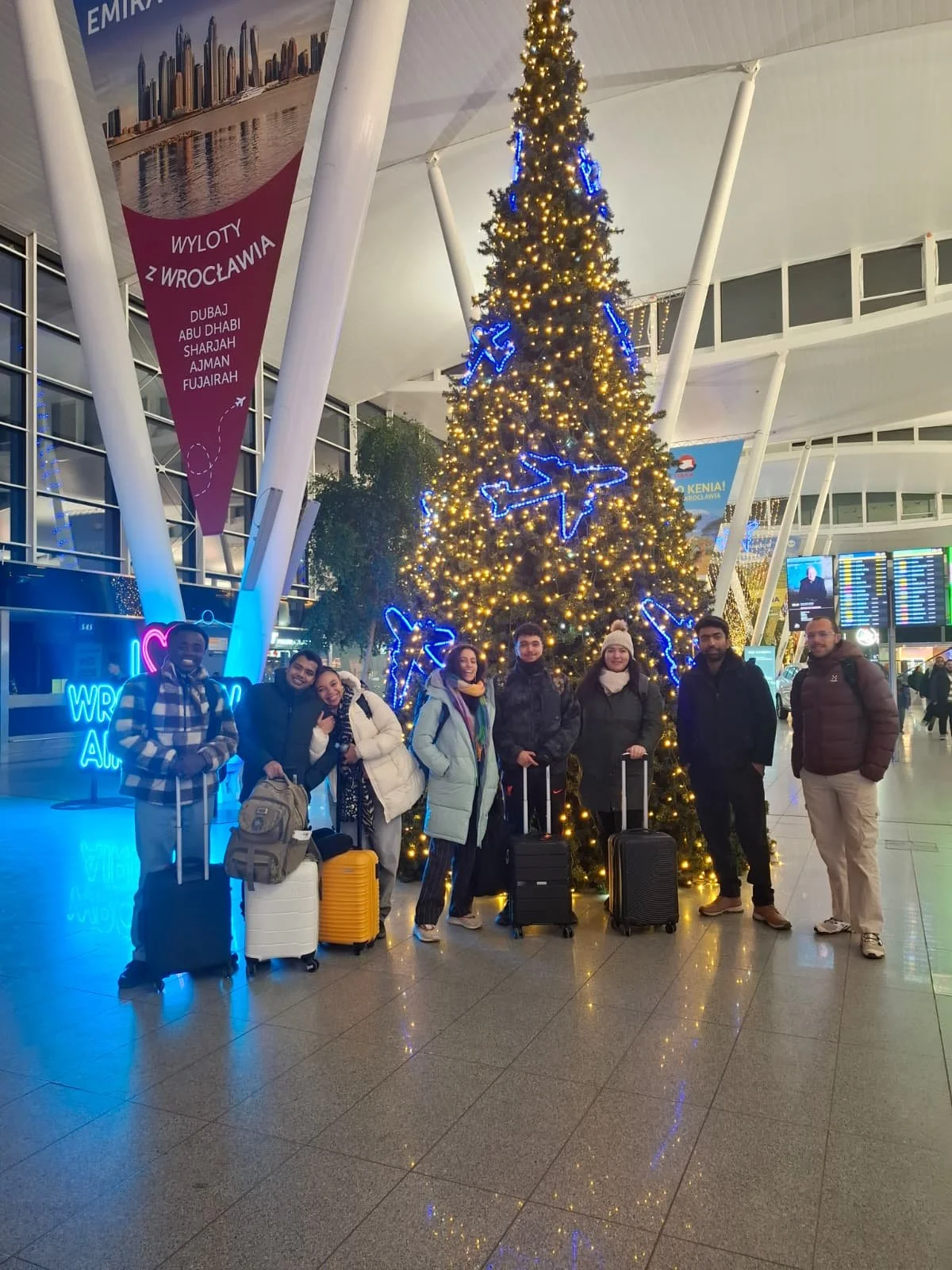
YWEC - Crossroads: Migration, Climate Crisis and Youth Engagement
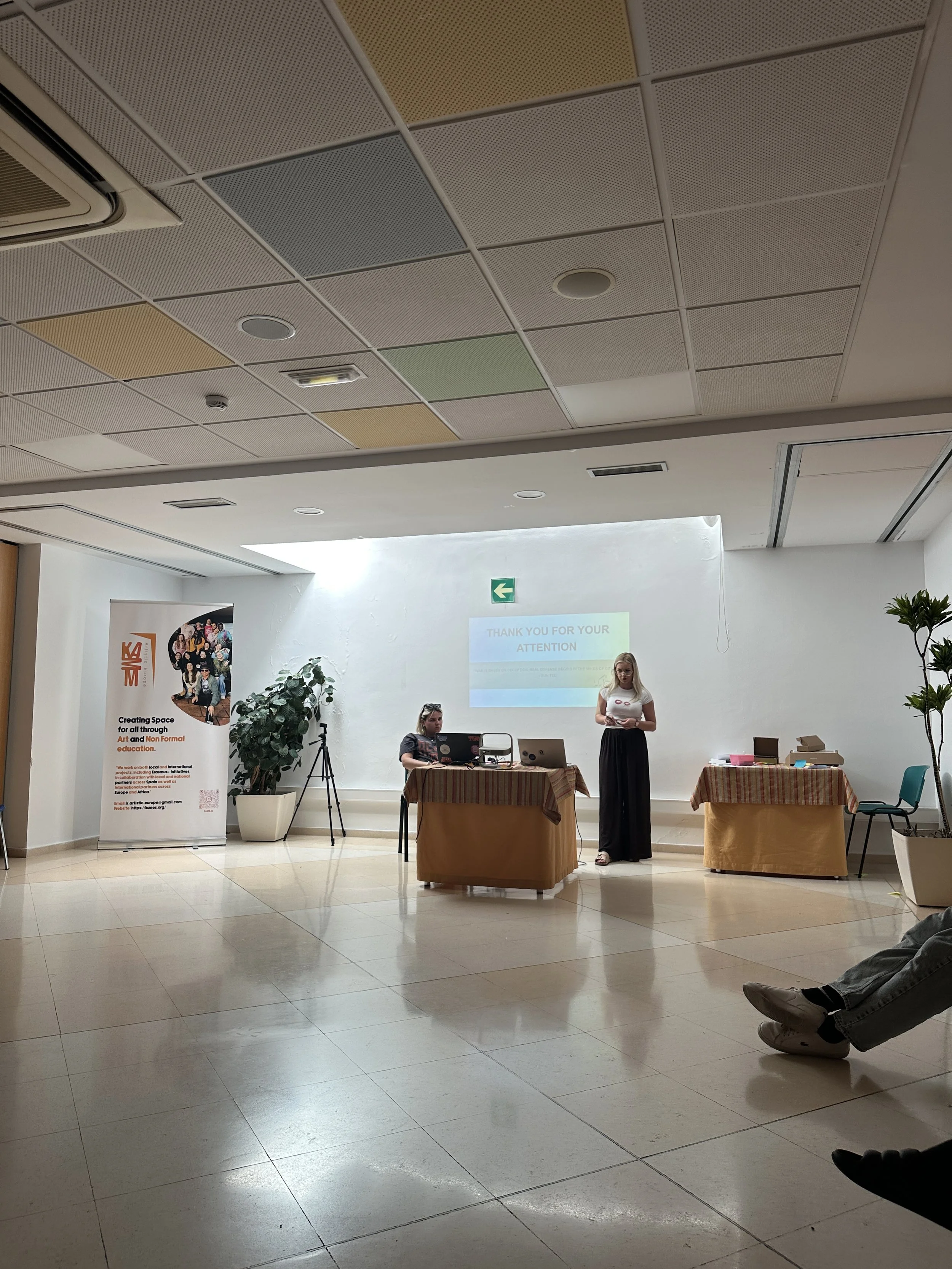
Study Visit/Training Course in Malaga – Spain
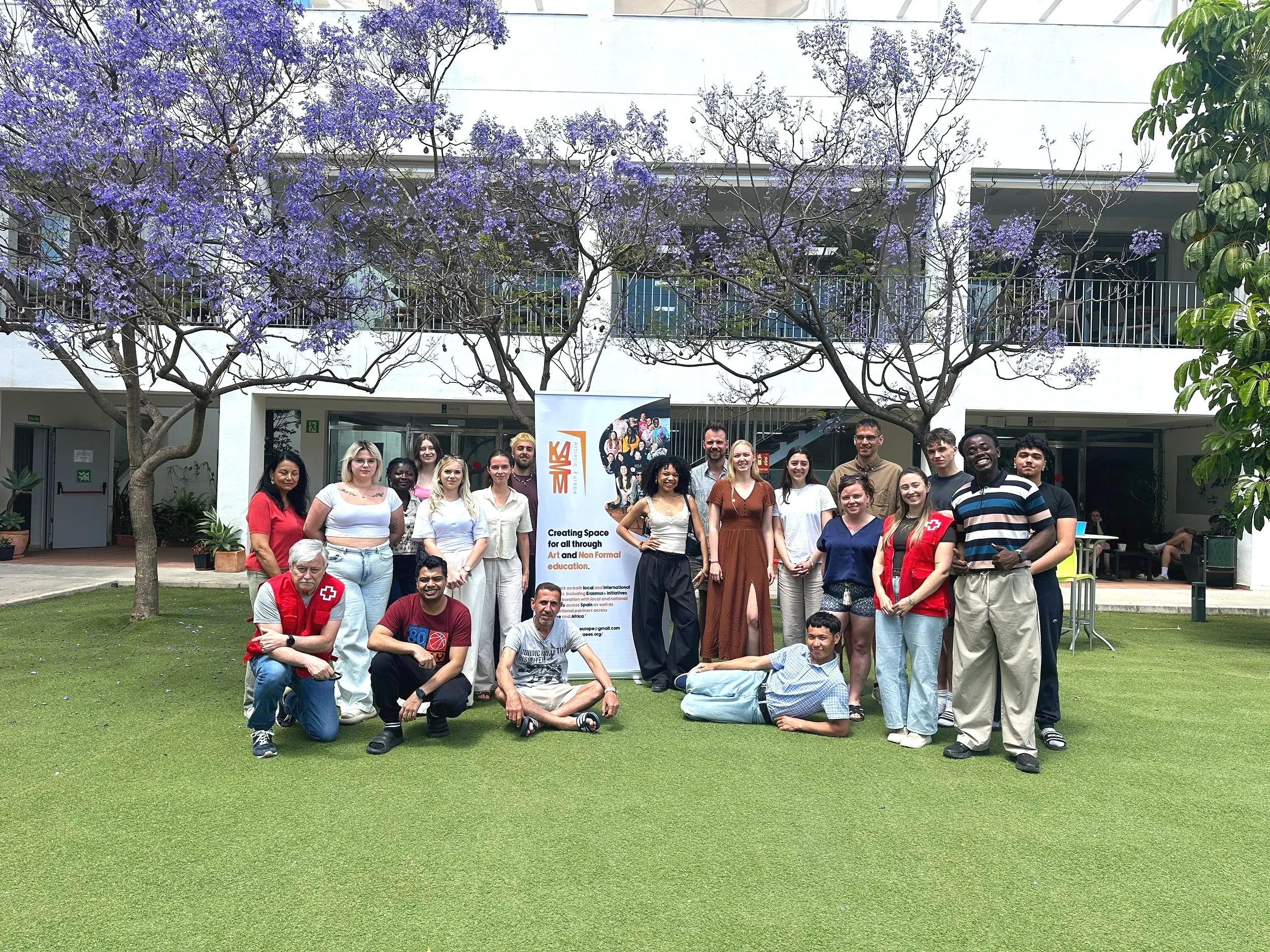
This project brings together 20 youth workers from four different countries to Torremolinos-Málaga for a study visit and training course on natural disasters such as floods, wildfires, and DANA storms and their link to migration.
Project, Overview.
¡Hello!!!
This project brings together 20 youth workers in Málaga and Torremolinos for a study visit and training focused on natural disasters such as floods, wildfires, and DANA storms and their link to migration. Located near Africa, the region offers a key context for exploring how environmental challenges contribute to human mobility.
Participants will engage with emergency responders and local authorities to learn real disaster response practices while also exploring creative and theatrical methods to support the integration of migrant communities. The project aims to strengthen youth workers’ capacity to respond to crises and promote inclusive, resilient communities.
The Main Objective
To strengthen the capacity of youth workers to respond effectively to natural disasters and migration-related challenges by equipping them with practical knowledge of disaster response, fostering collaboration with local stakeholders, and applying creative and theatrical methods to support the integration and resilience of migrant and local communities.
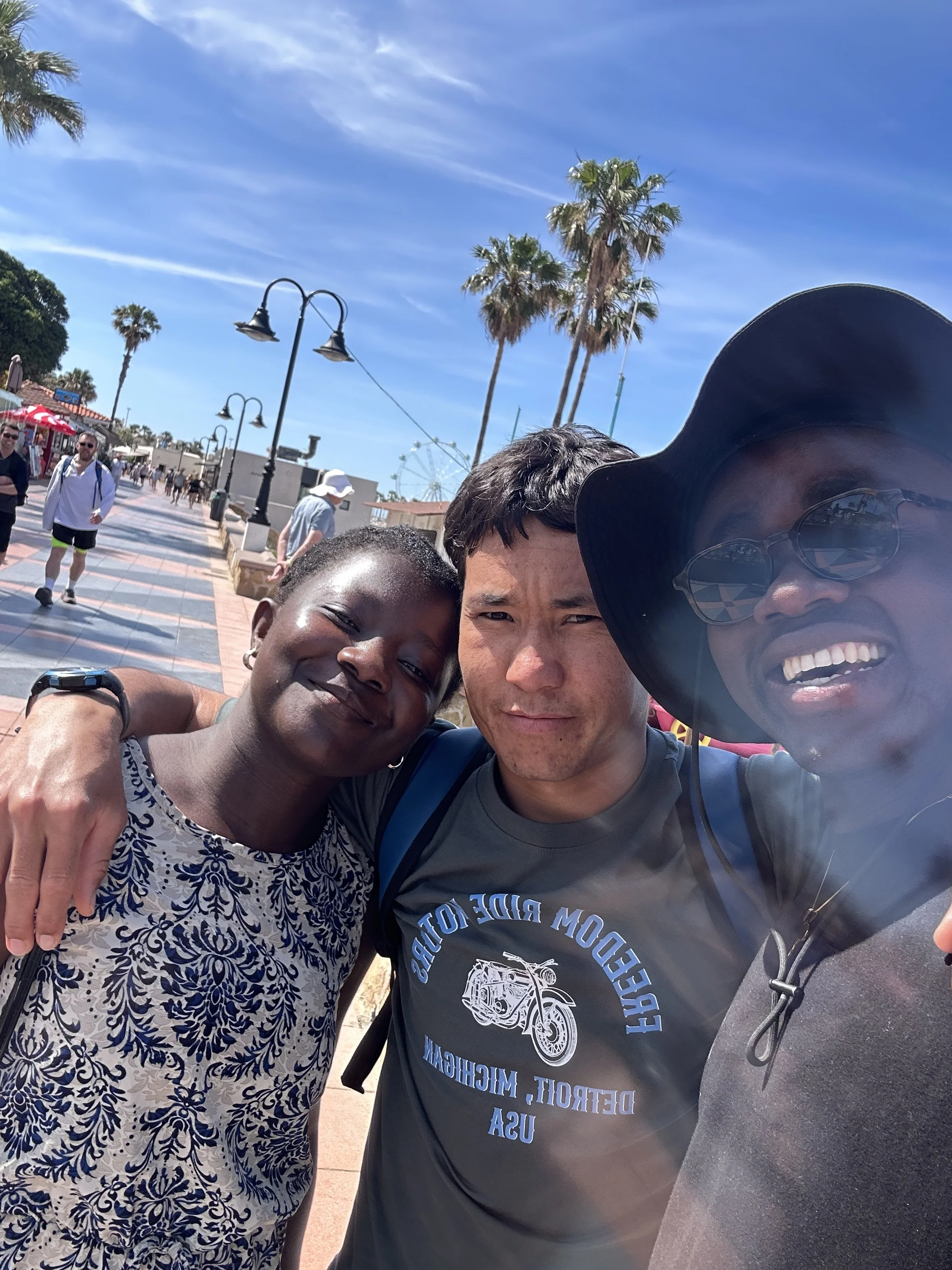
Tourist Attractions in Torremolinos
-
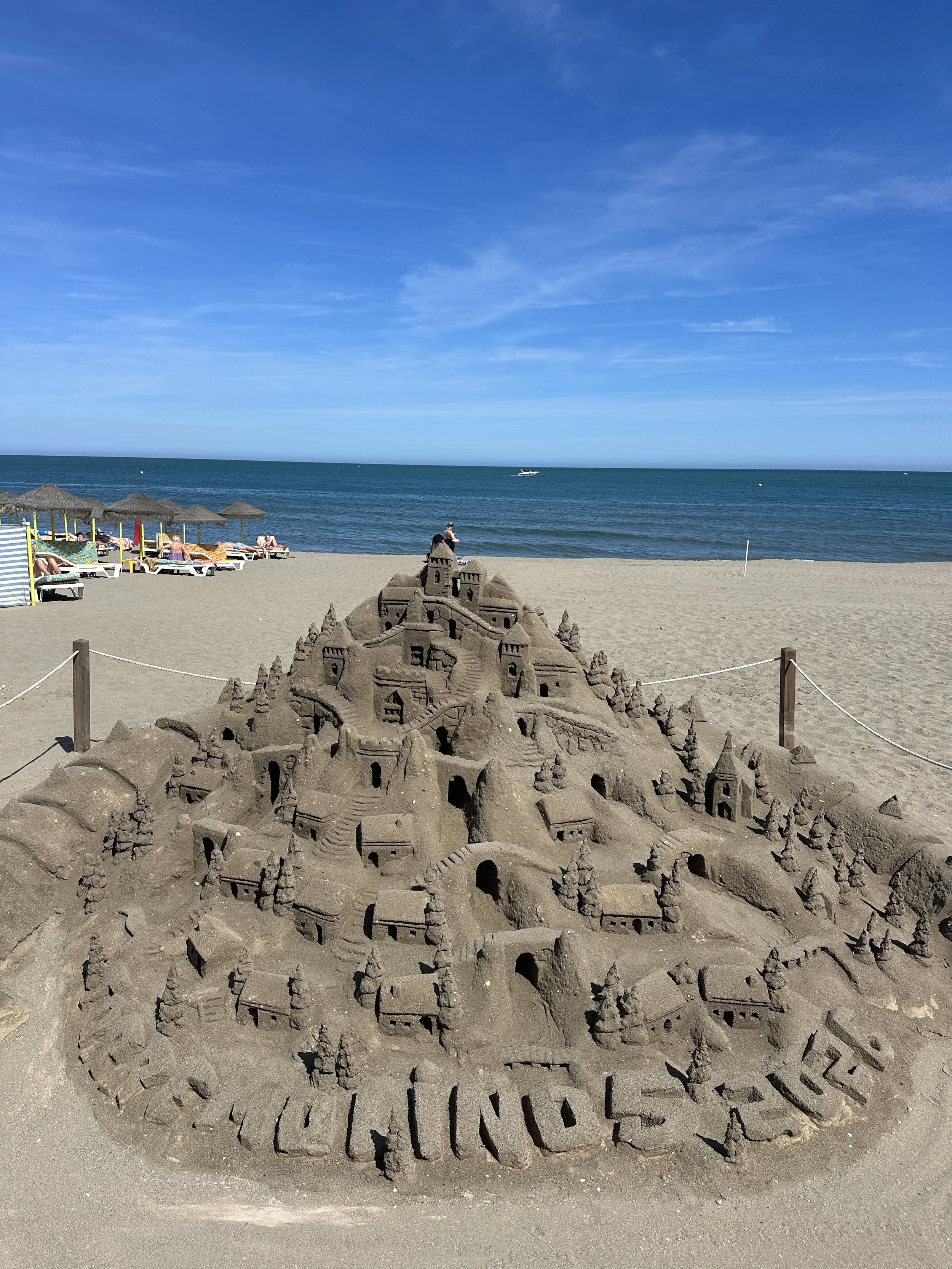
La Carihuela Beach – Just a few minutes’ walk from the hostel, this beach is renowned for its lively promenade, local seafood restaurants (chiringuitos), and Mediterranean vibe.
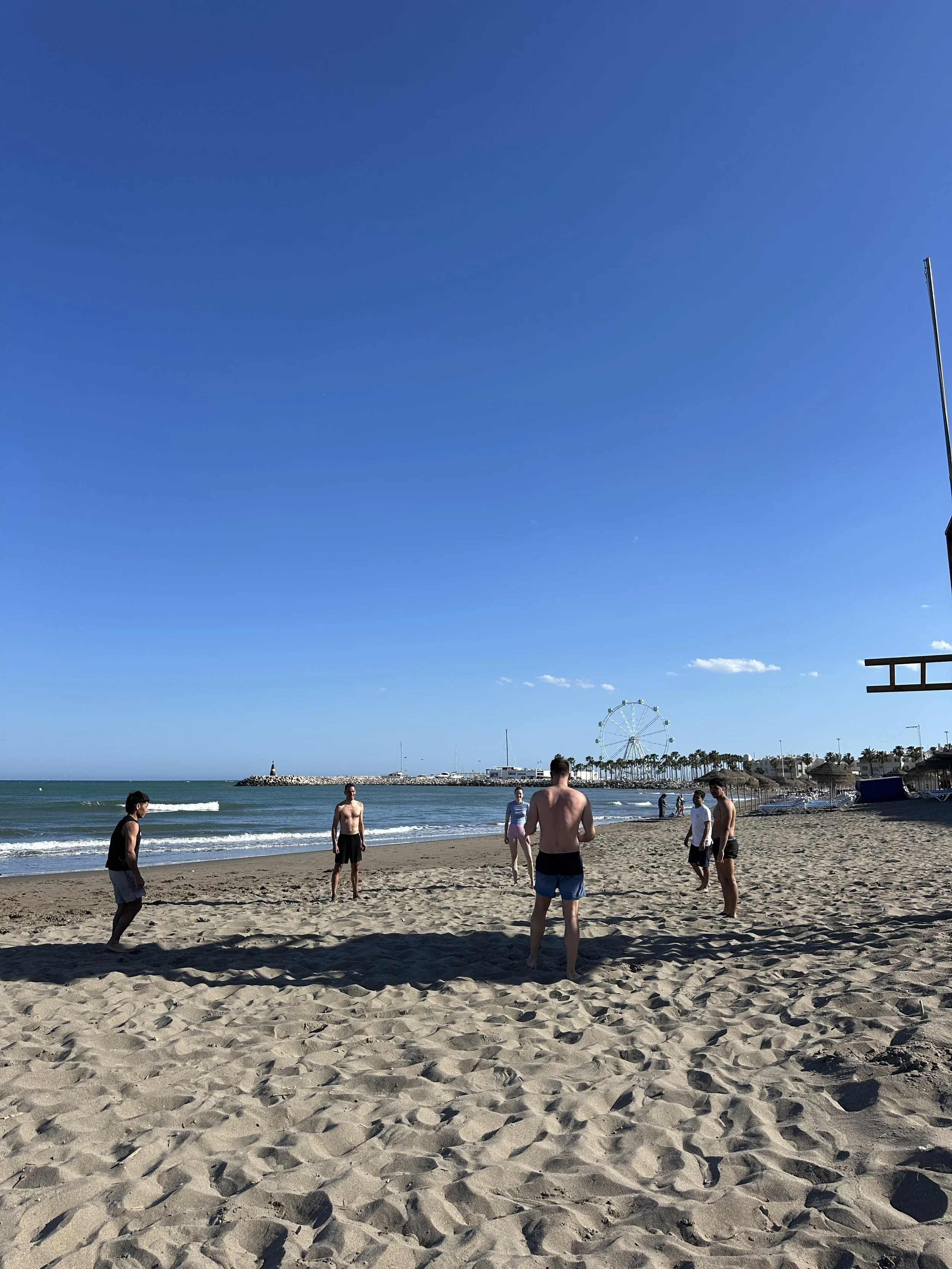
Torremolinos Beach – The main town beach is also very close, perfect for relaxation, group activities, or sunset walks.
-
Nature & Relaxation
Parque de la Batería – About a 15–20 minute walk. A beautiful park with walking paths, lakes, and a historic watchtower. Ideal for reflection, outdoor games, or team activities.
-
Casa de los Navajas – Around 20–25 minutes on foot along the coastline. A historic mansion with beautiful architecture and gardens.
Torre del Mirador – A short walk from the beach promenade, this historic tower offers scenic views of the coast.
Study Visit / Training Course Update.
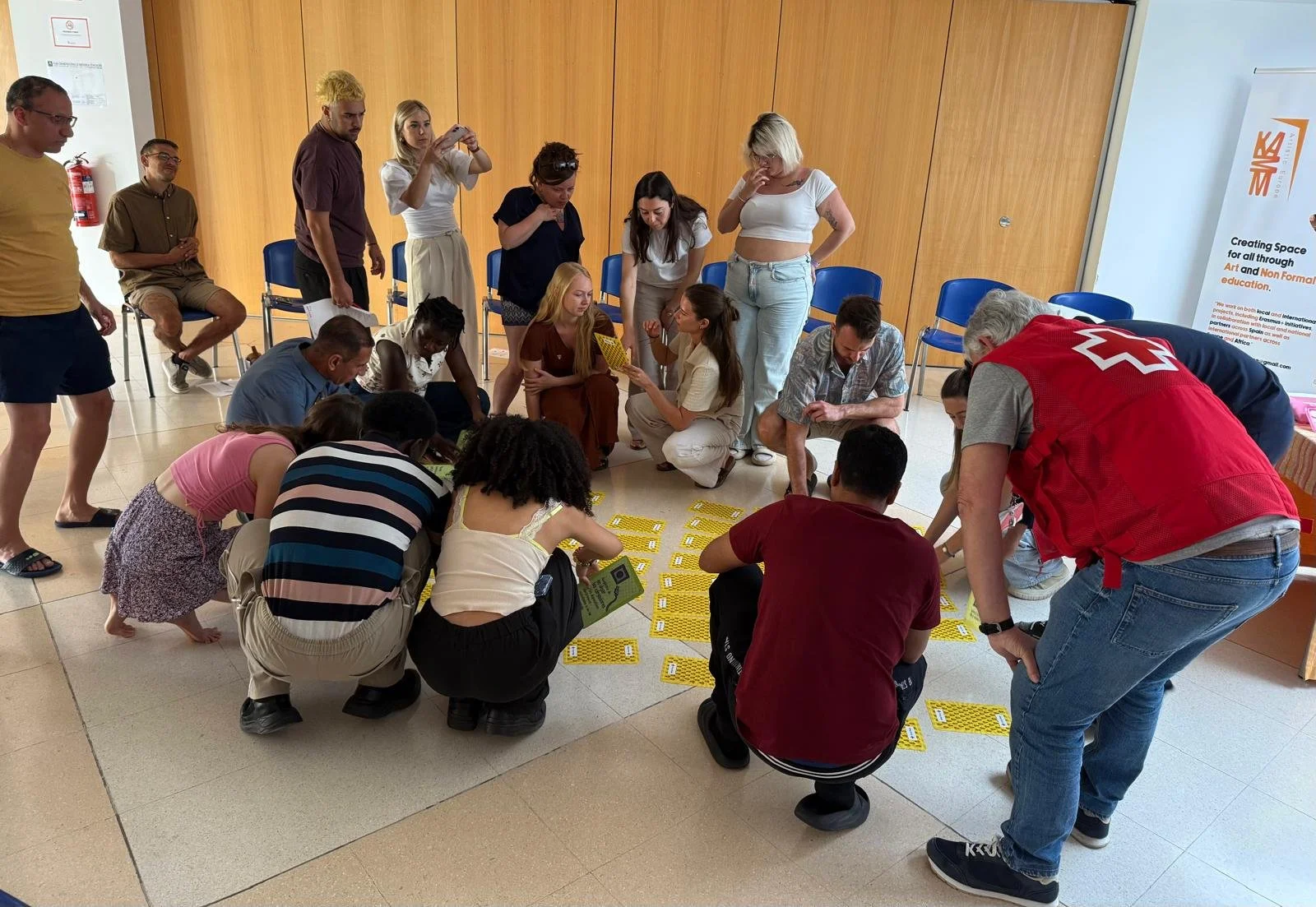
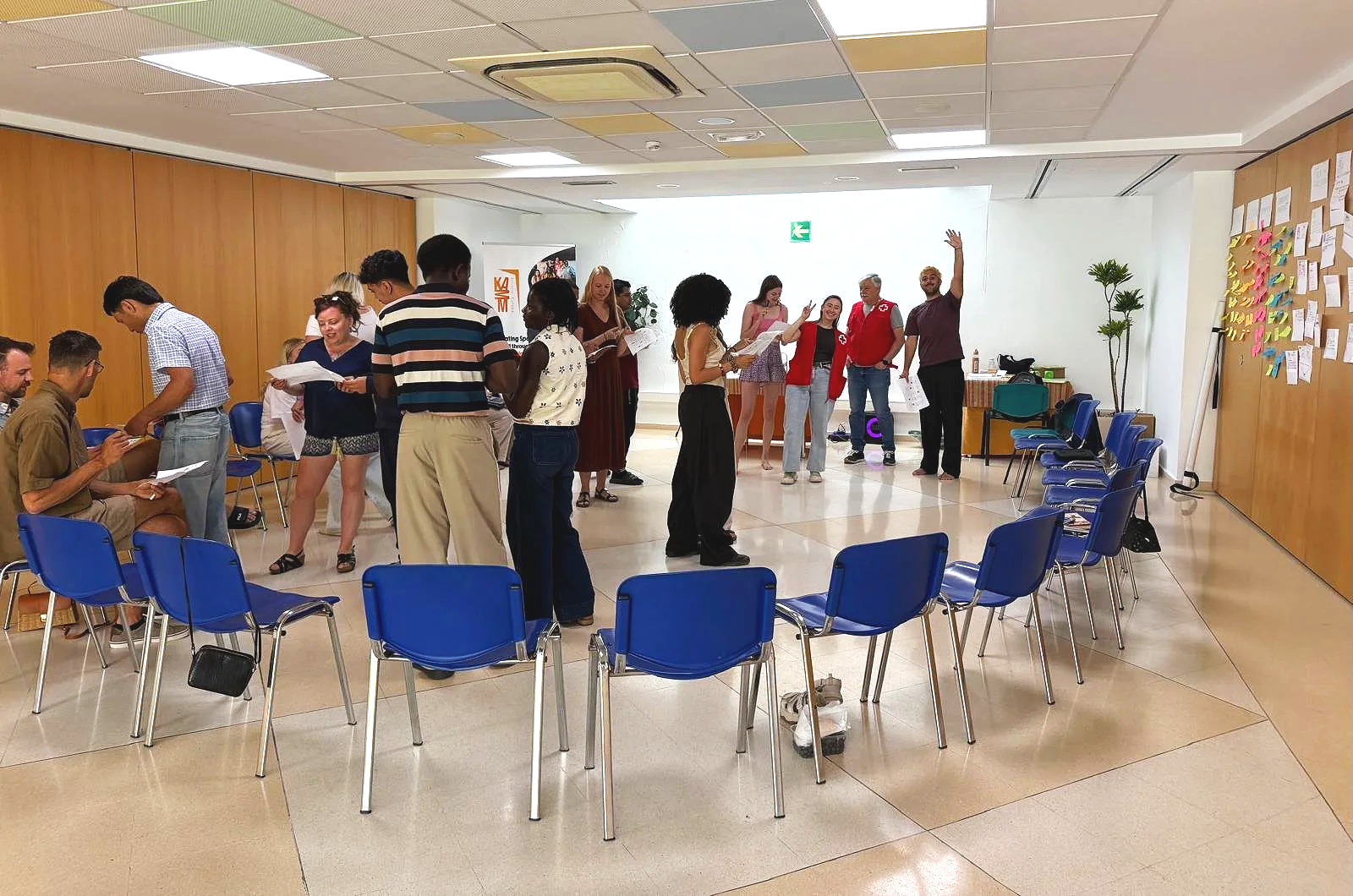
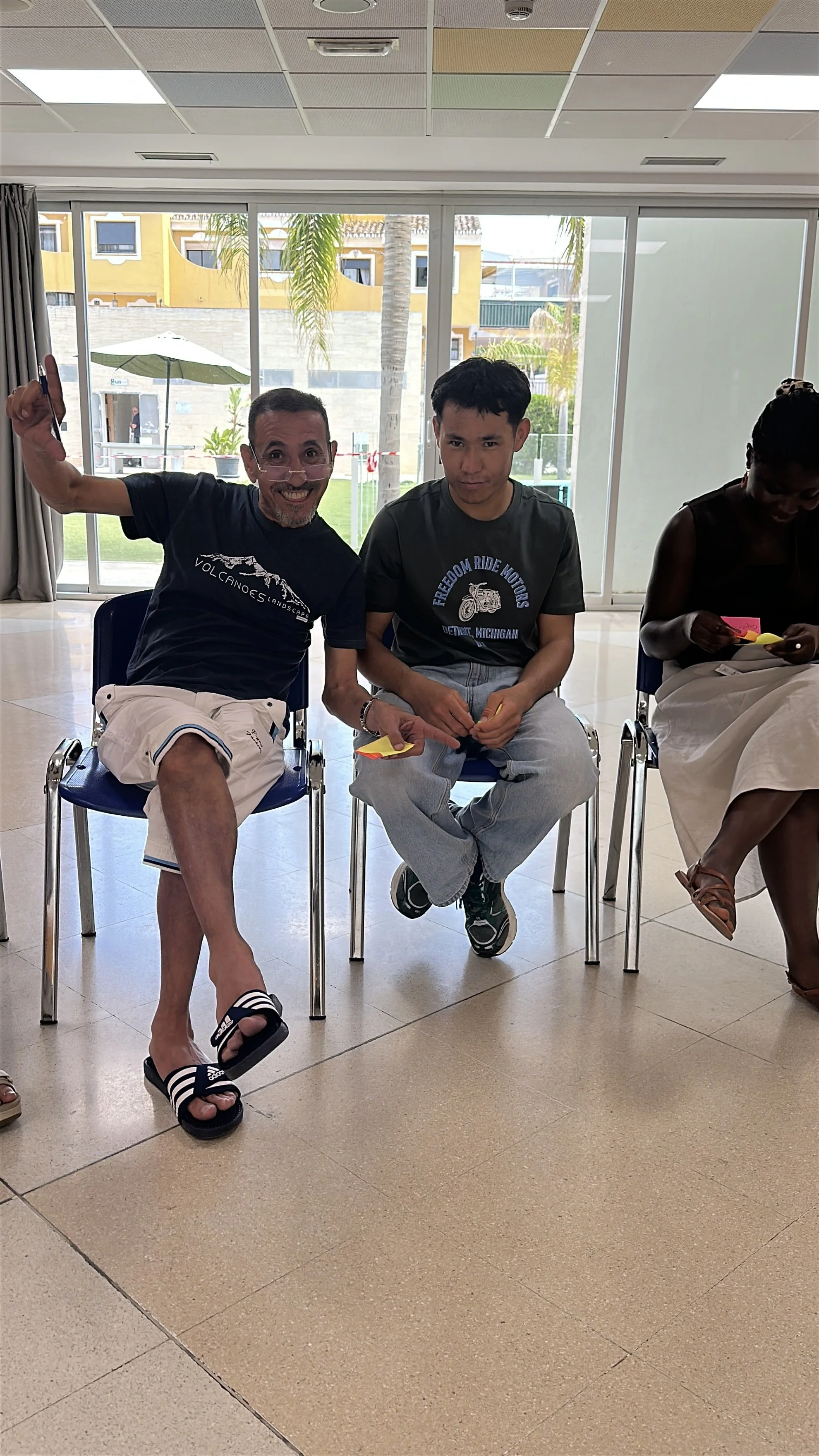
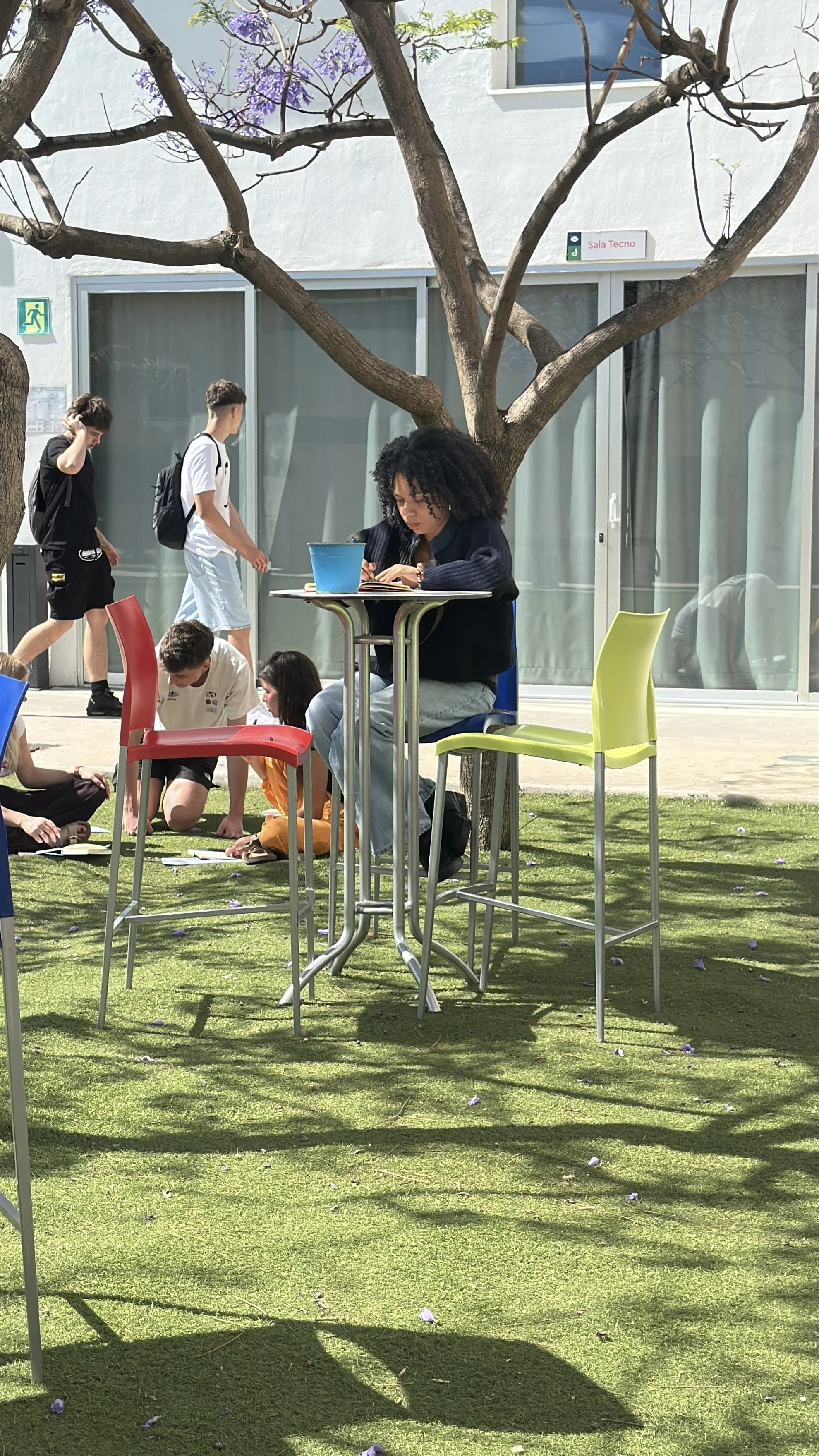
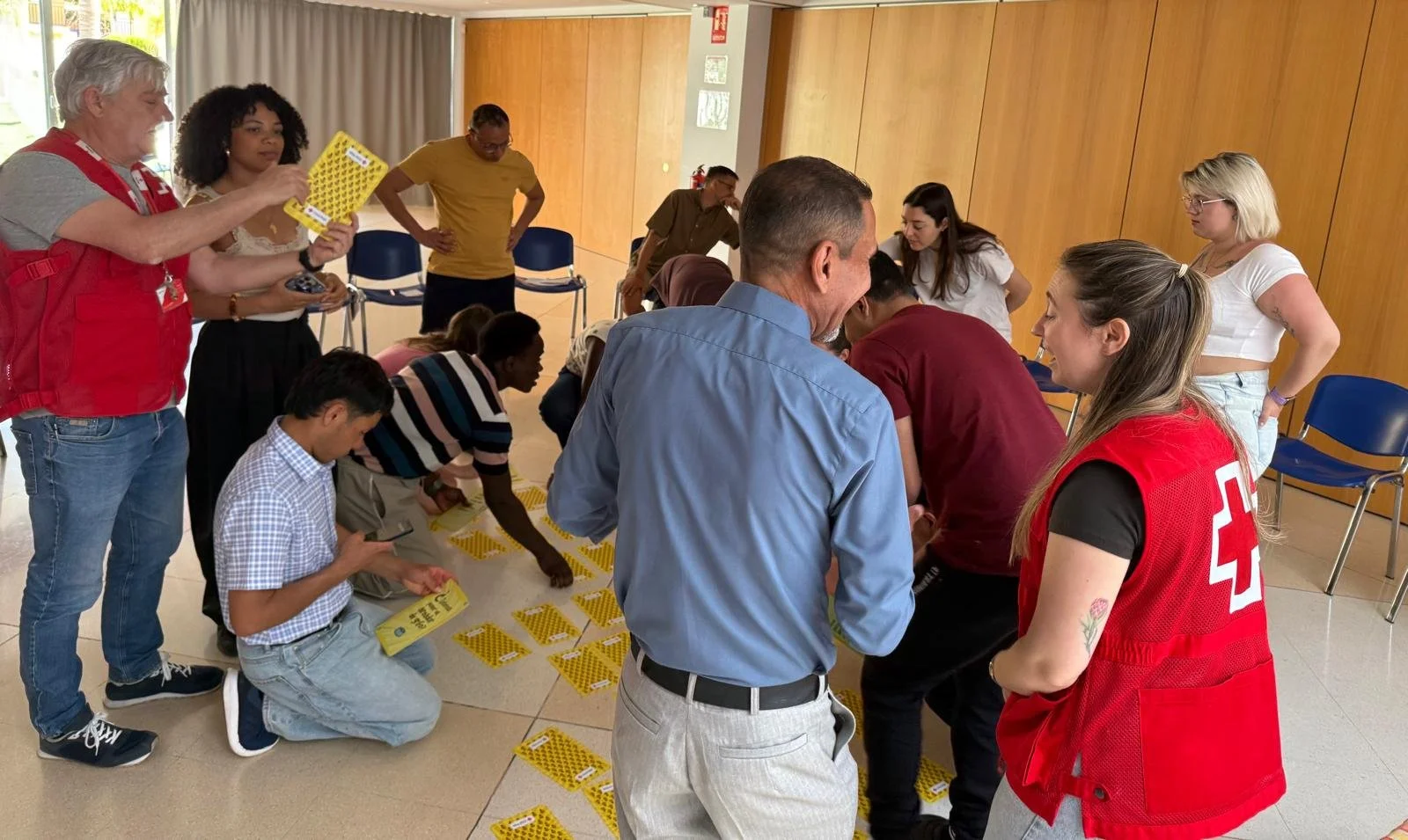
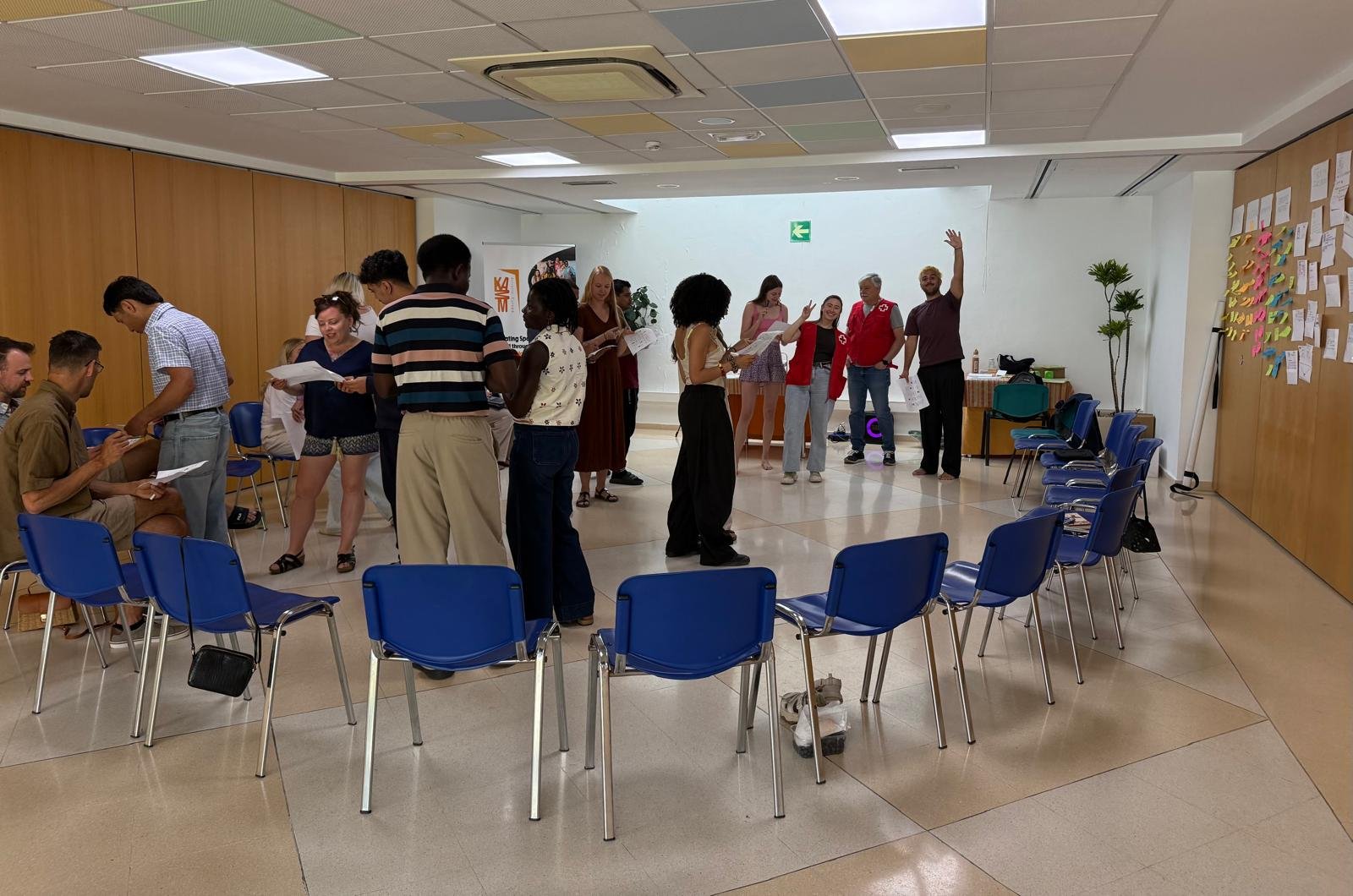
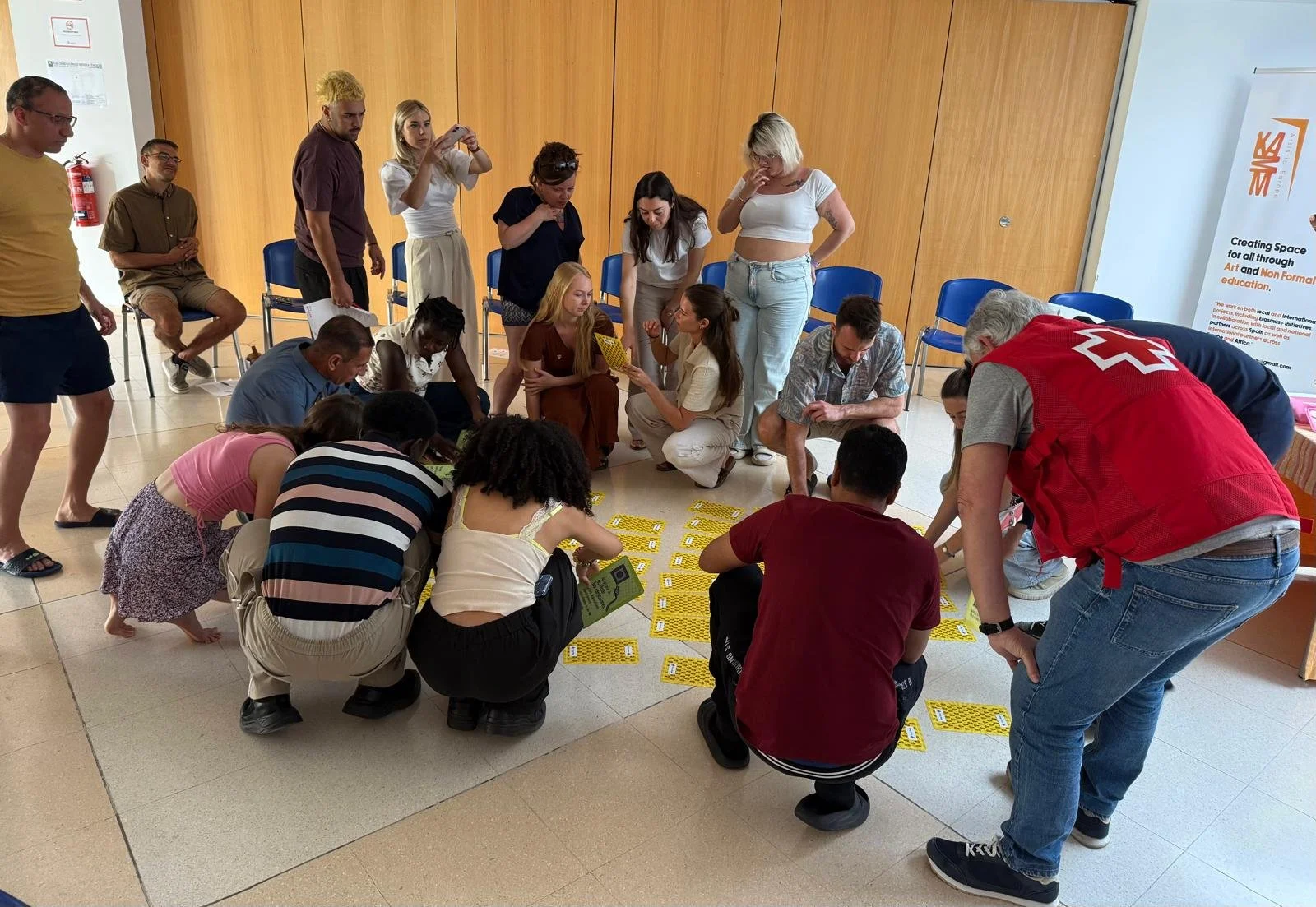
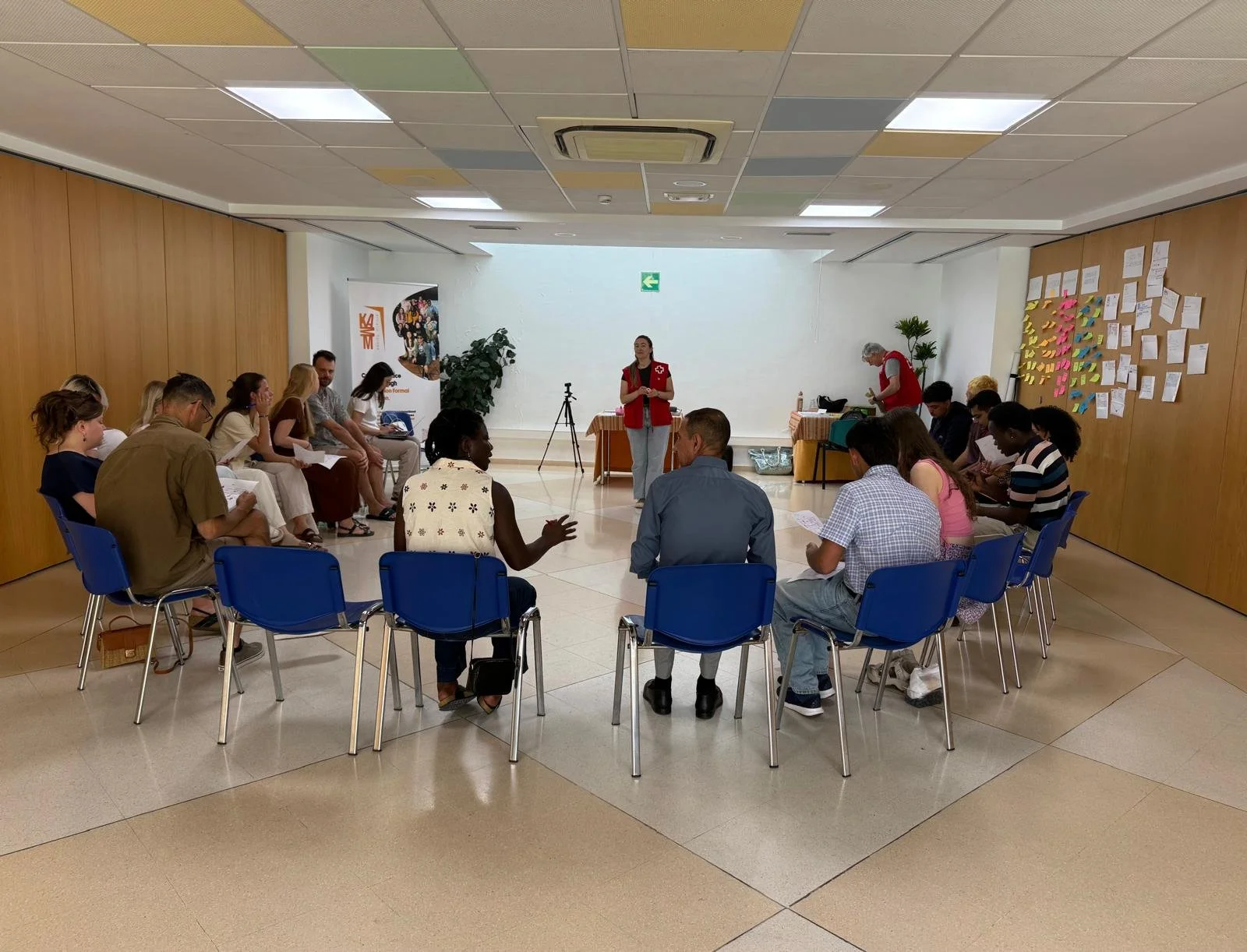
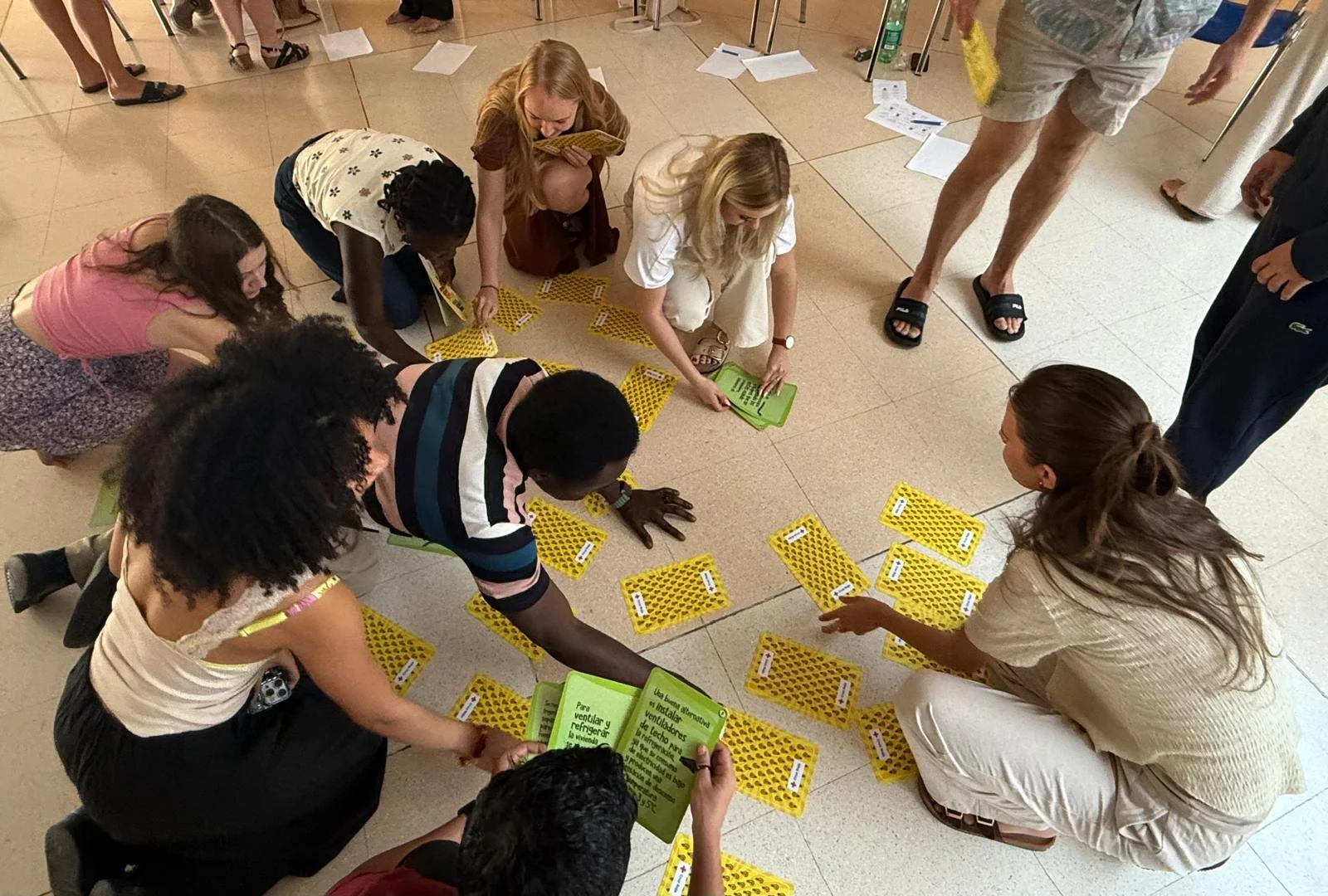
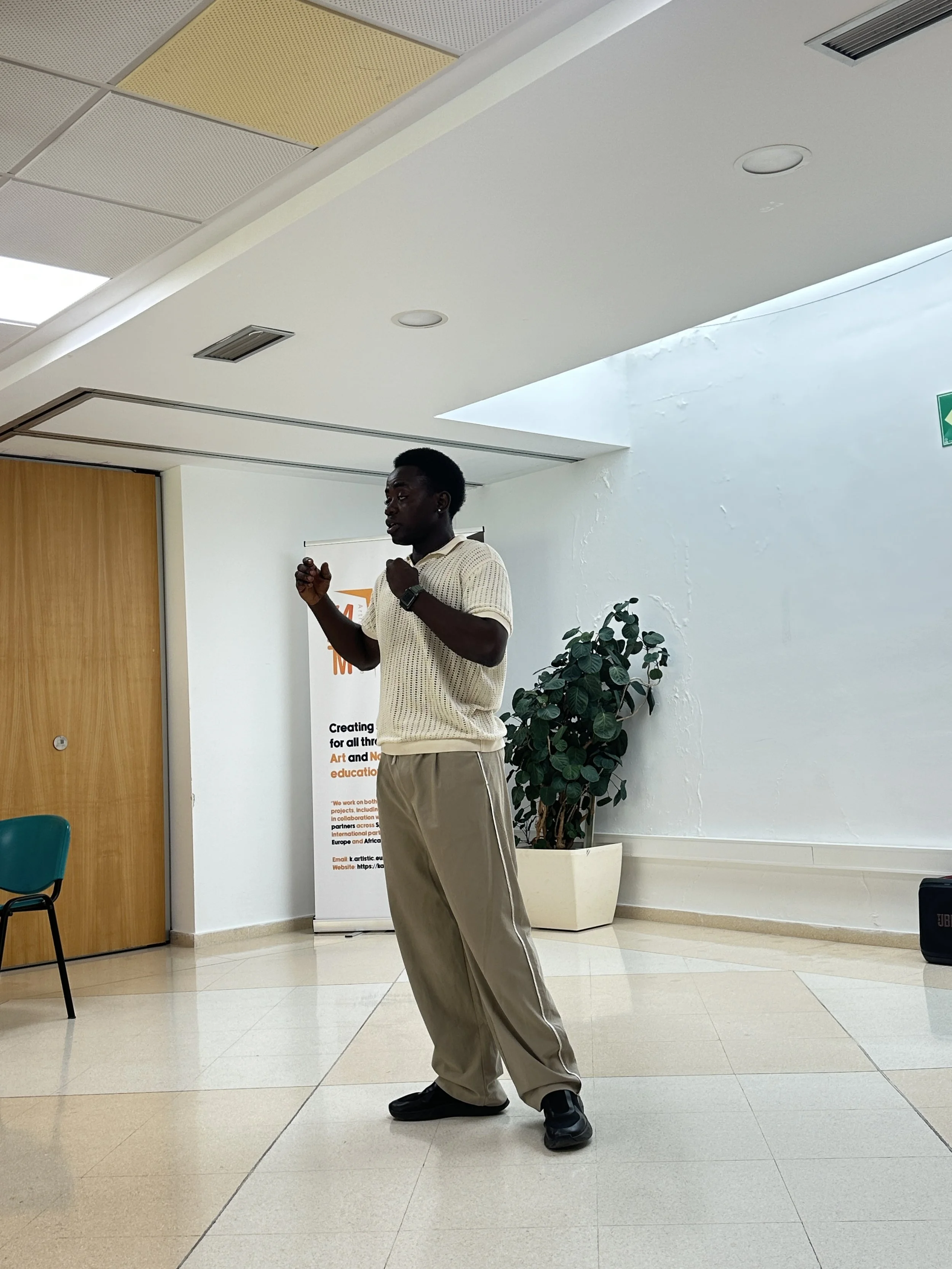
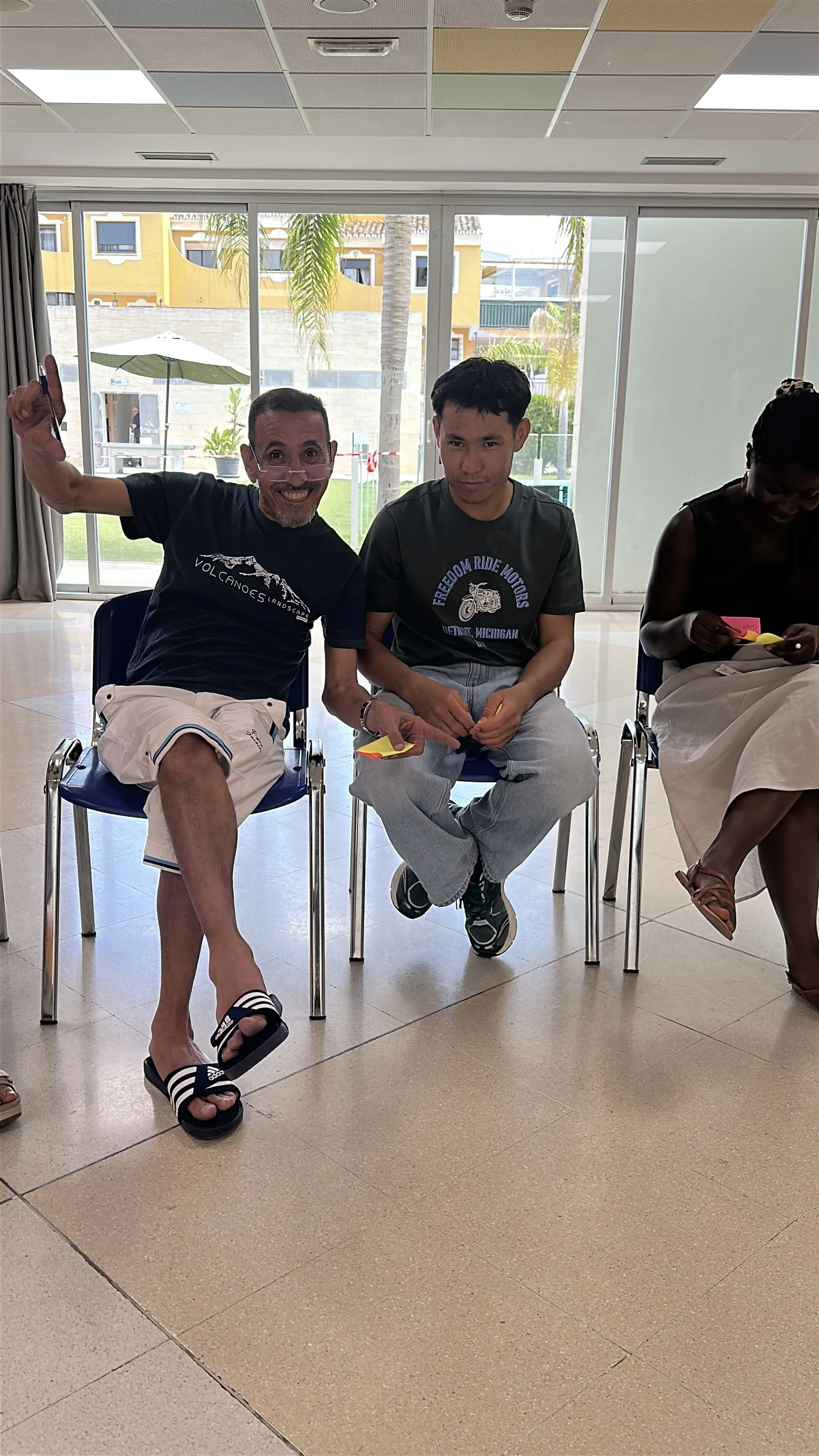
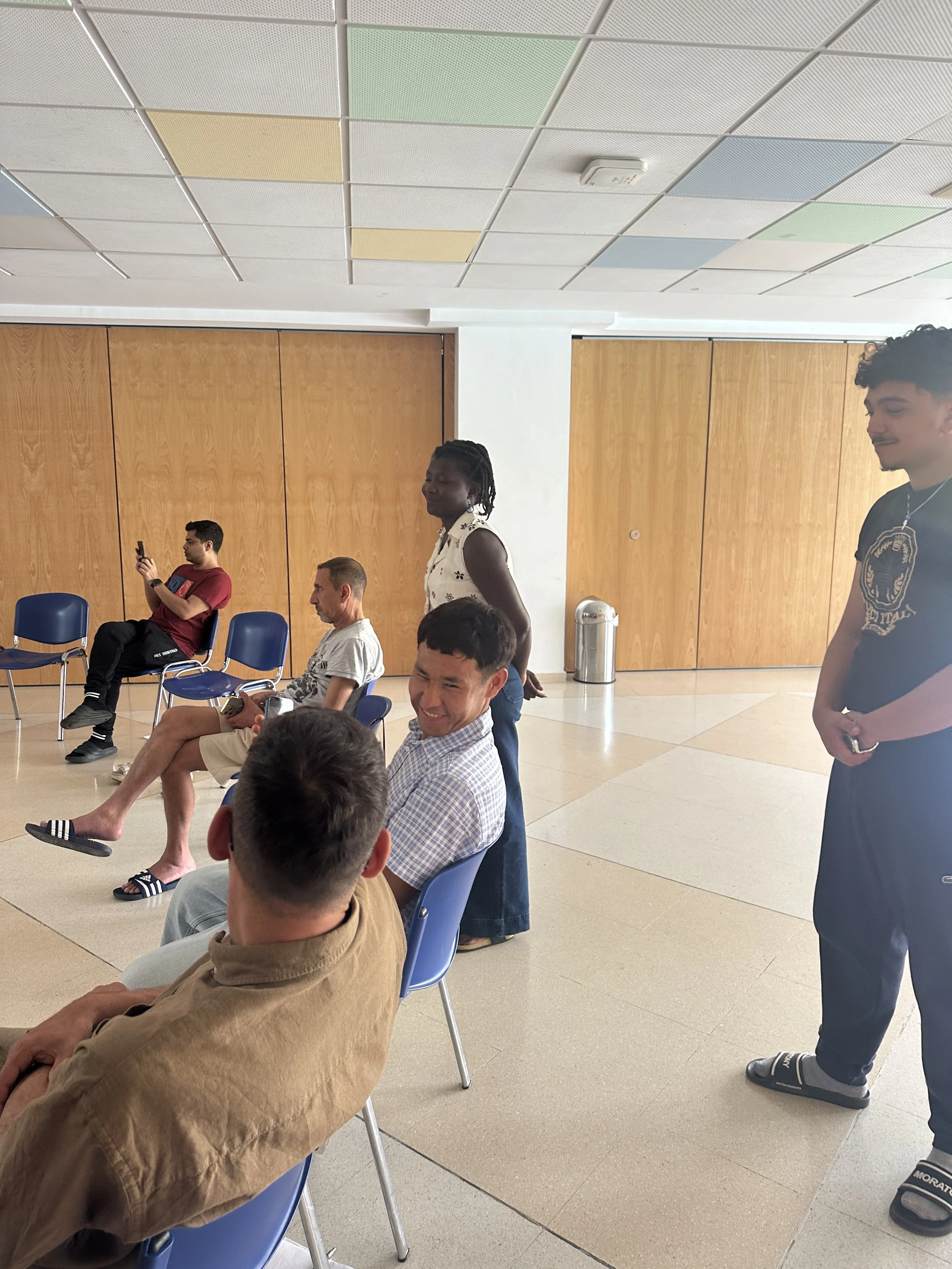
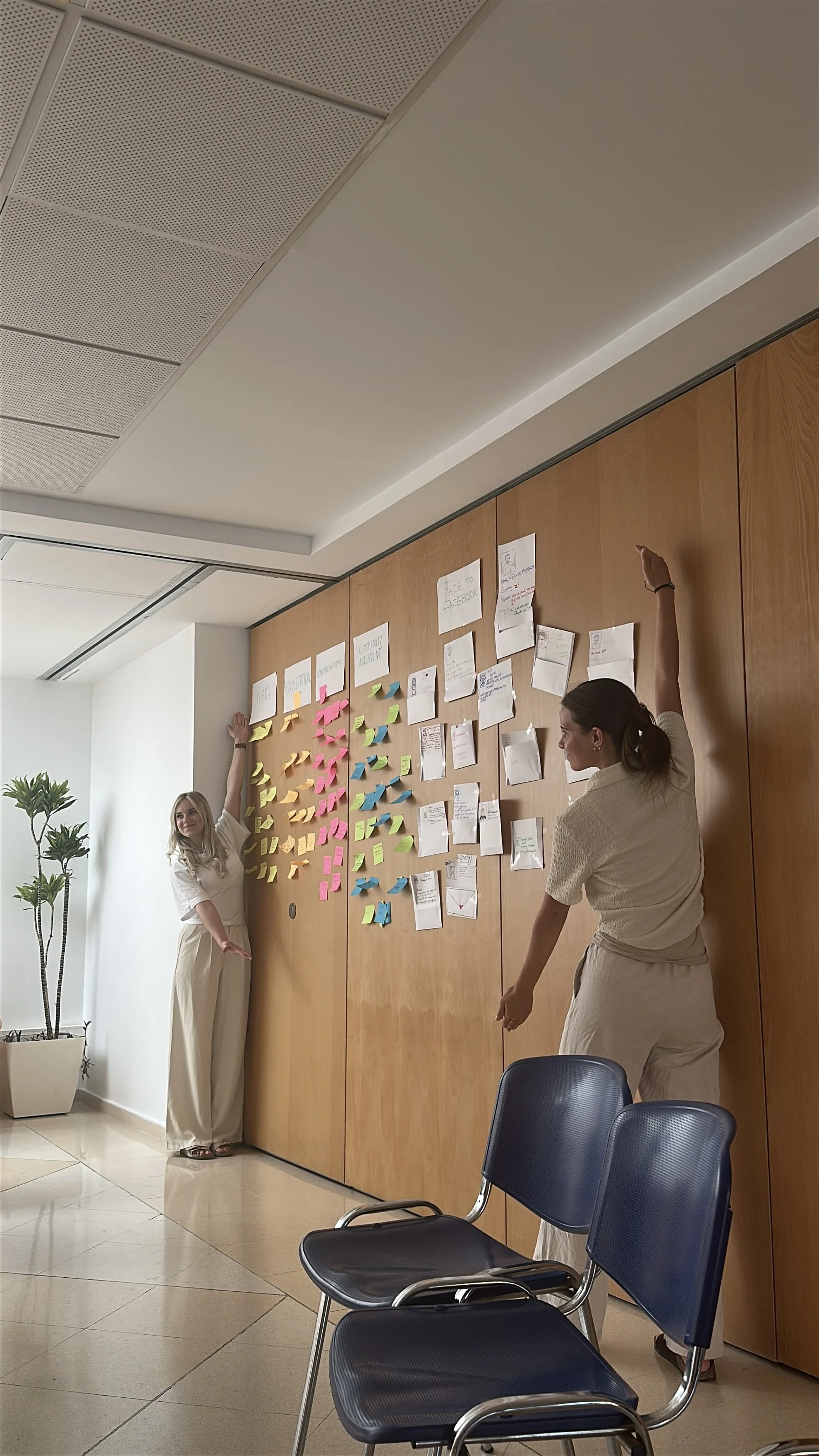
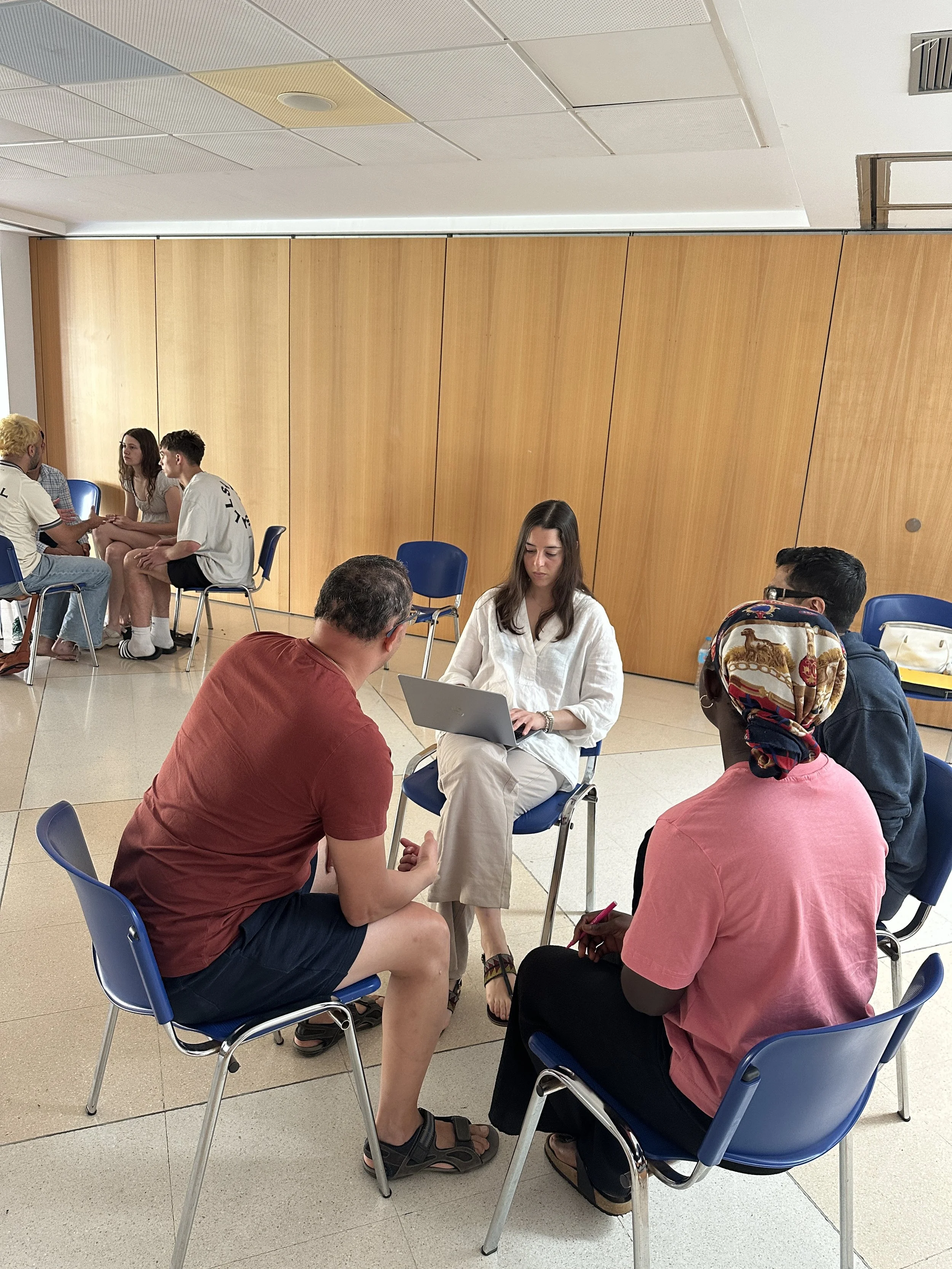
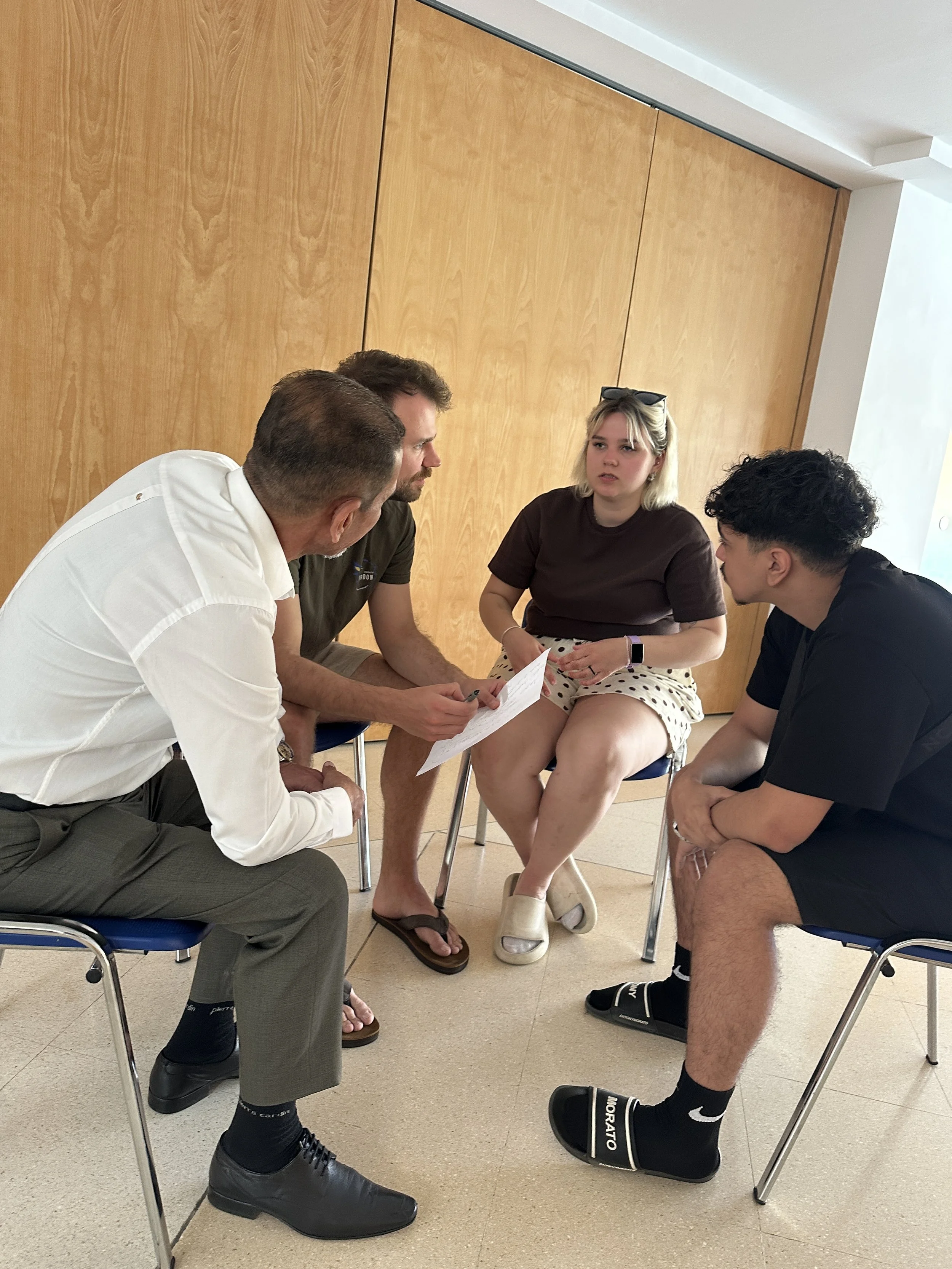
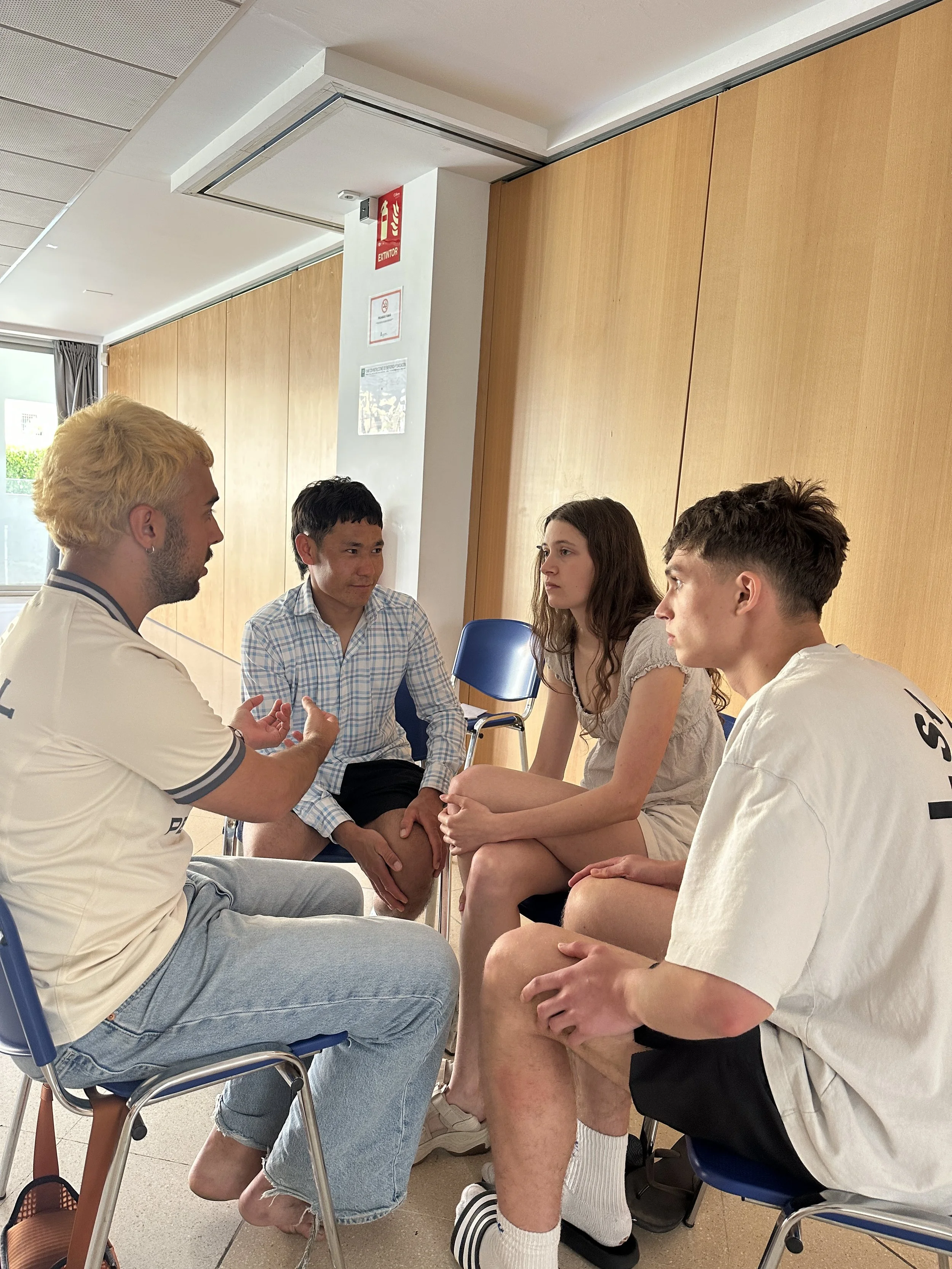
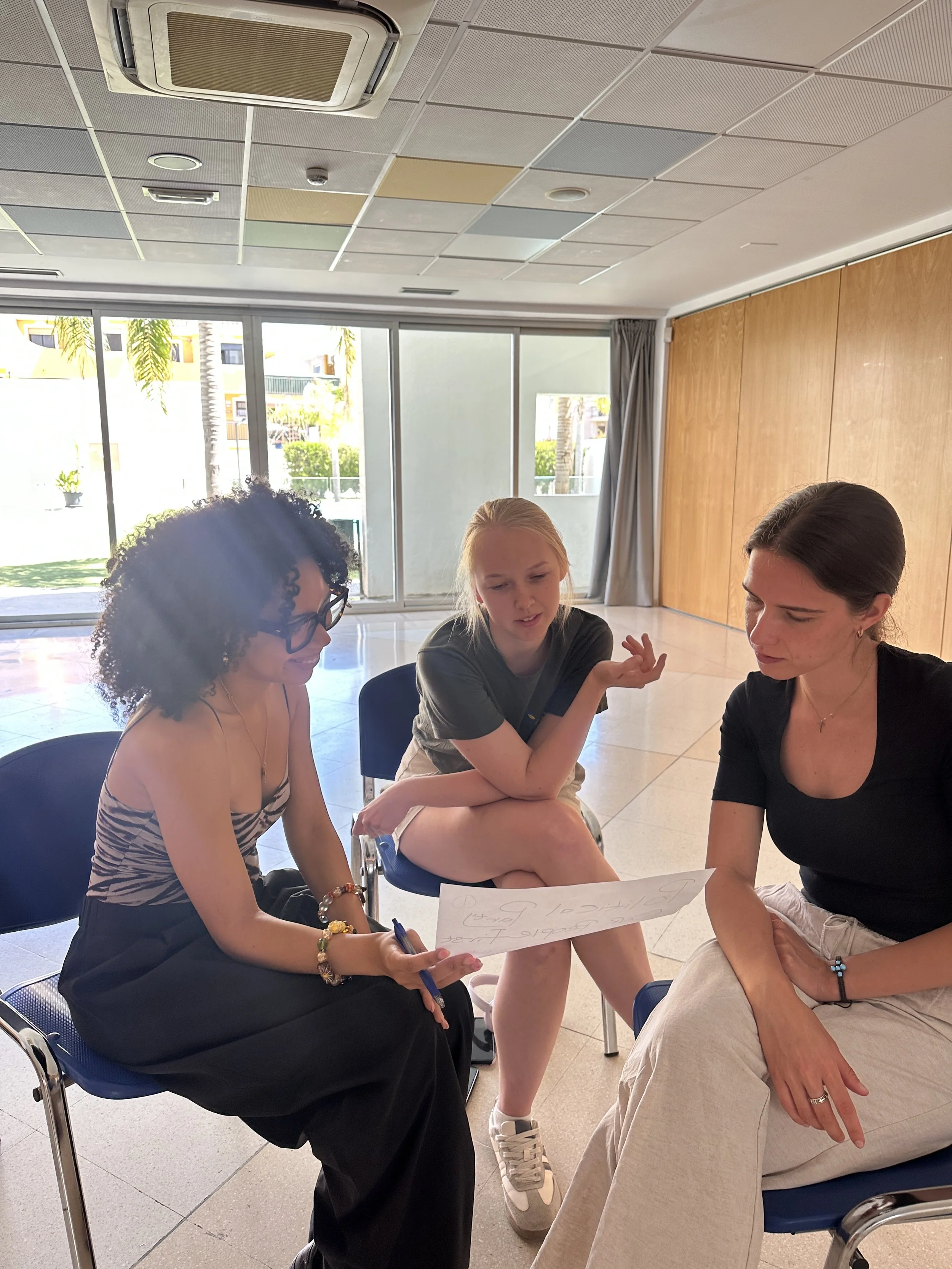
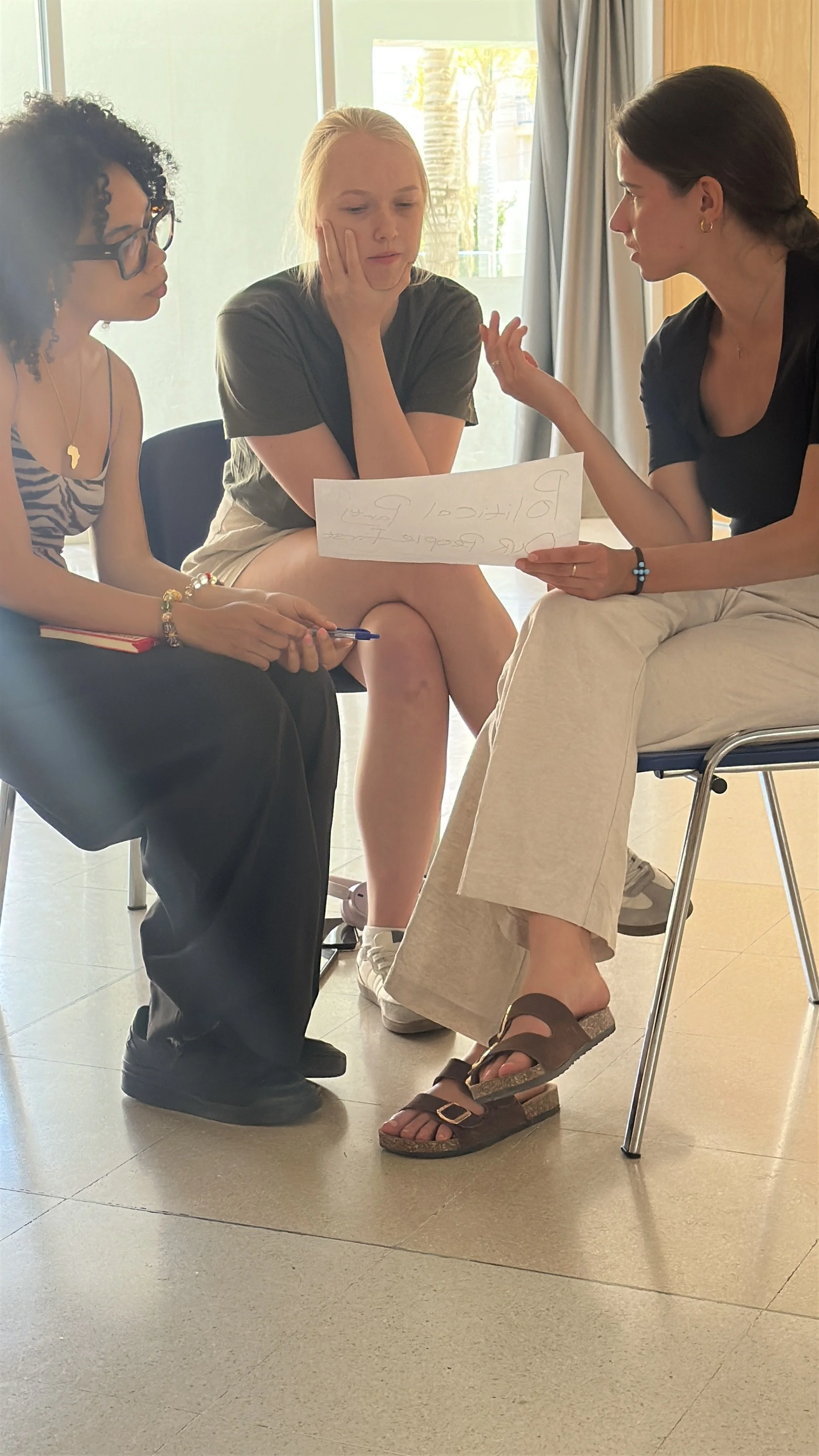
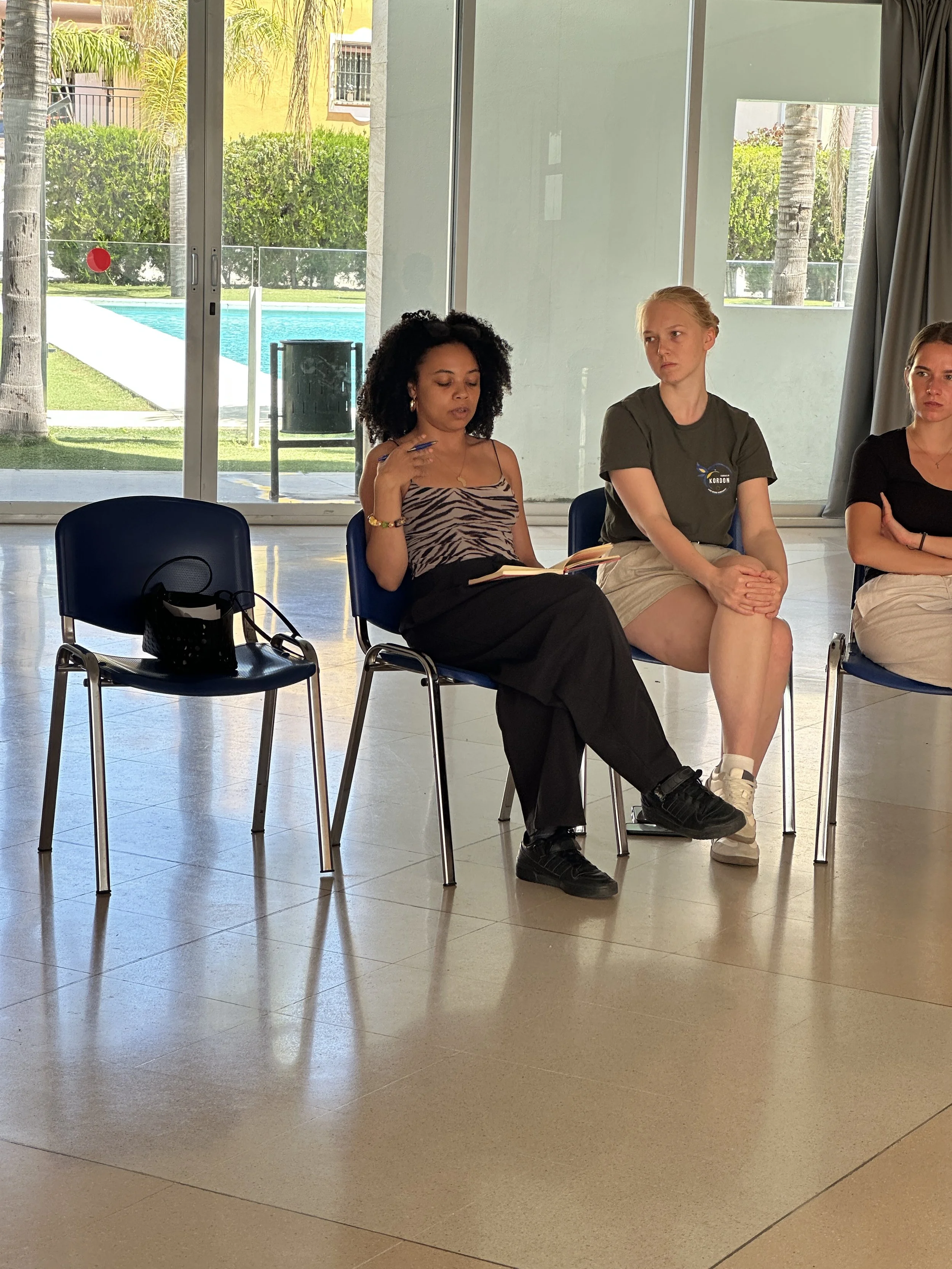
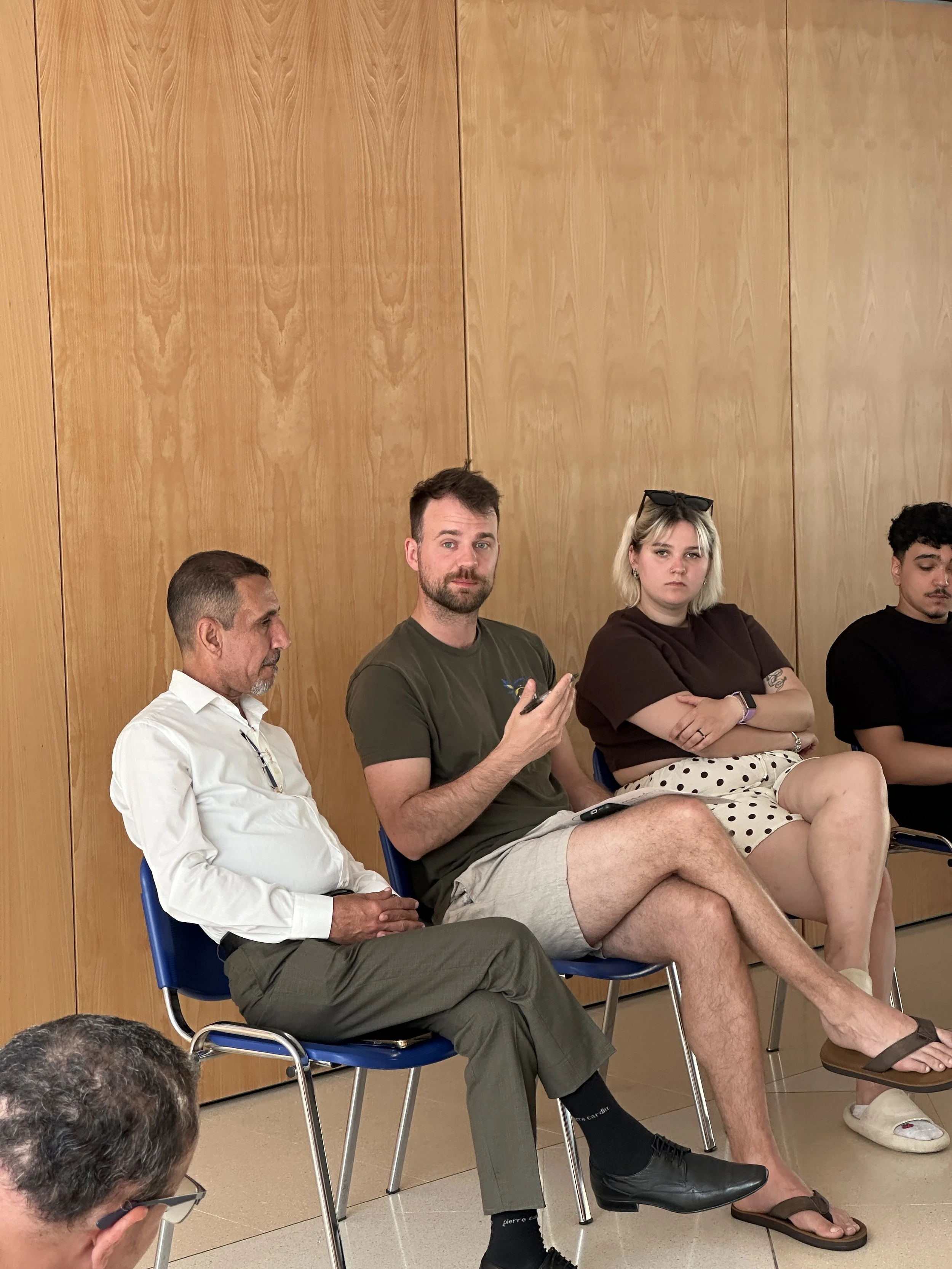
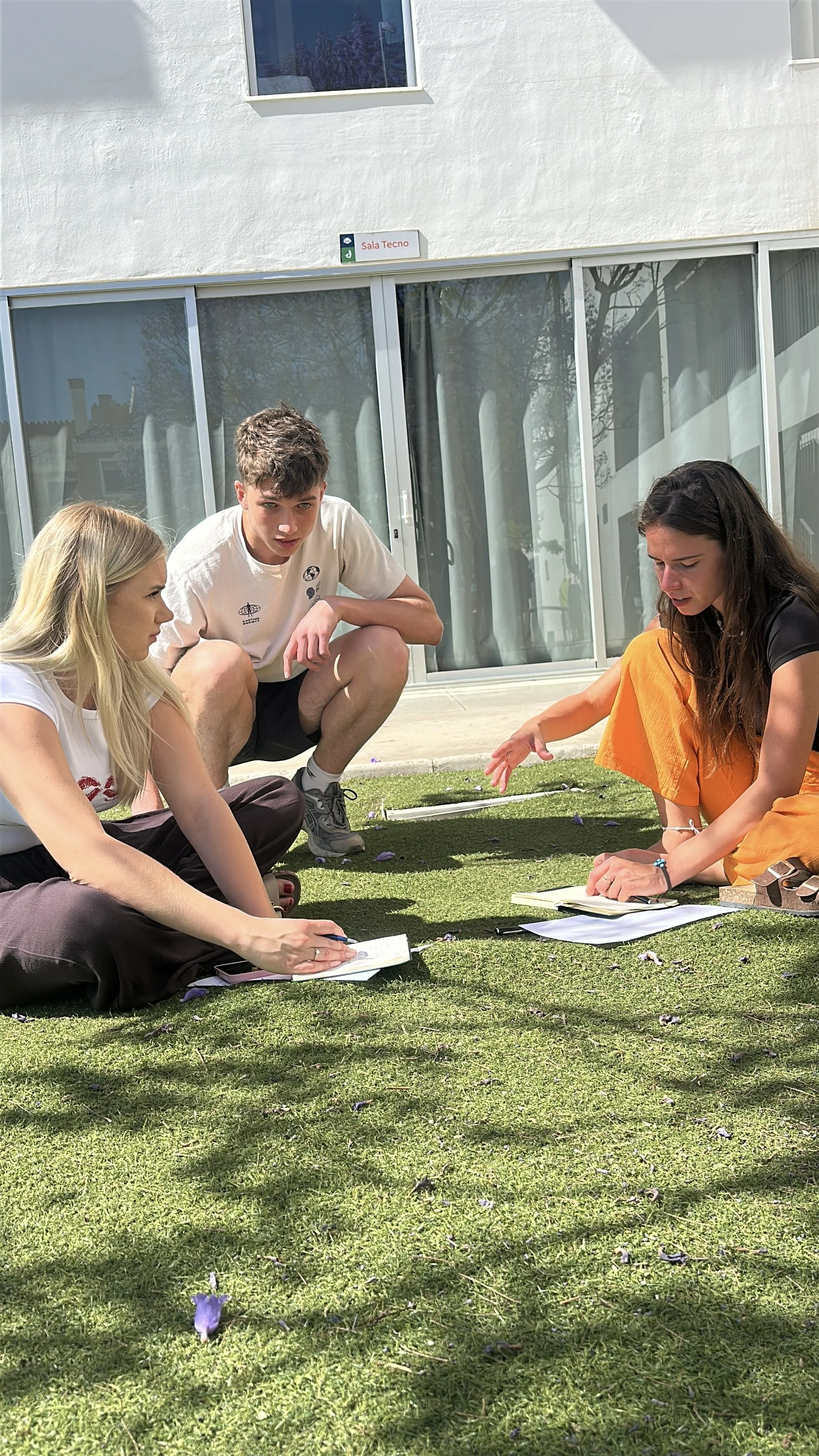
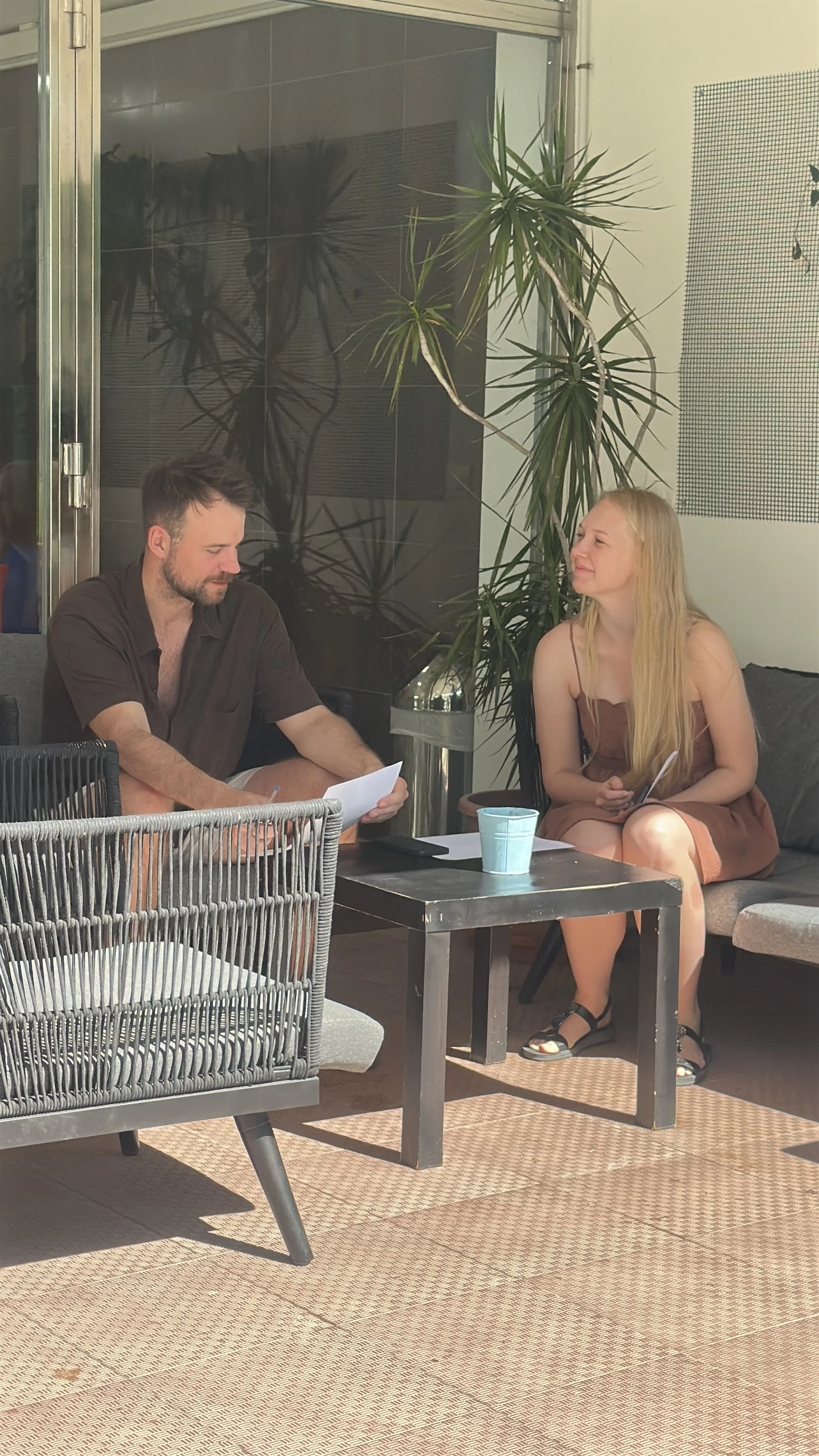
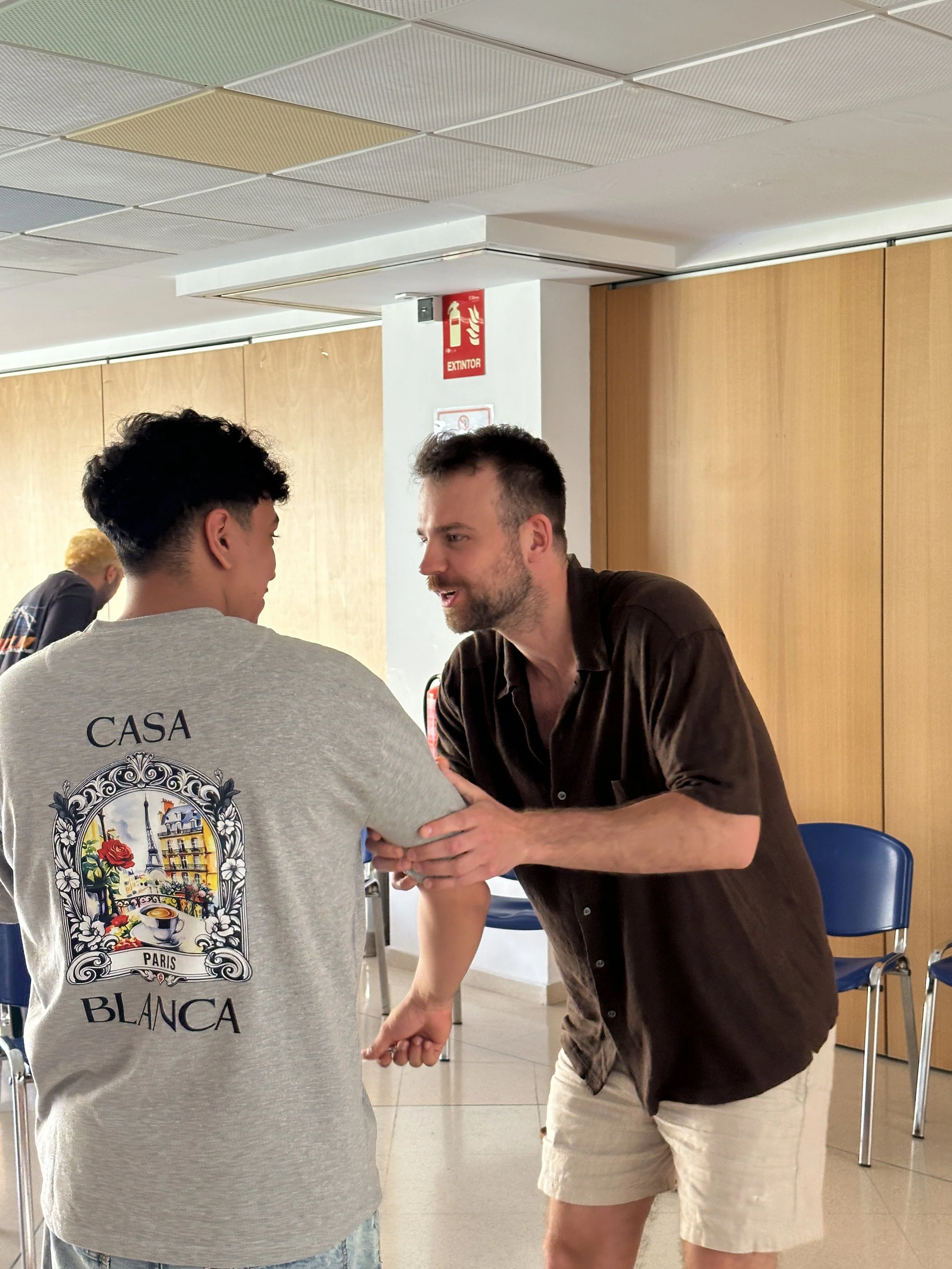
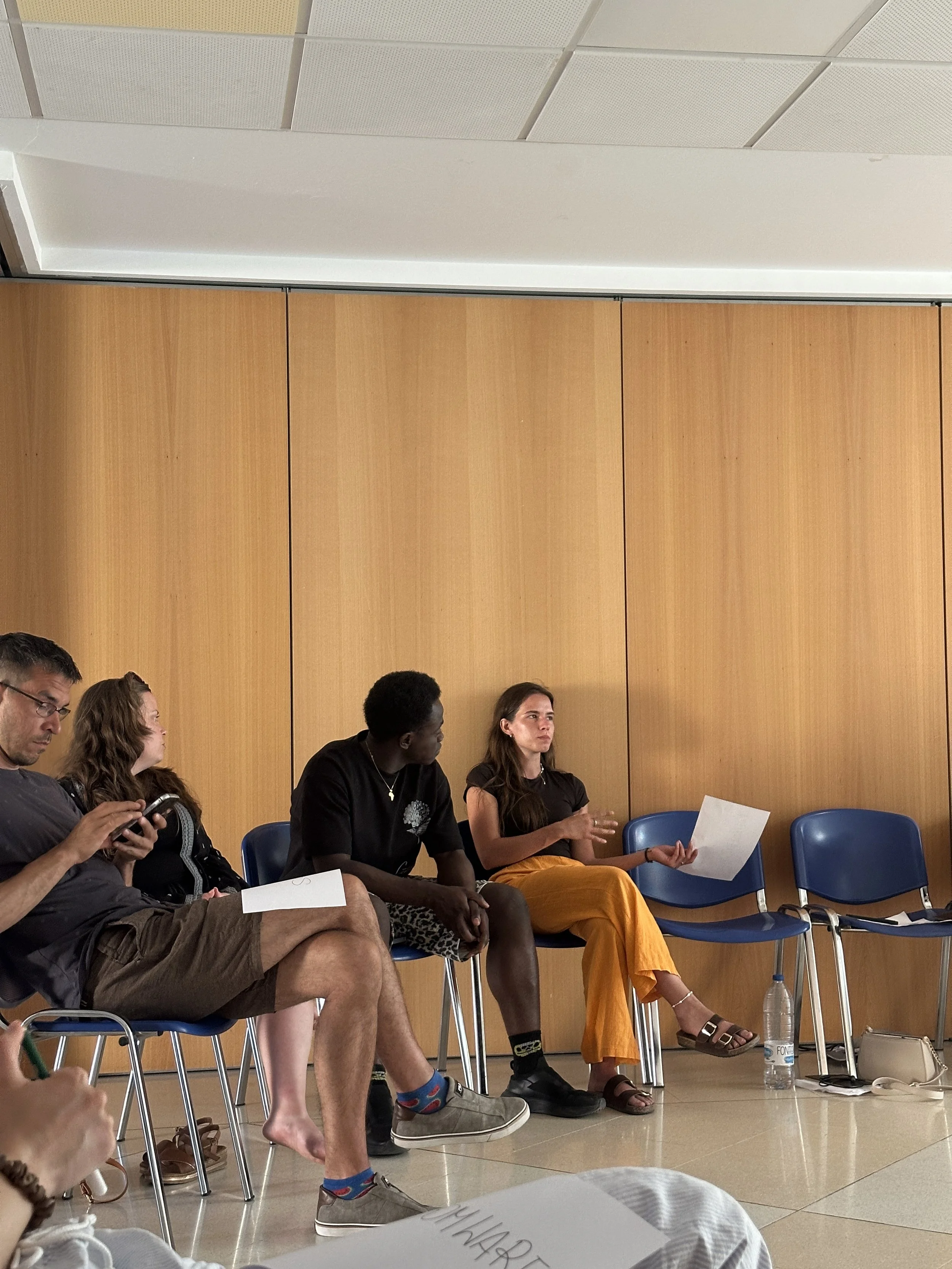
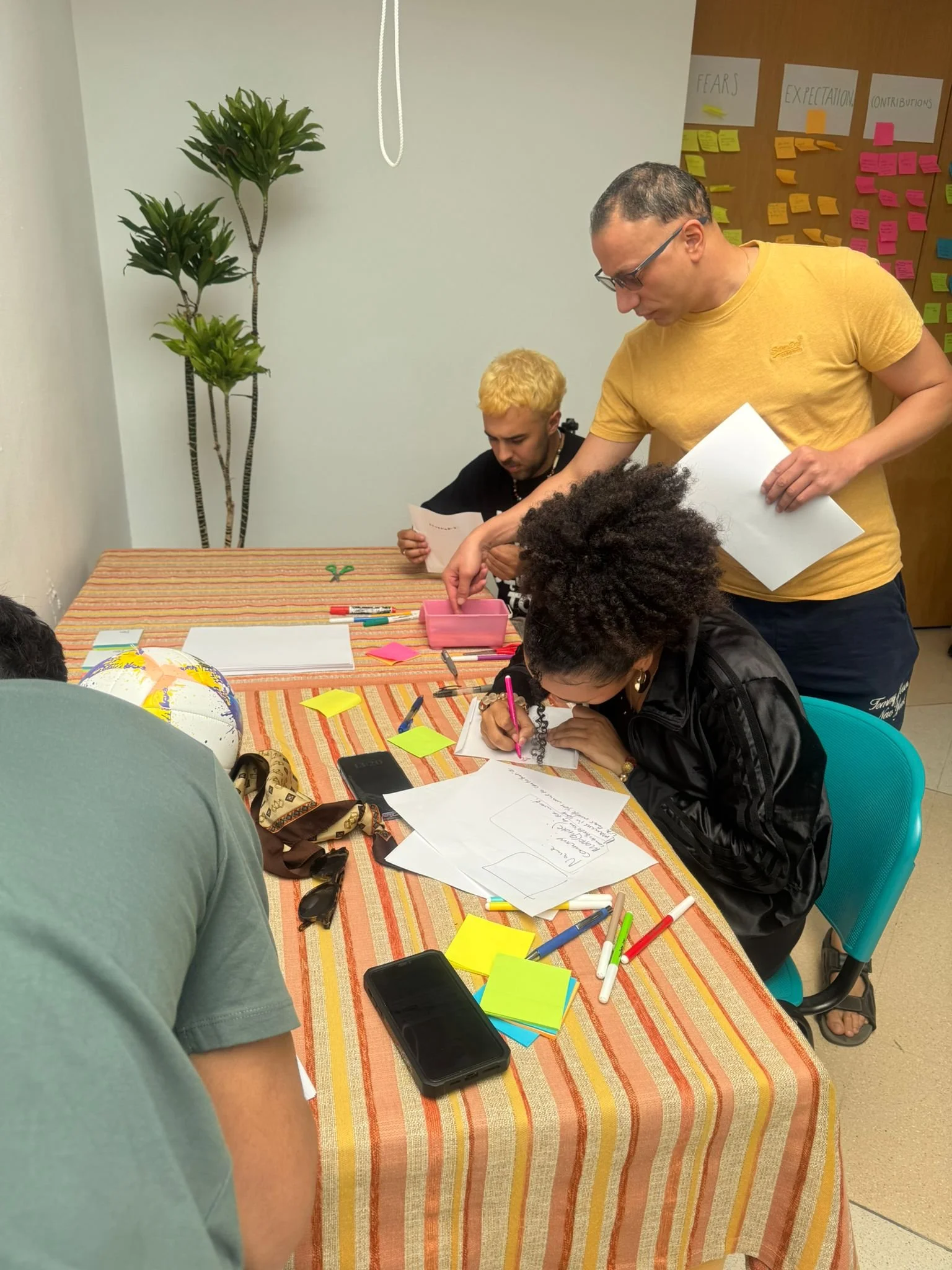
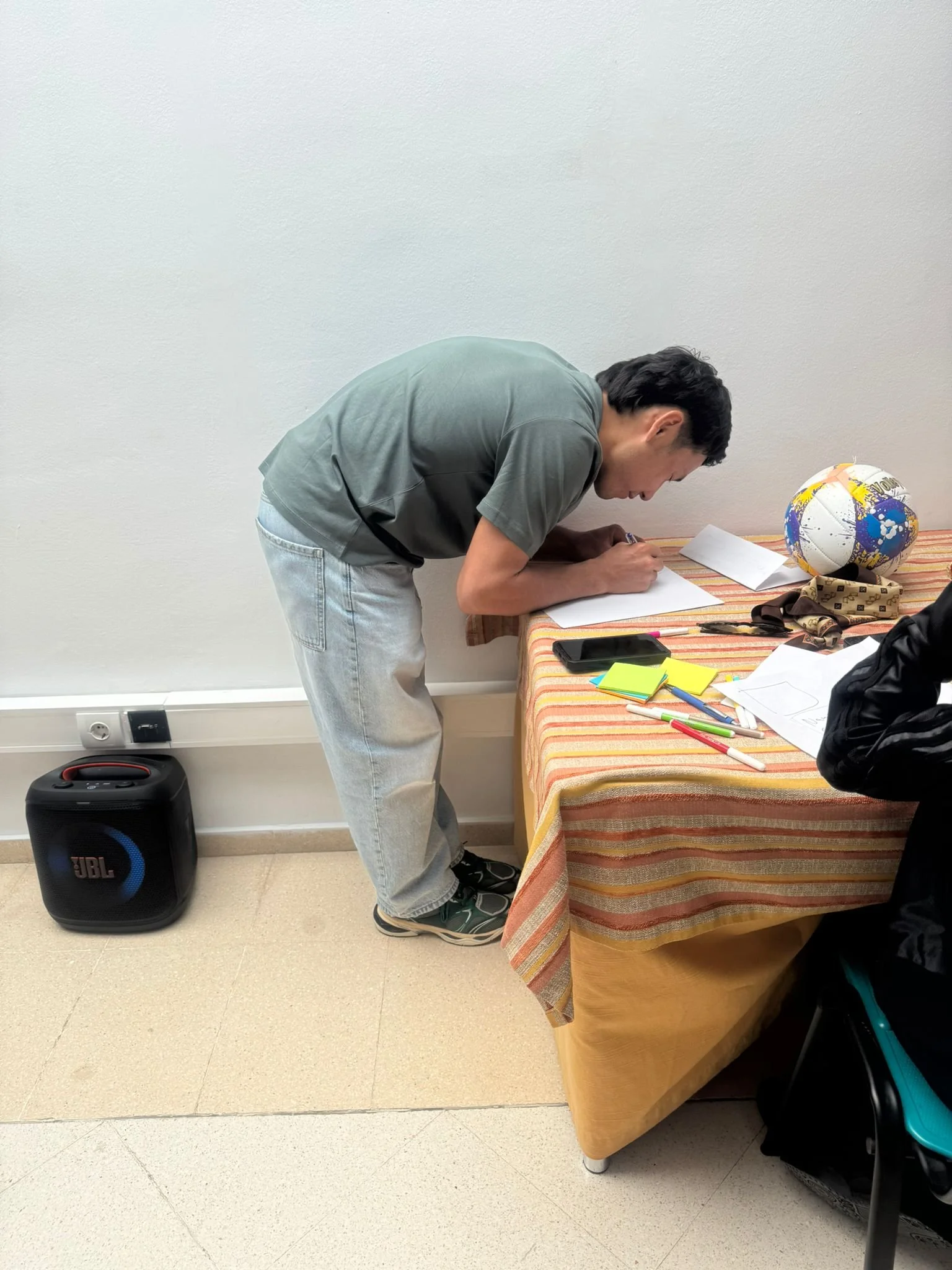
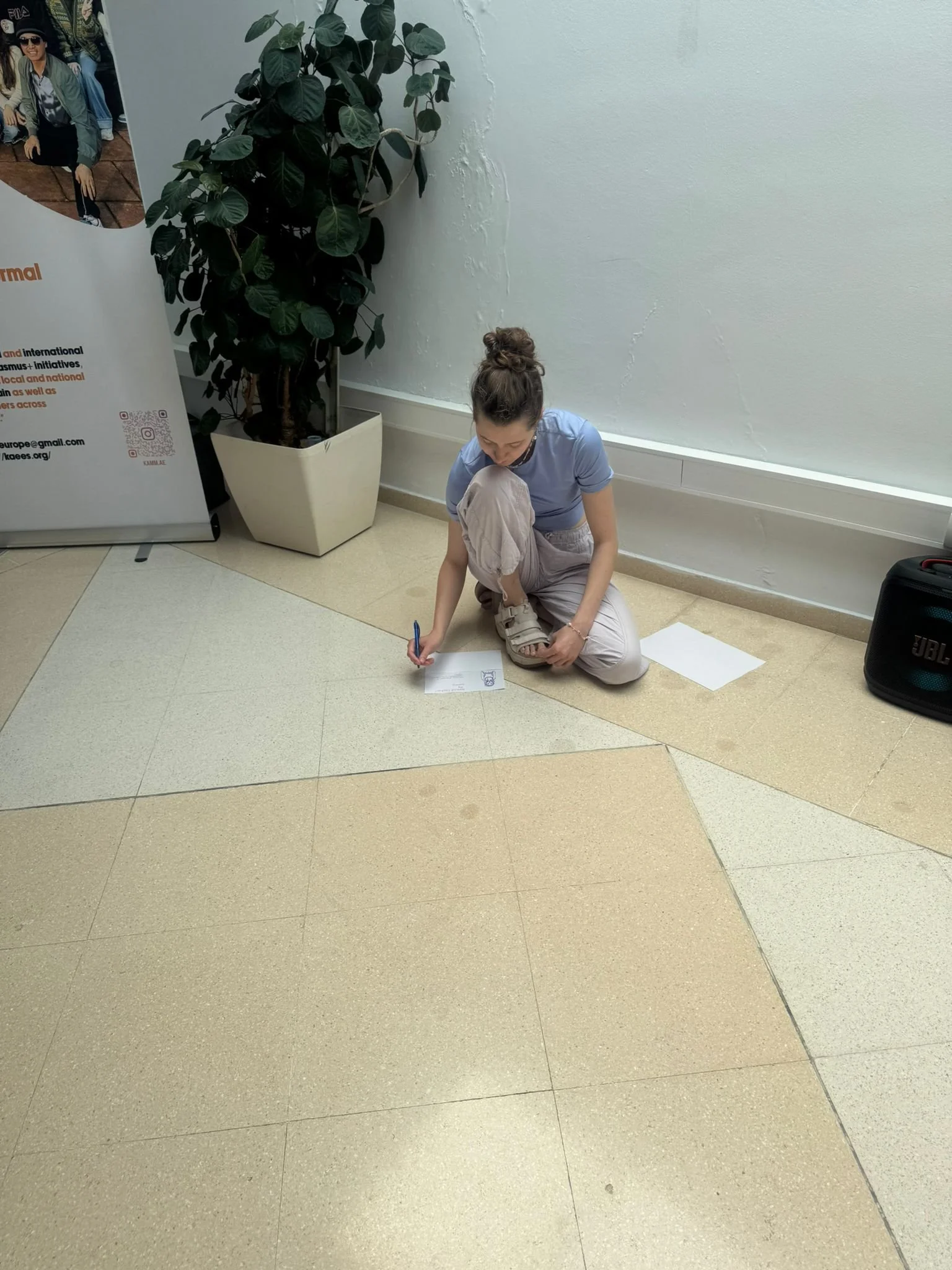
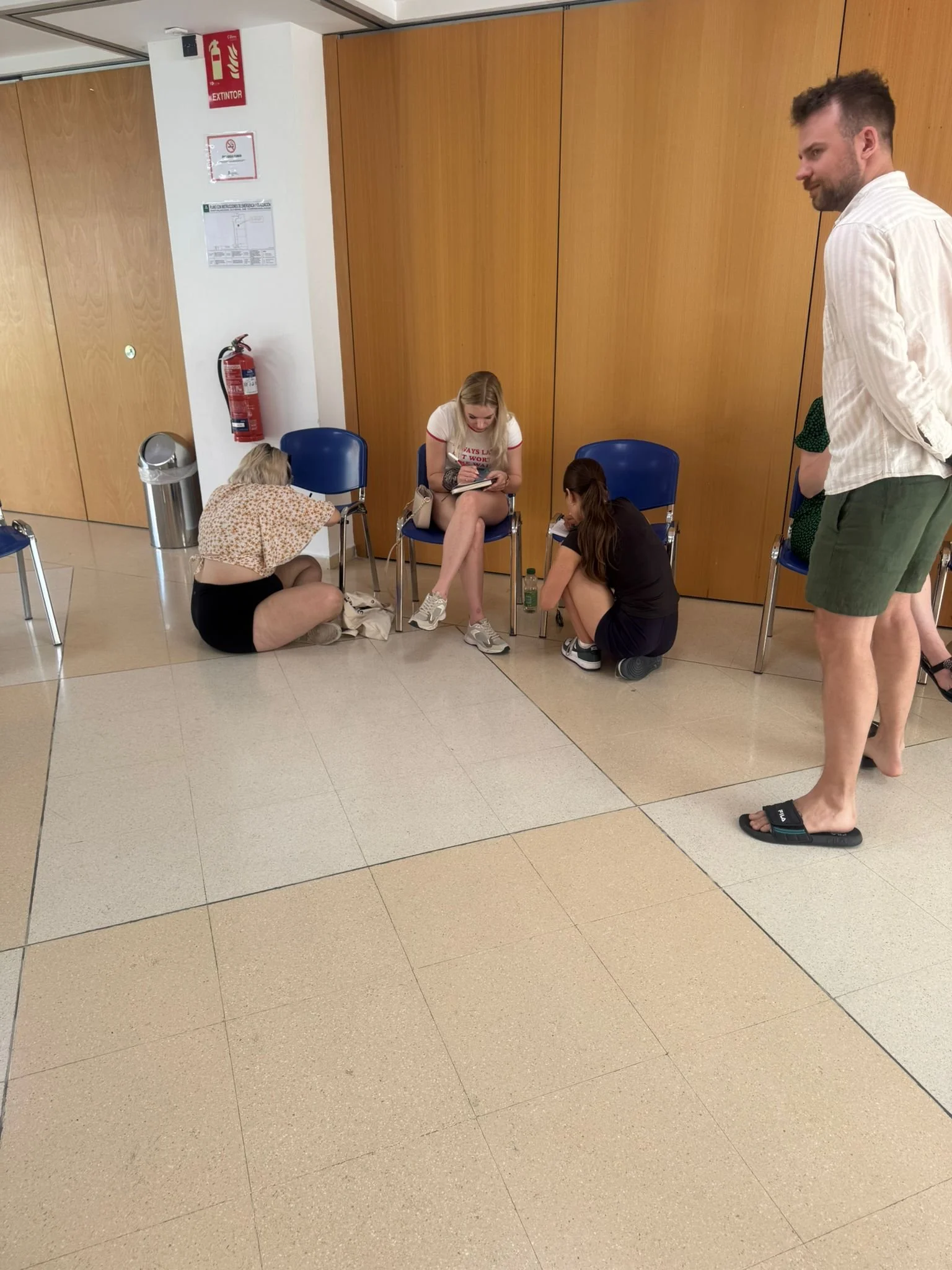
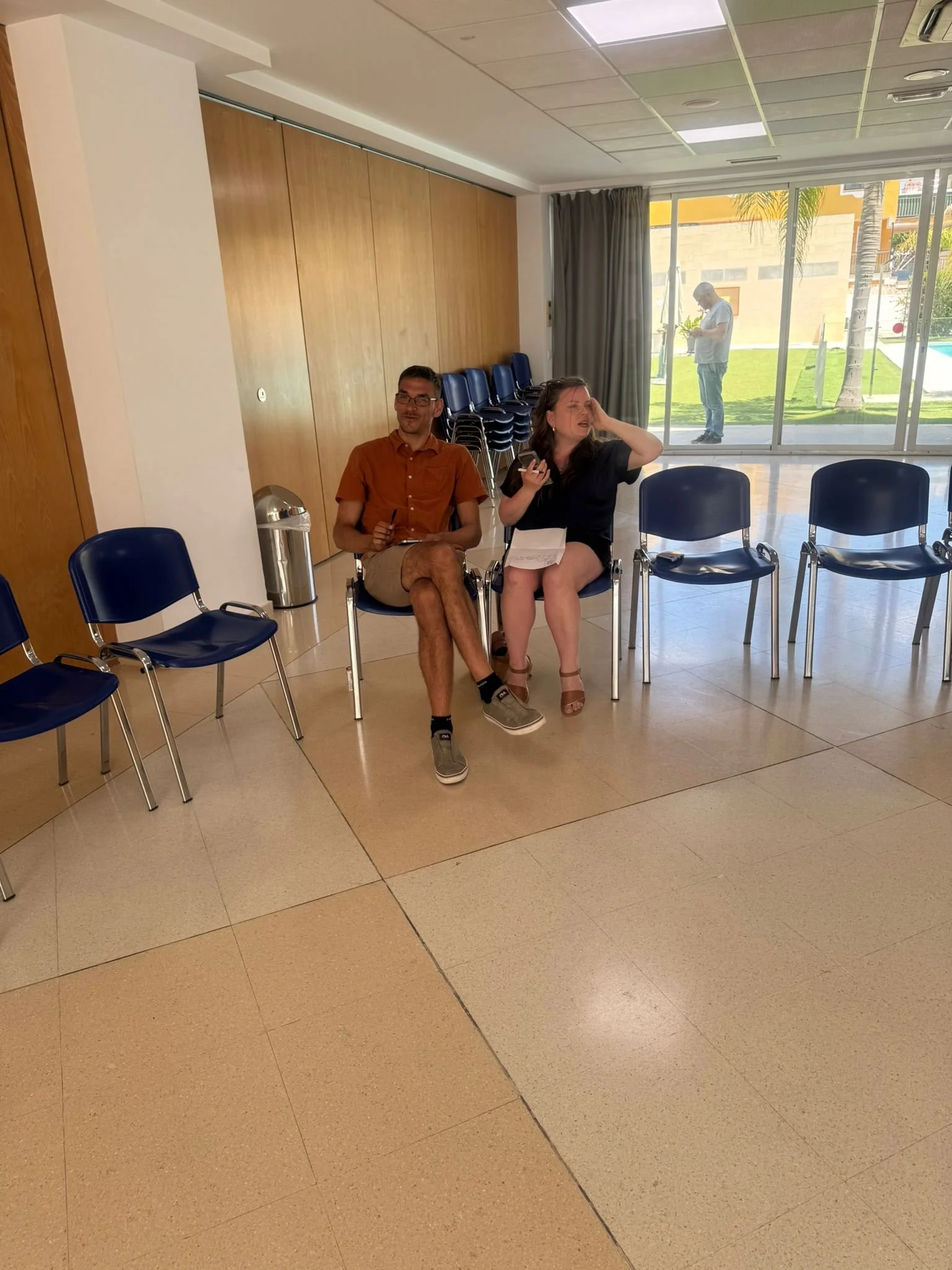
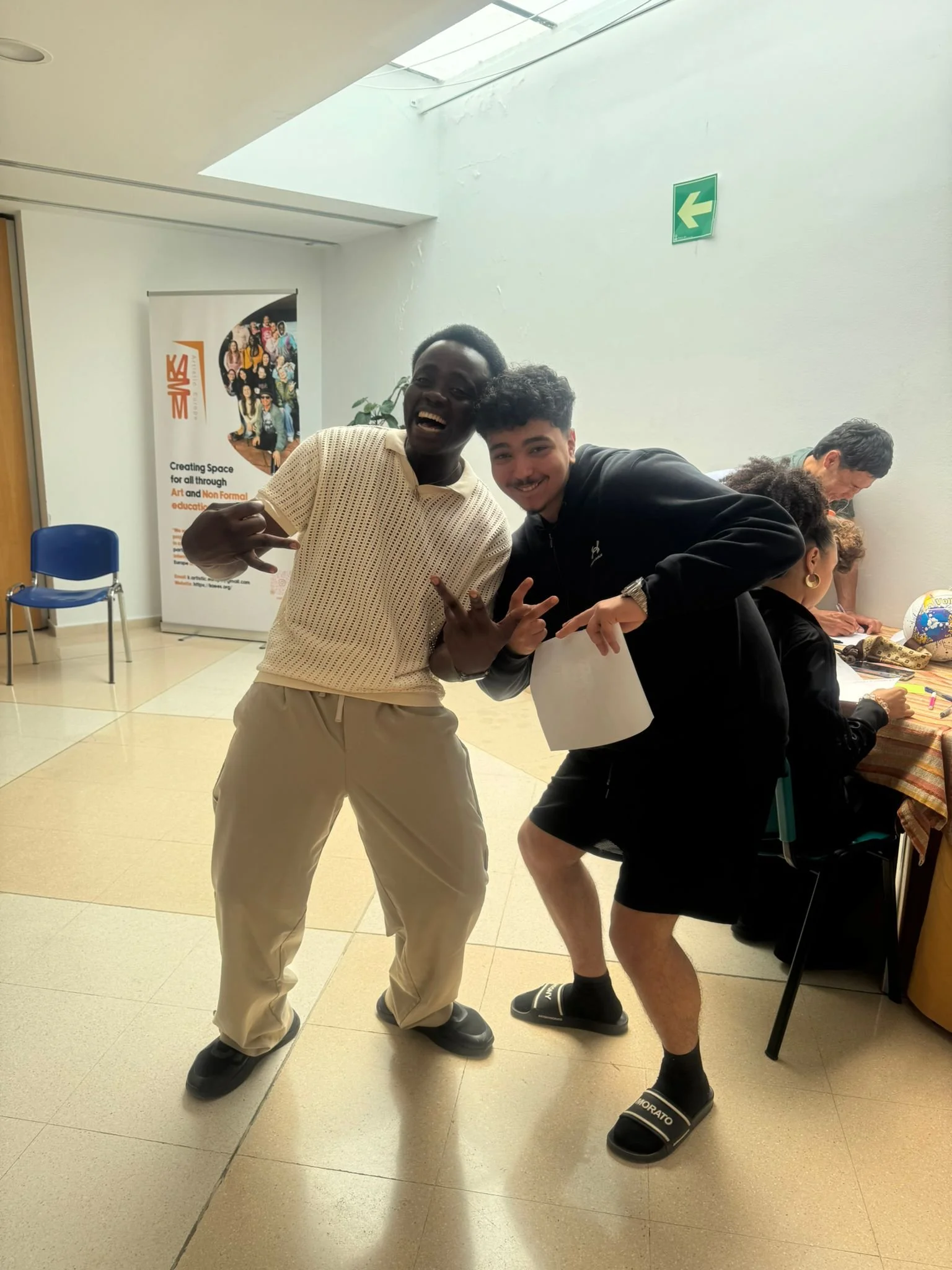
This youth exchange brought together young people from different countries to explore the interconnected themes of migration, displacement, social inclusion, and ecological crises. Through a combination of workshops, experiential learning, community-building activities, expert contributions, reflection sessions, and cultural exchange, participants gained a deeper understanding of the realities and complexities of migration in today's world.
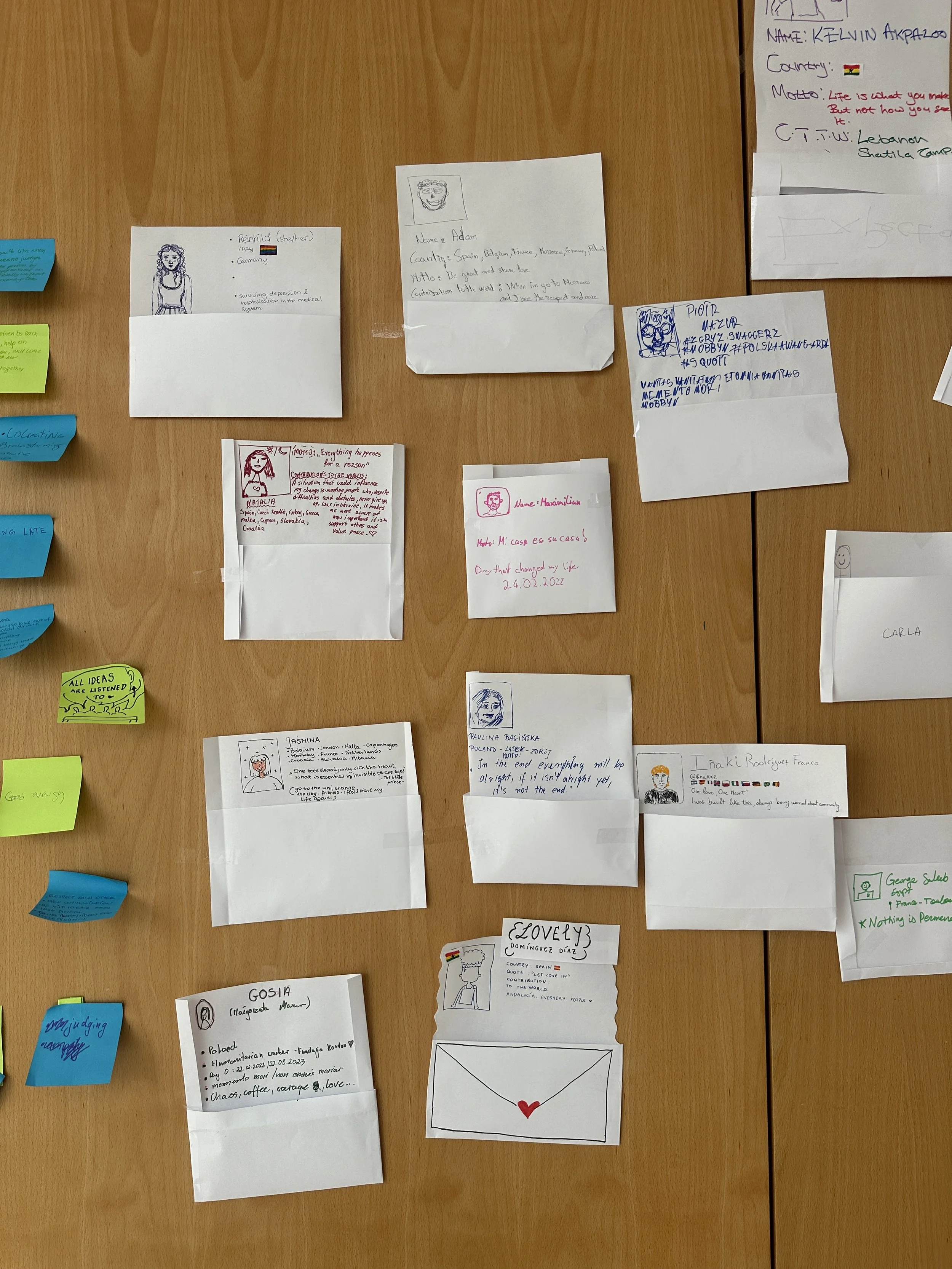
The project created a safe and interactive space where participants could share perspectives, challenge stereotypes, and learn from one another's experiences. By combining theoretical knowledge with practical activities, the exchange encouraged participants to develop empathy, critical thinking, and a stronger sense of active citizenship.
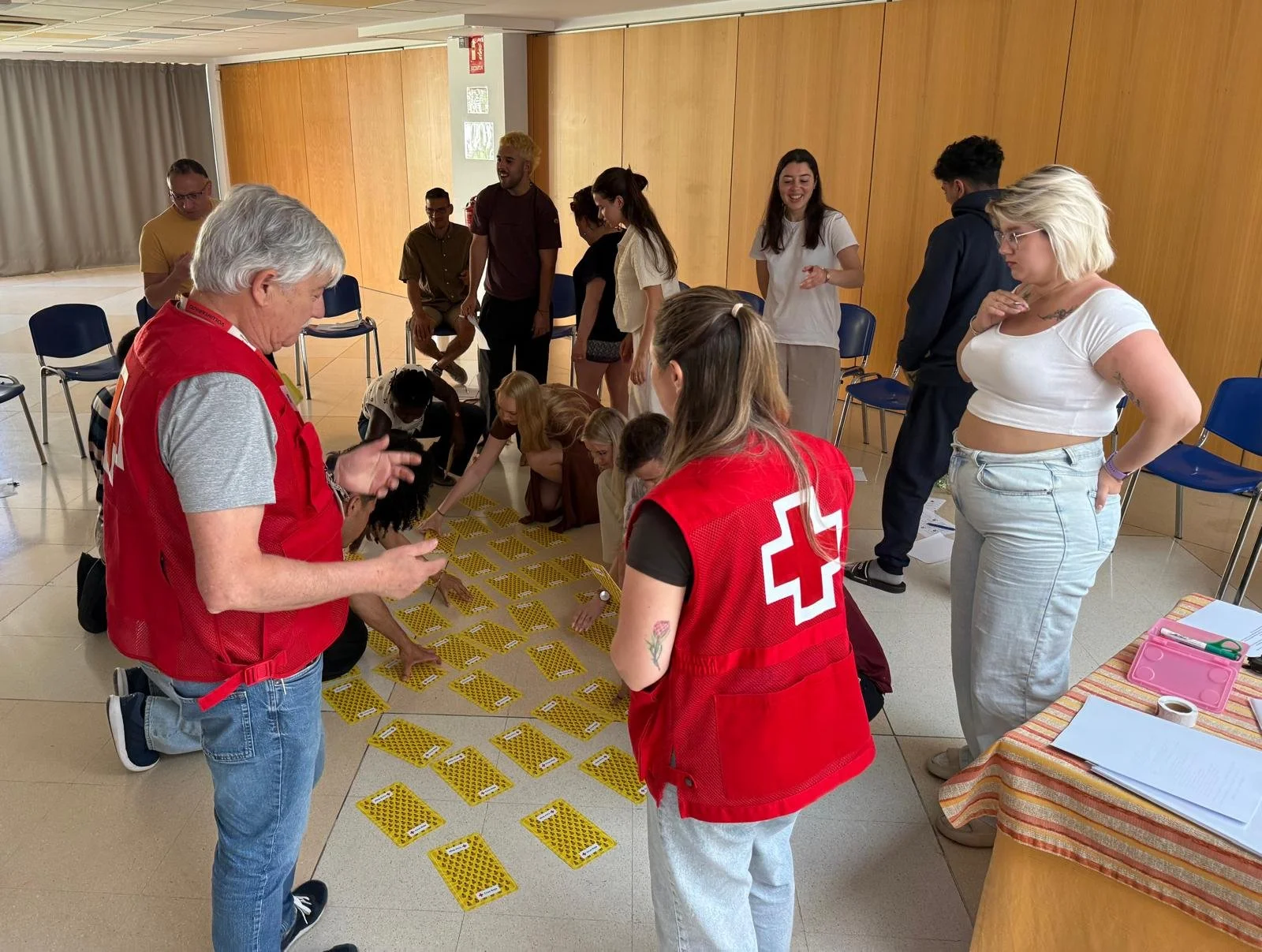
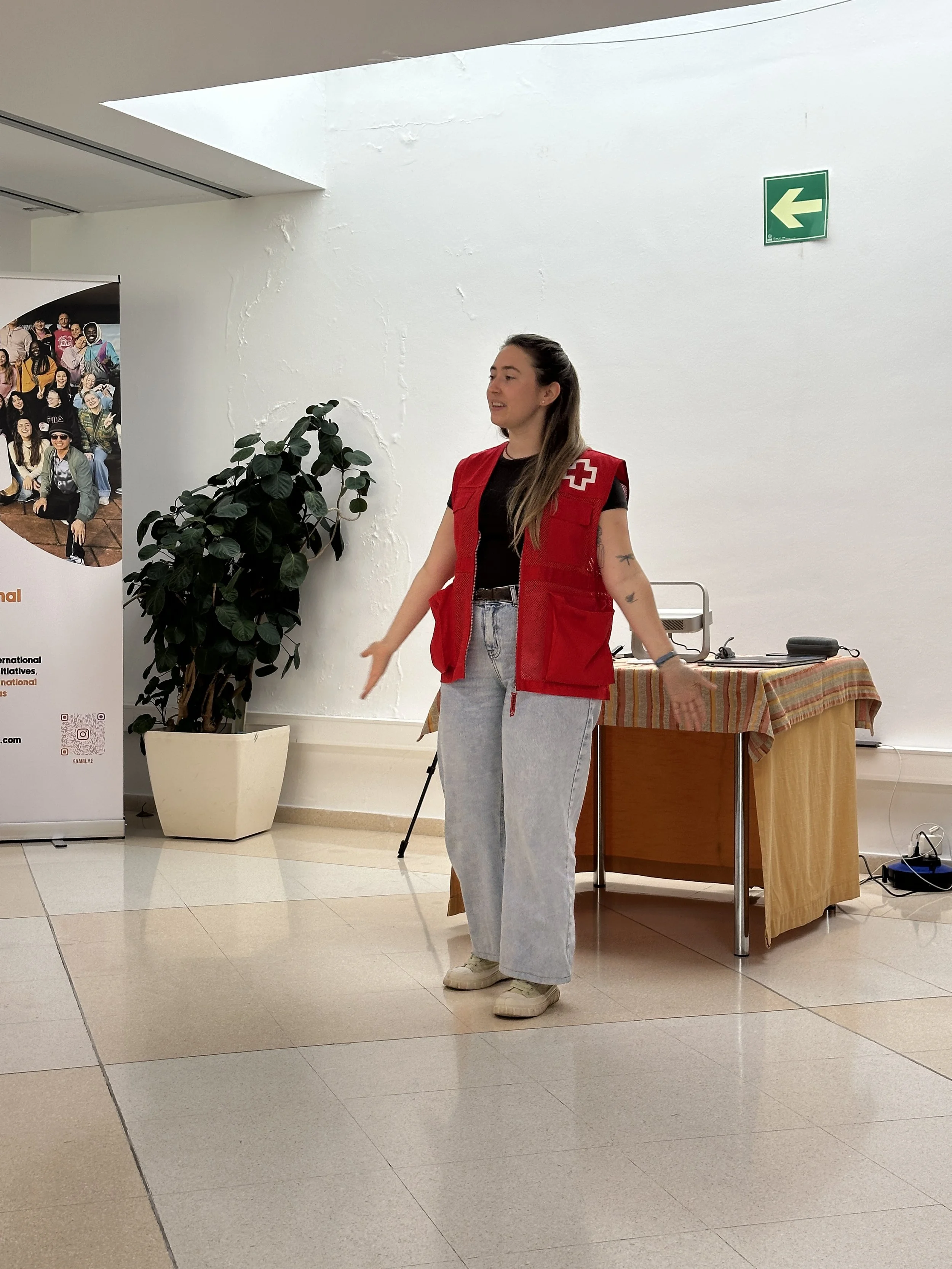
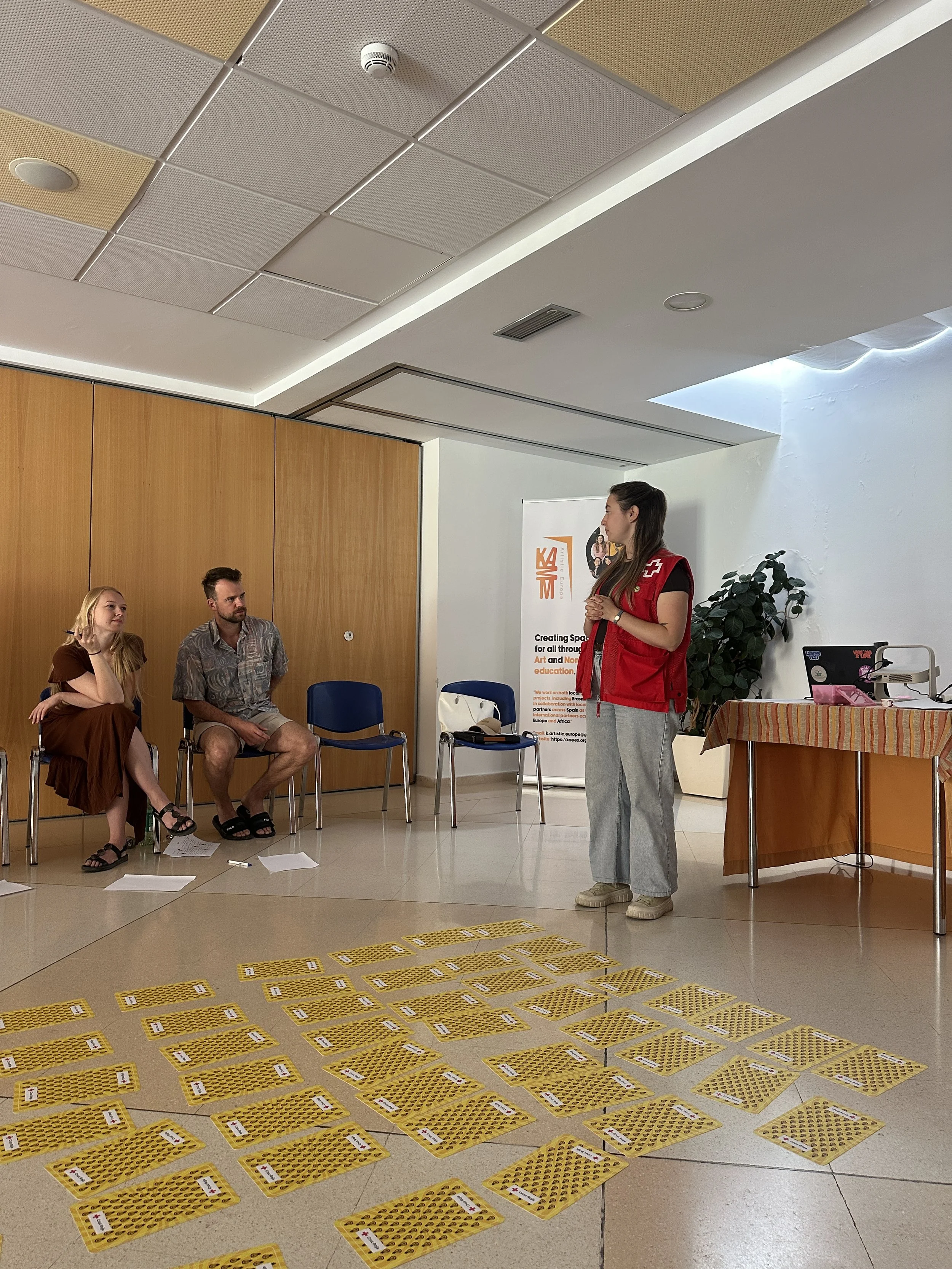
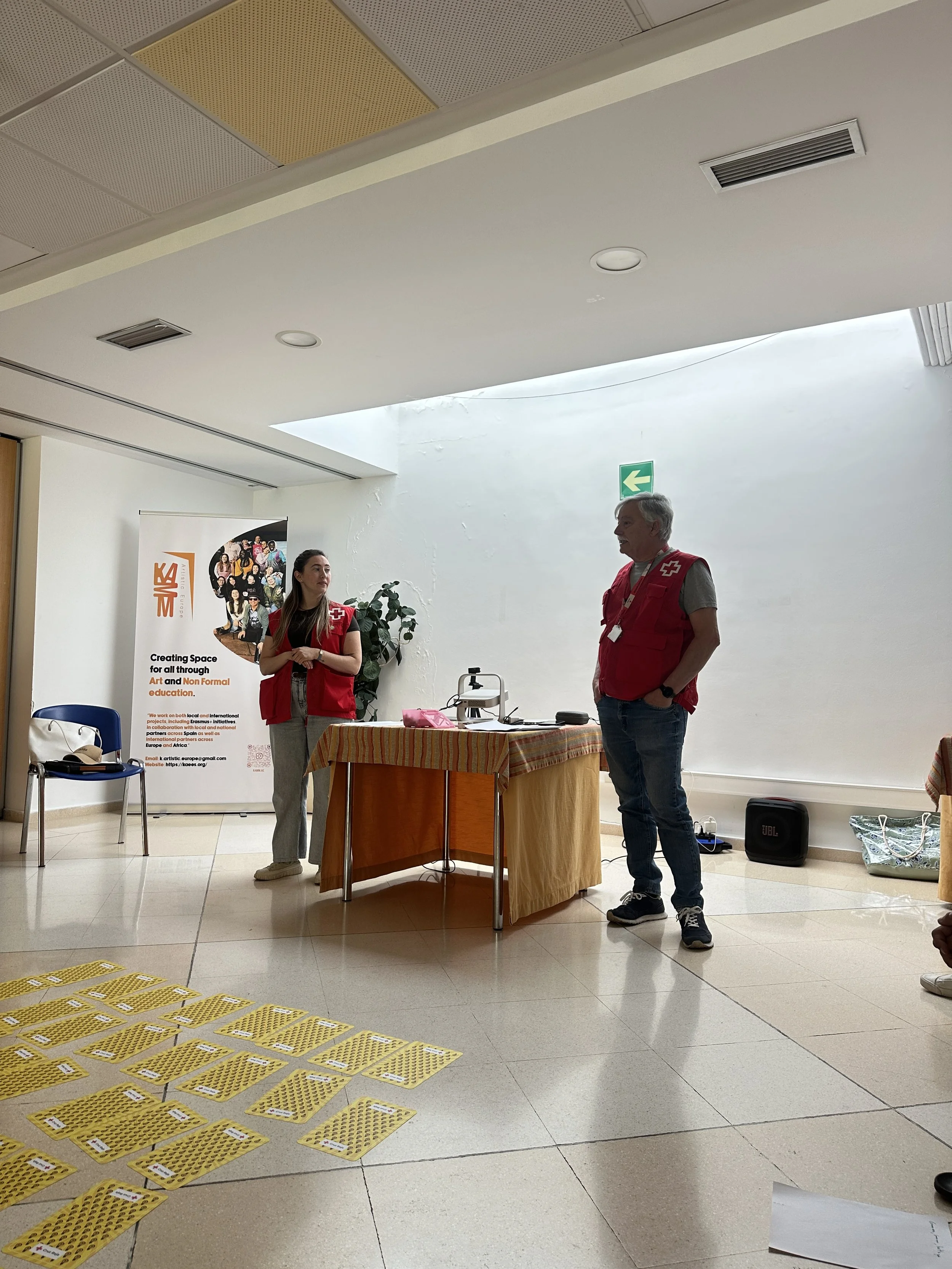
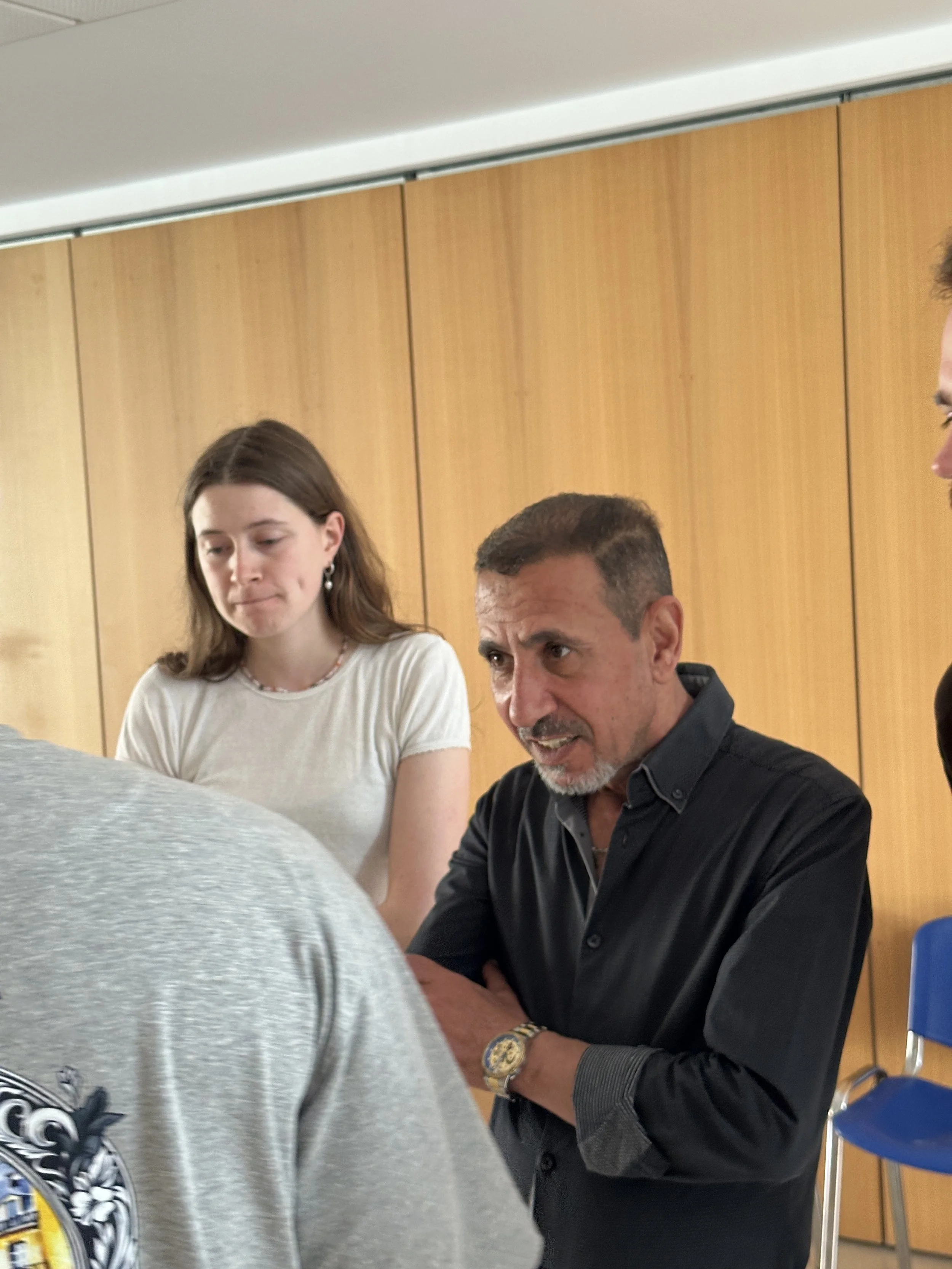
A key highlight of the program was the visit and sessions facilitated by the Red Cross, which provided valuable insights into humanitarian responses to migration and displacement. Participants also explored the links between migration and environmental challenges, examining how ecological crises can contribute to forced migration and how communities can become more resilient and inclusive in times of crisis.
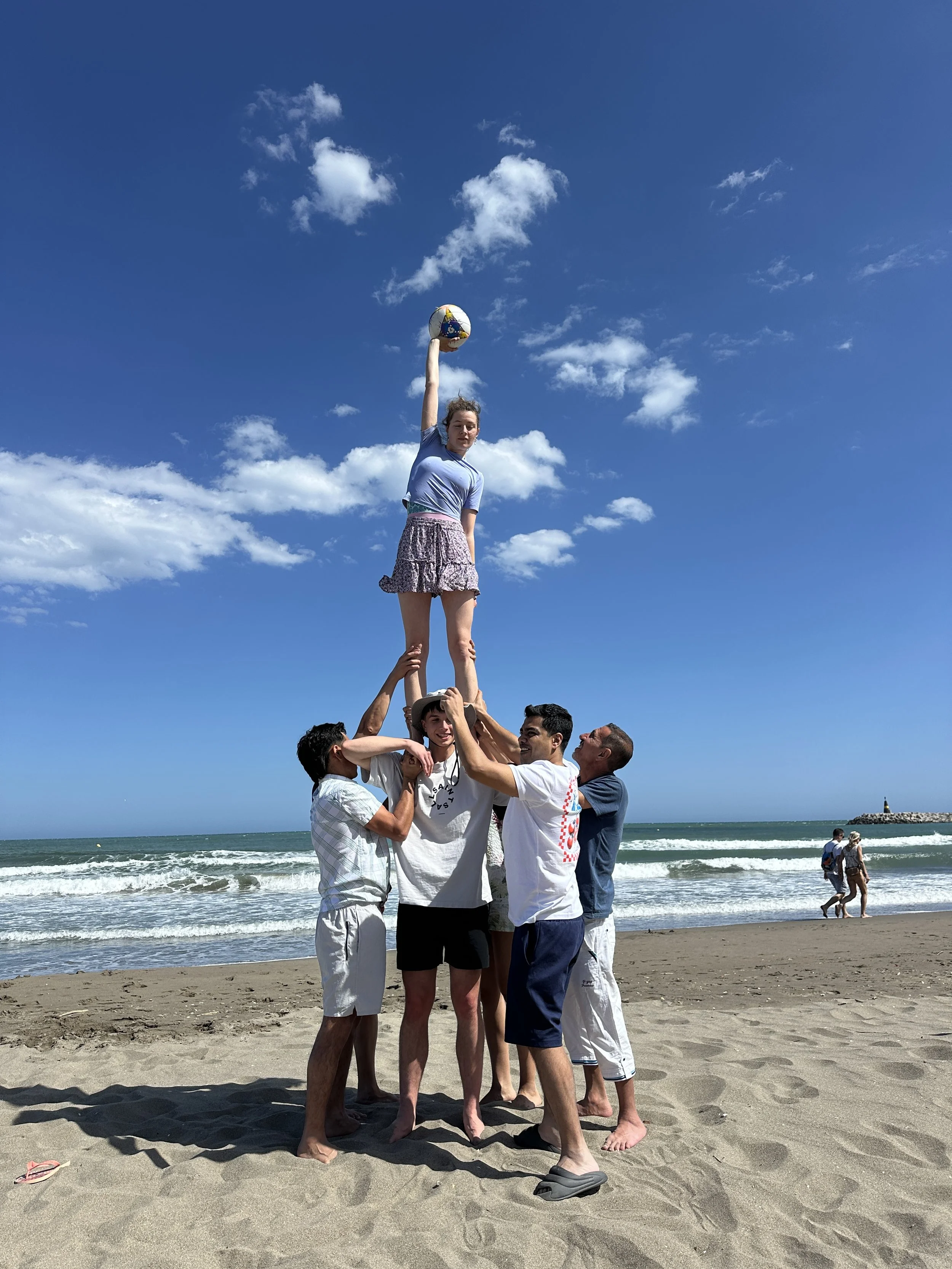
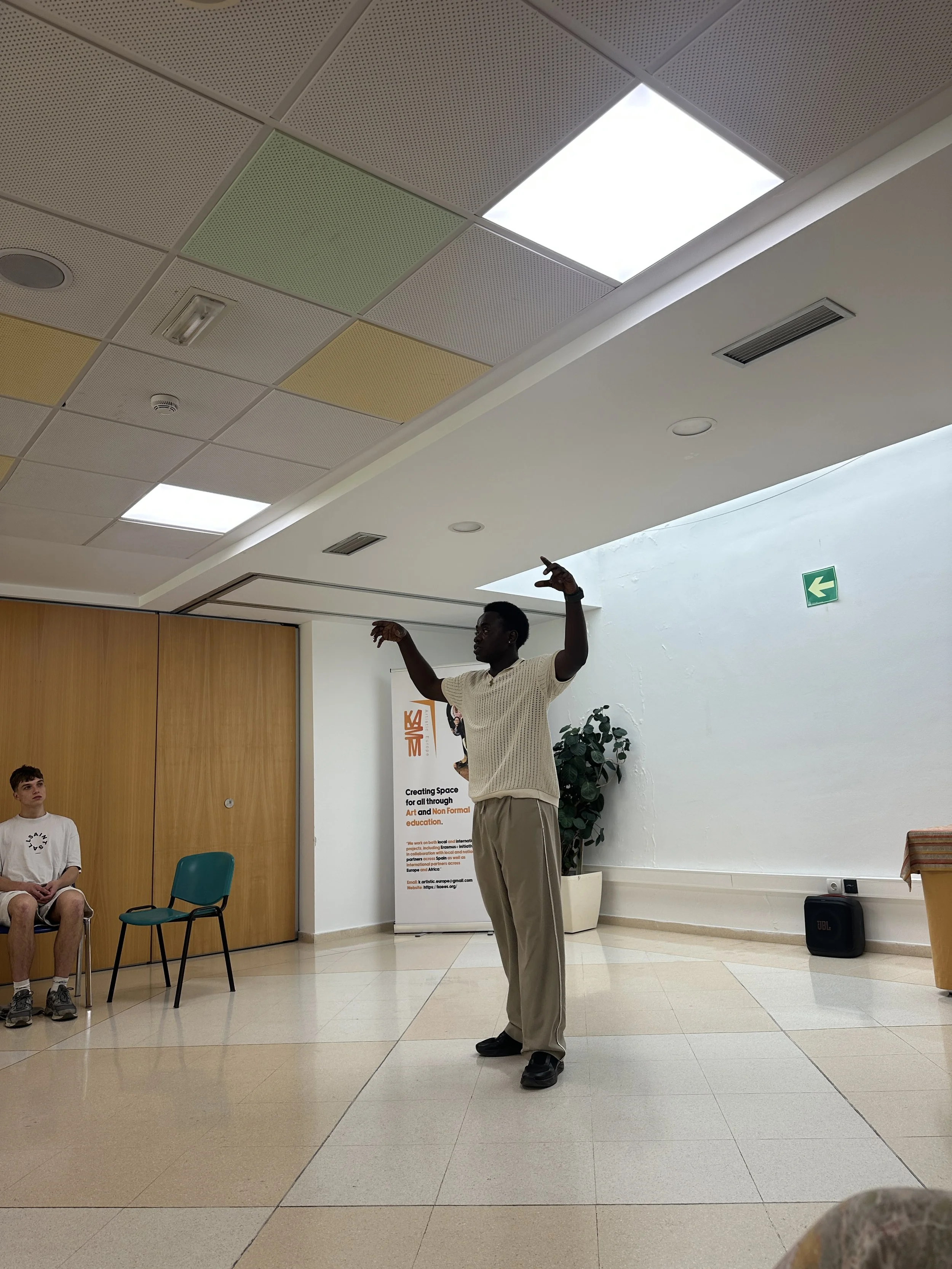
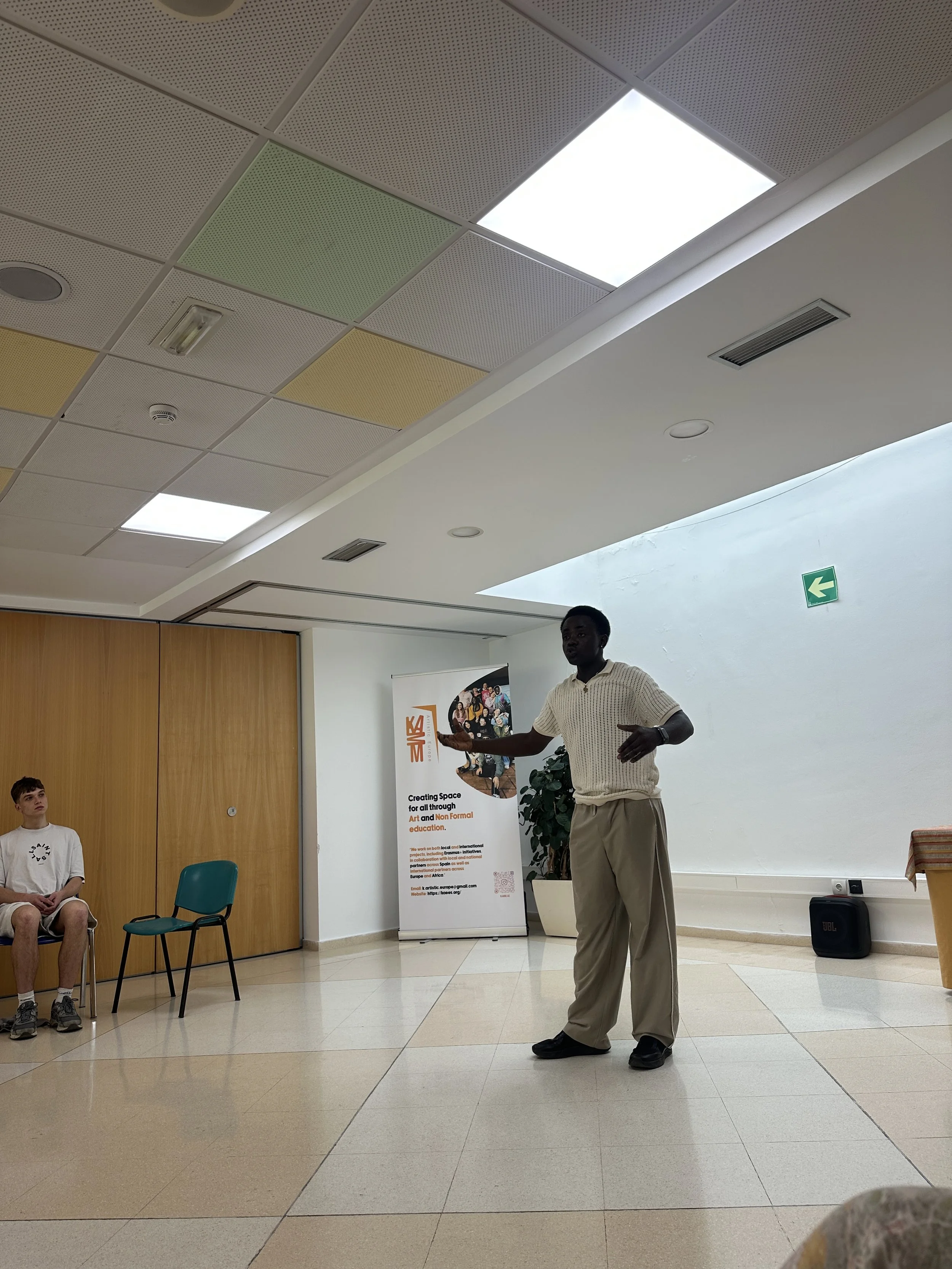
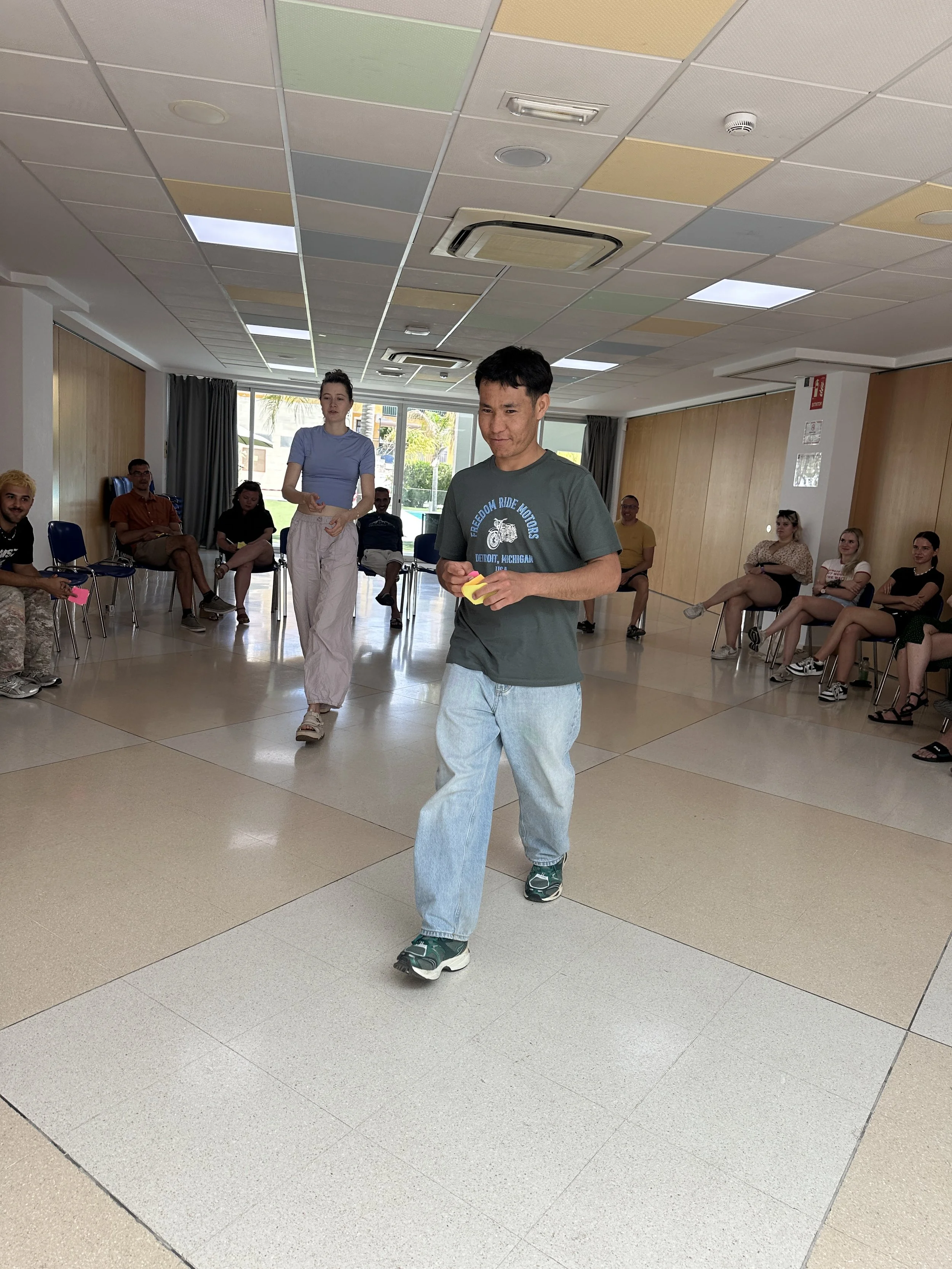
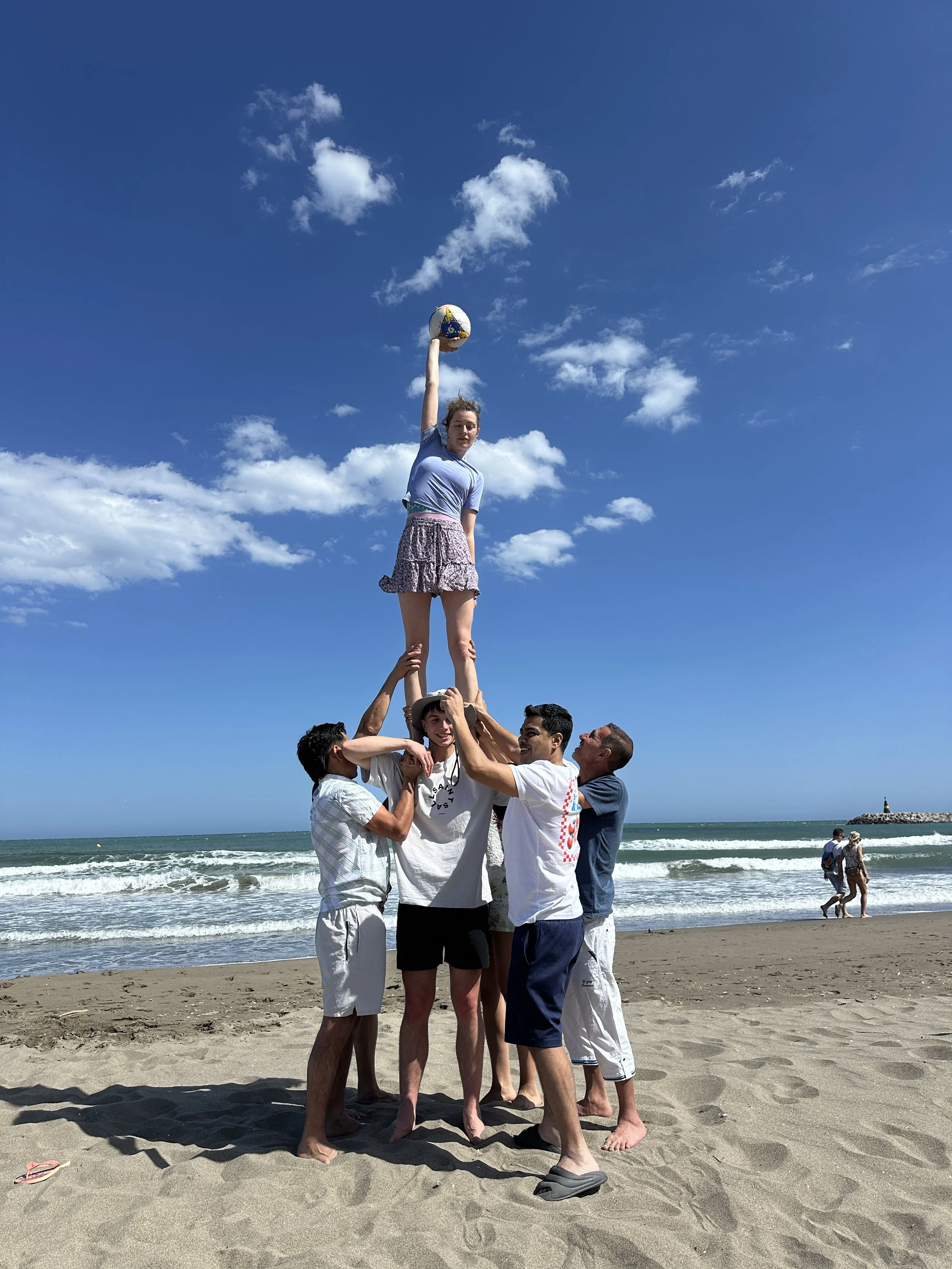
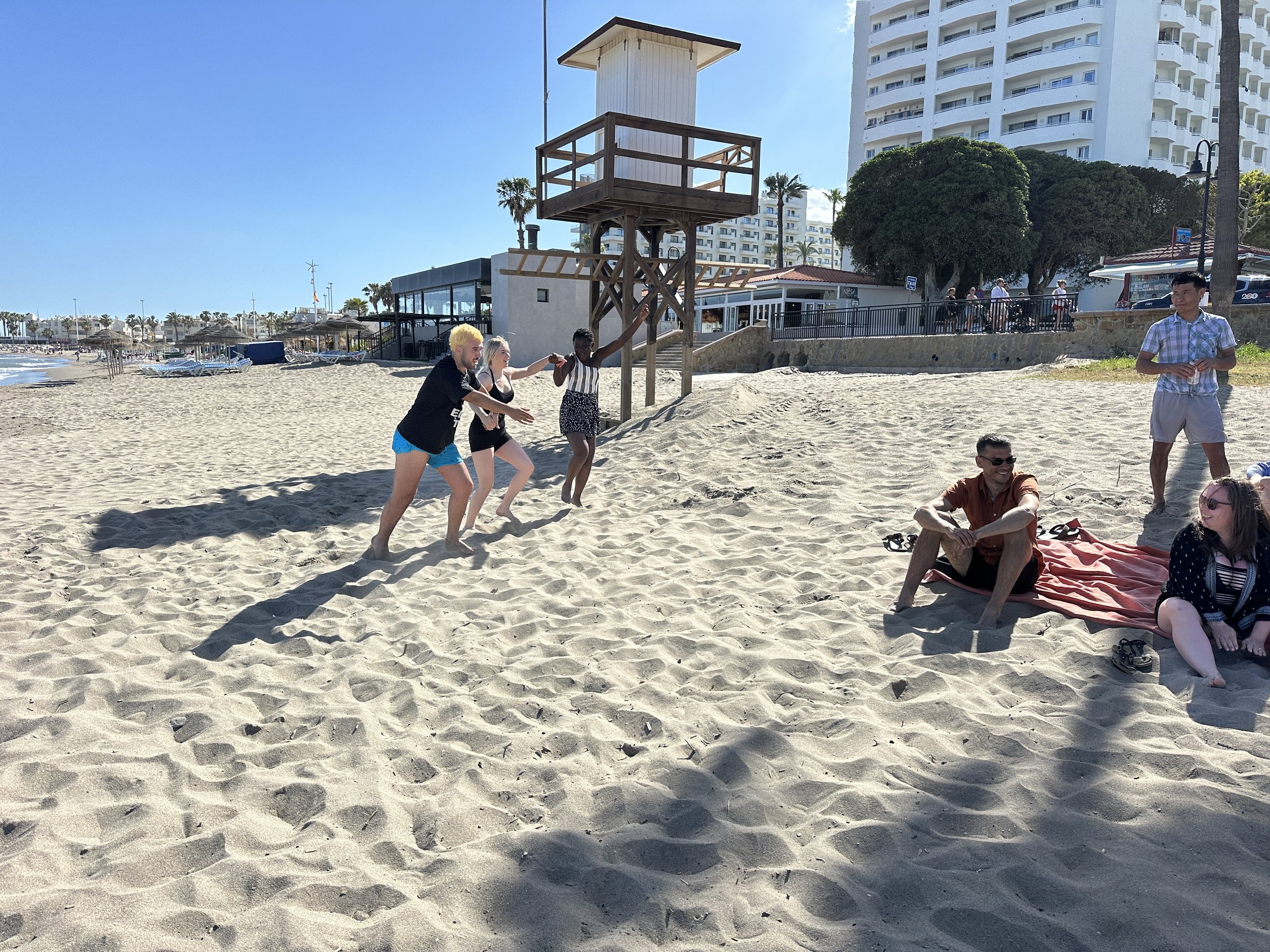
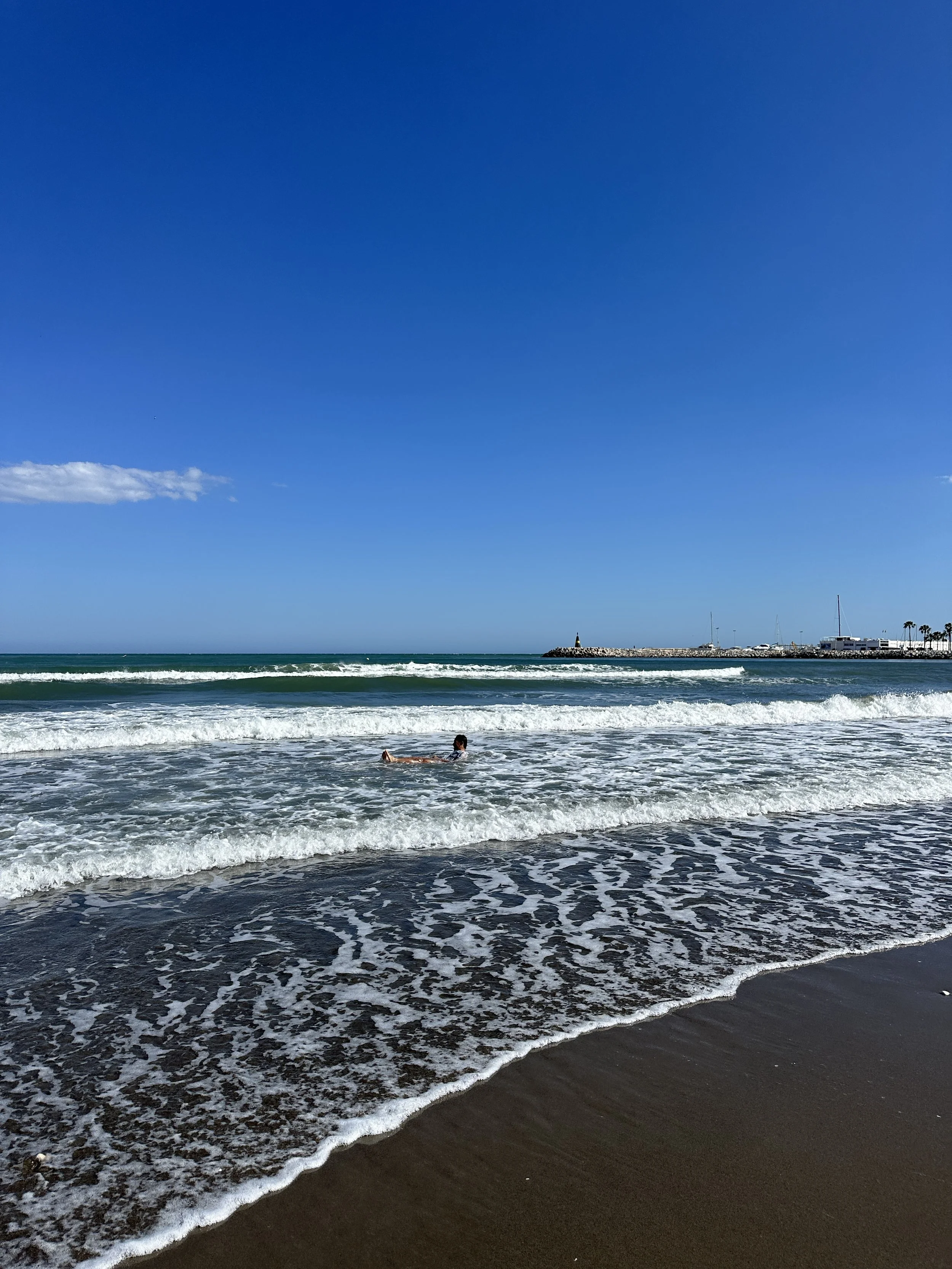
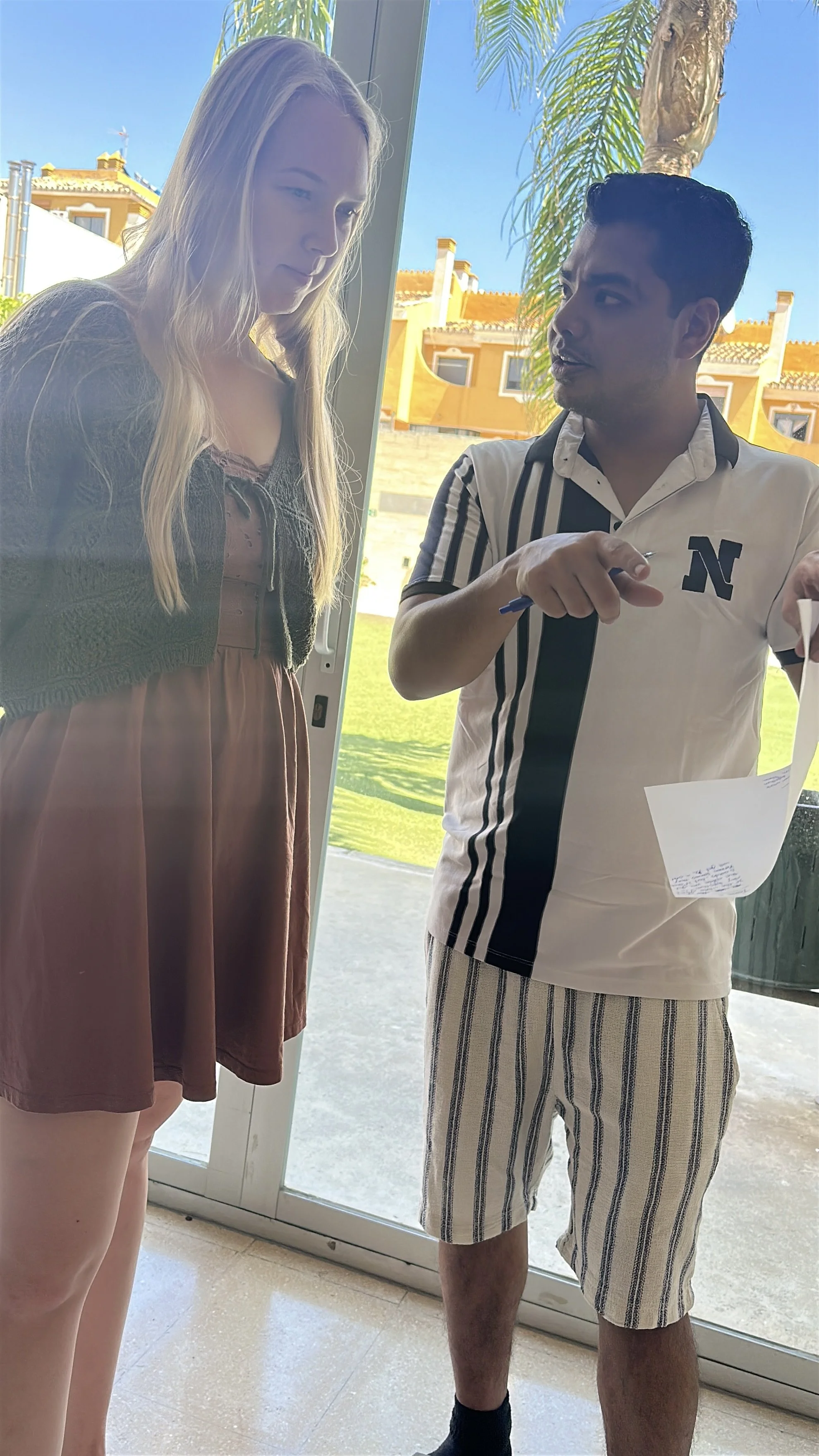
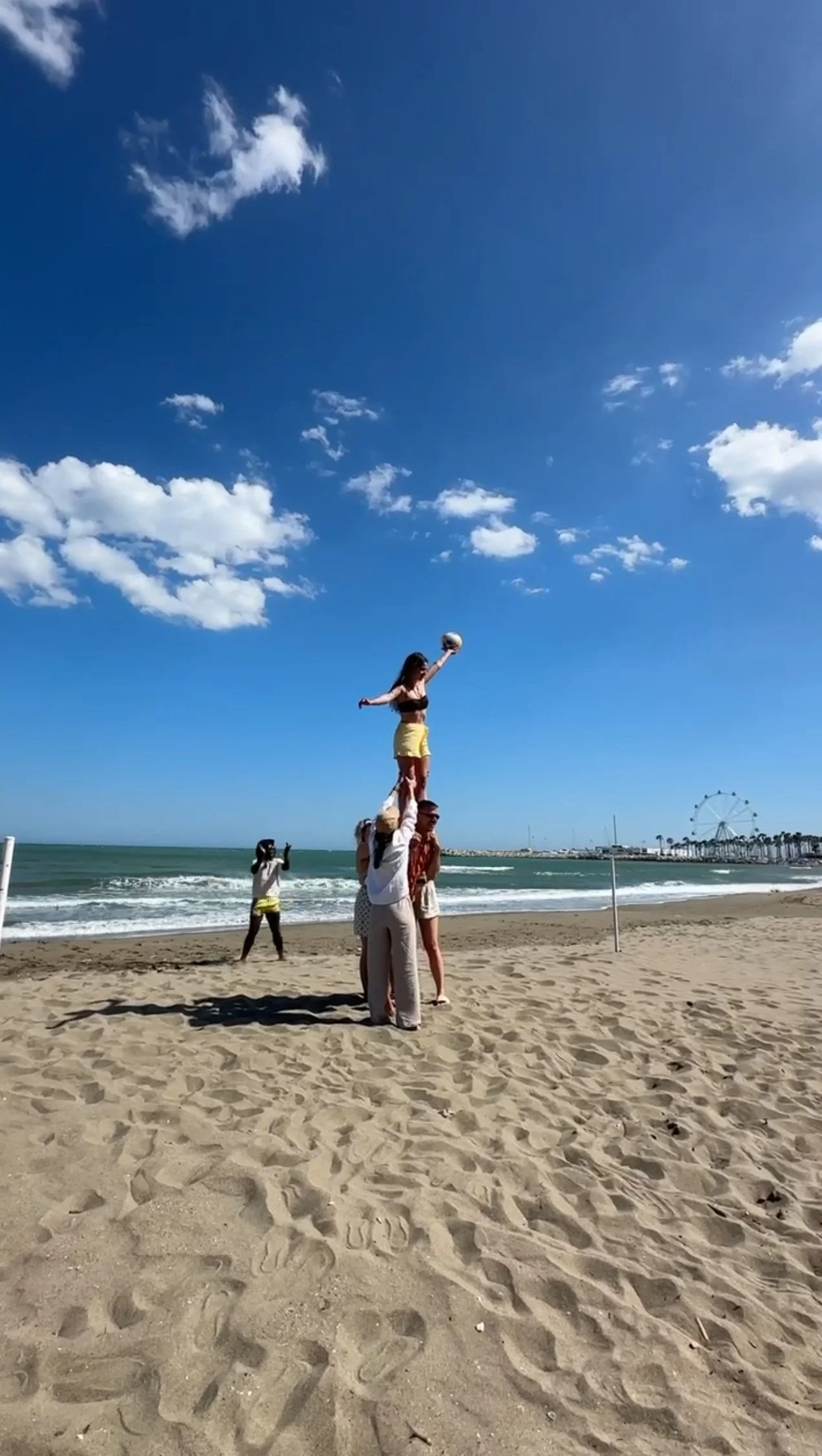
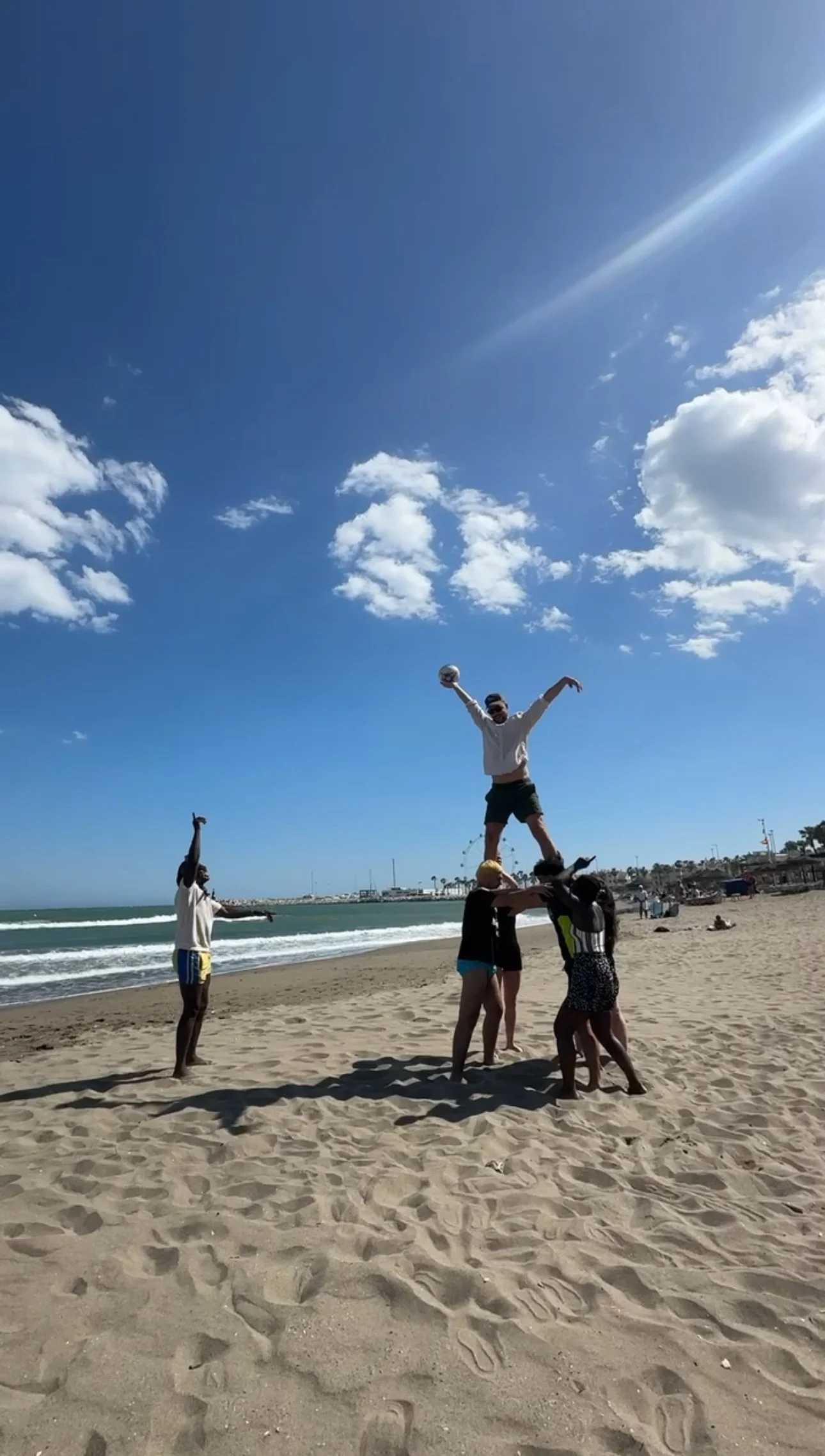
Throughout the week, participants engaged in activities such as simulations, discussions, group work, a mock trial on equality and equity, community-building exercises, and reflective learning experiences. The symbolic silent journey at Playa de la Carihuela offered a powerful opportunity to reflect on migration routes across the Mediterranean and the human stories behind them.
What Participants Learned
During the project, participants:
Explored the different forms, causes, and realities of migration.
Learned about forced migration, displacement, and humanitarian crises.
Examined the relationship between climate change, ecological challenges, and migration.
Reflected on privilege, equality, equity, and social inclusion.
Developed intercultural communication and teamwork skills.
Increased their awareness of the role communities play in welcoming and supporting migrants.
Learned about community resilience and inclusion following crises.
Strengthened their ability to think critically about migration narratives and stereotypes.
Developed action plans for future initiatives and local impact in their own communities.
Learning Through Reflection and Experience
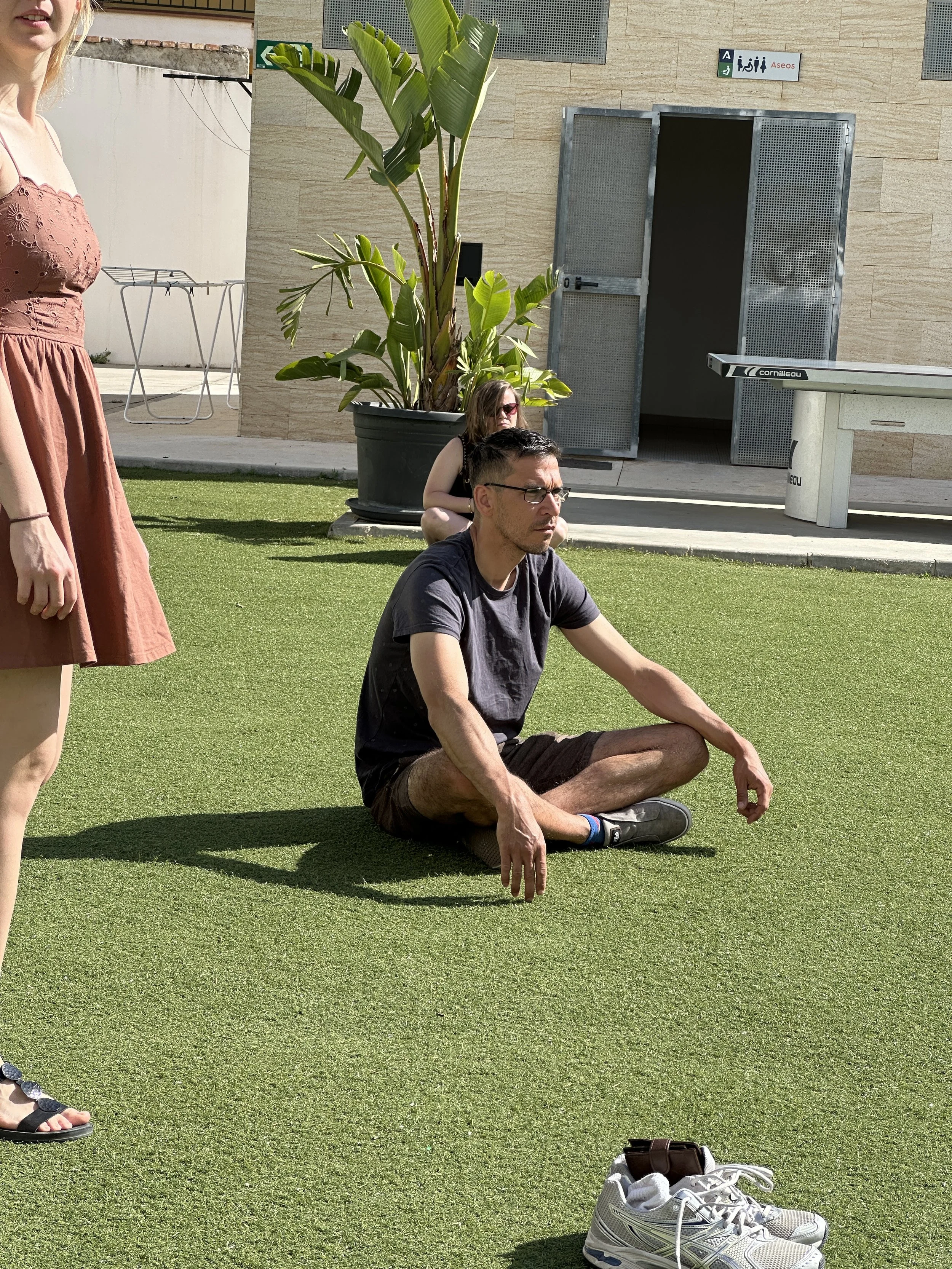
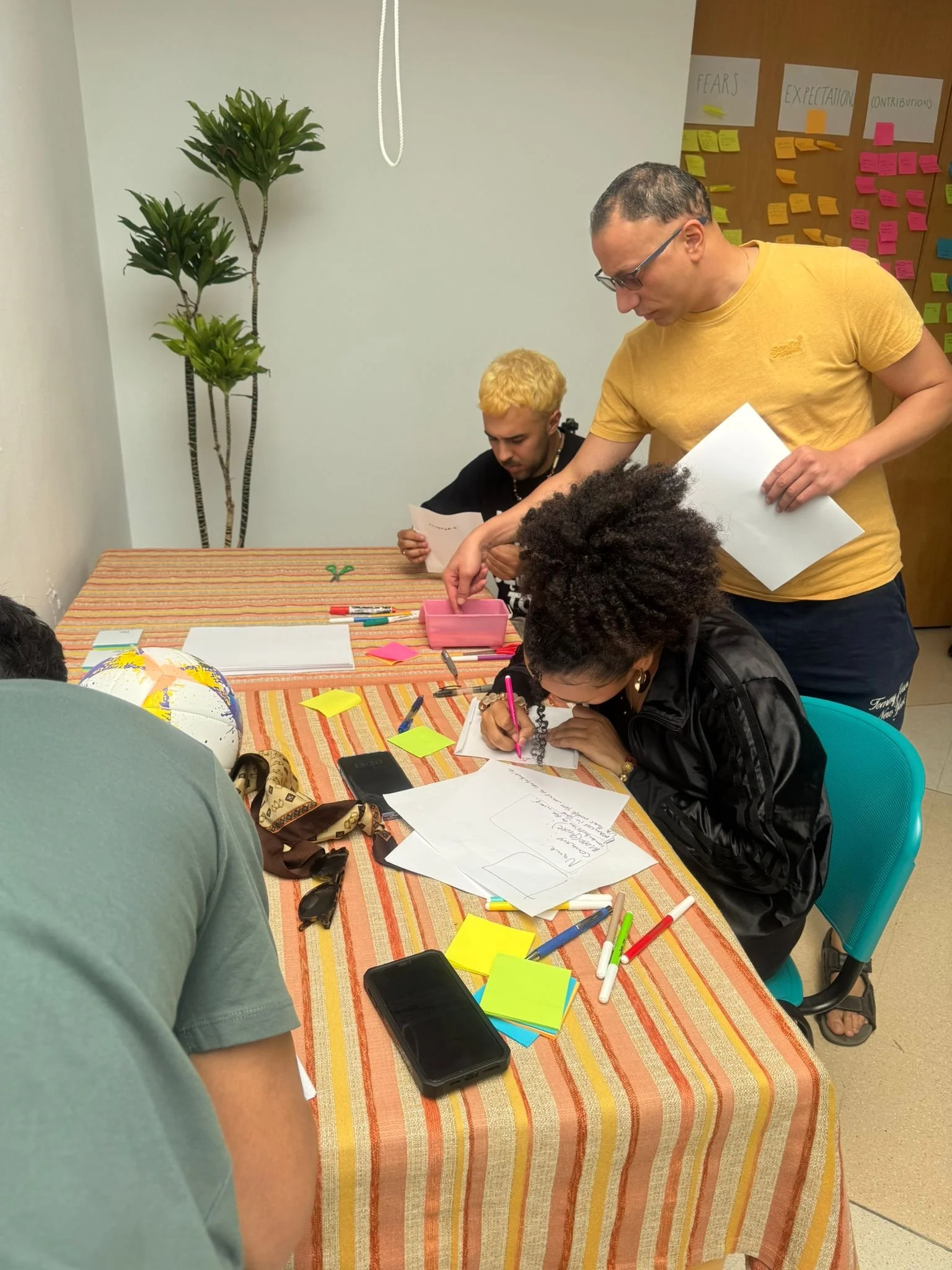
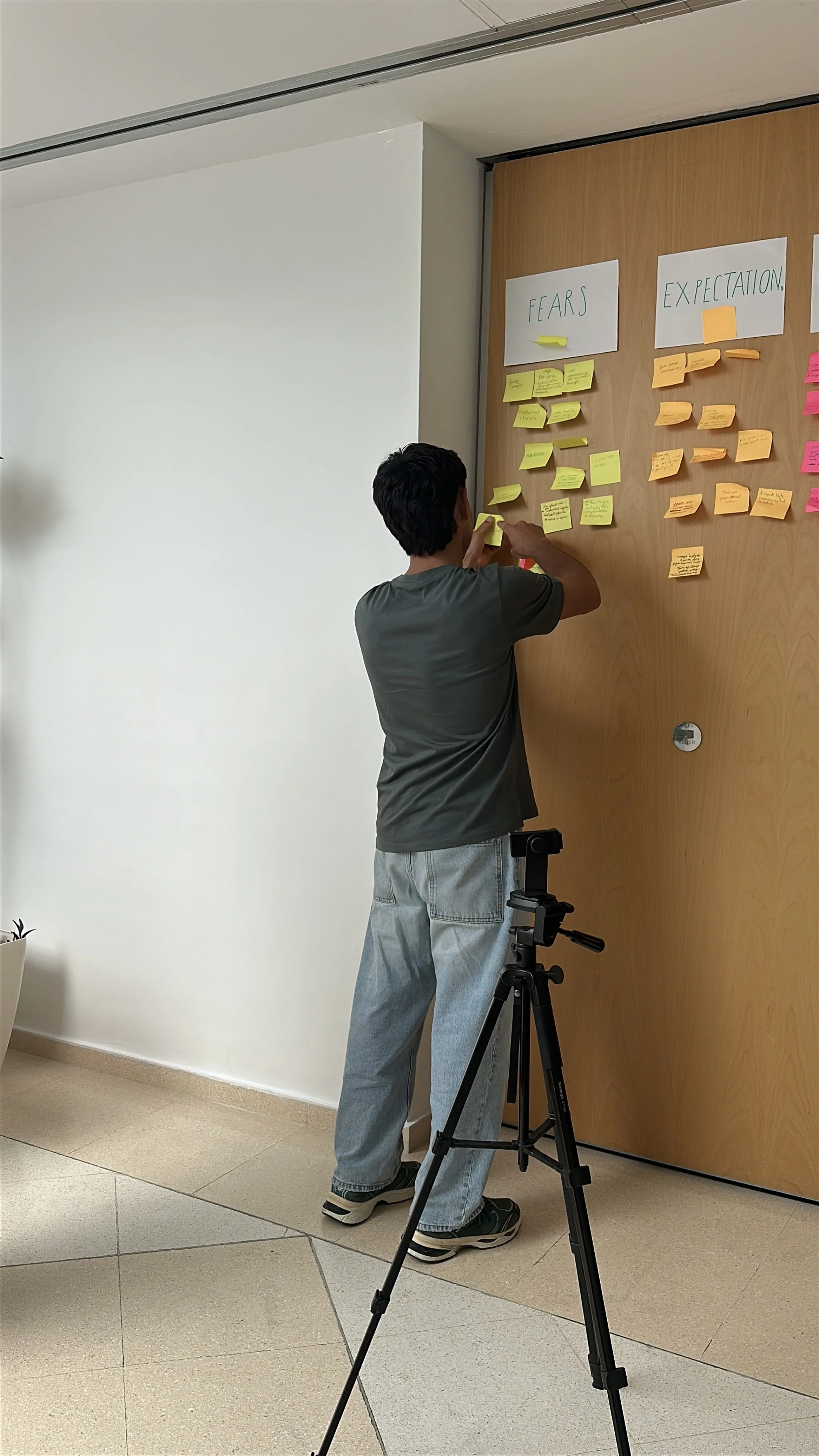
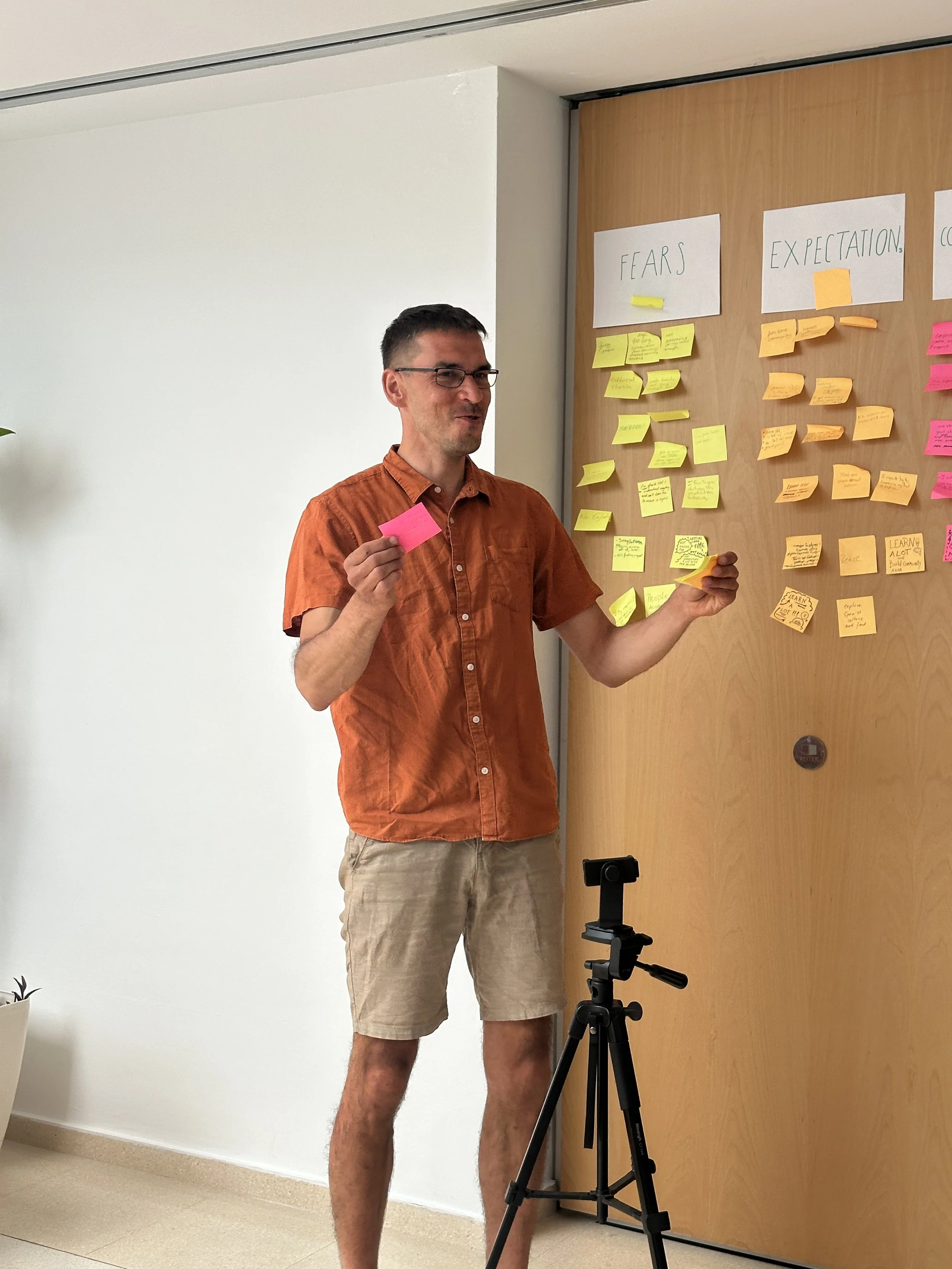
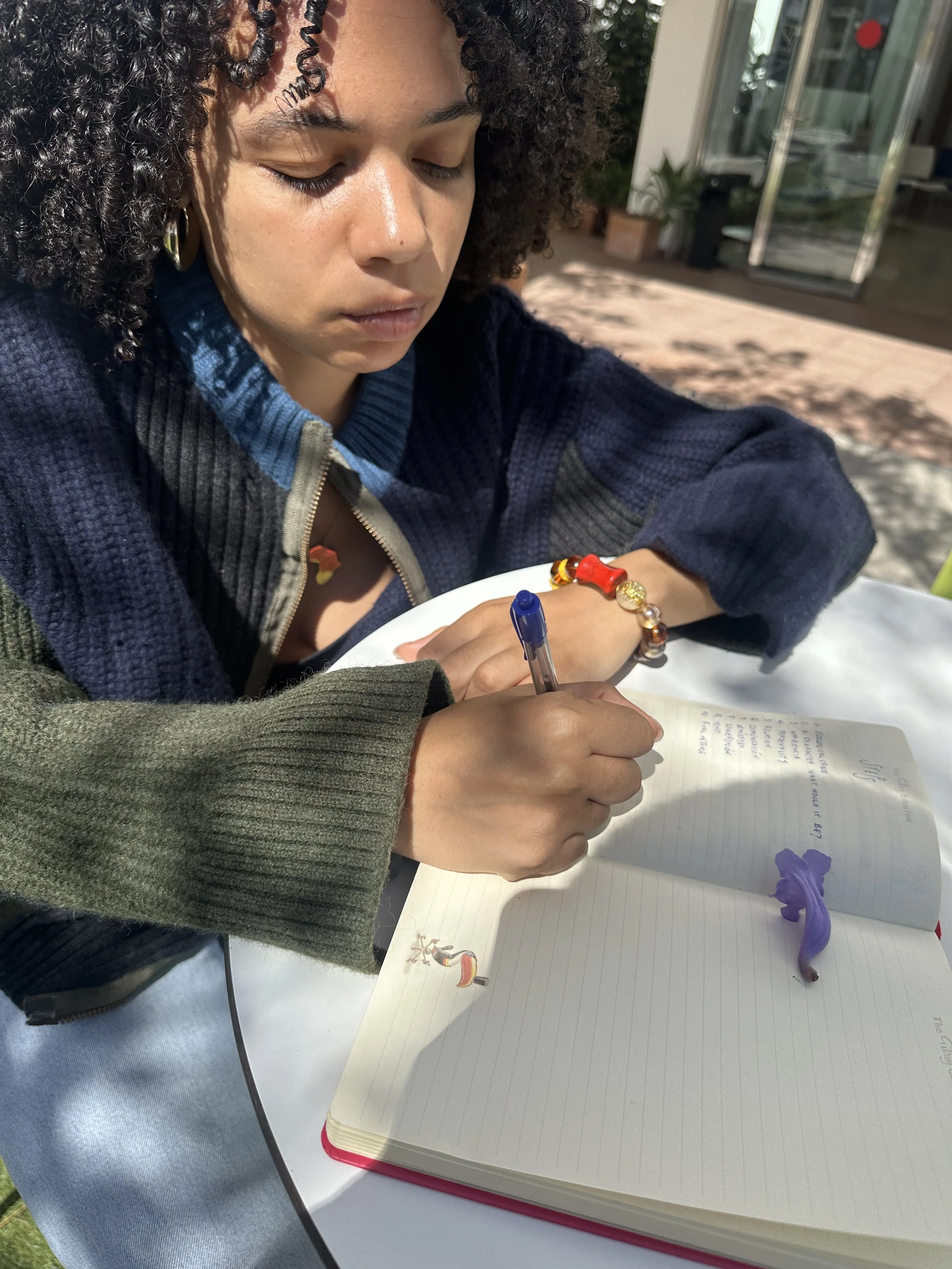
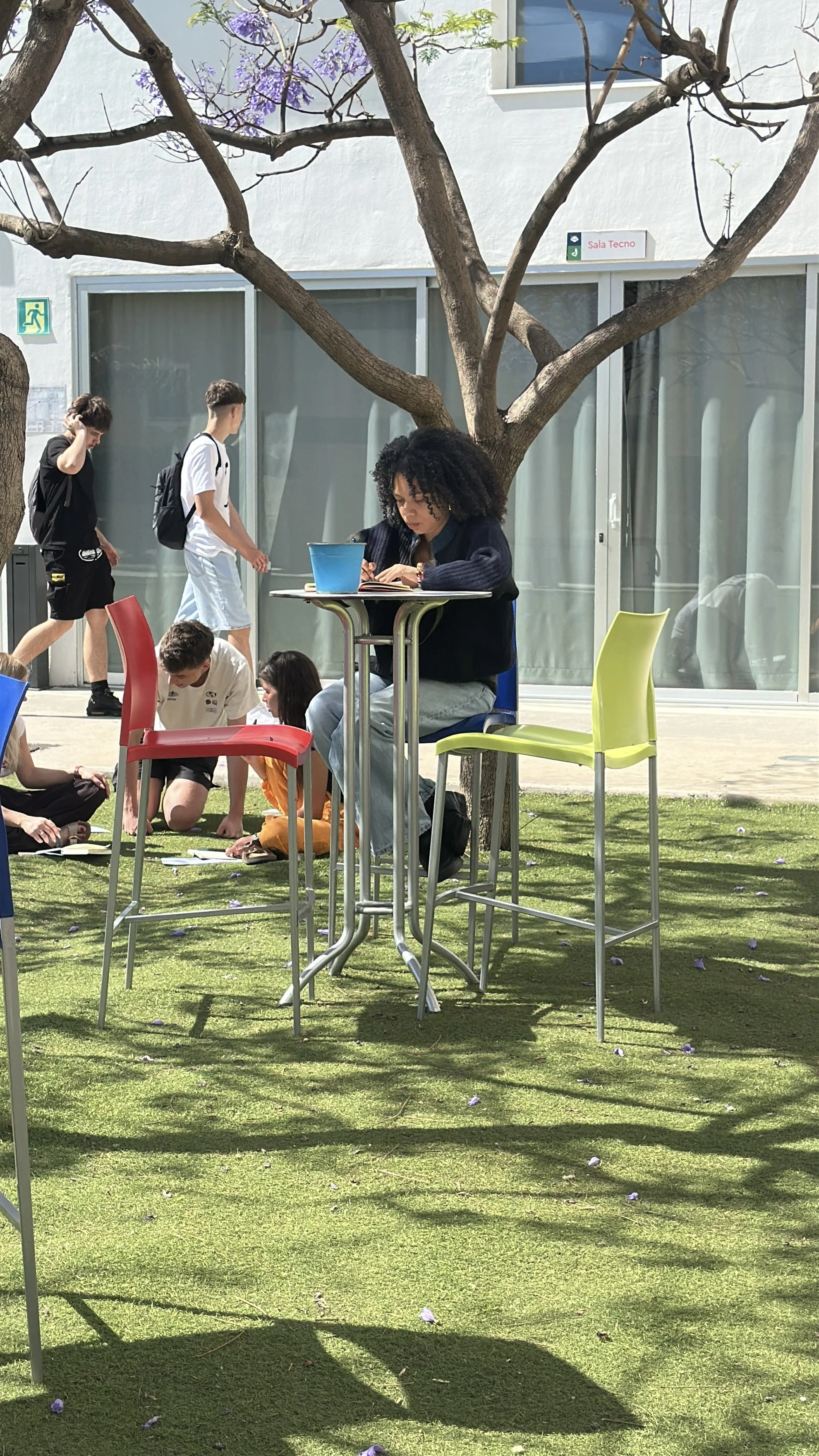
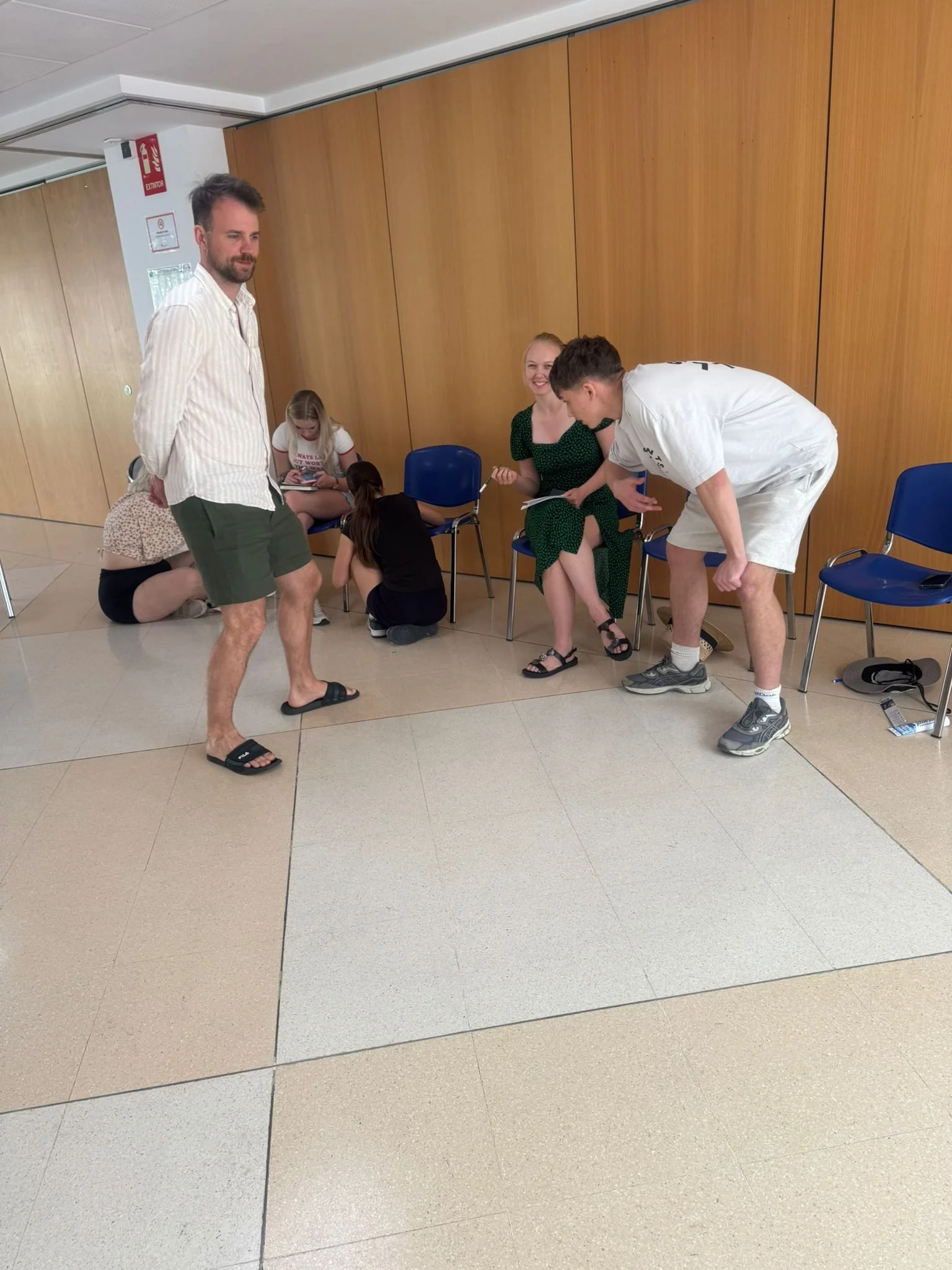
The project emphasised non-formal education methods, allowing participants to learn through experience rather than traditional classroom teaching. Daily reflection sessions helped participants process new knowledge, connect it to their personal experiences, and exchange ideas with peers from diverse cultural backgrounds.
The Youthpass process encouraged participants to recognise and reflect on the competences they developed throughout the exchange, including communication, teamwork, cultural awareness, problem-solving, and civic engagement.
❋
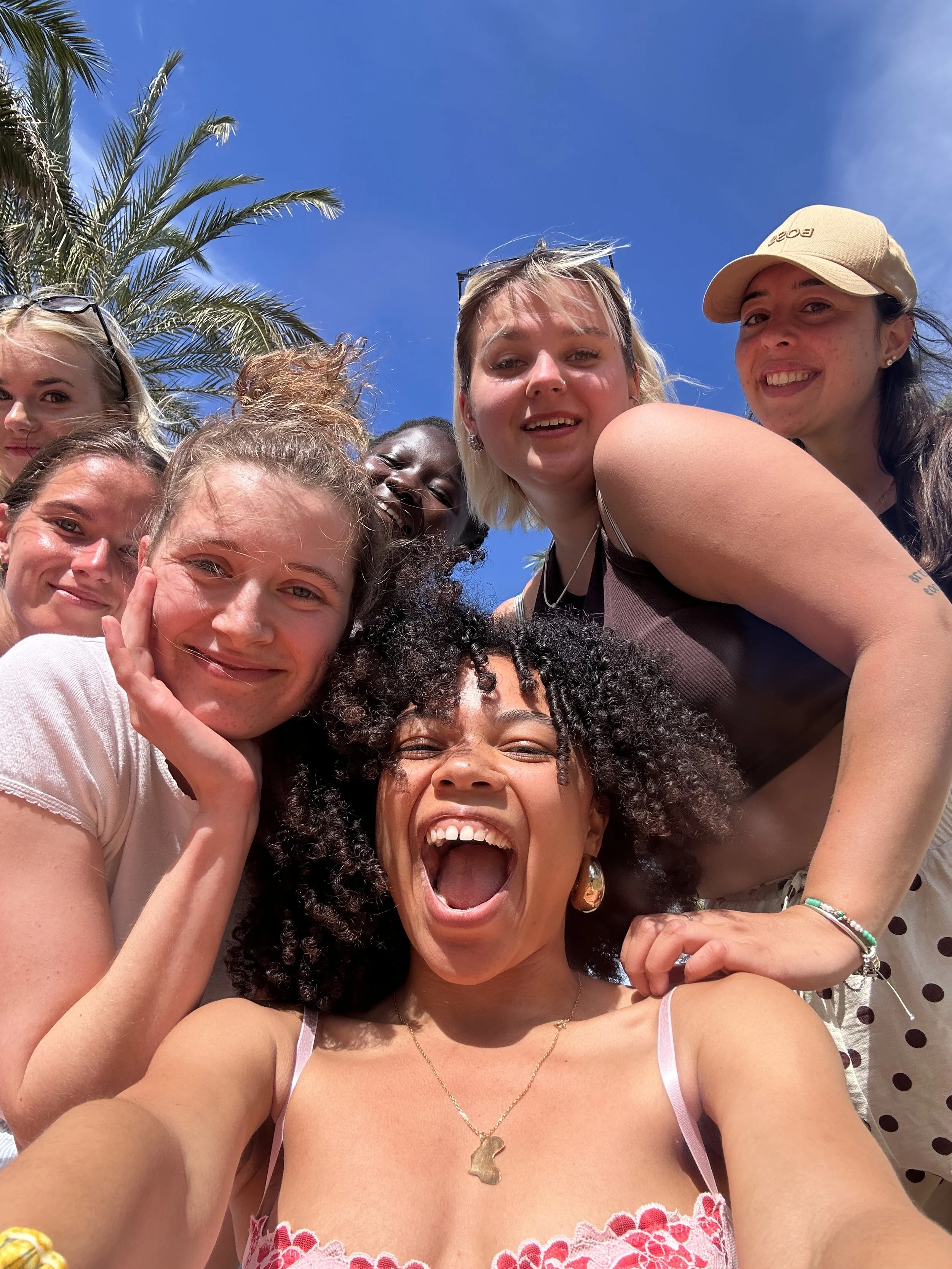
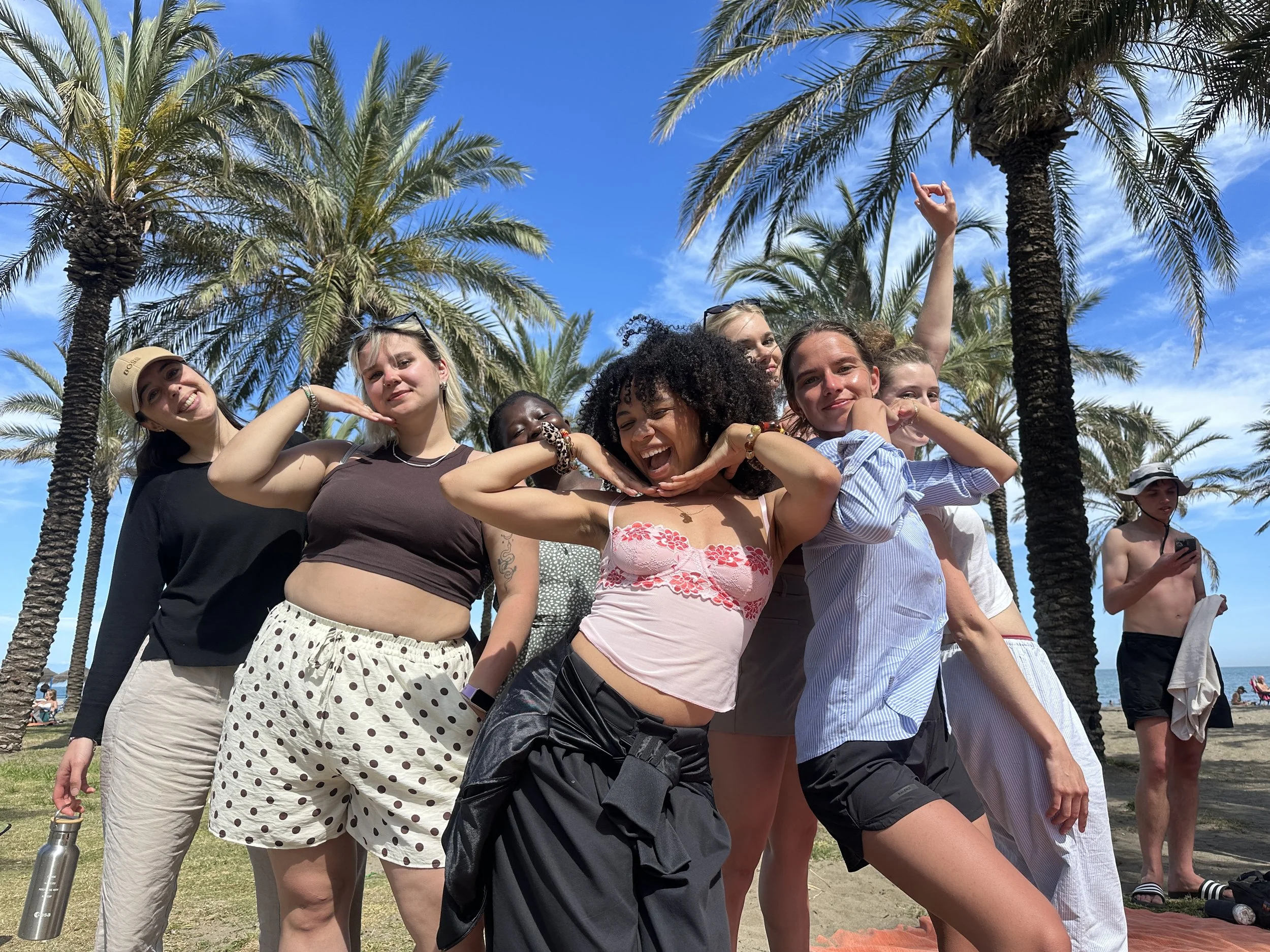
14th-20th May | Torremolinos Malaga - SpainParticipants' Experience
Cultural Exchange and Exploring the City
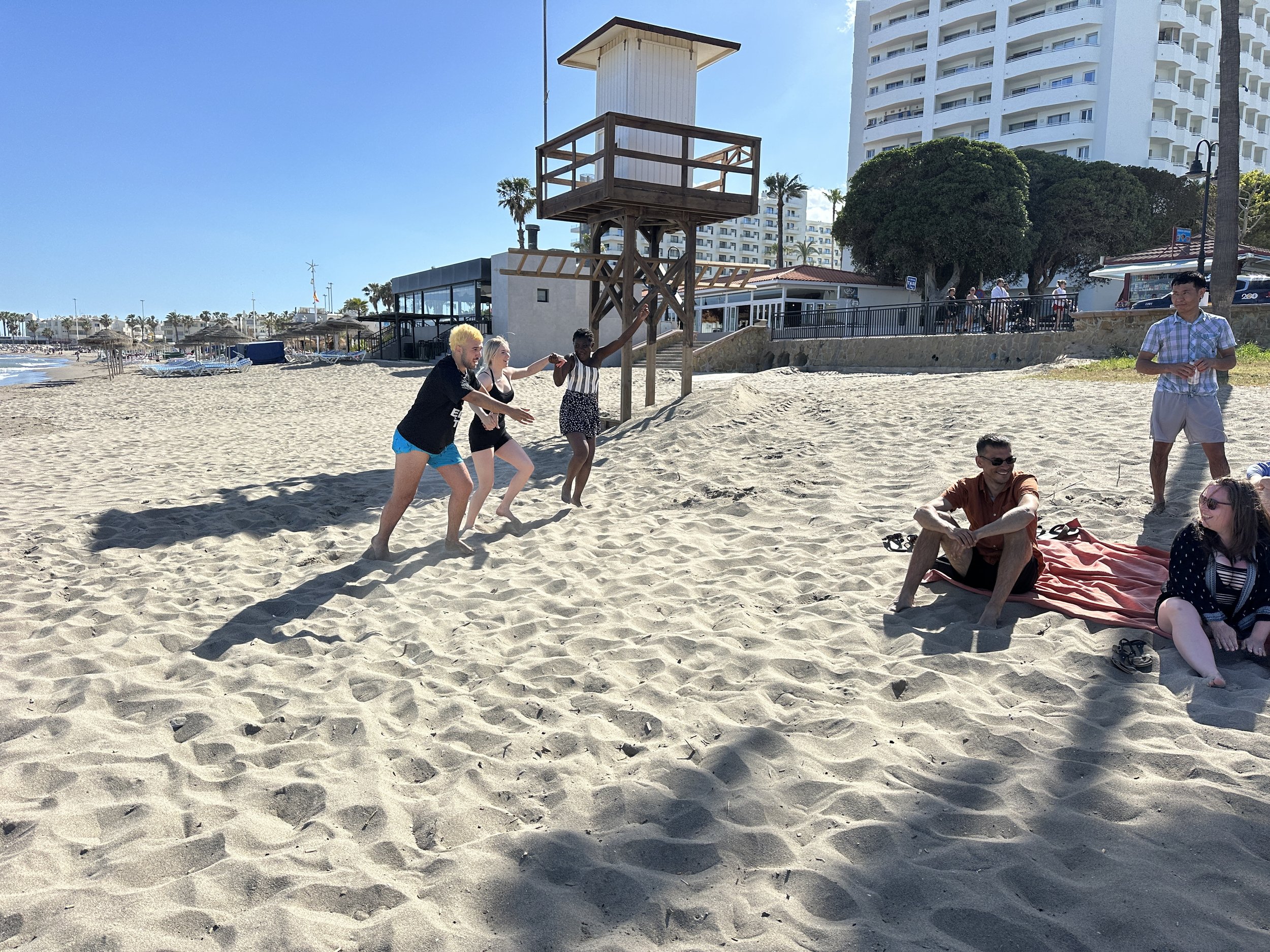
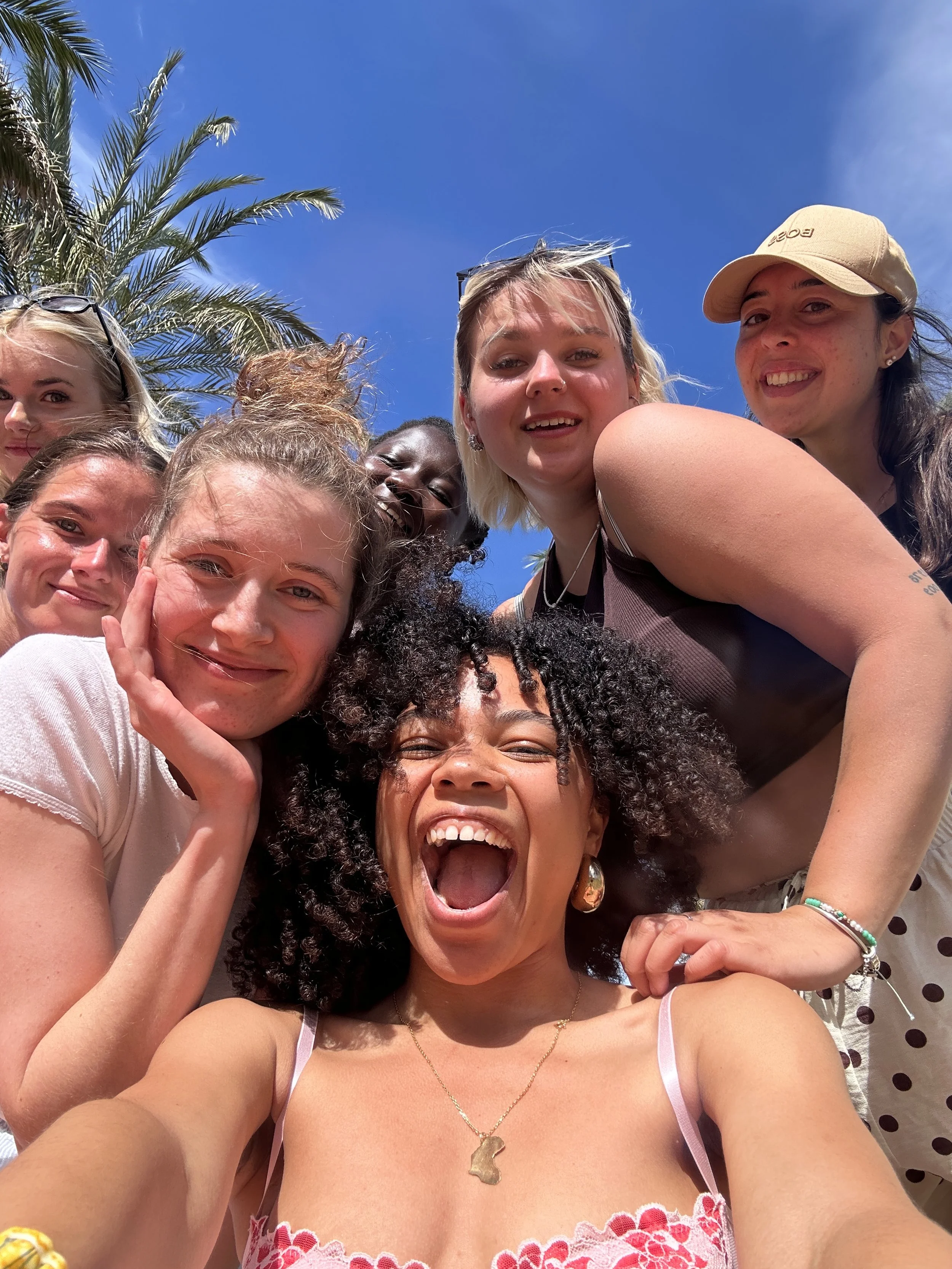
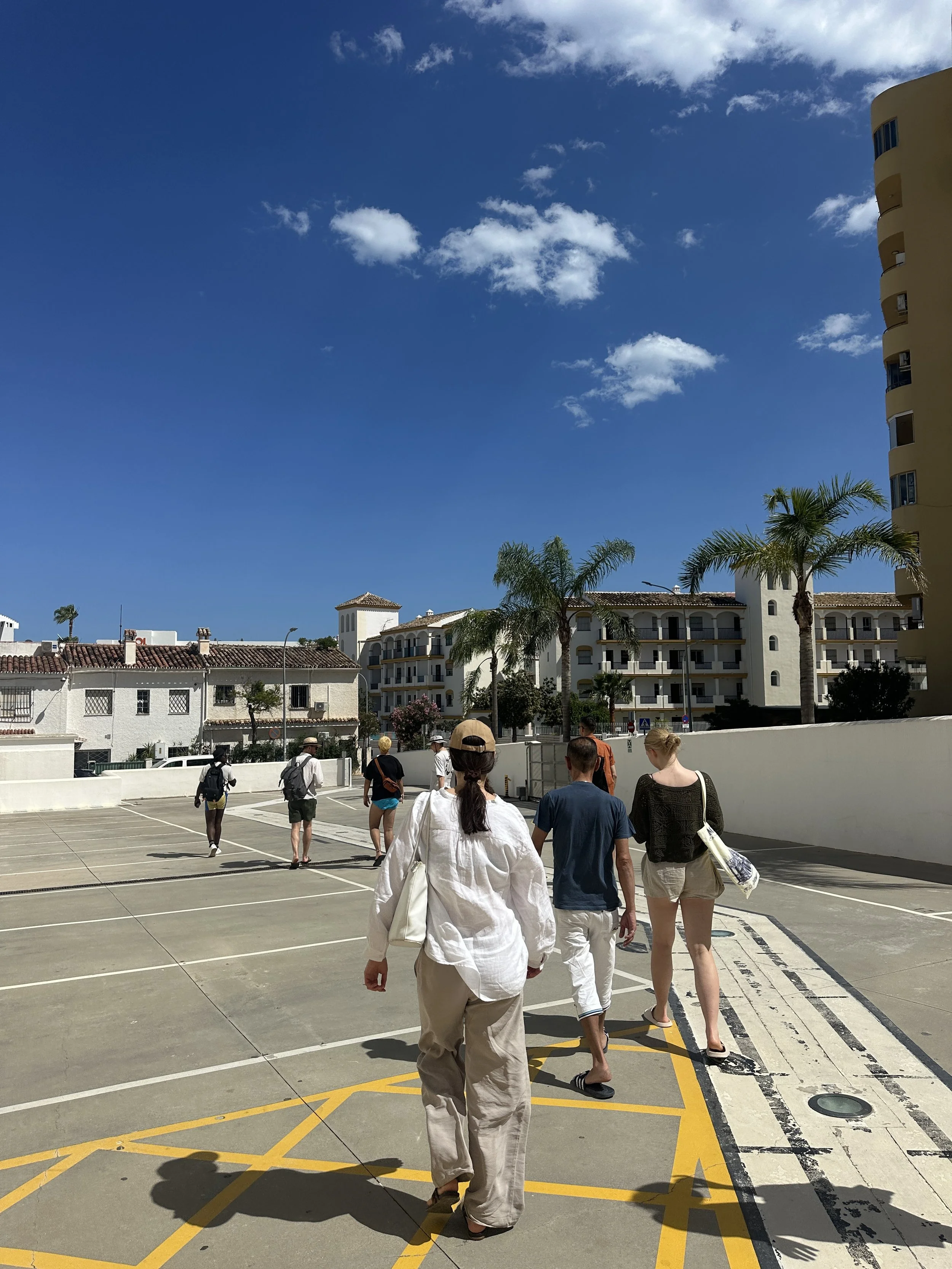
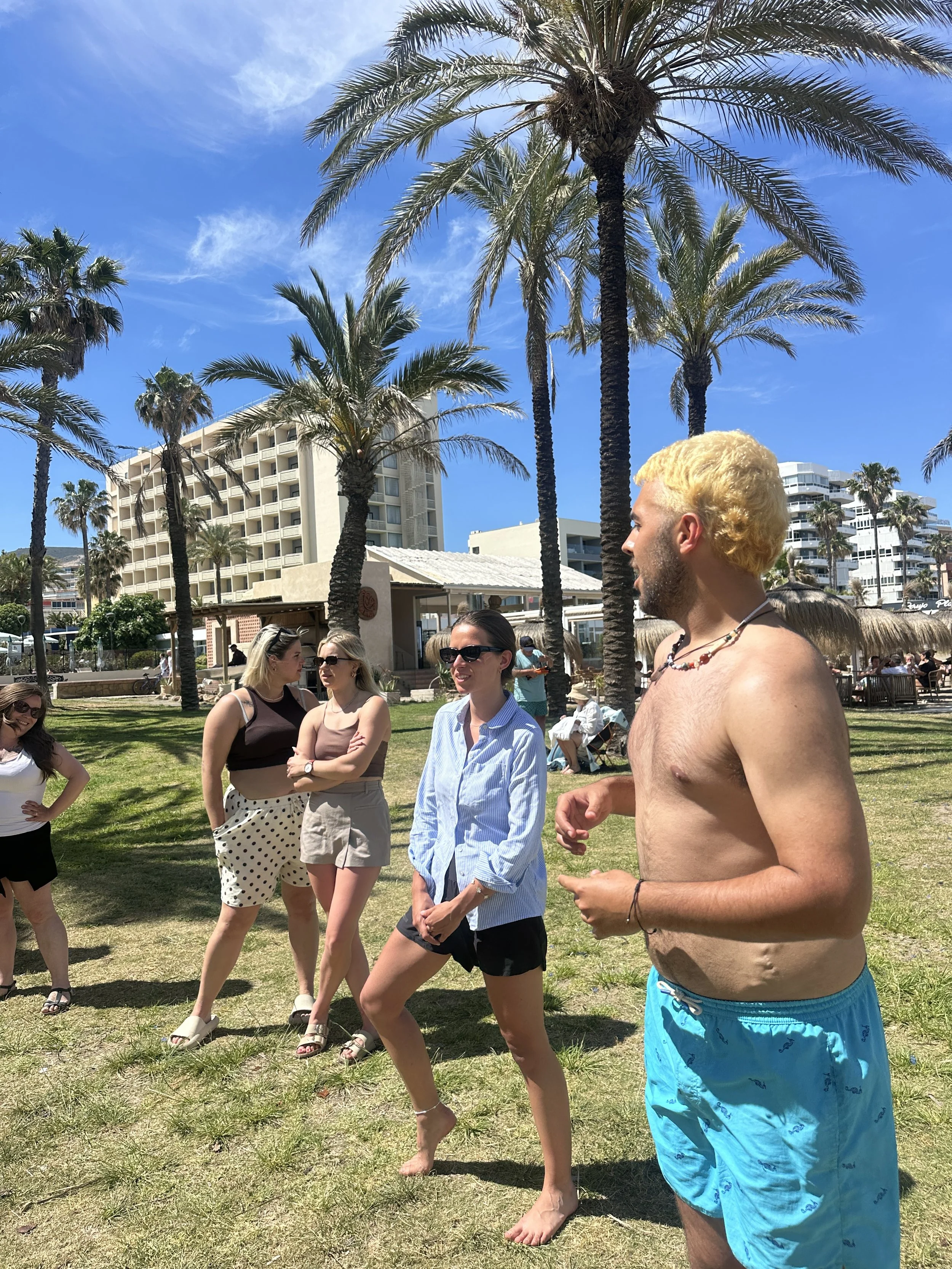
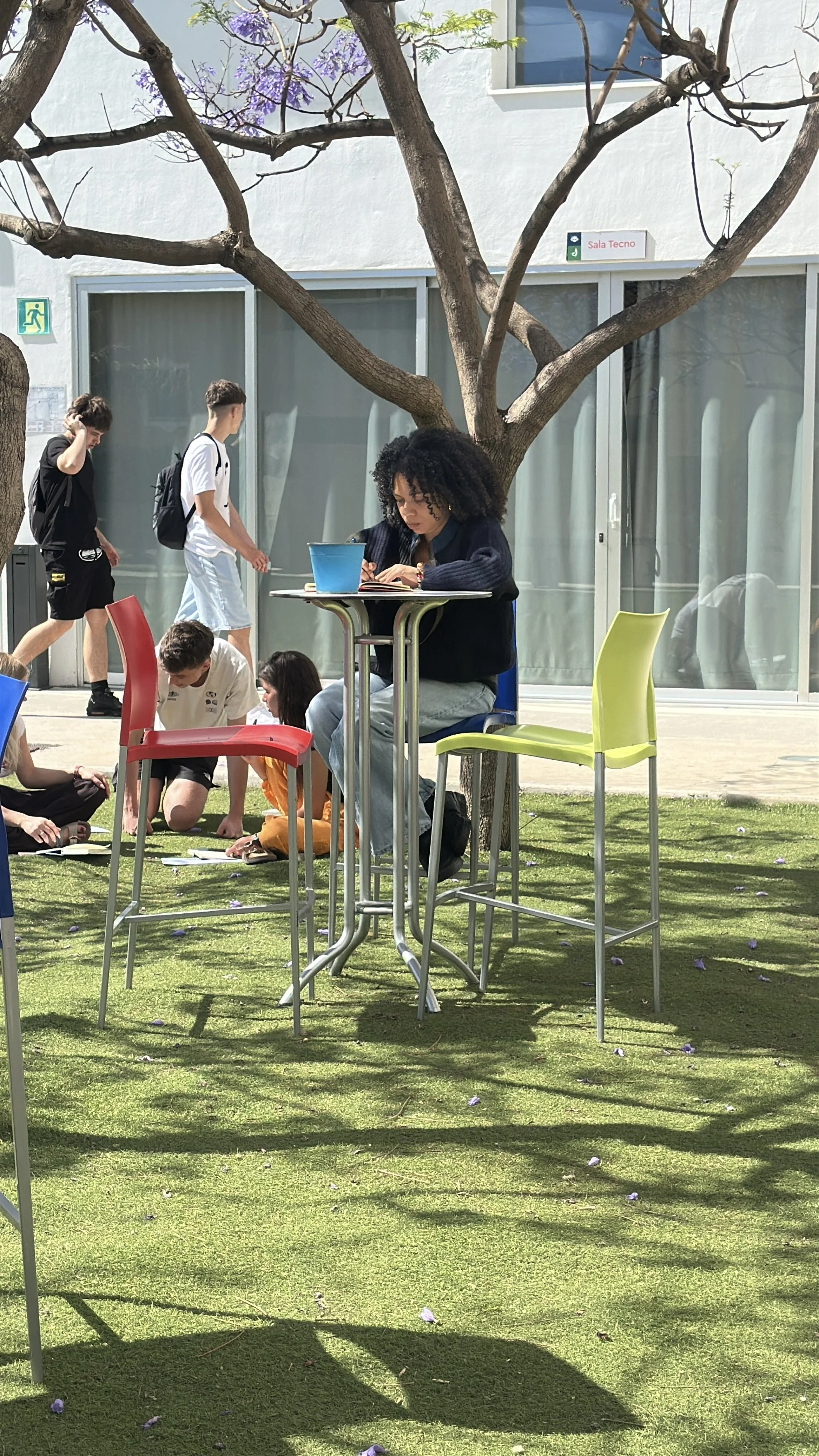
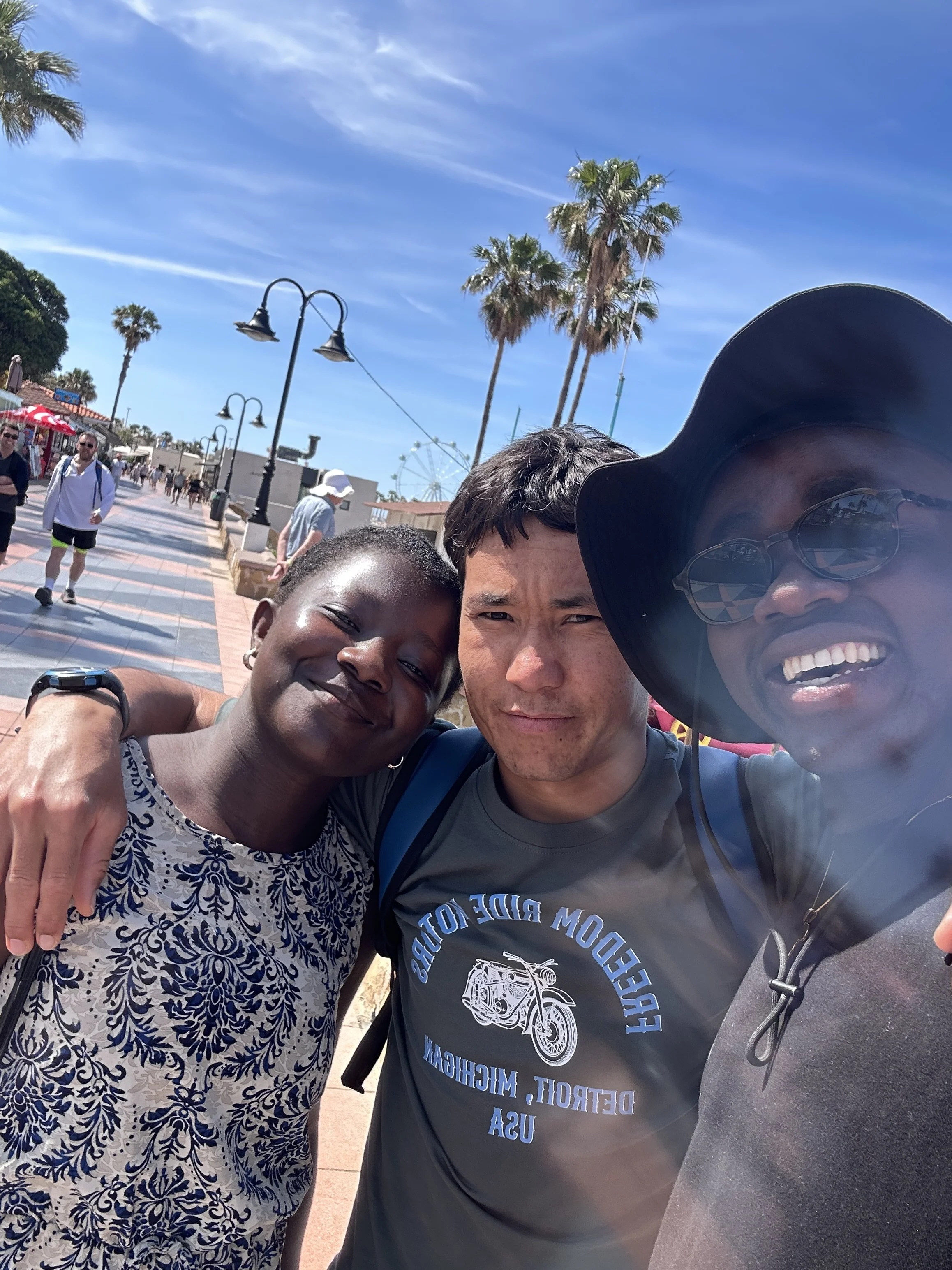
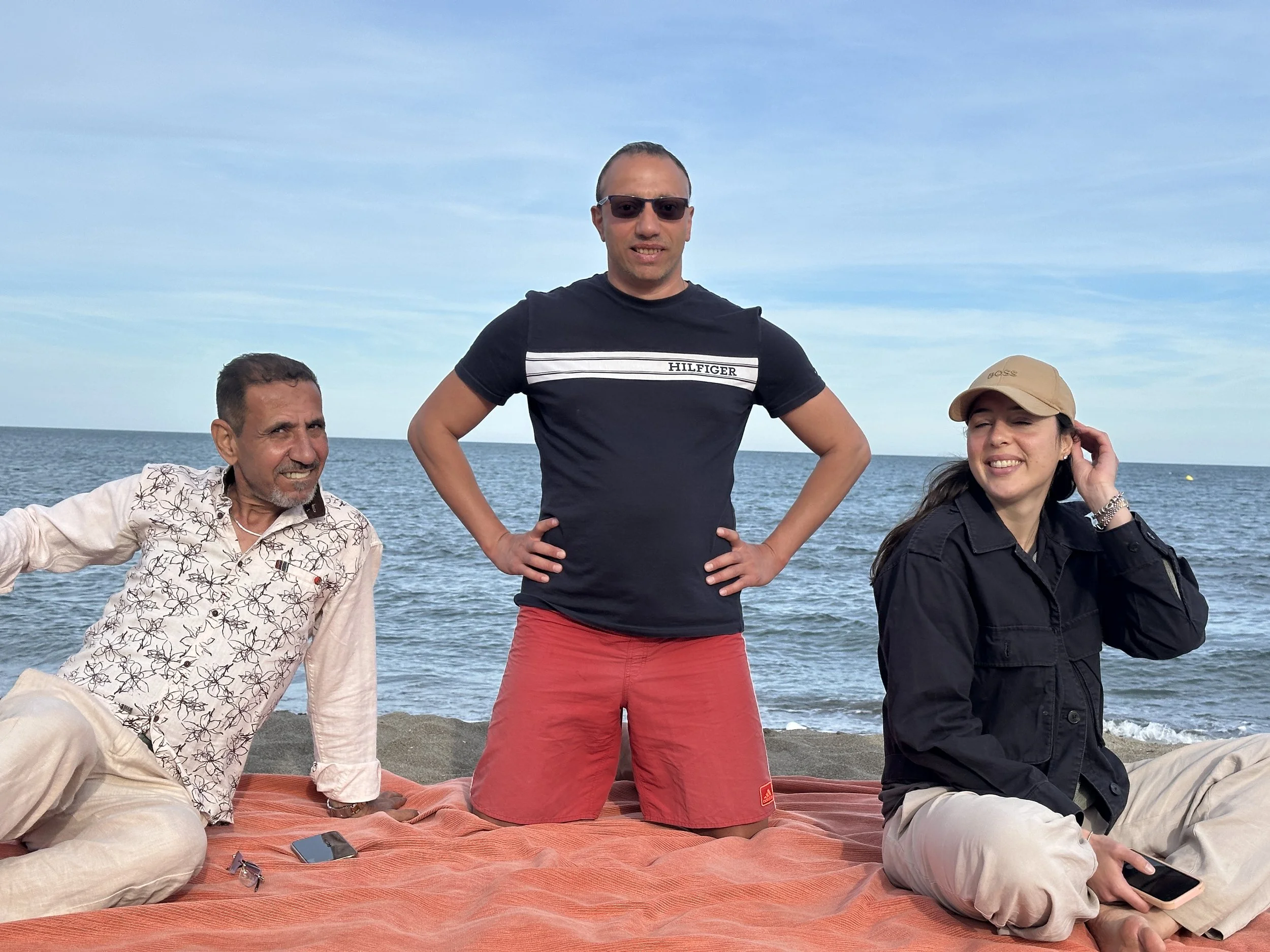
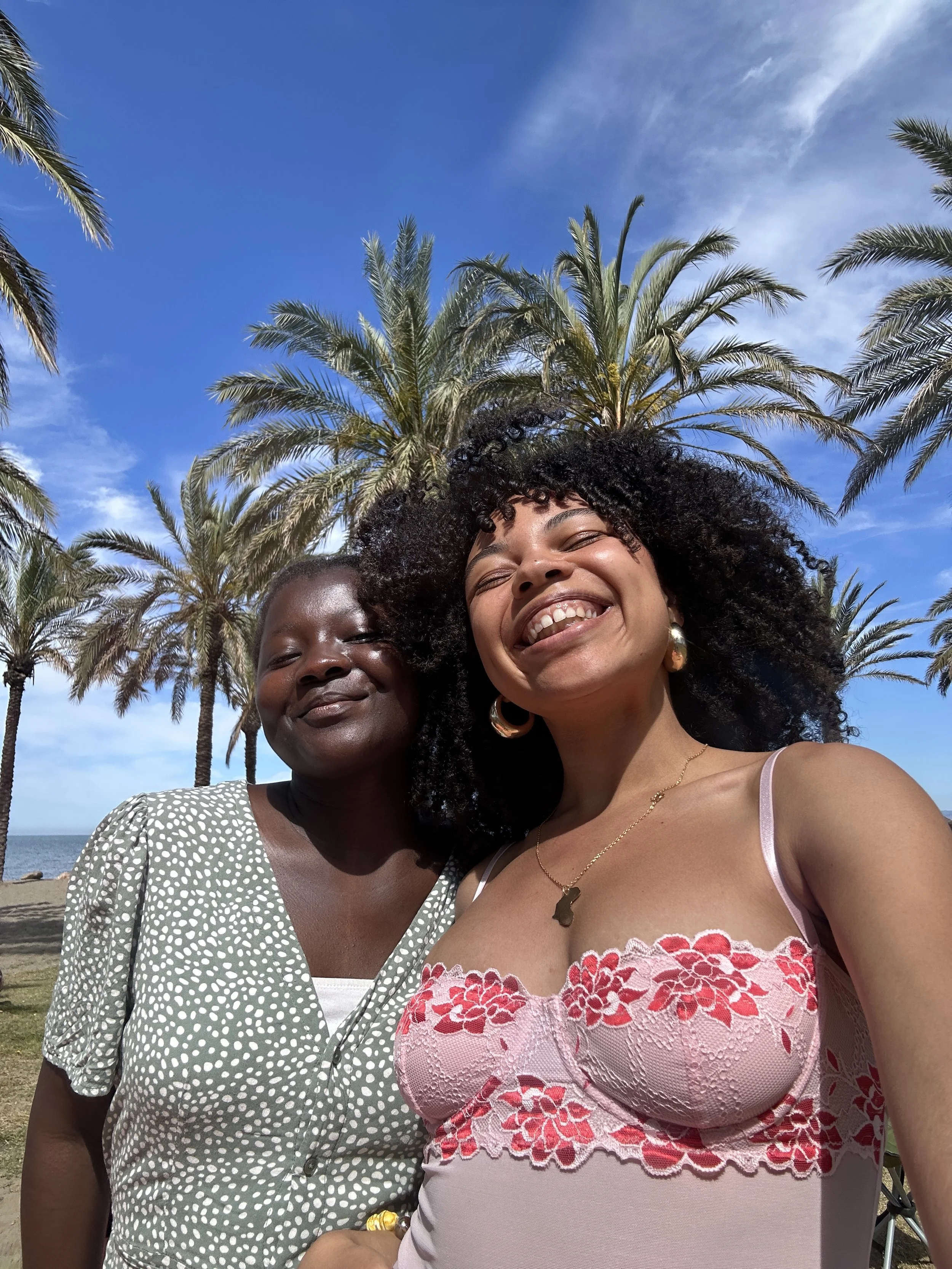
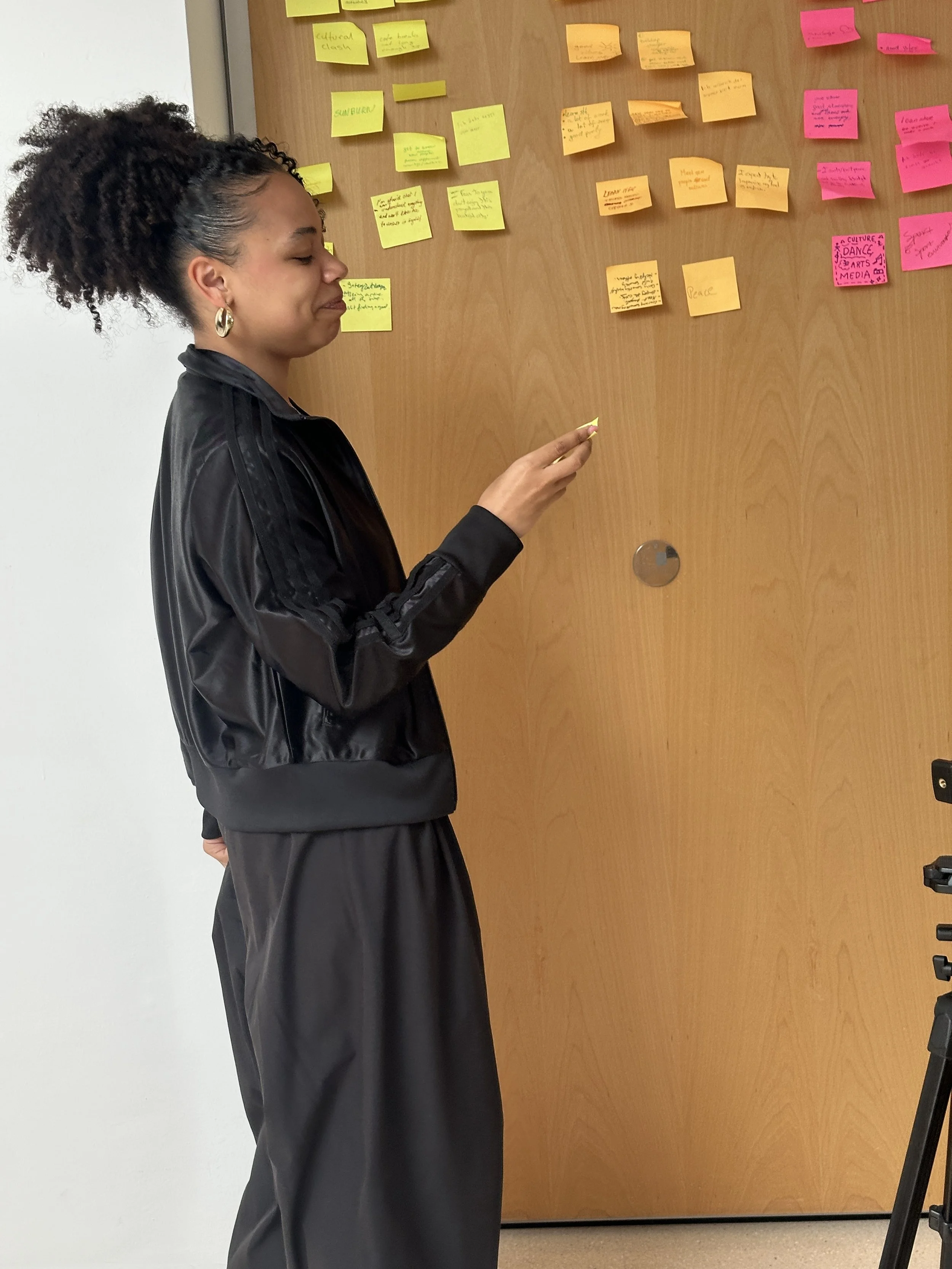
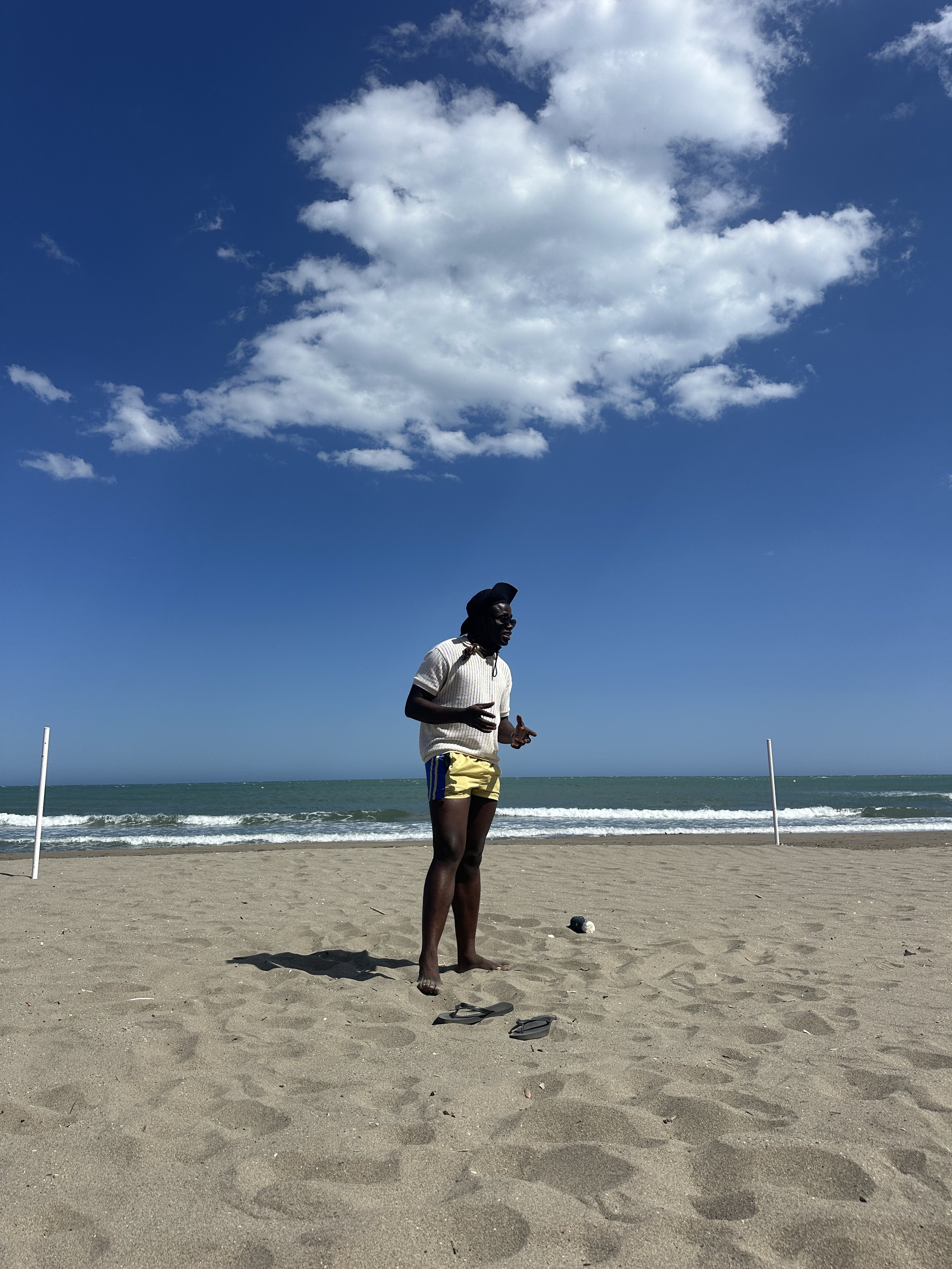
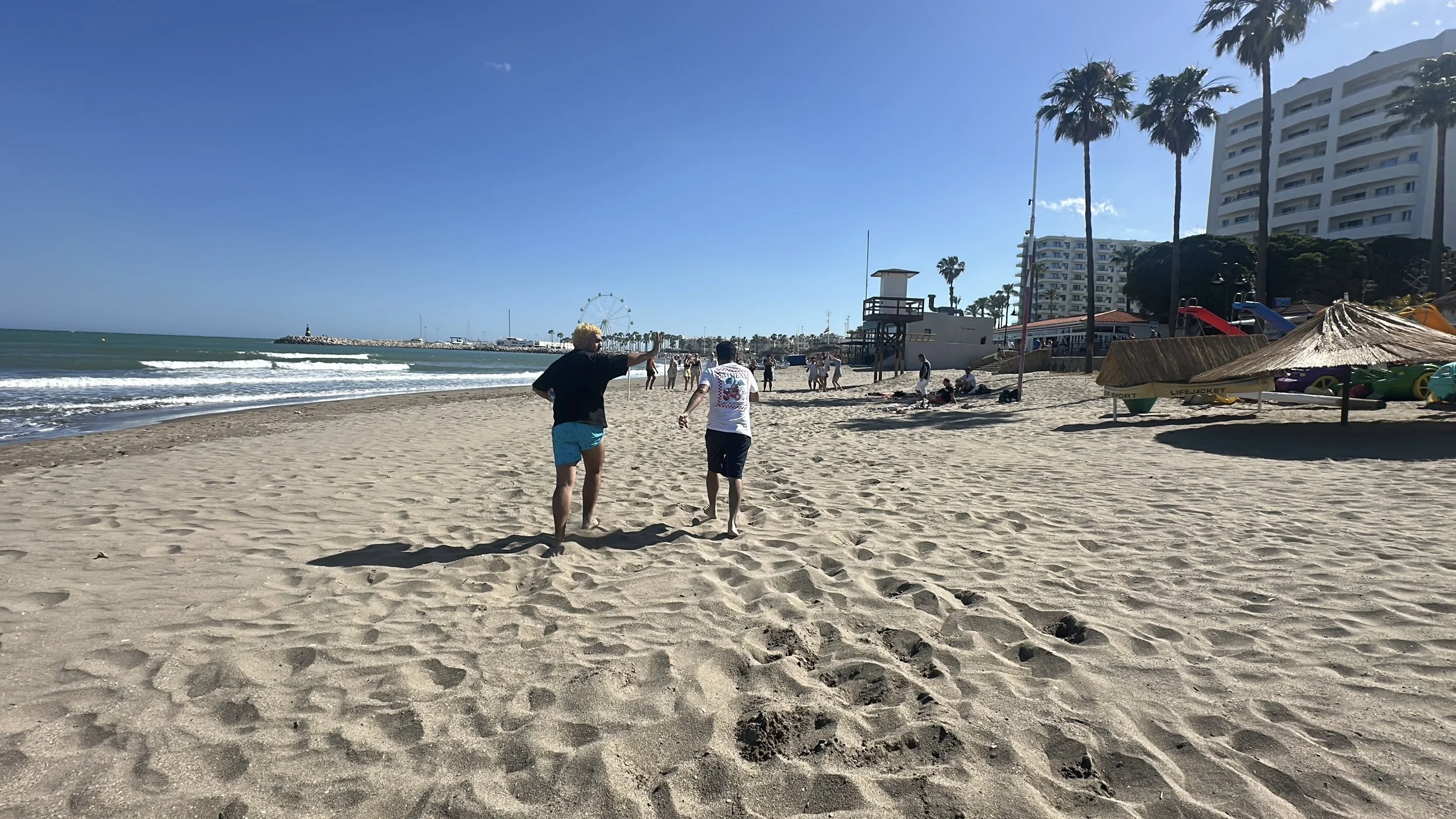
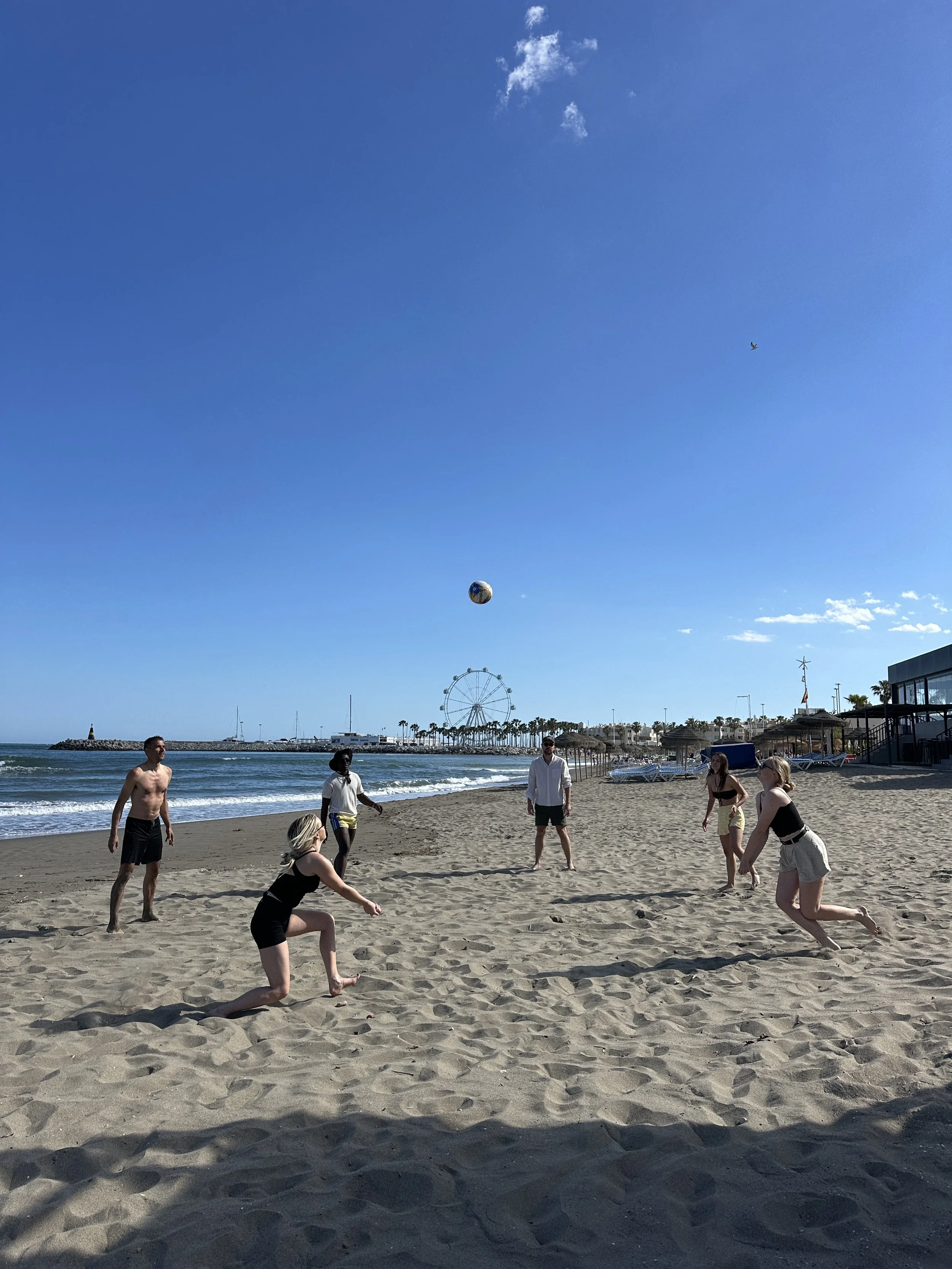
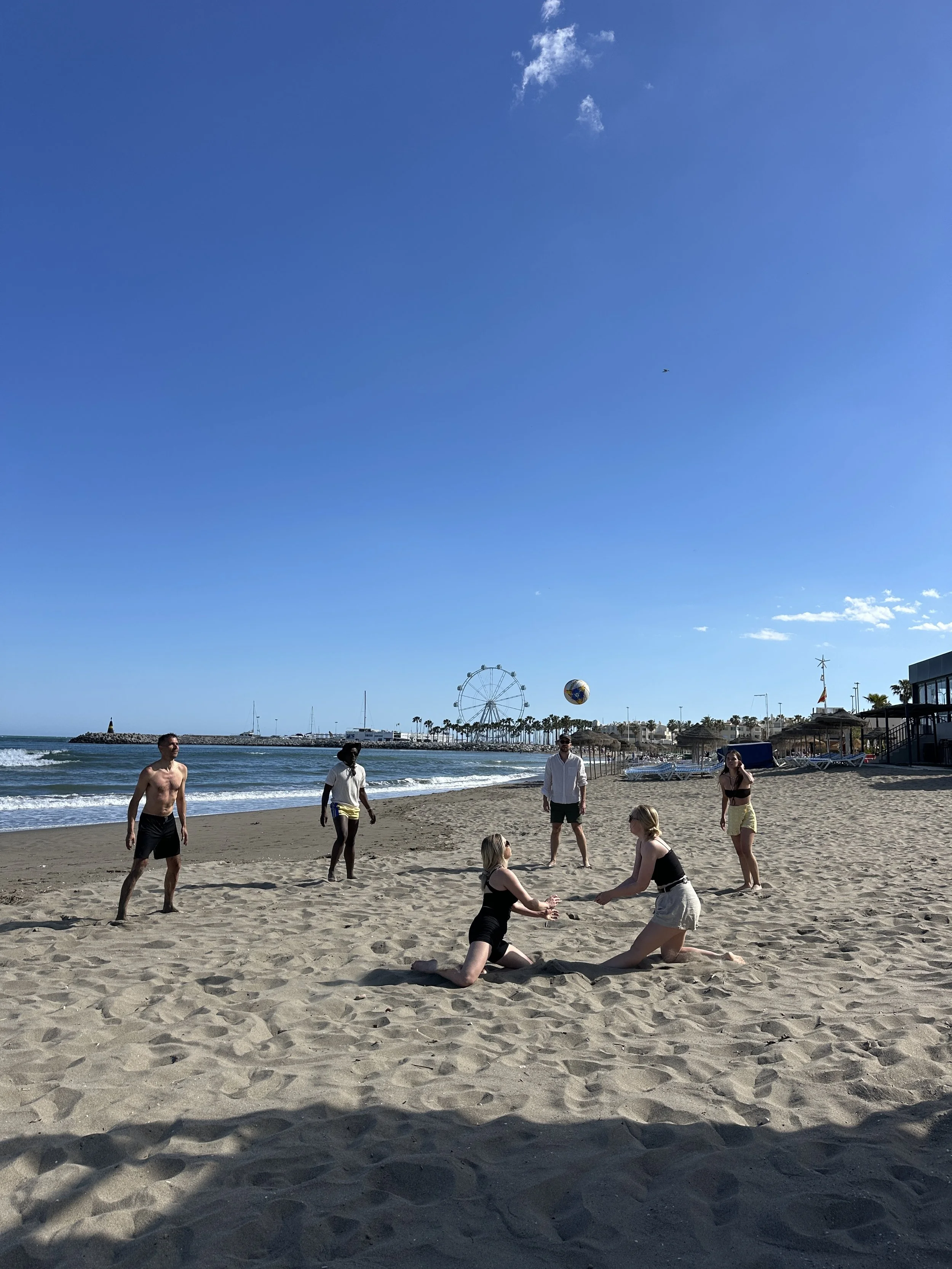
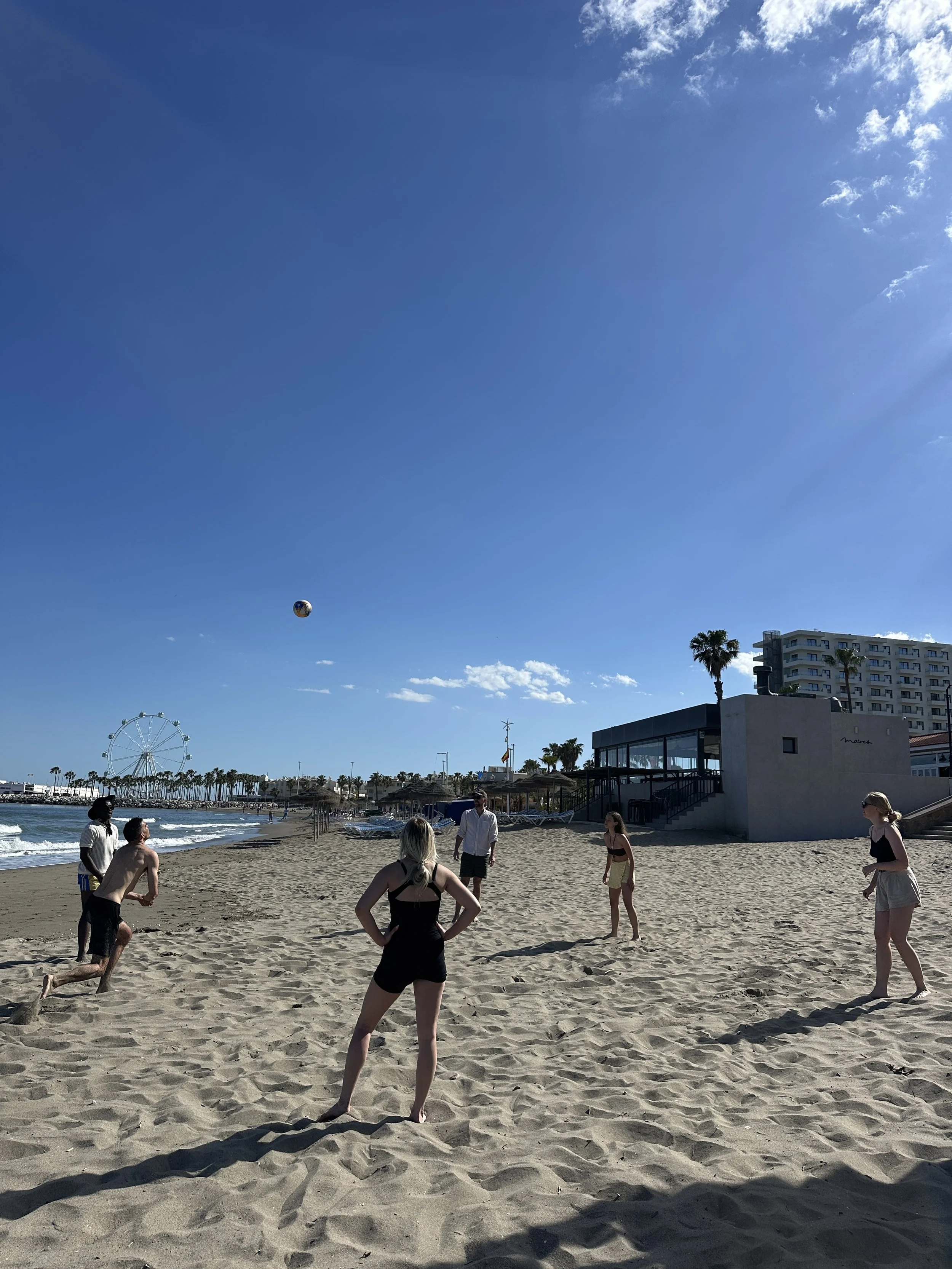
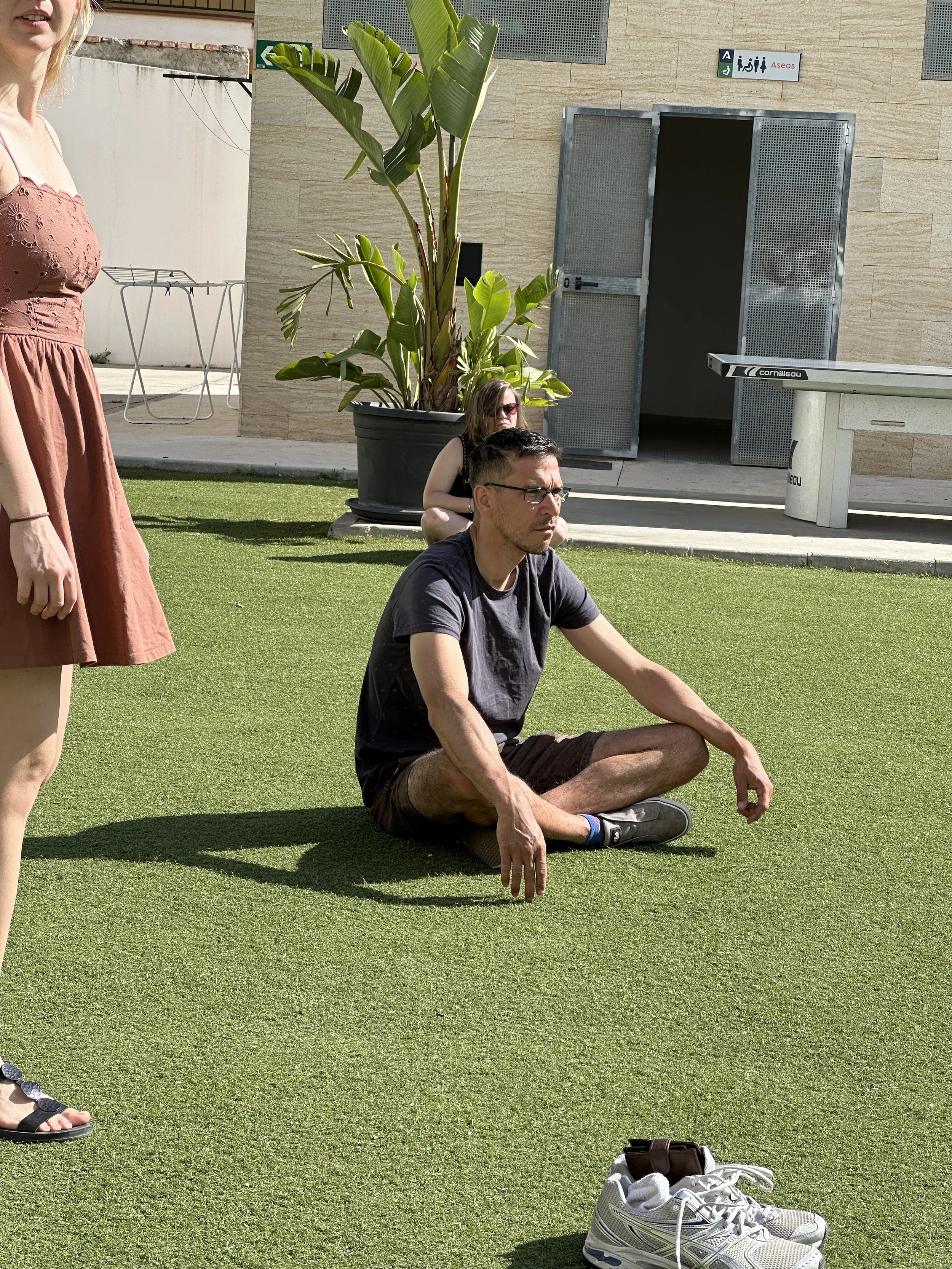
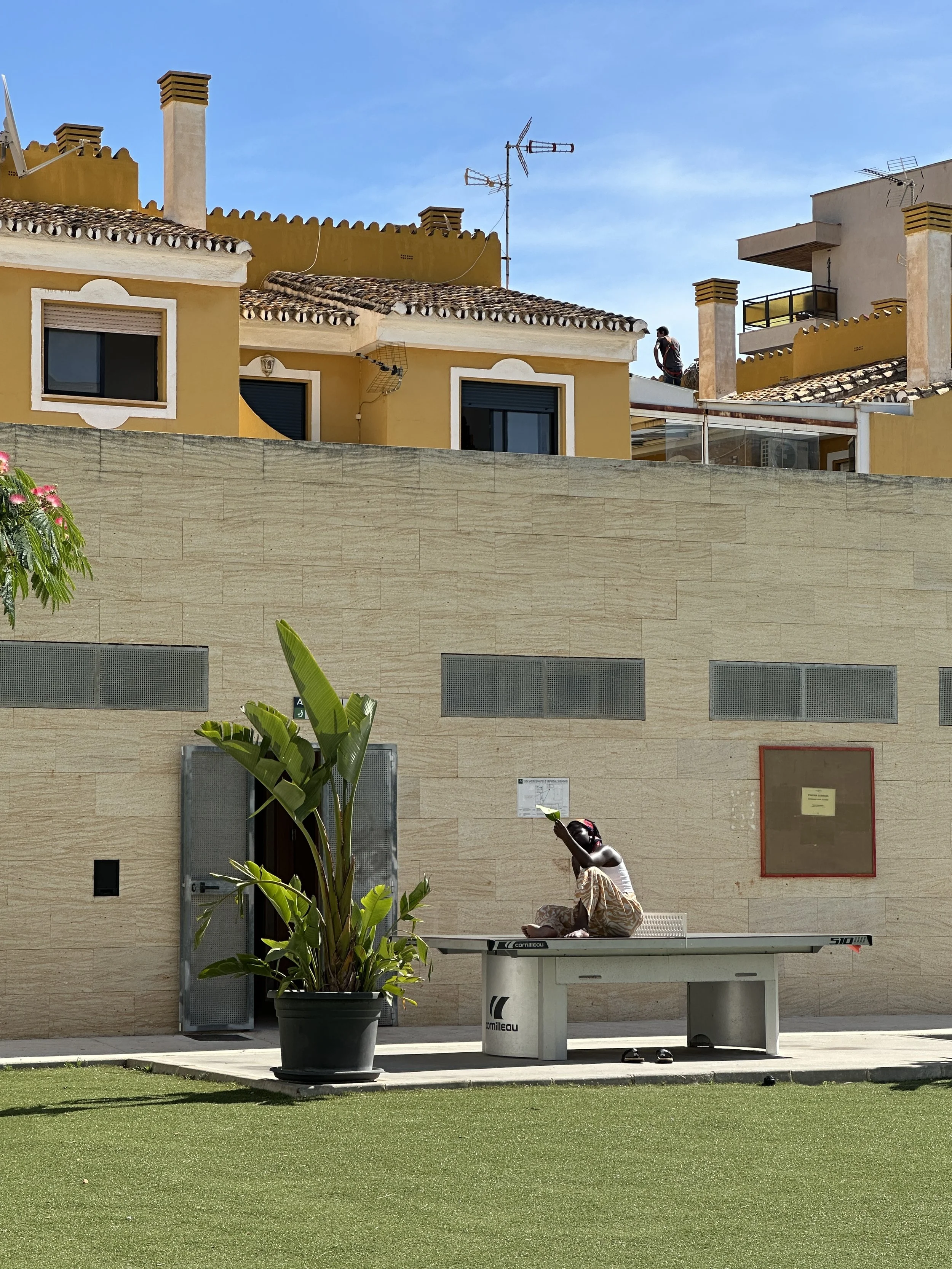
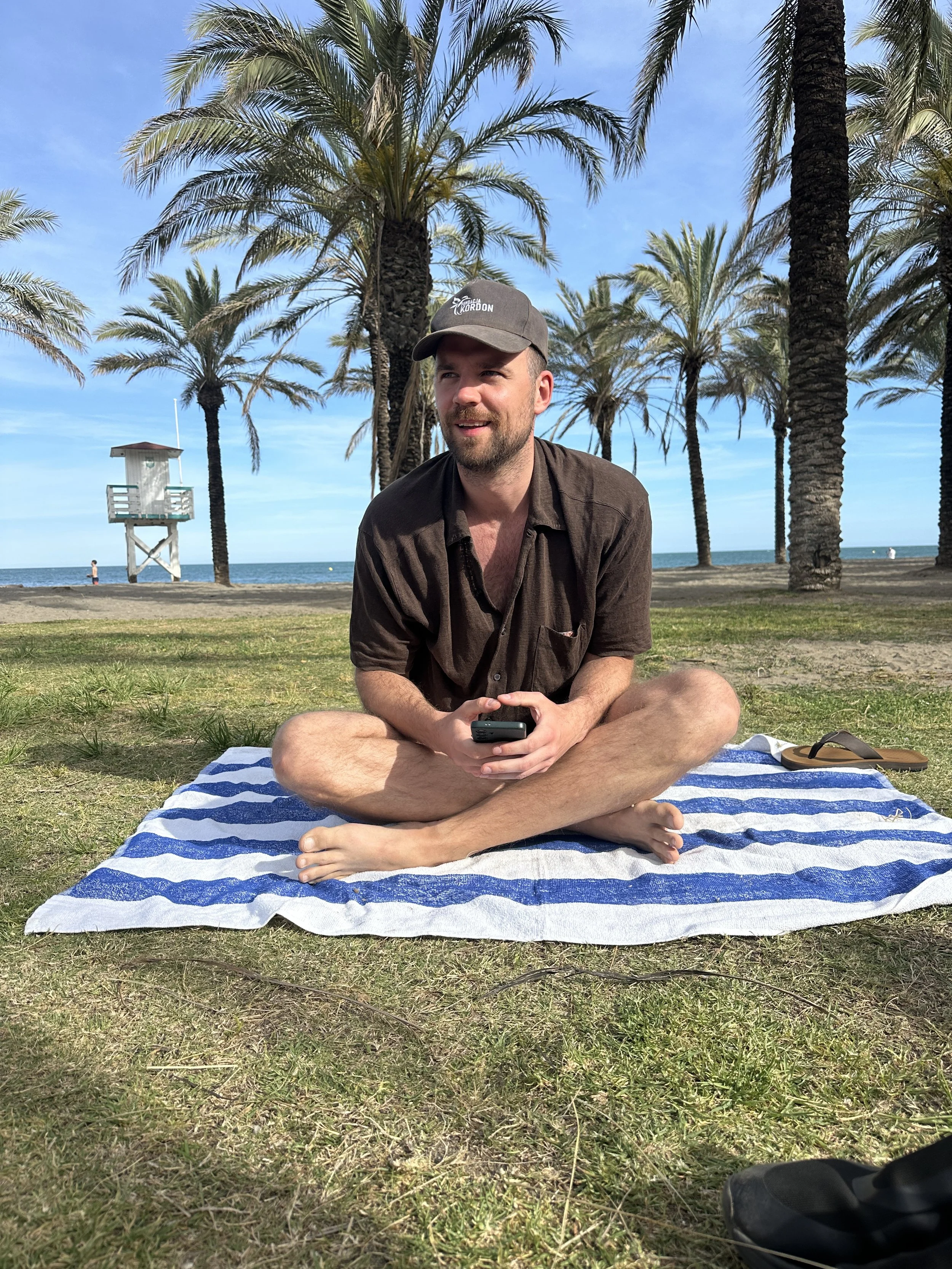
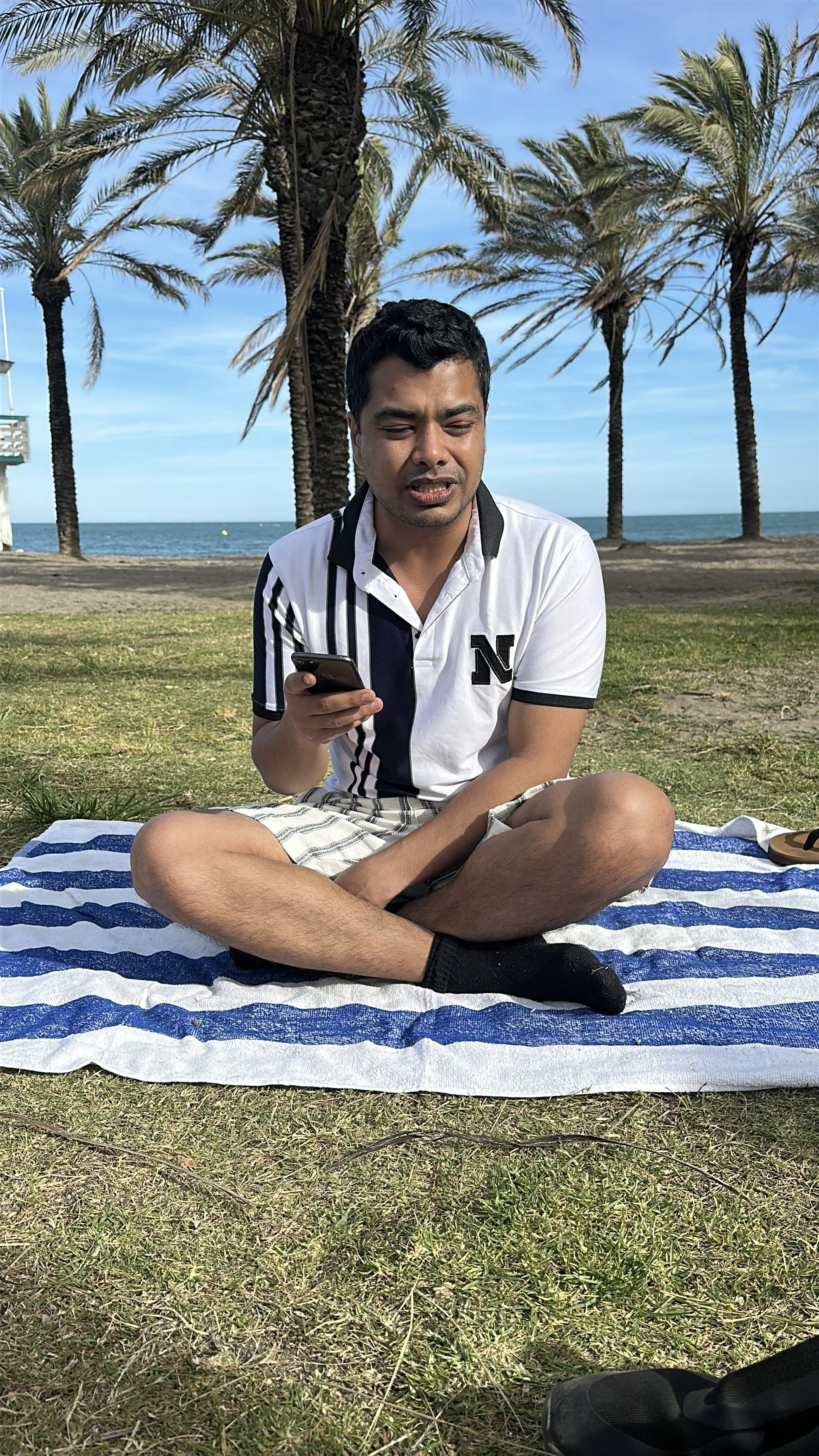
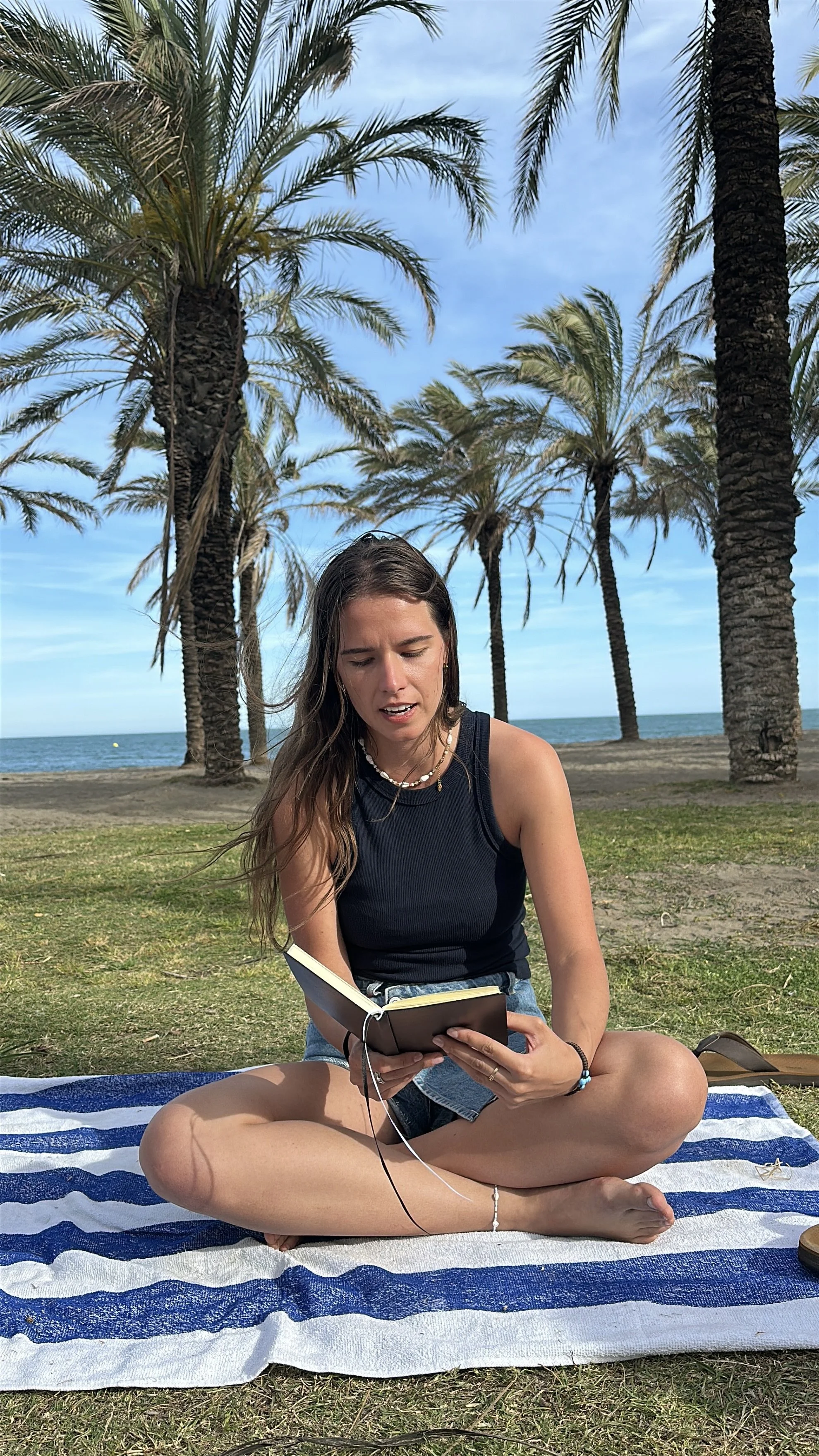
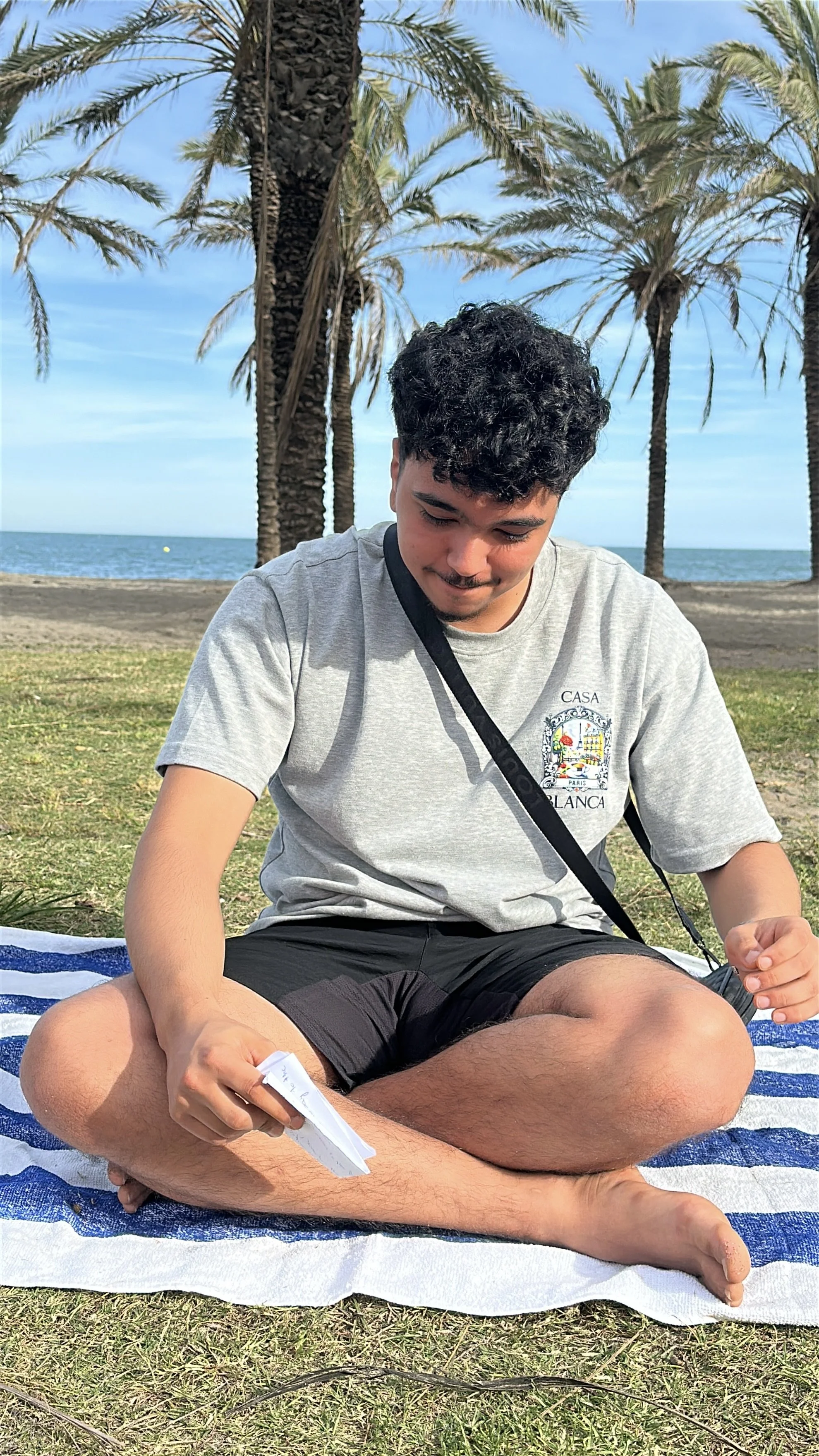
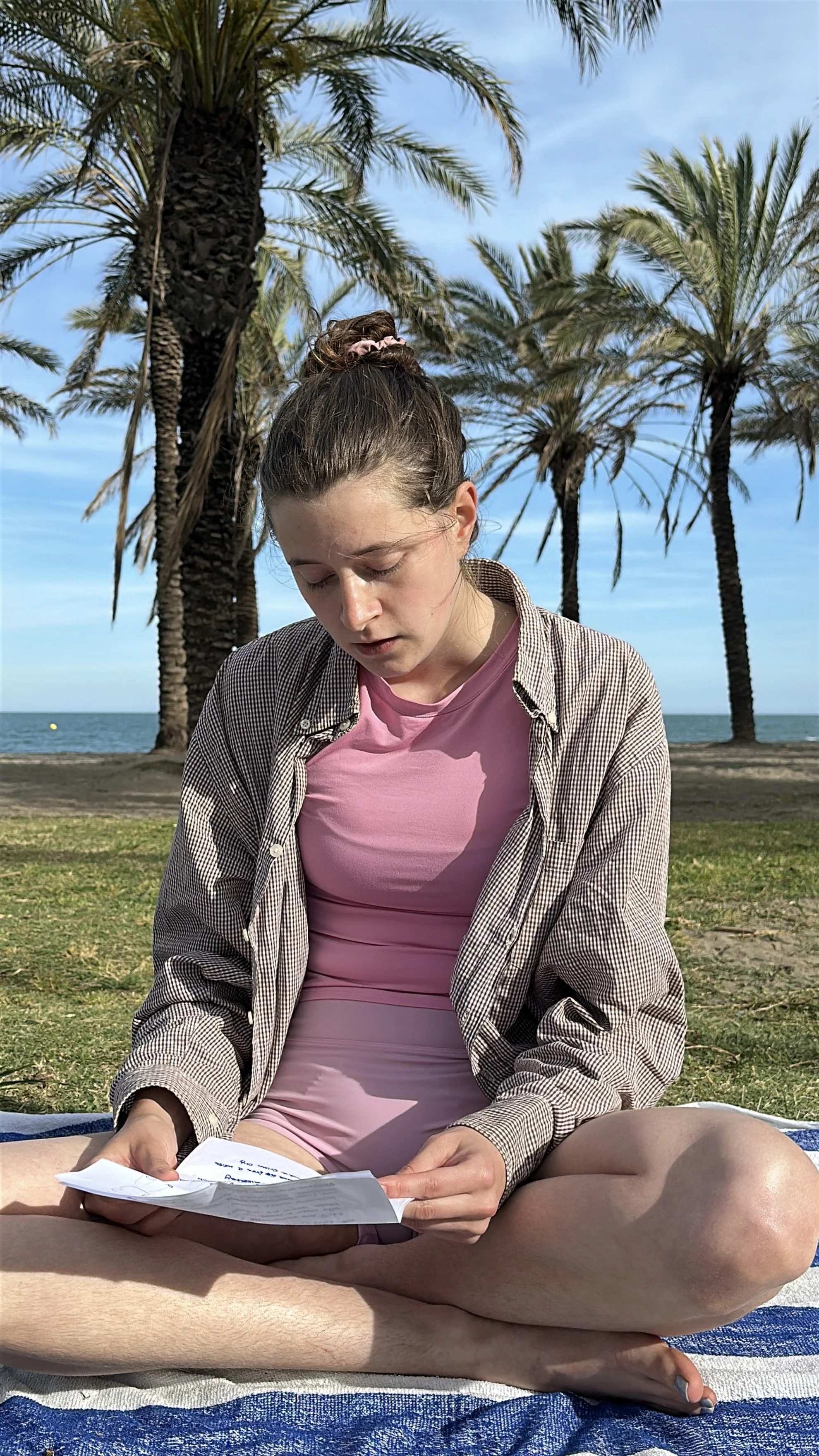
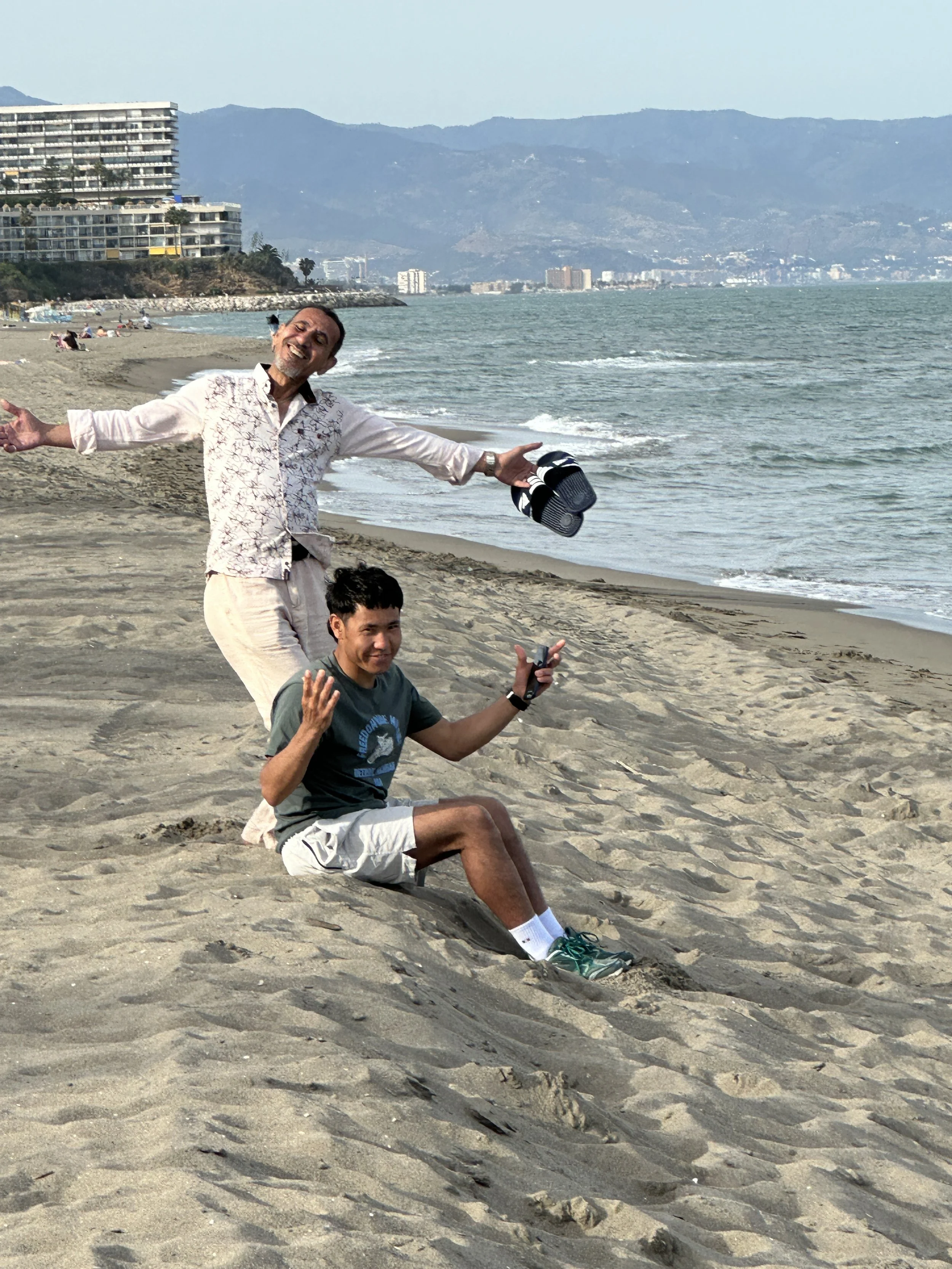
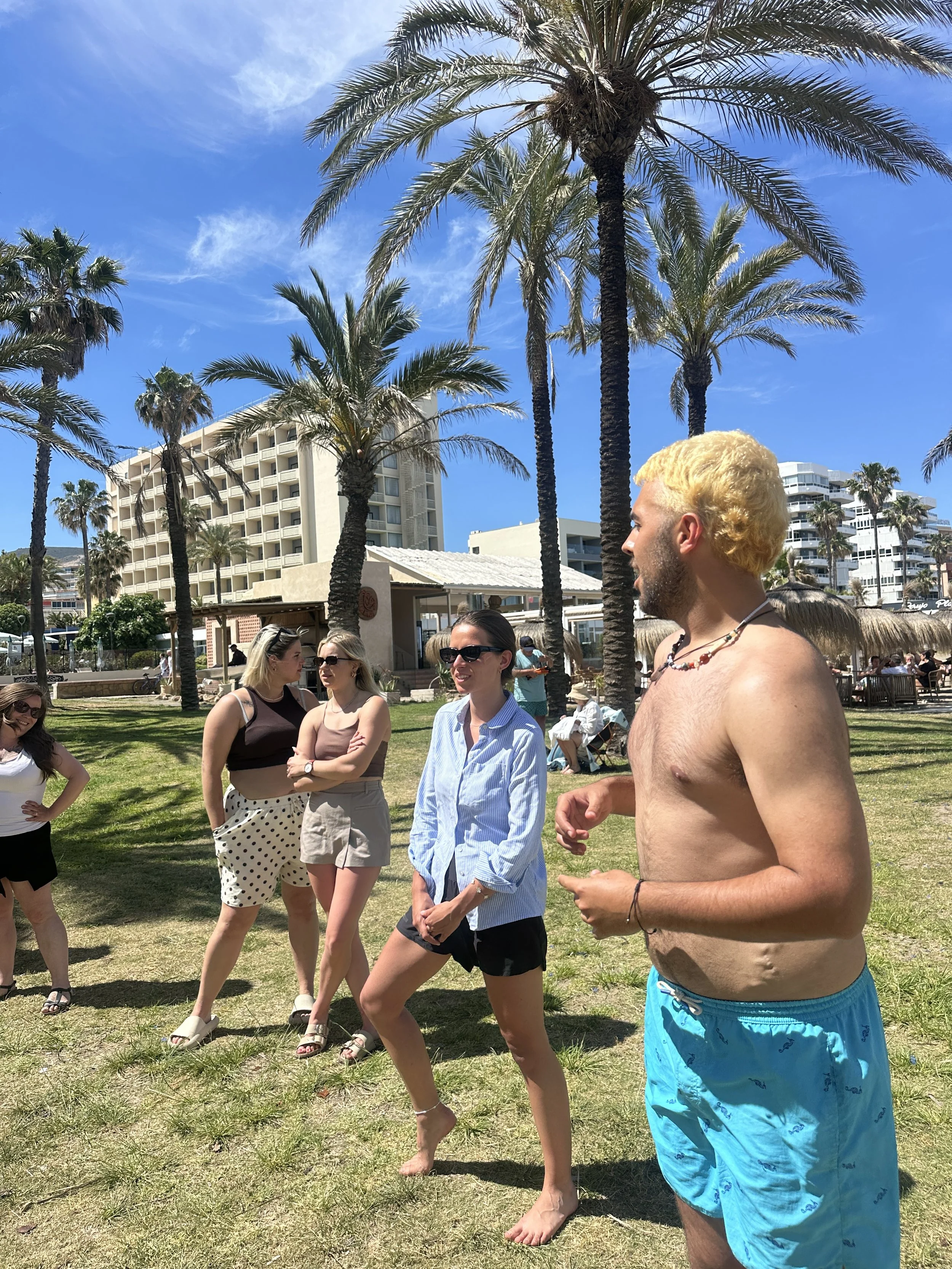
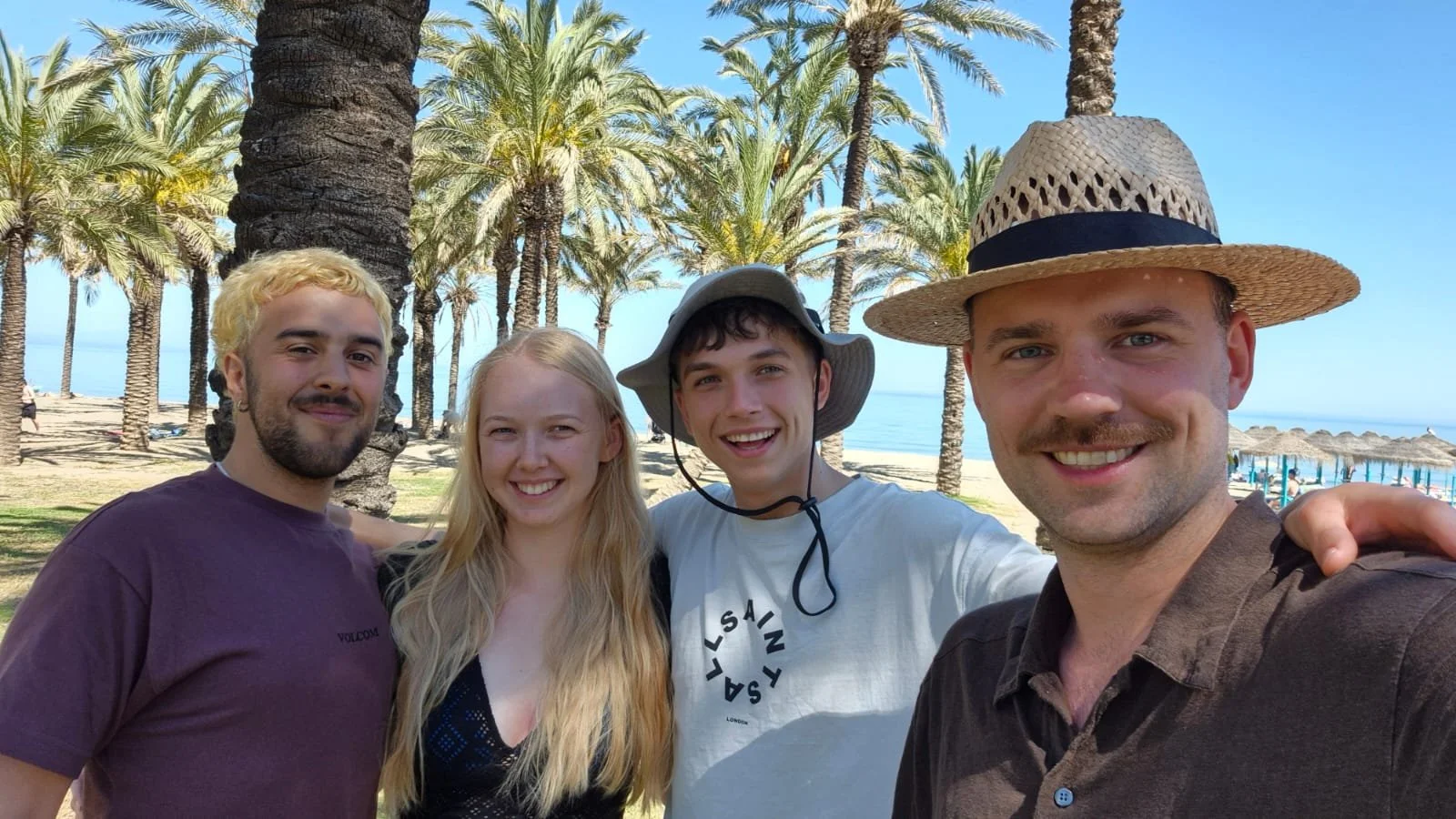
Learning extended far beyond the workshop rooms. Participants had opportunities to explore the local area, enjoy free afternoons and evenings, and discover the culture, history, and atmosphere of the host city. Walking through local neighbourhoods, visiting the coastline, experiencing local cuisine, and interacting with residents helped participants gain a deeper appreciation of the region and its cultural heritage.
More information:
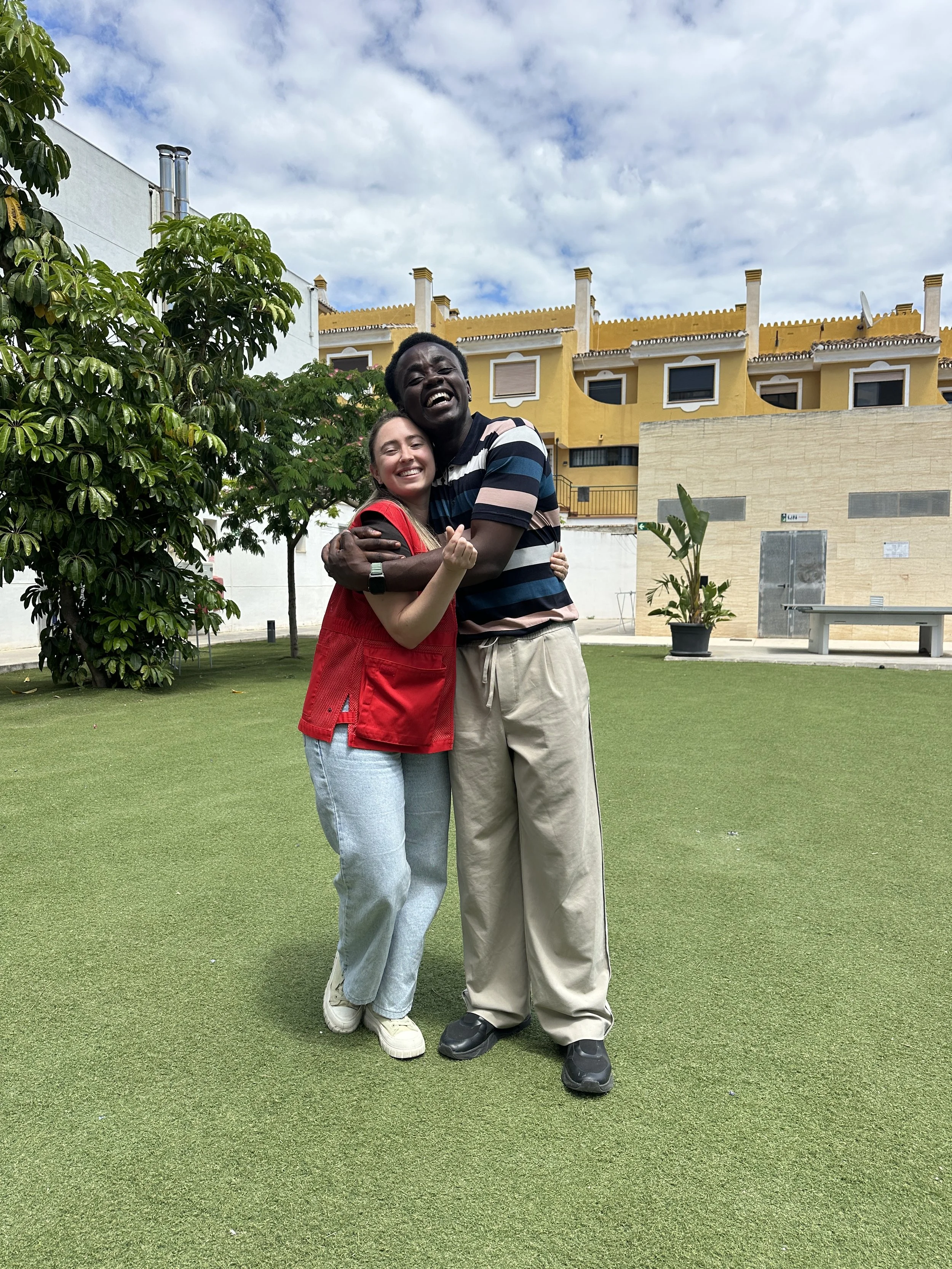
These informal moments were just as valuable as the structured activities. They created opportunities for intercultural dialogue, friendship-building, and the sharing of traditions, languages, music, and personal stories. The city itself became a learning space where participants experienced cultural diversity firsthand and strengthened connections with one another.
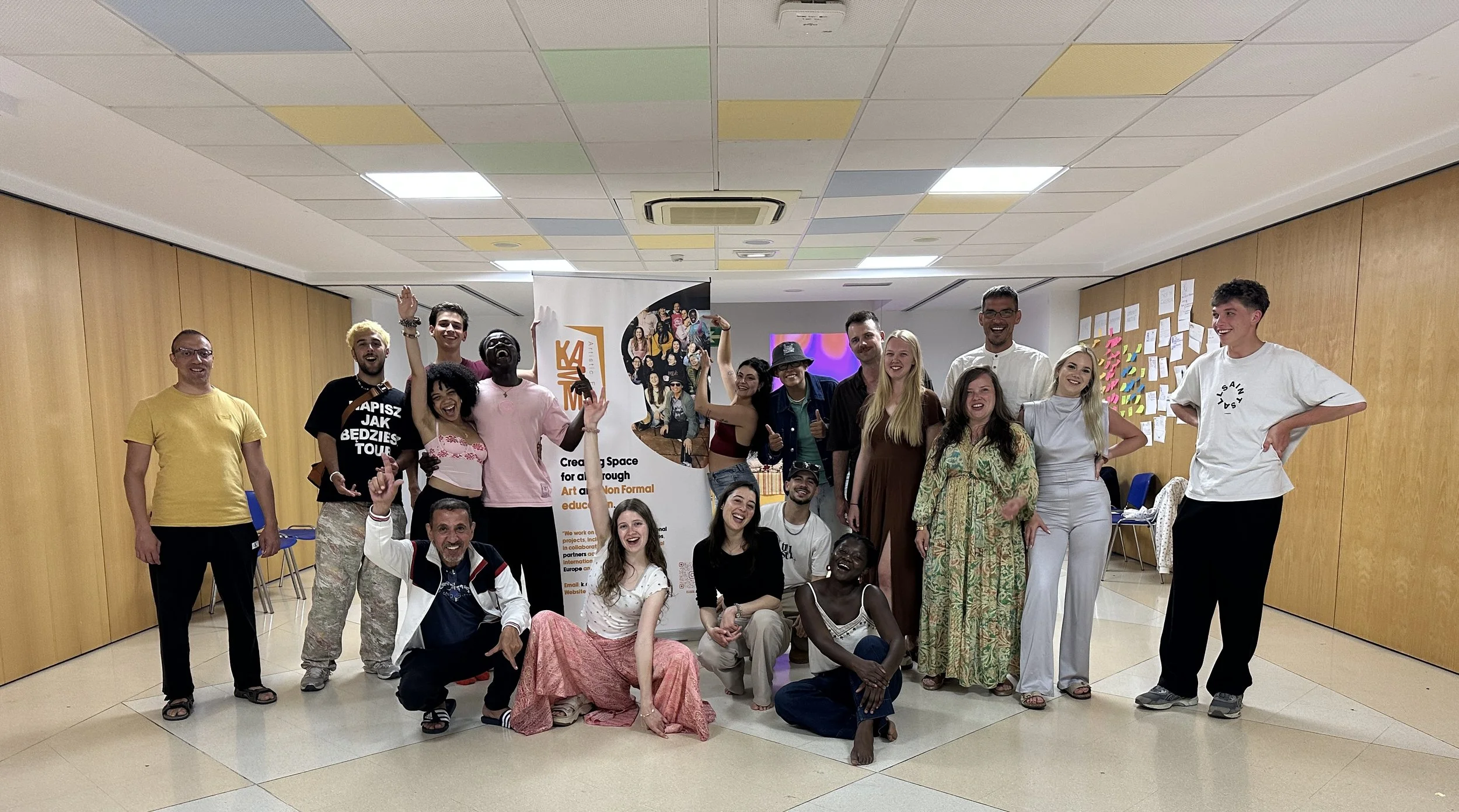
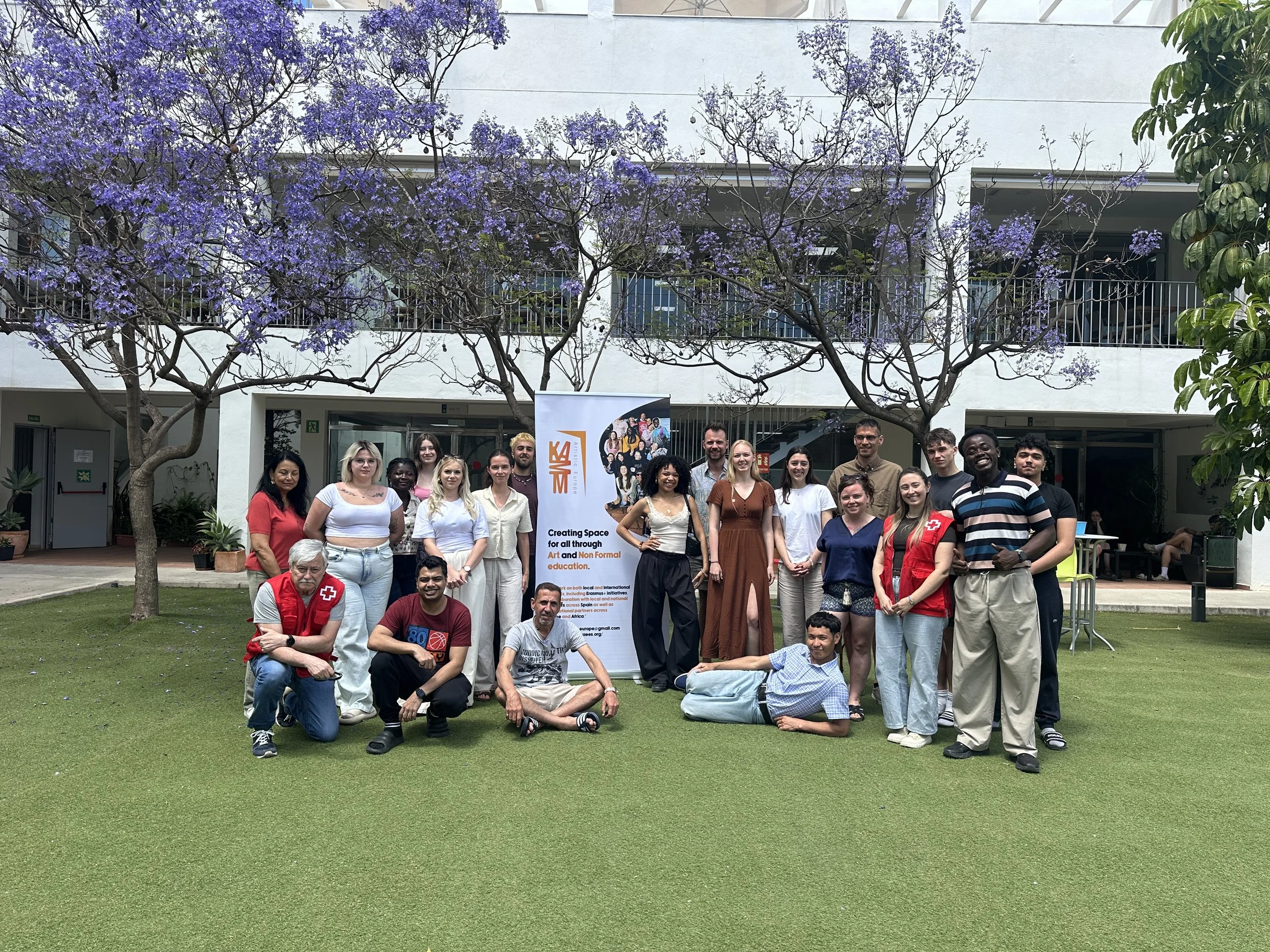
The project concluded with final evaluations, the Youthpass ceremony, and a celebration of the learning journey participants had shared together. Participants left not only with new knowledge about migration and social inclusion but also with lasting friendships, greater cultural understanding, and inspiration to become active contributors to more inclusive communities.
Testimonial from Participants
“My favourite moment was when, in a session, we learnt about how the resources after an ecological crisis are distributed among the communities and also how most of the time the effect of the crisis can affect immigrants, refugees and minority groups.”
— Participant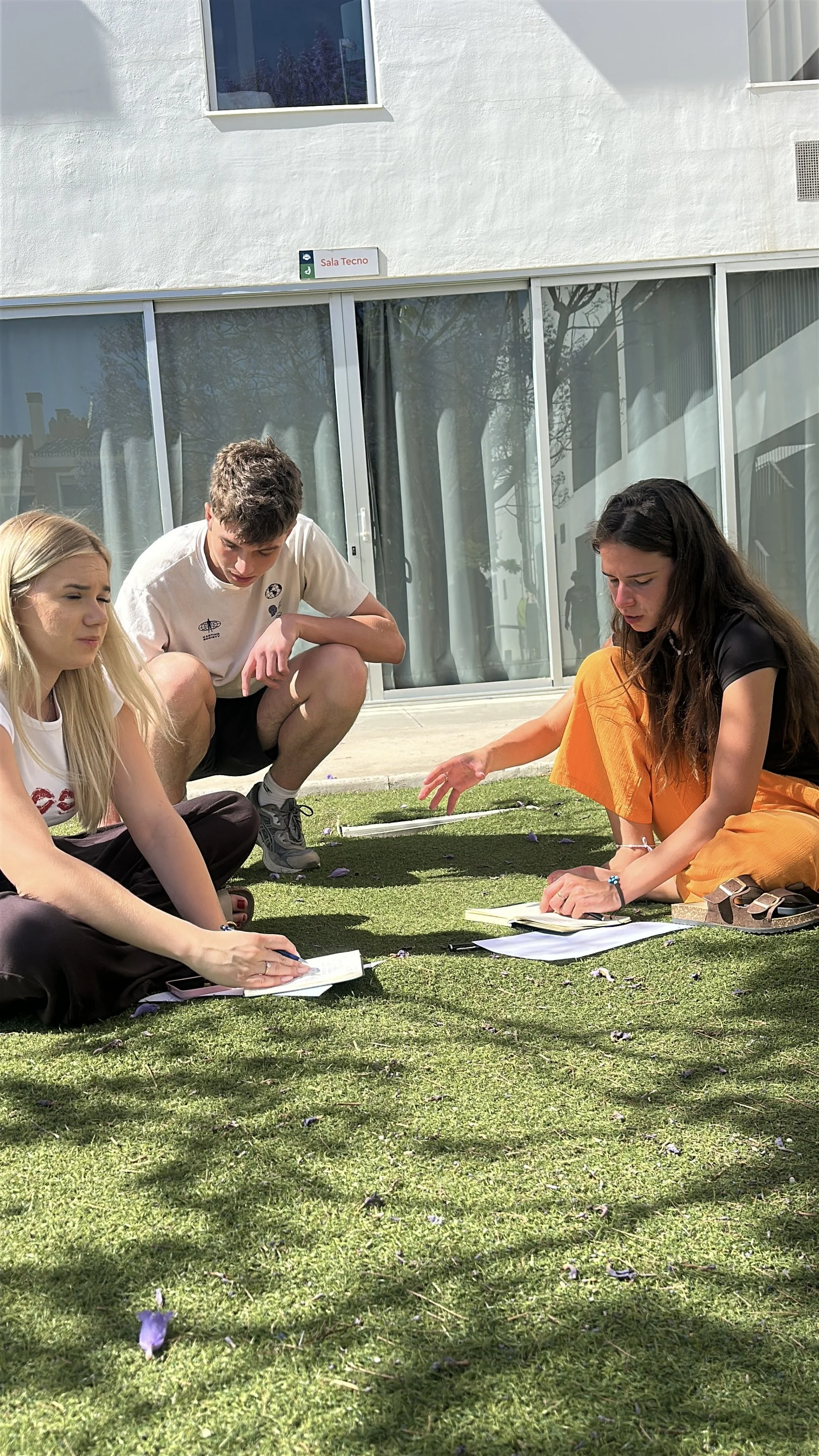


YWEC-TRAINING COURSE-GERMANY
YWEC-TRAINING COURSE-GERMANY
PART 3: YOUTH WORK IN ECOLOGICAL CRISES – Training course: GERMANY
DATES: 7th to 13th of June 2026. Travel dates are included.
The project aims to equip youth workers with the necessary skills and knowledge to effectively respond to ecological crises, particularly floods, and integrate disaster relief strategies into youth work.
By implementing this initiative, the project seeks to:
Strengthen the capacity of youth organisations, enabling them to mobilise young people in disaster preparedness, emergency response, and long-term recovery efforts.
Improve youth workers' competencies in crisis management,
Foster cross-border cooperation in disaster relief,
Promote environmental sustainability within youth work practices.
WOULD YOU LIKE TO BE PART
OF A TRAINING COURSE?
We are looking for youth workers who are 18 years and over, with an interest in climate and environmental disasters and anyone who wants to acquire knowledge and skills in disaster response.
Location: Burg Tannroda
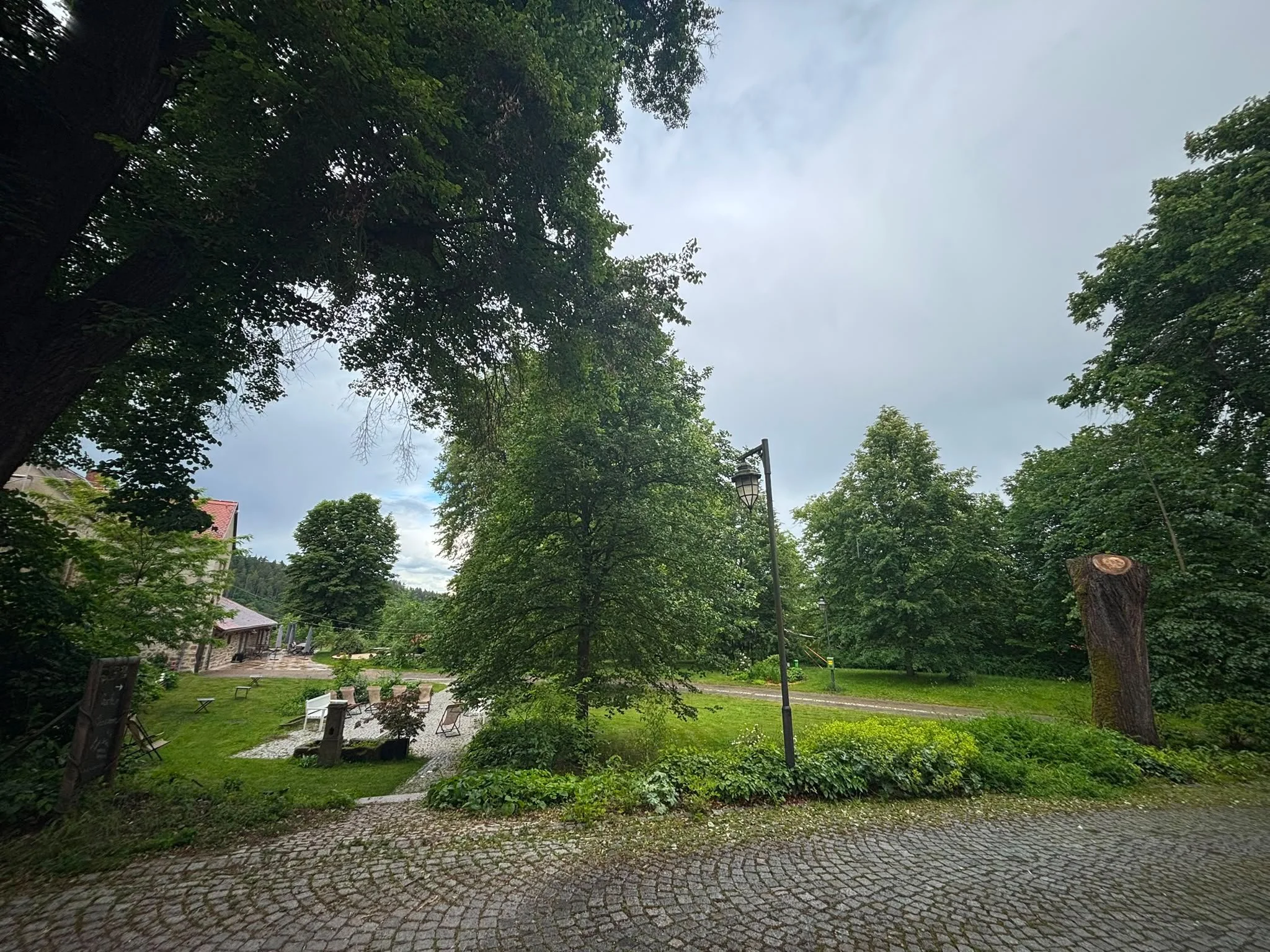
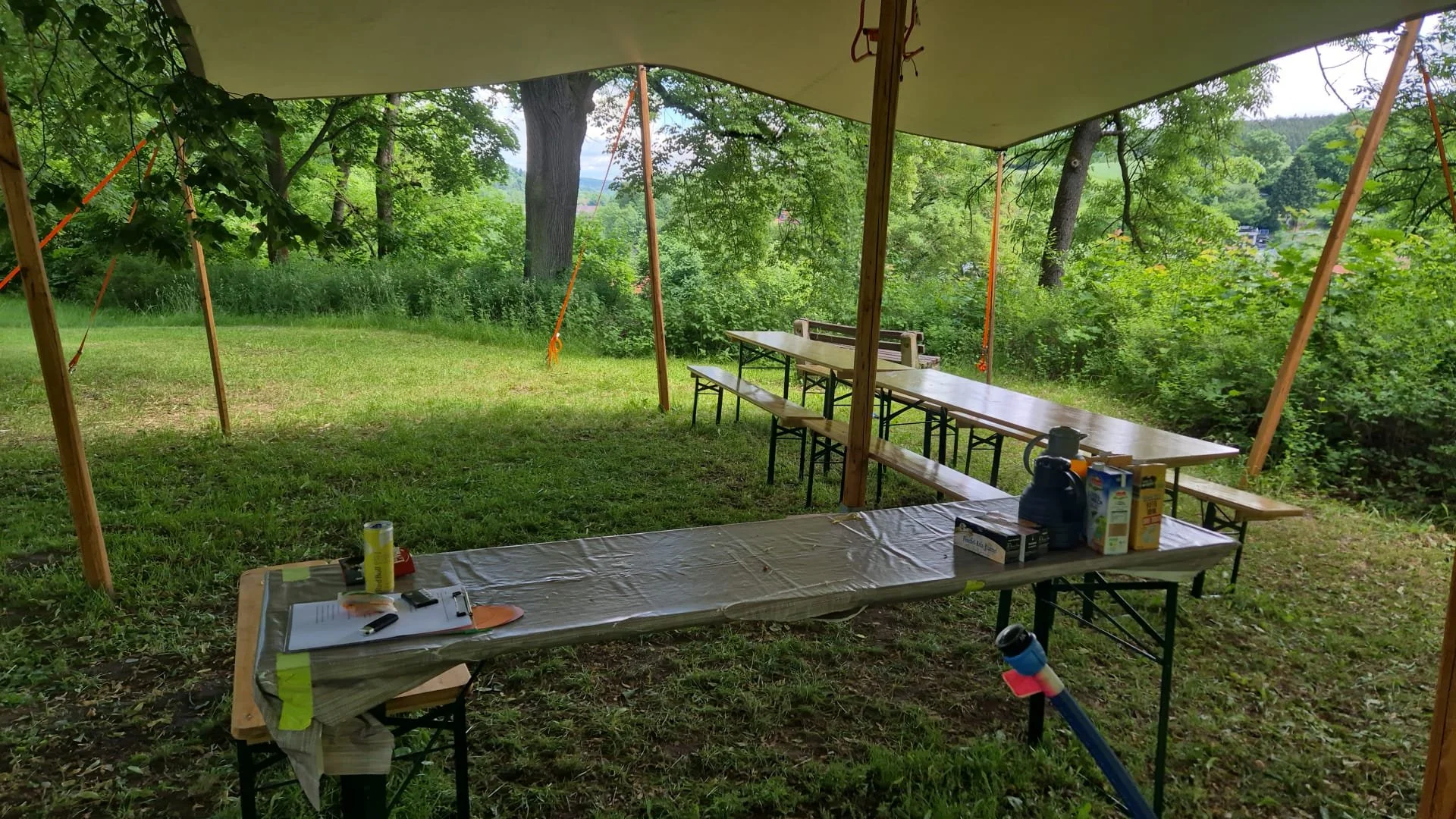
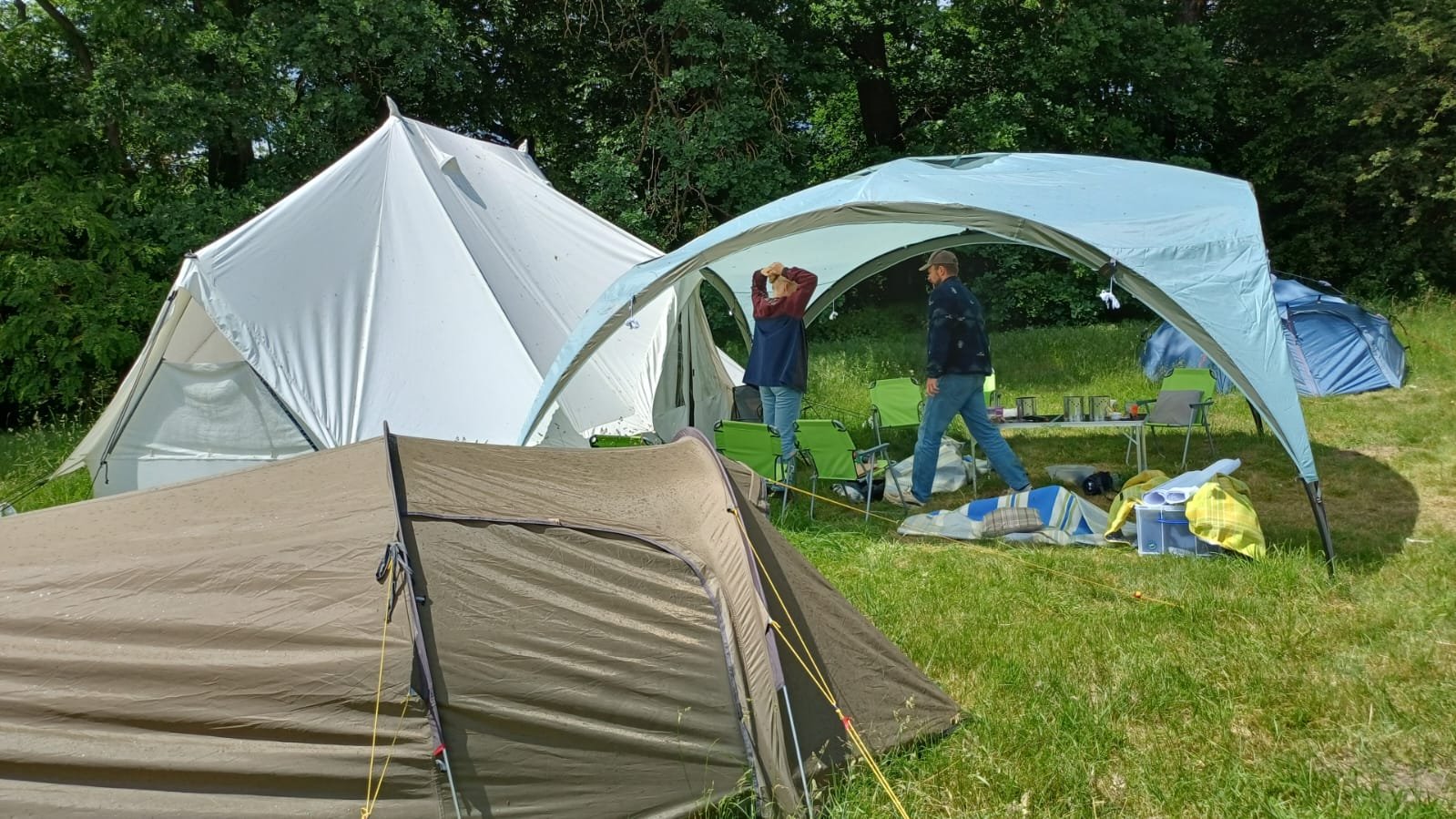
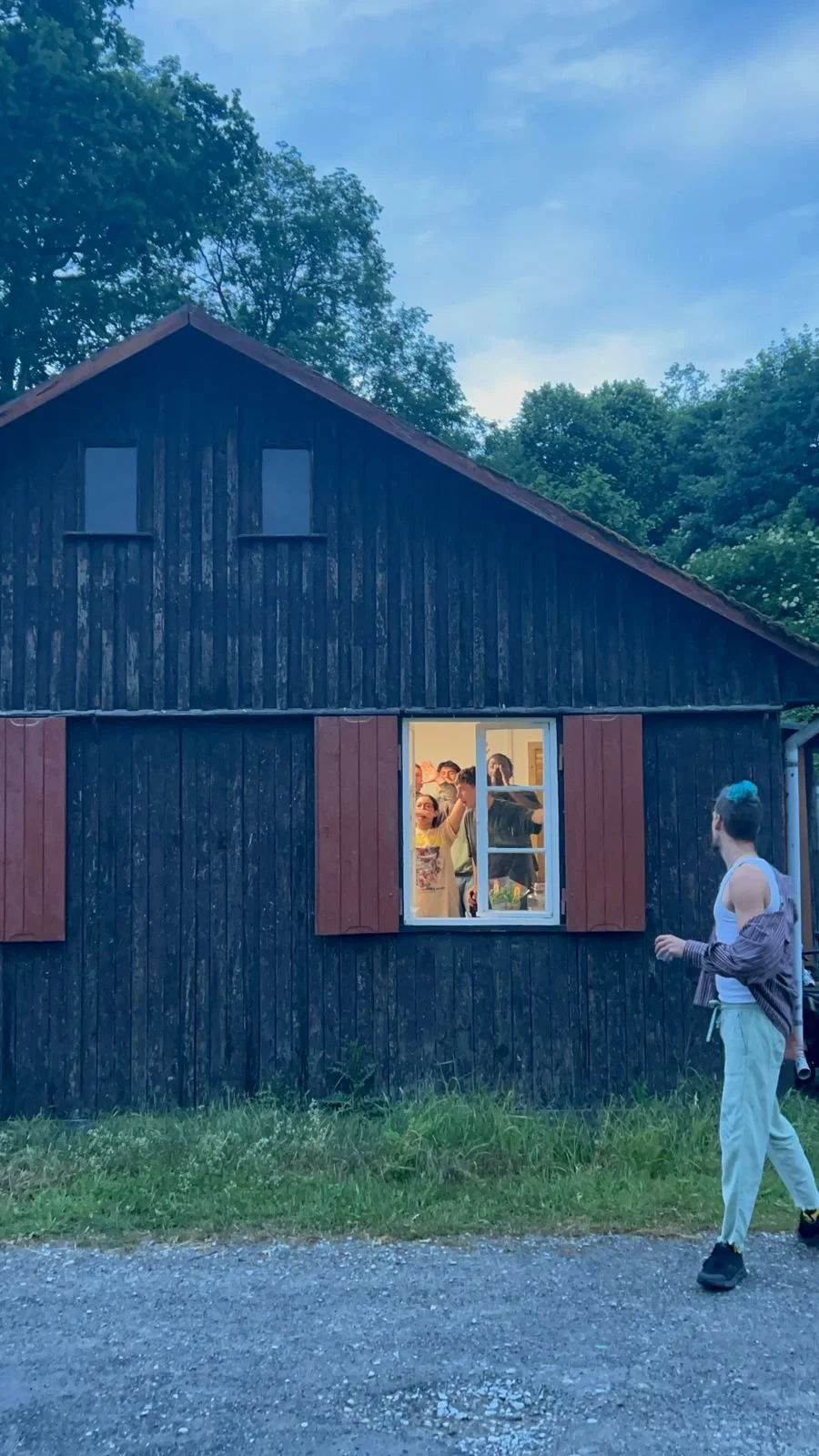
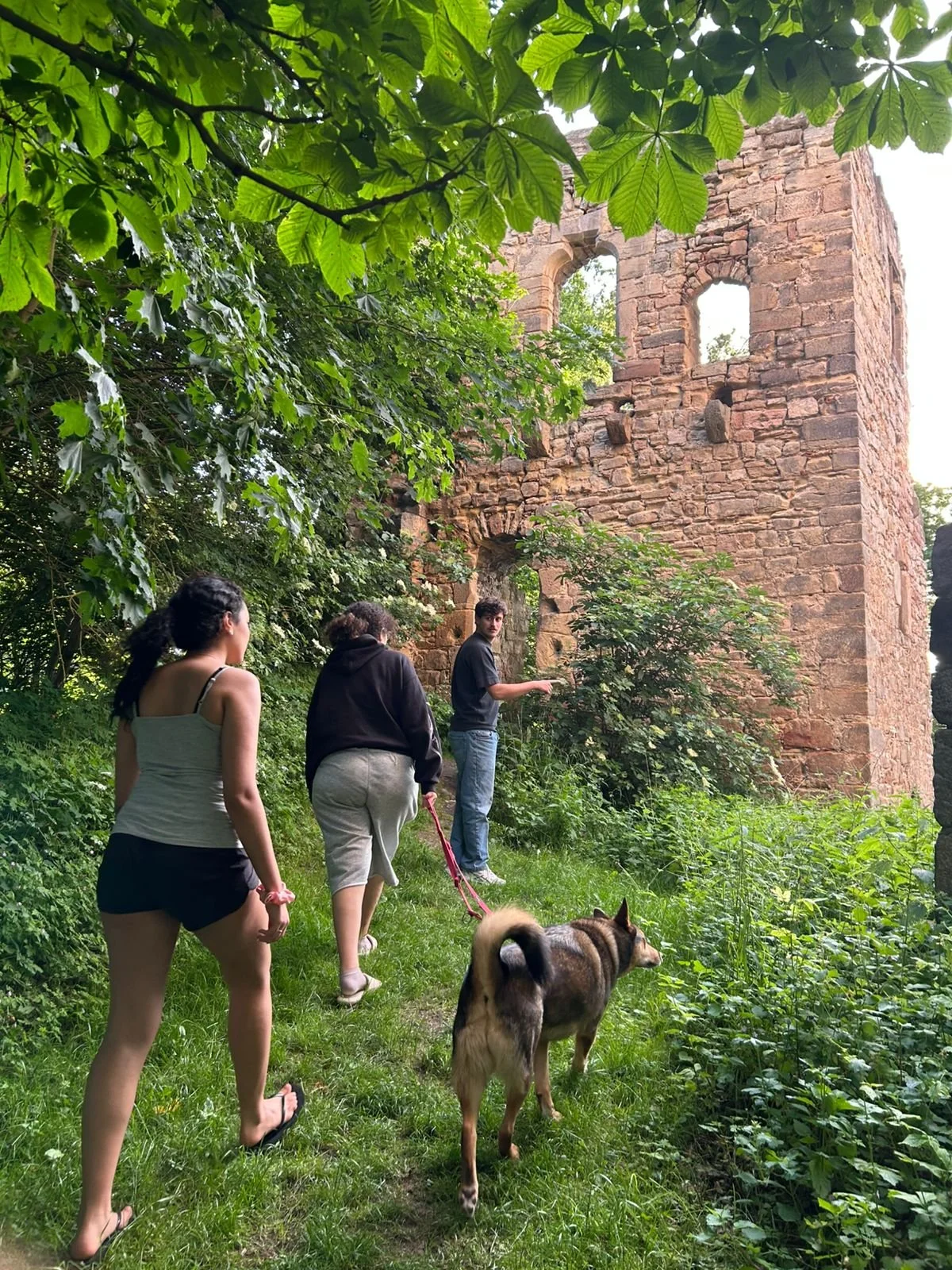
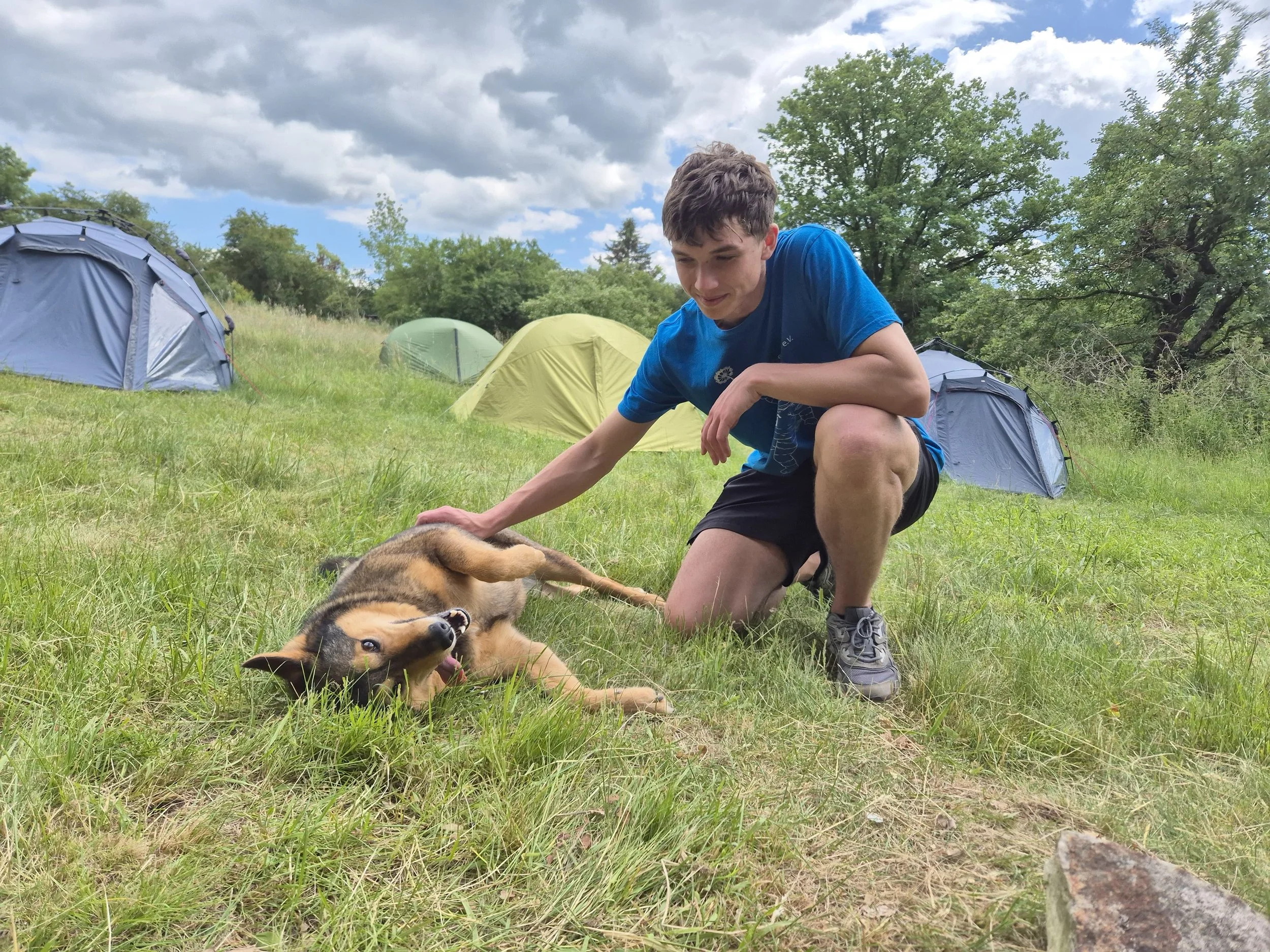
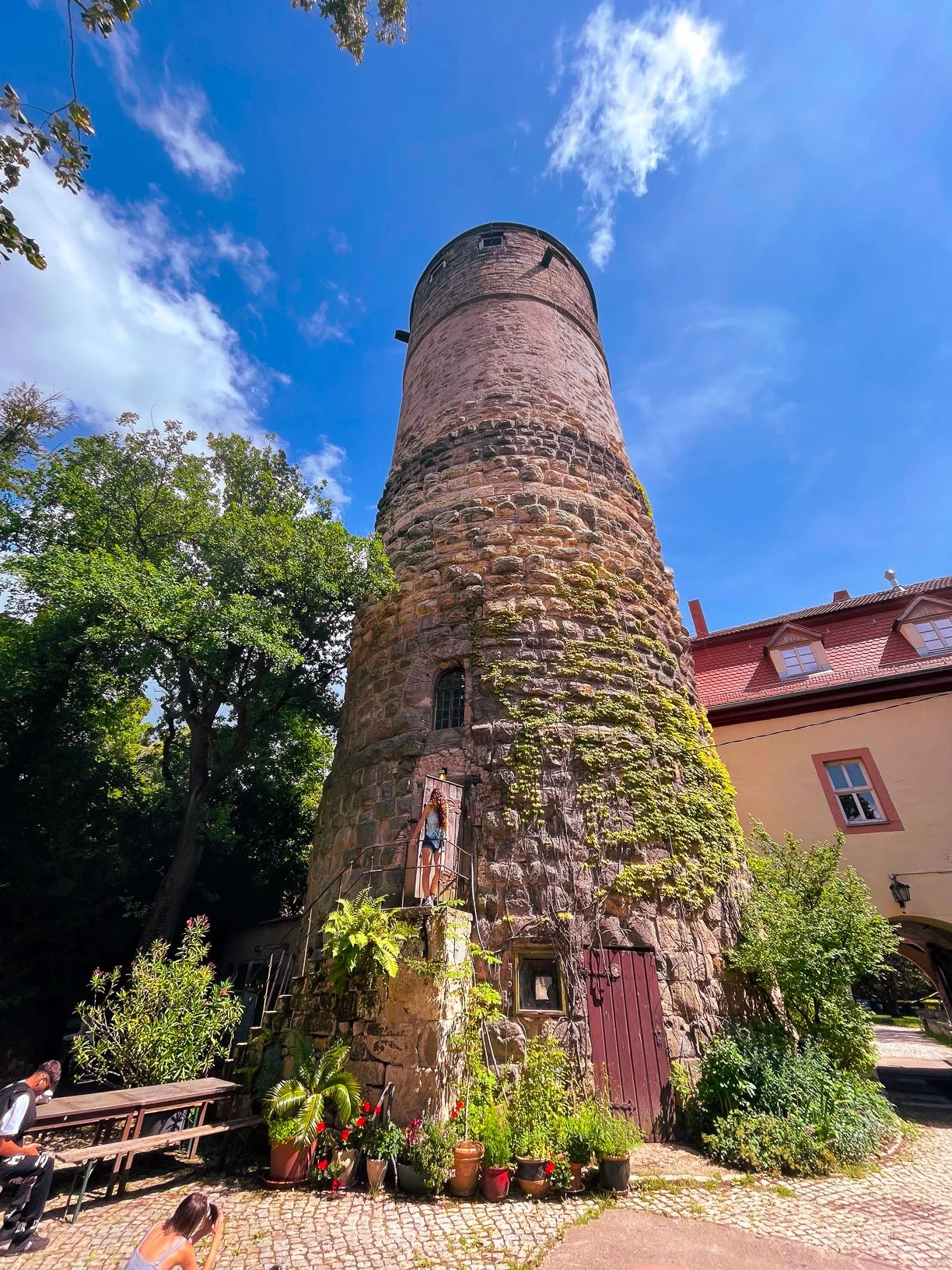
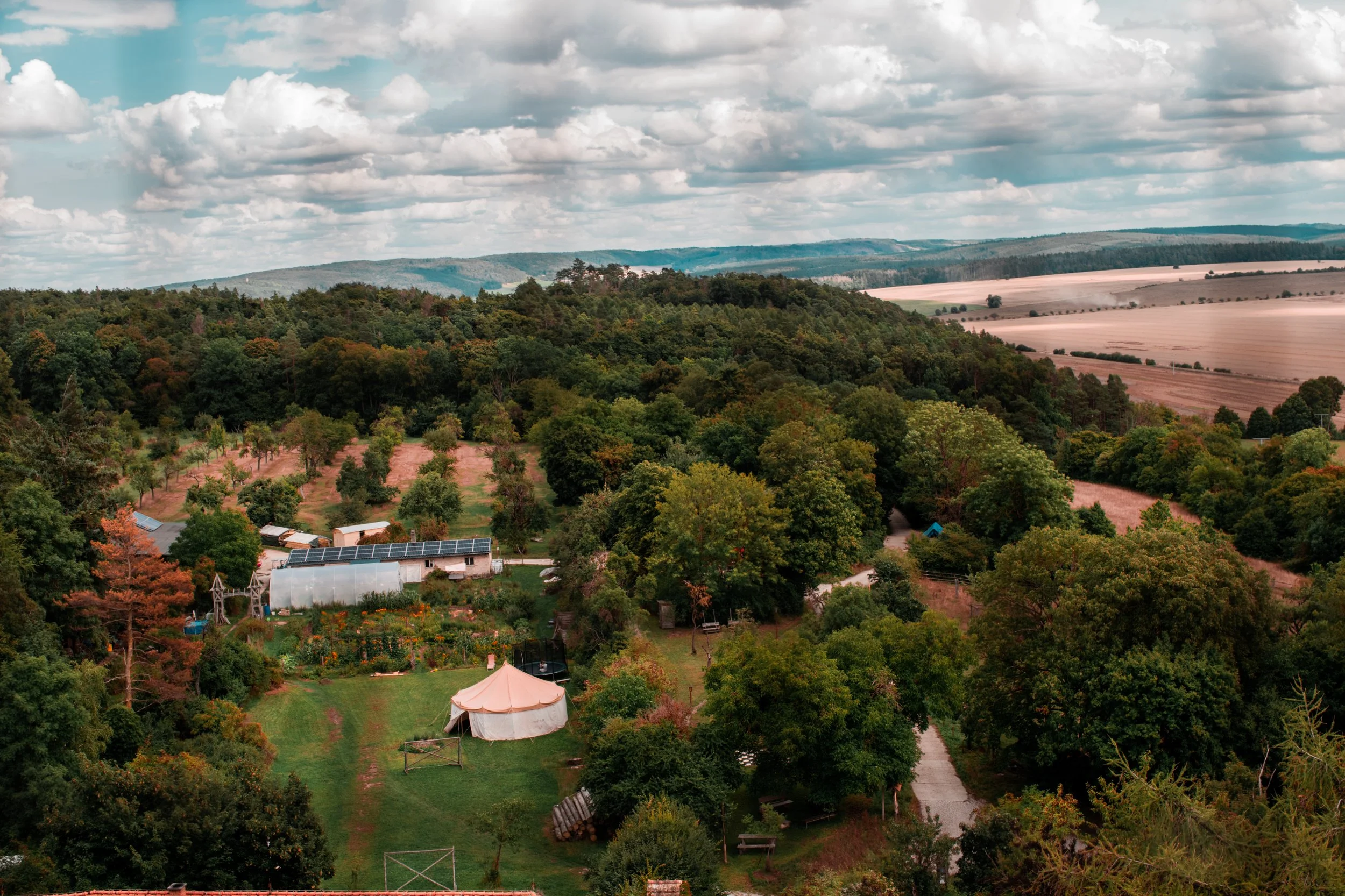
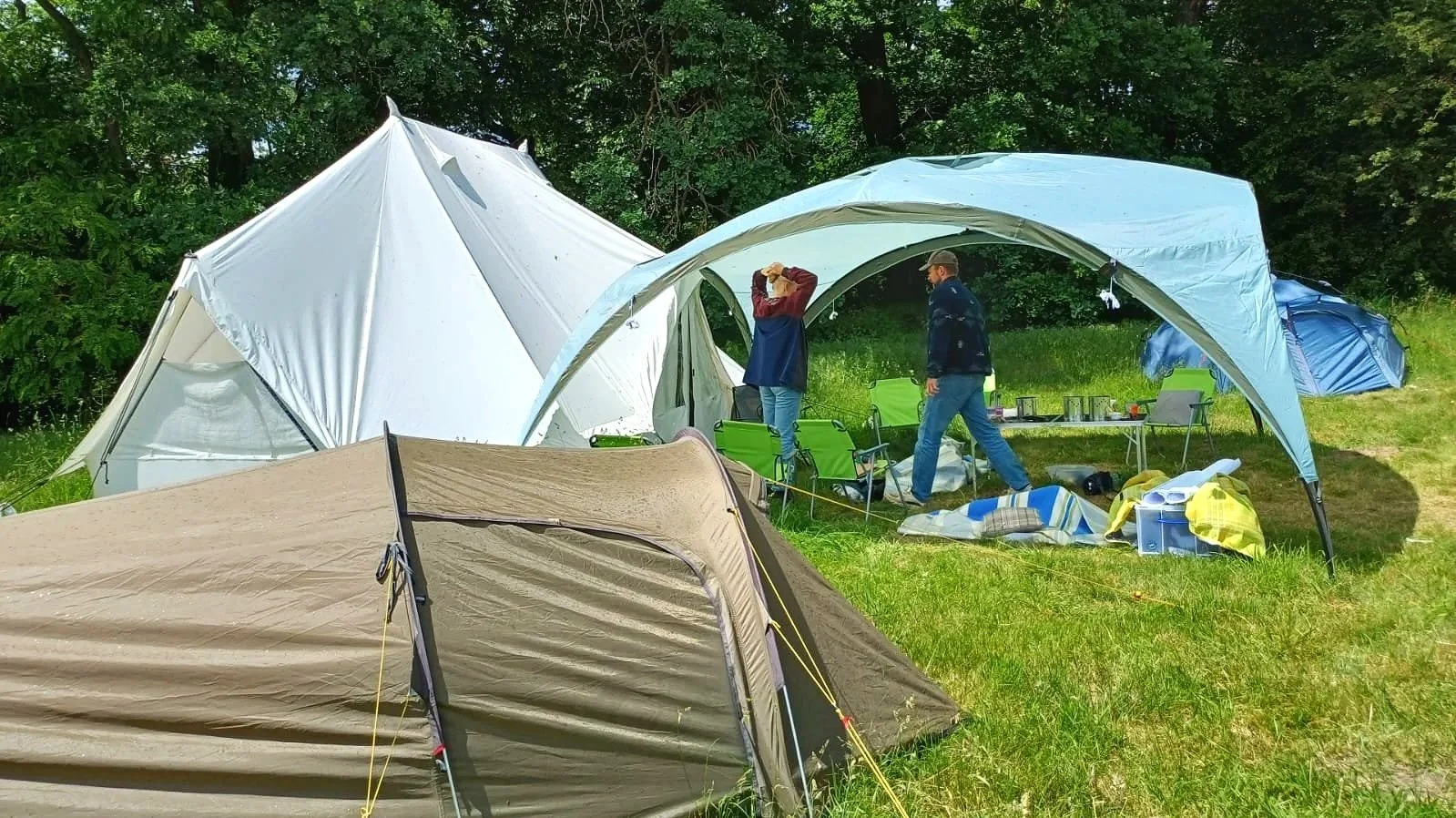
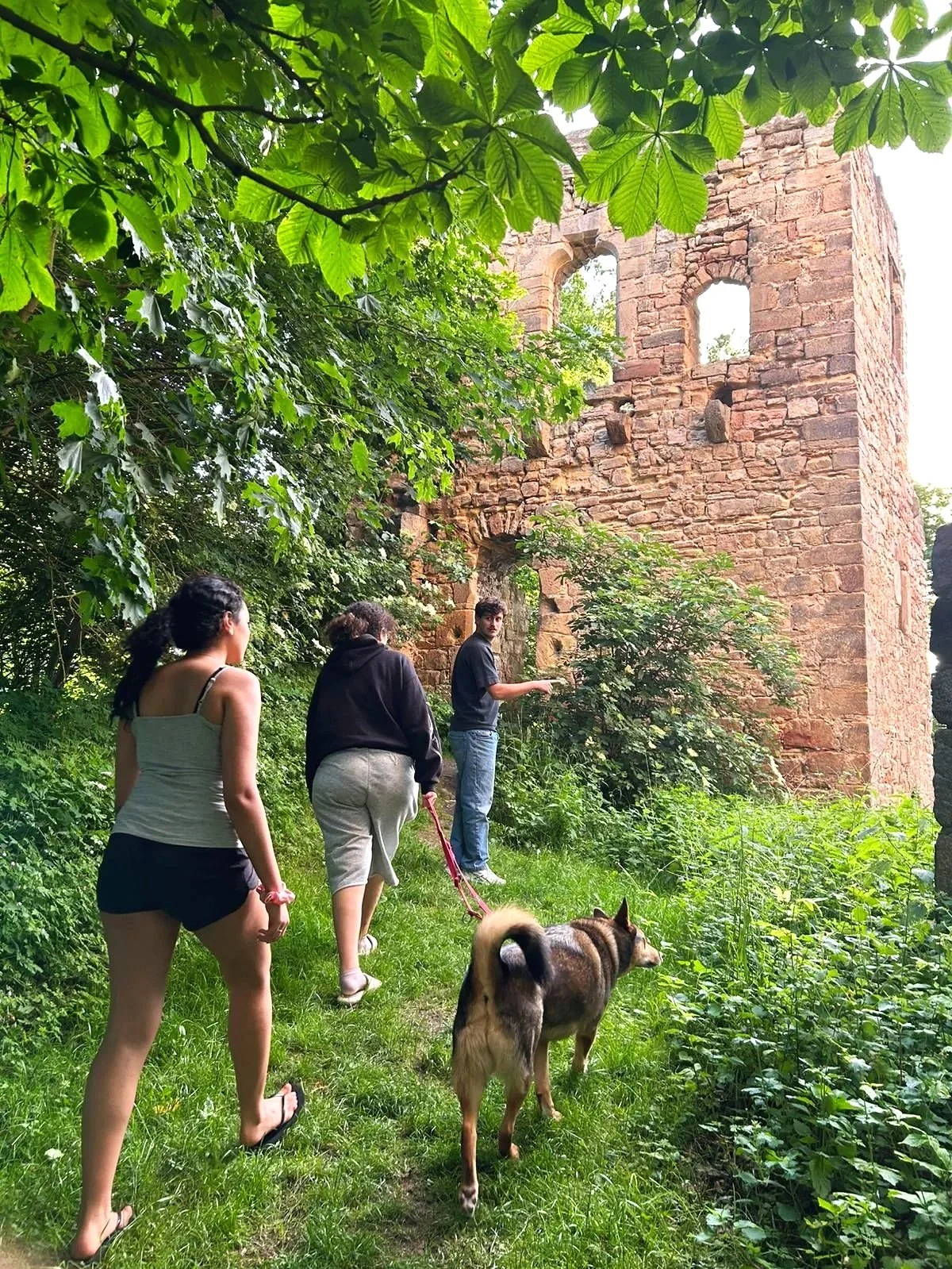
The training course will take place at Burg Tannroda. Burg Tannroda is set in the scenic countryside near Bad Berka in Thuringia, Germany. The castle, with its medieval charm and history, is surrounded by hills and forests, offering a glimpse into the region’s past while providing a tranquil retreat into nature. Participants will stay in shared tents, with a maximum of two people. Toilets and bathrooms are available both inside and outside. We will provide a setting that's well-suited to Tannroda.
Training Course Germany - Update.
At KAMM Artistic Europe, we believe that youth work plays a vital role in addressing today's environmental and social challenges. As a proud partner in the Erasmus+ project Youth Work in Ecological Crises, we are committed to equipping youth workers with the knowledge, practical skills, and international connections needed to support communities facing the growing impacts of climate change and ecological emergencies.
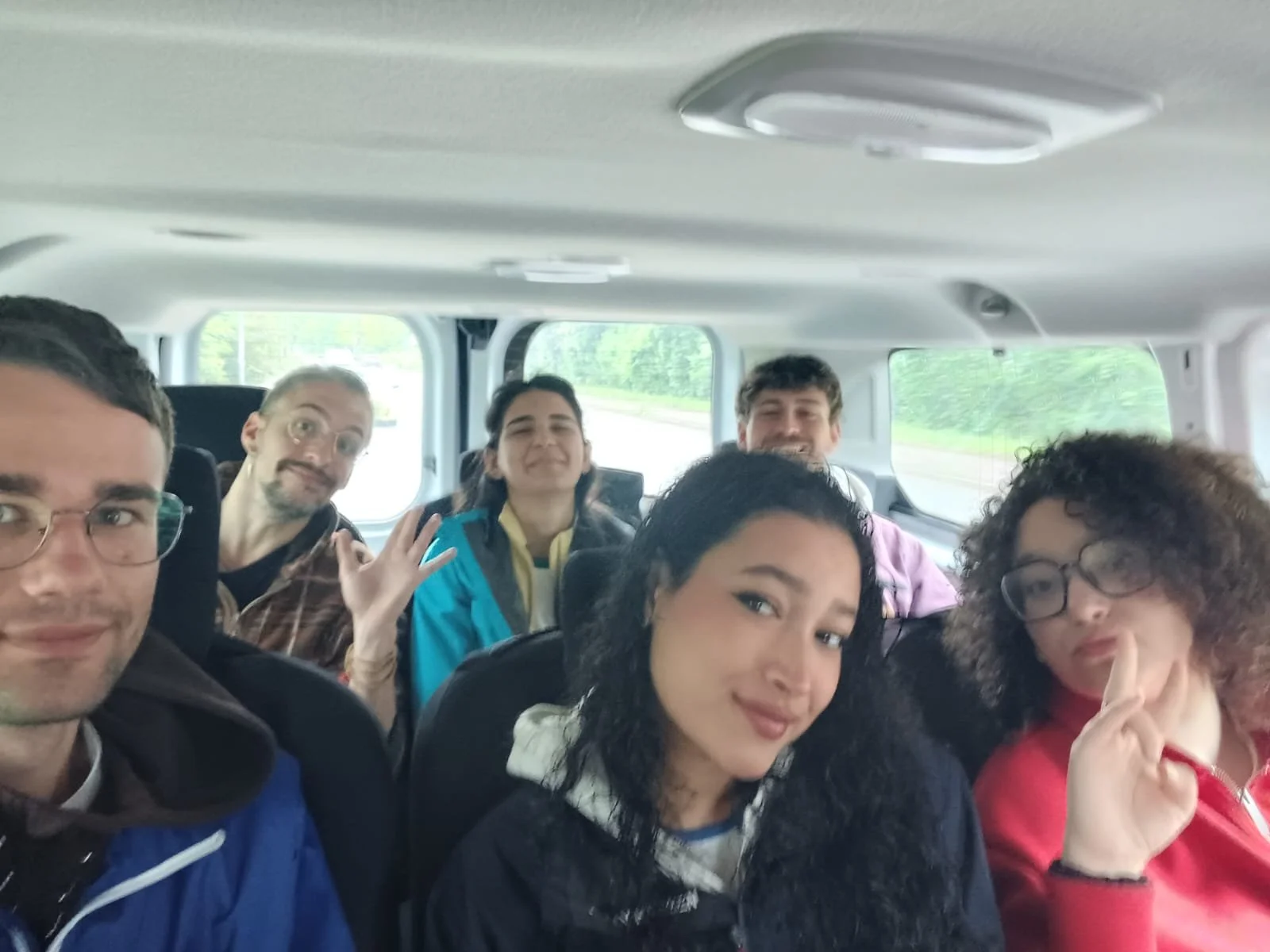
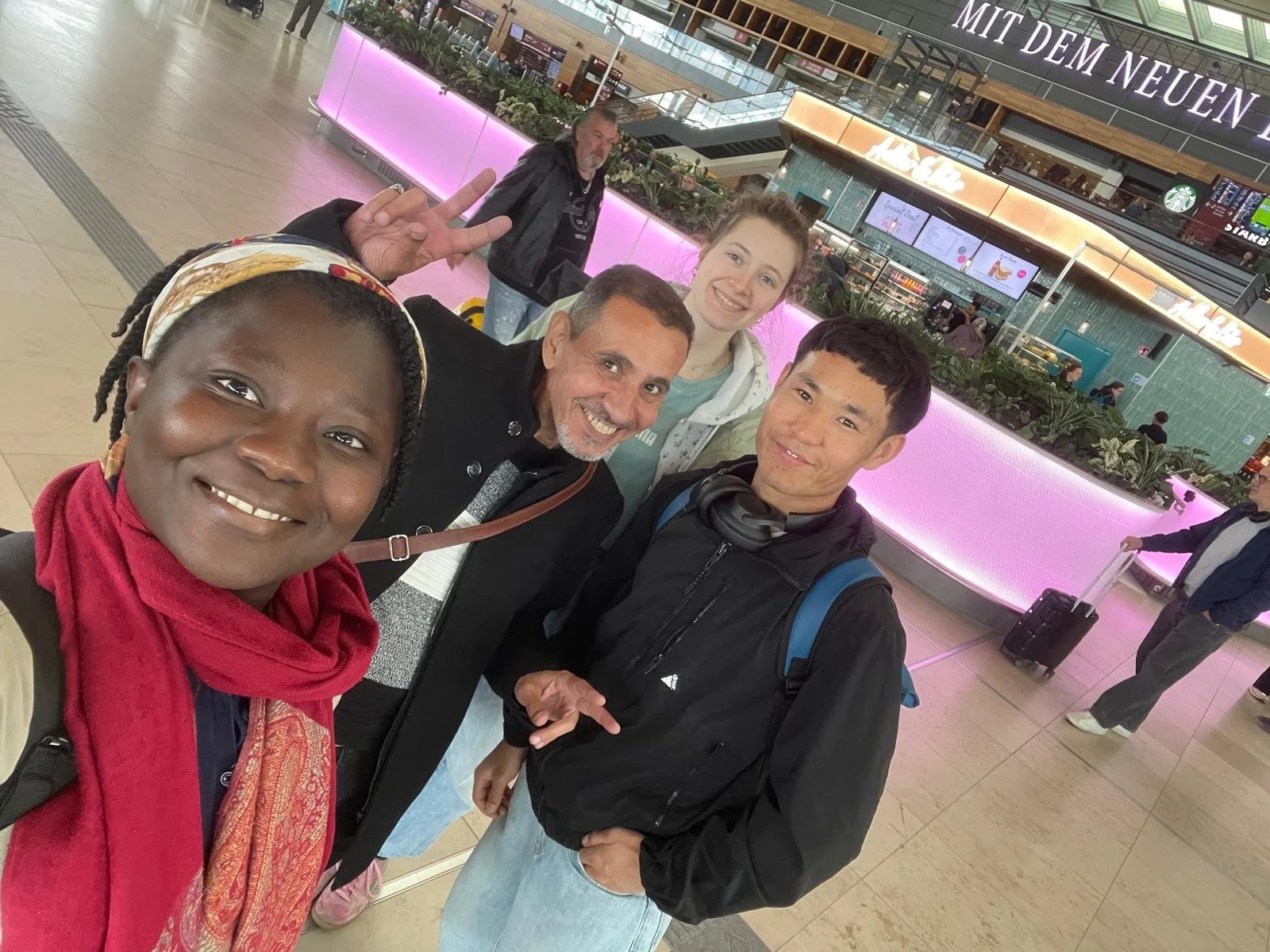
As part of this partnership, we had the opportunity to send four participants to the international training course held in Burg Tannroda, Germany. Below is a reflection on their learning journey, experiences, and the impact the training had on both their personal and professional development.
Nice to see you again
The Review
Thanks
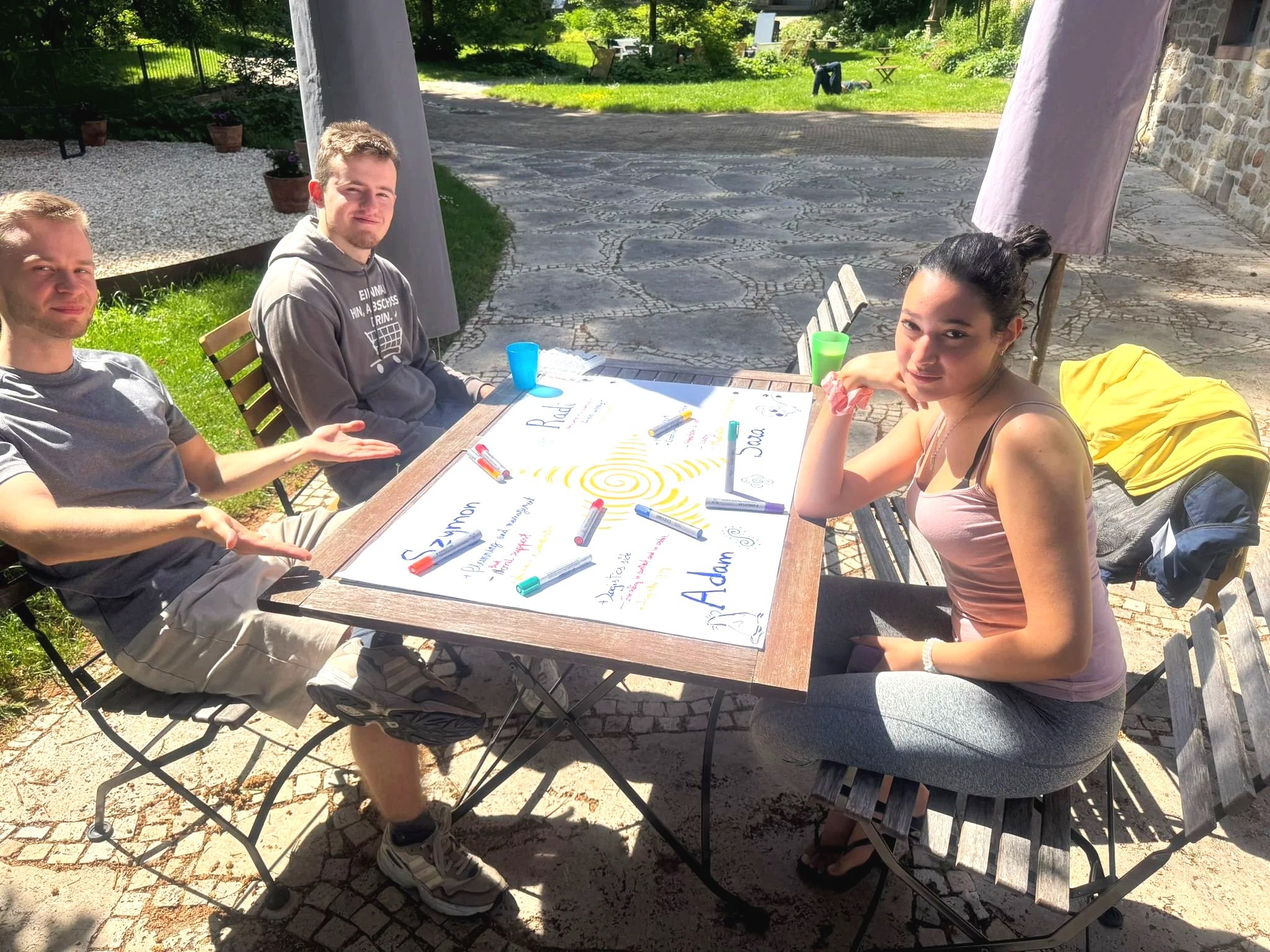
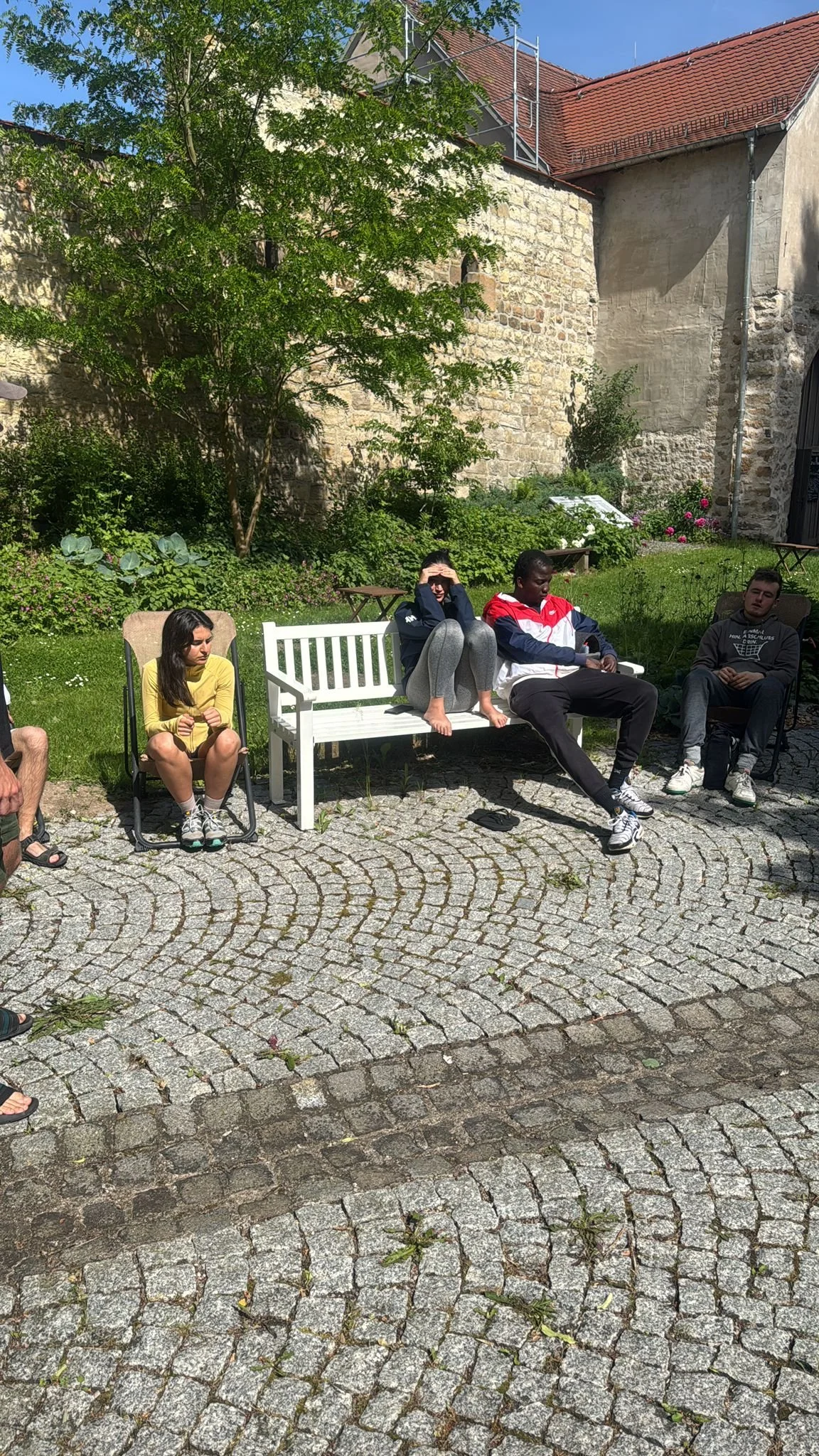
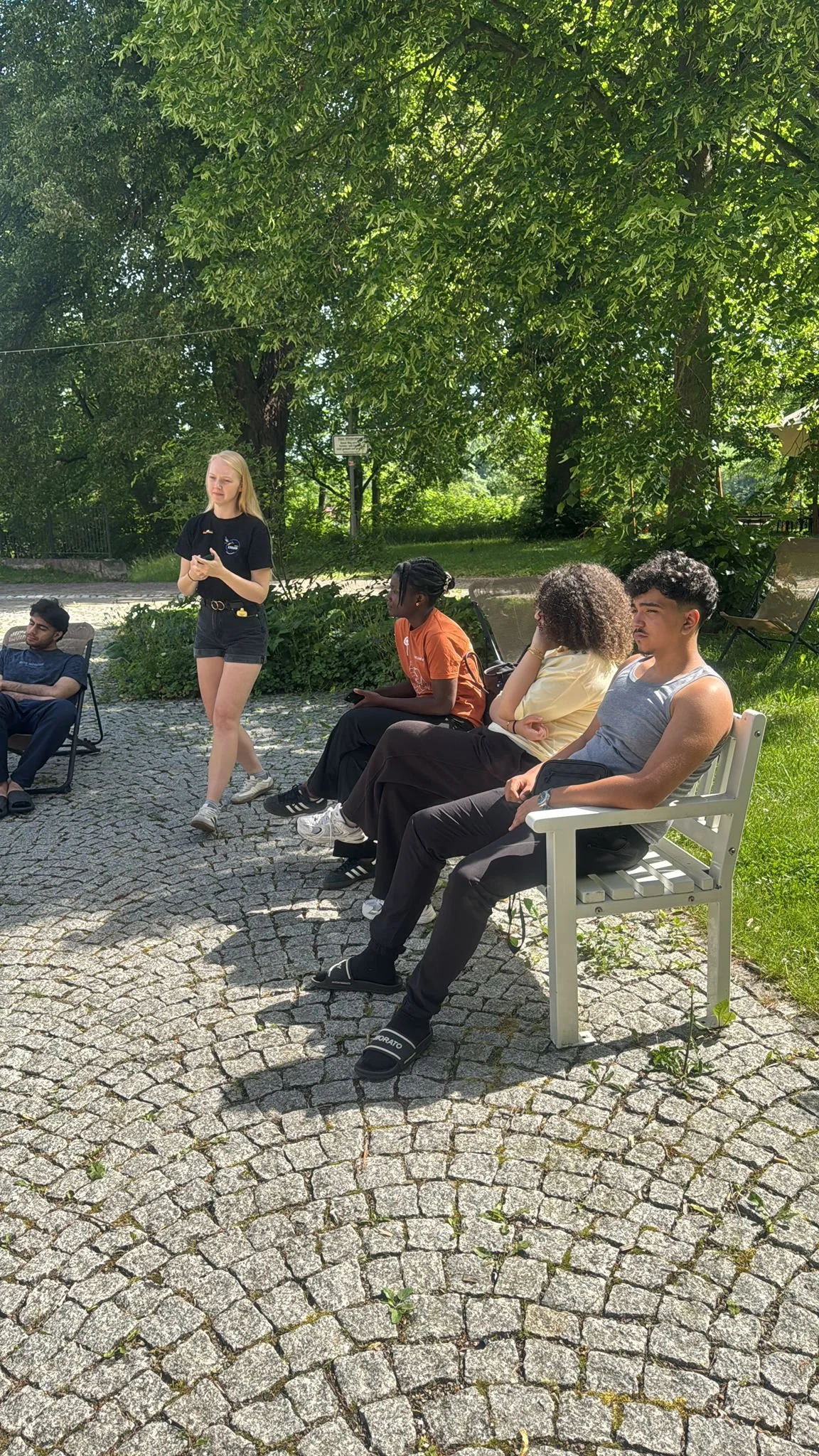
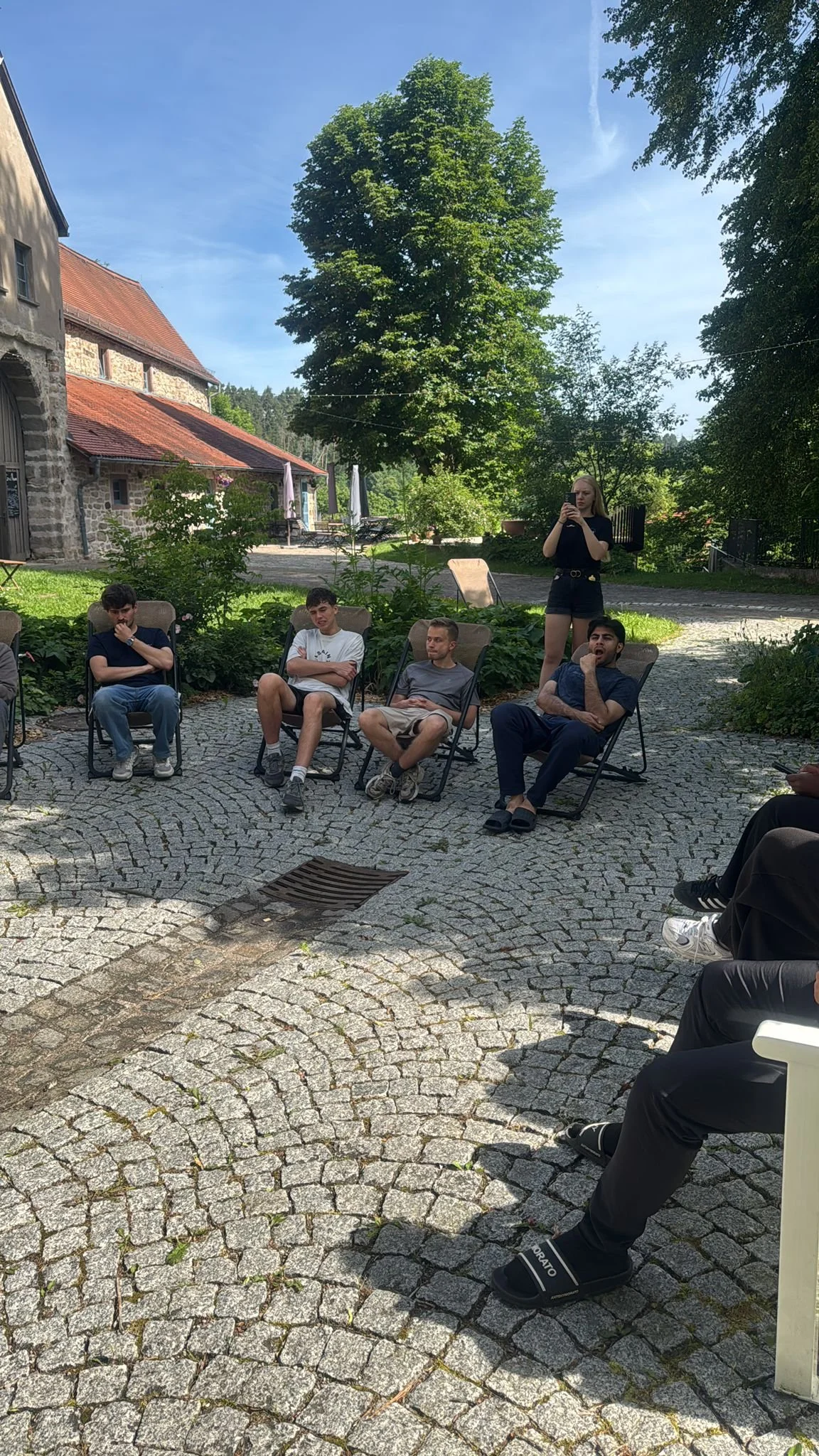
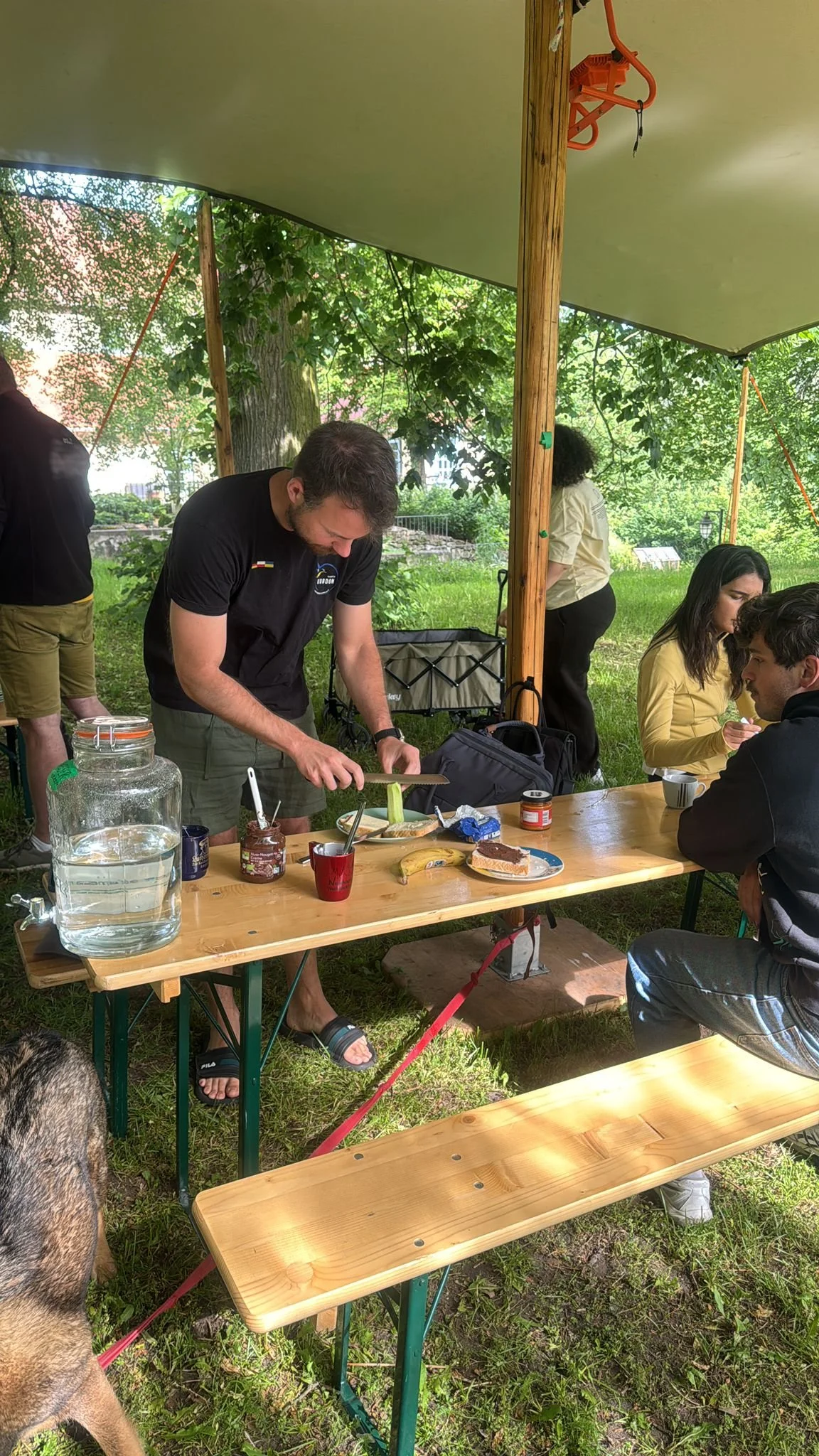
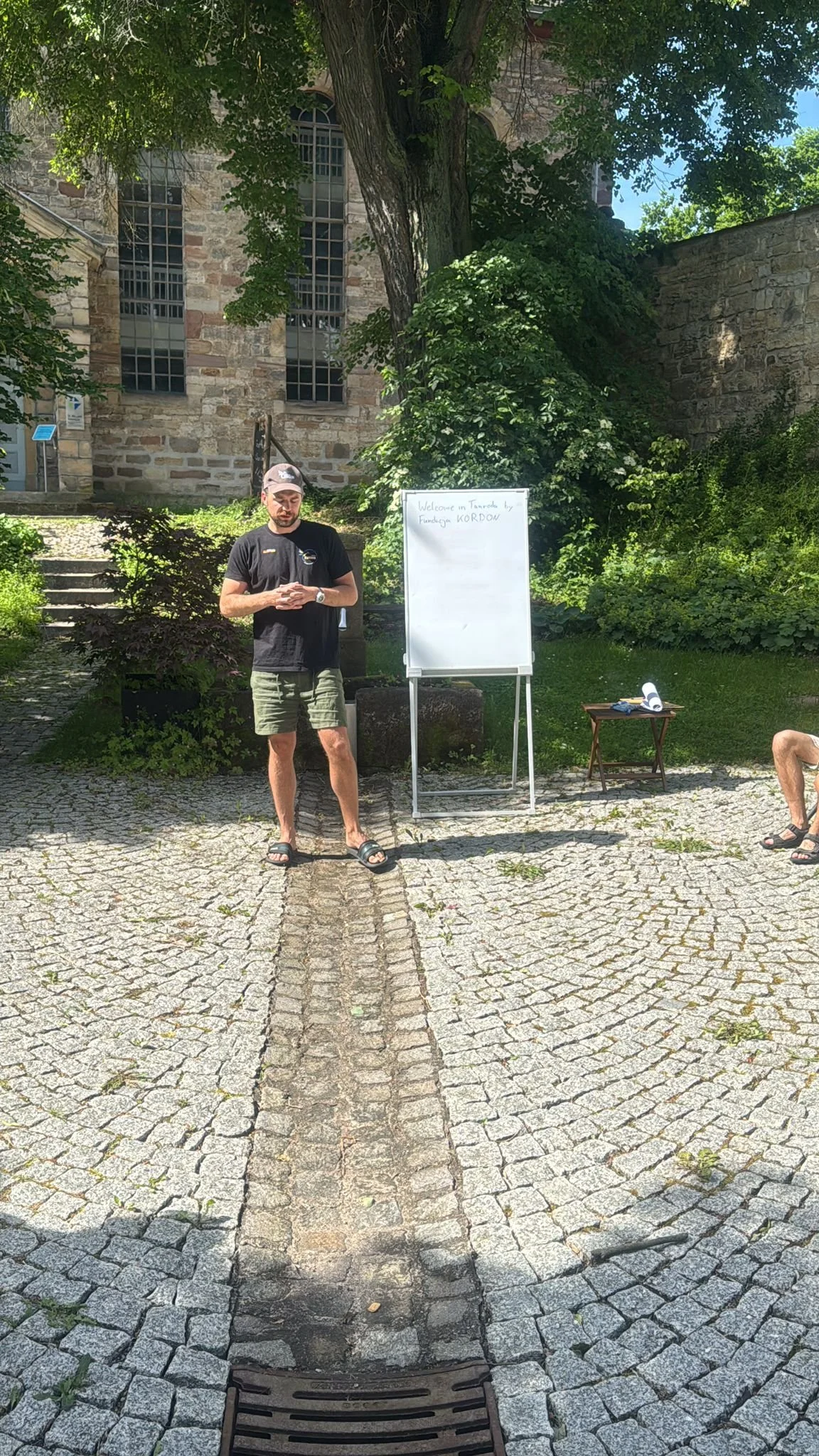
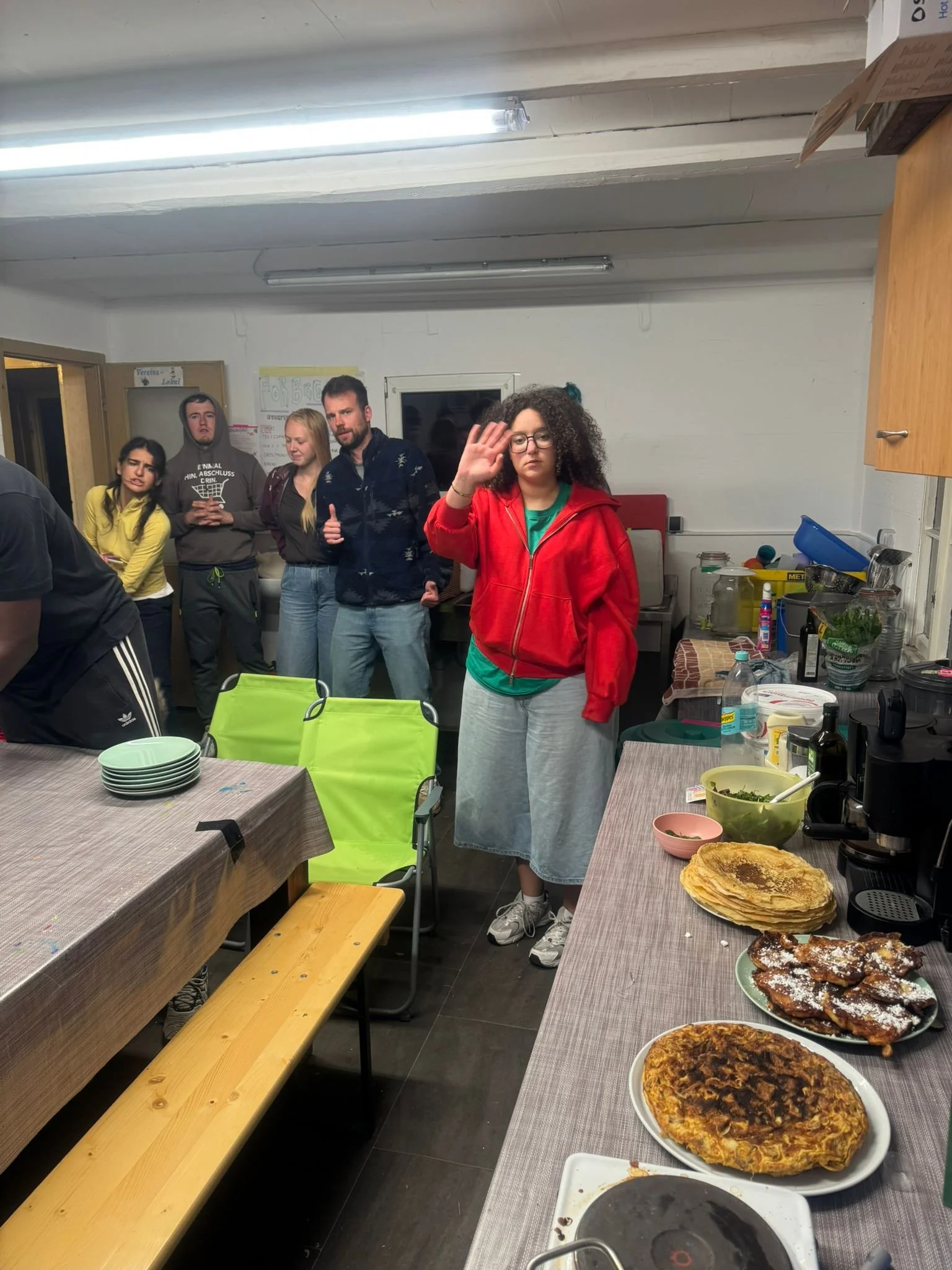
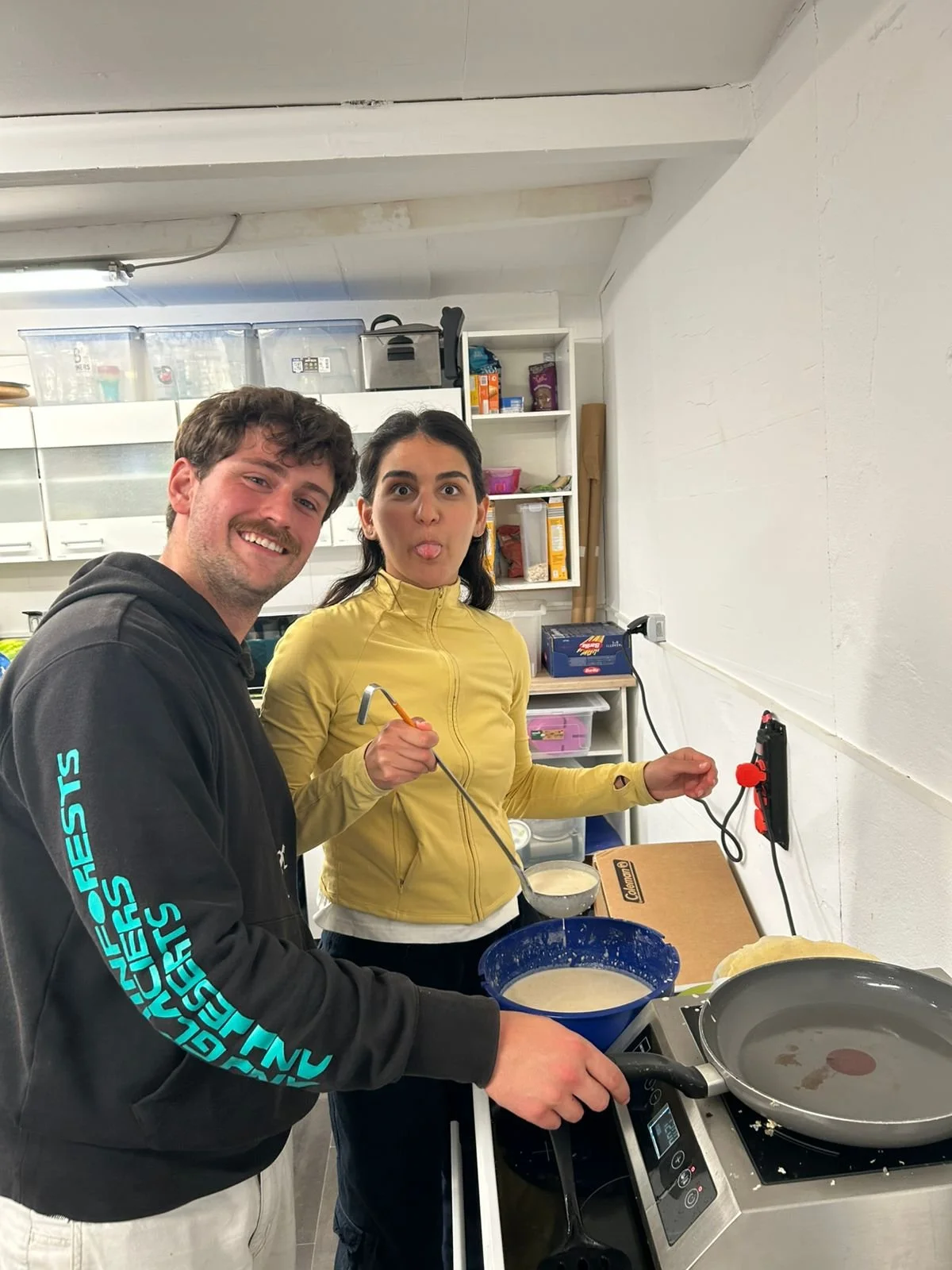
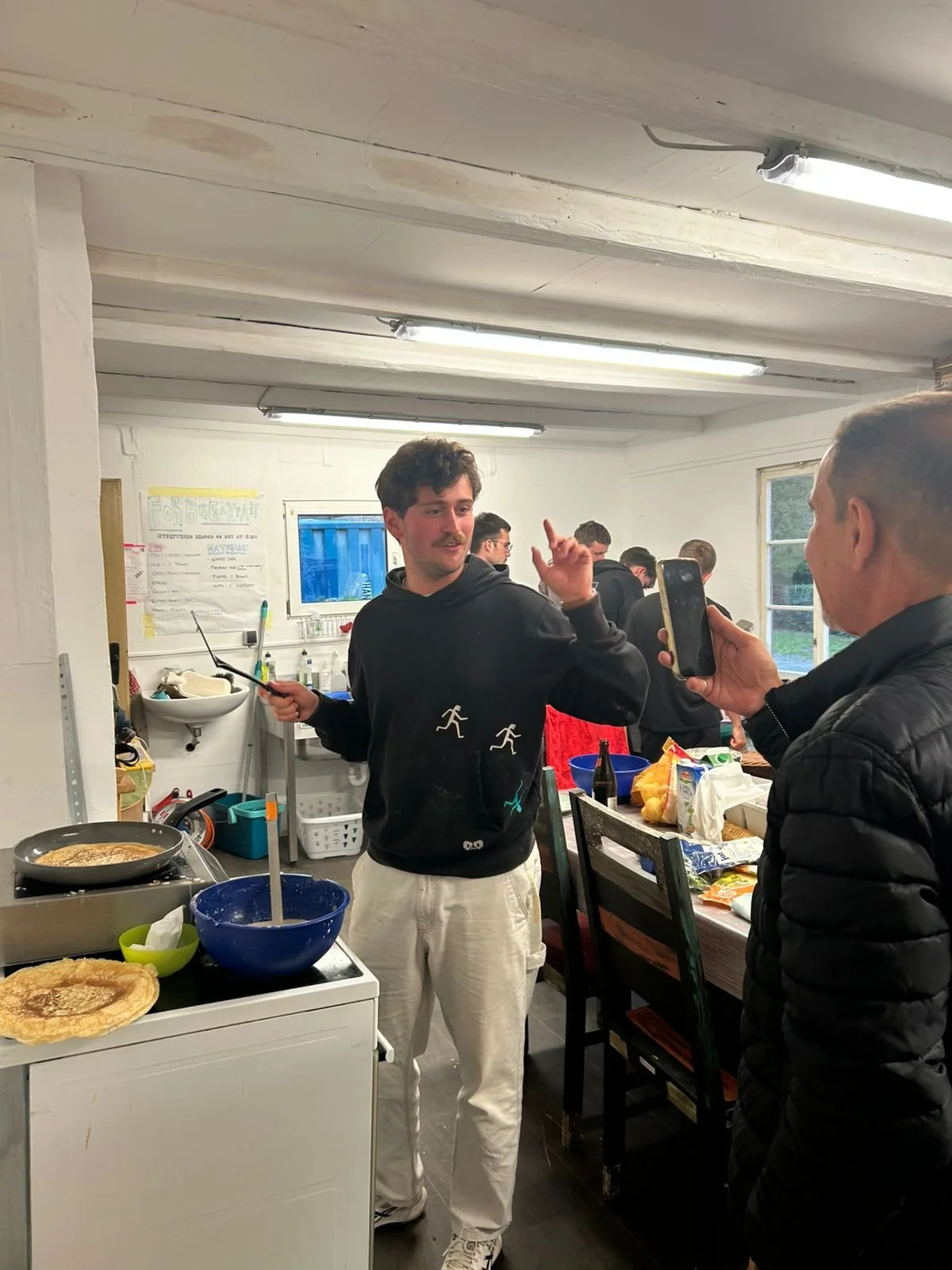
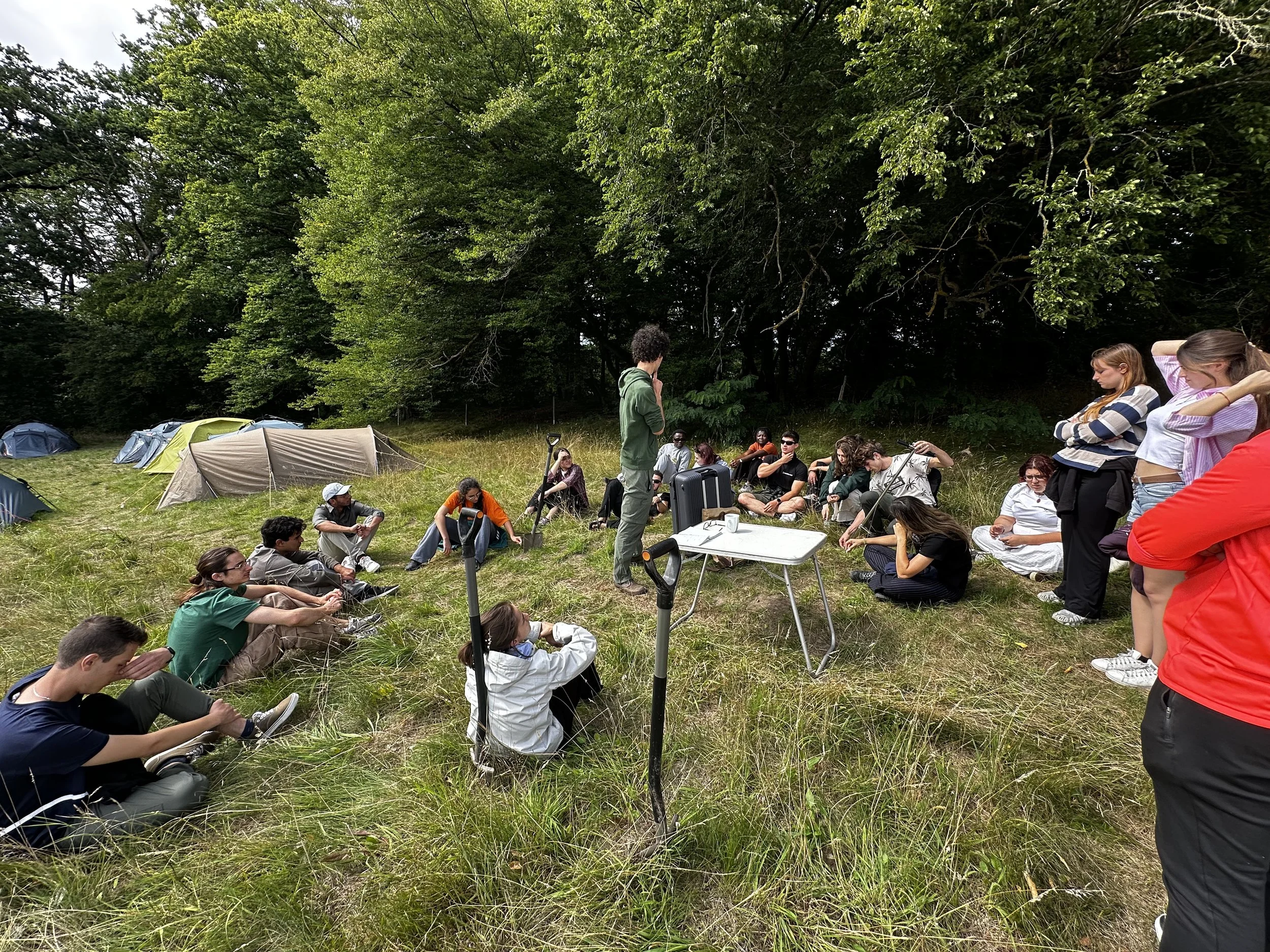
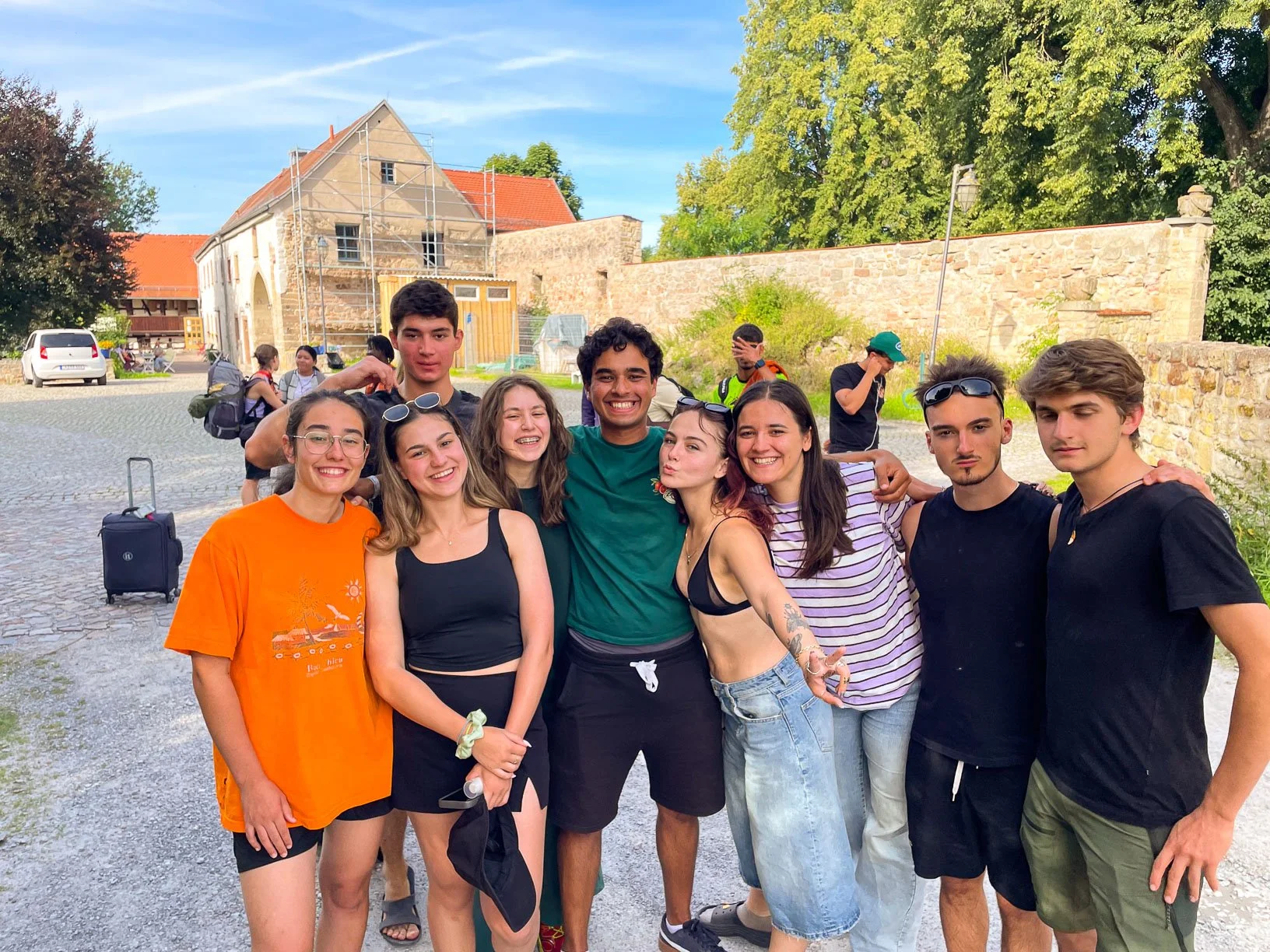
The Youth Work in Ecological Crises training course, held from 7–13 June 2026 at Burg Tannroda, Germany, provided participants with a practical and engaging learning experience focused on disaster preparedness, crisis management, and environmental sustainability. Through interactive workshops, simulations, and outdoor learning, youth workers strengthened their capacity to respond to ecological crises and explored how these approaches can be integrated into youth work.
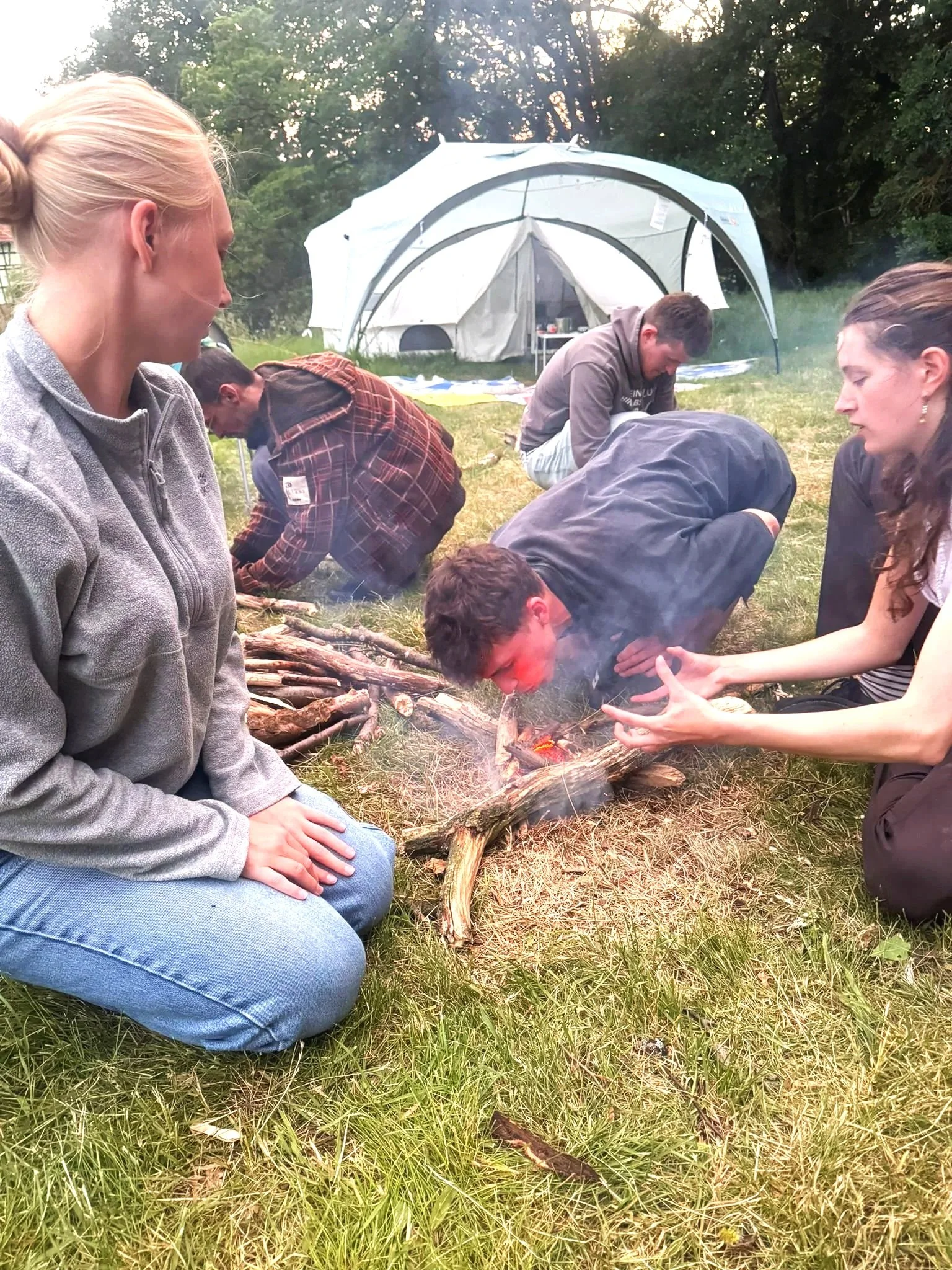
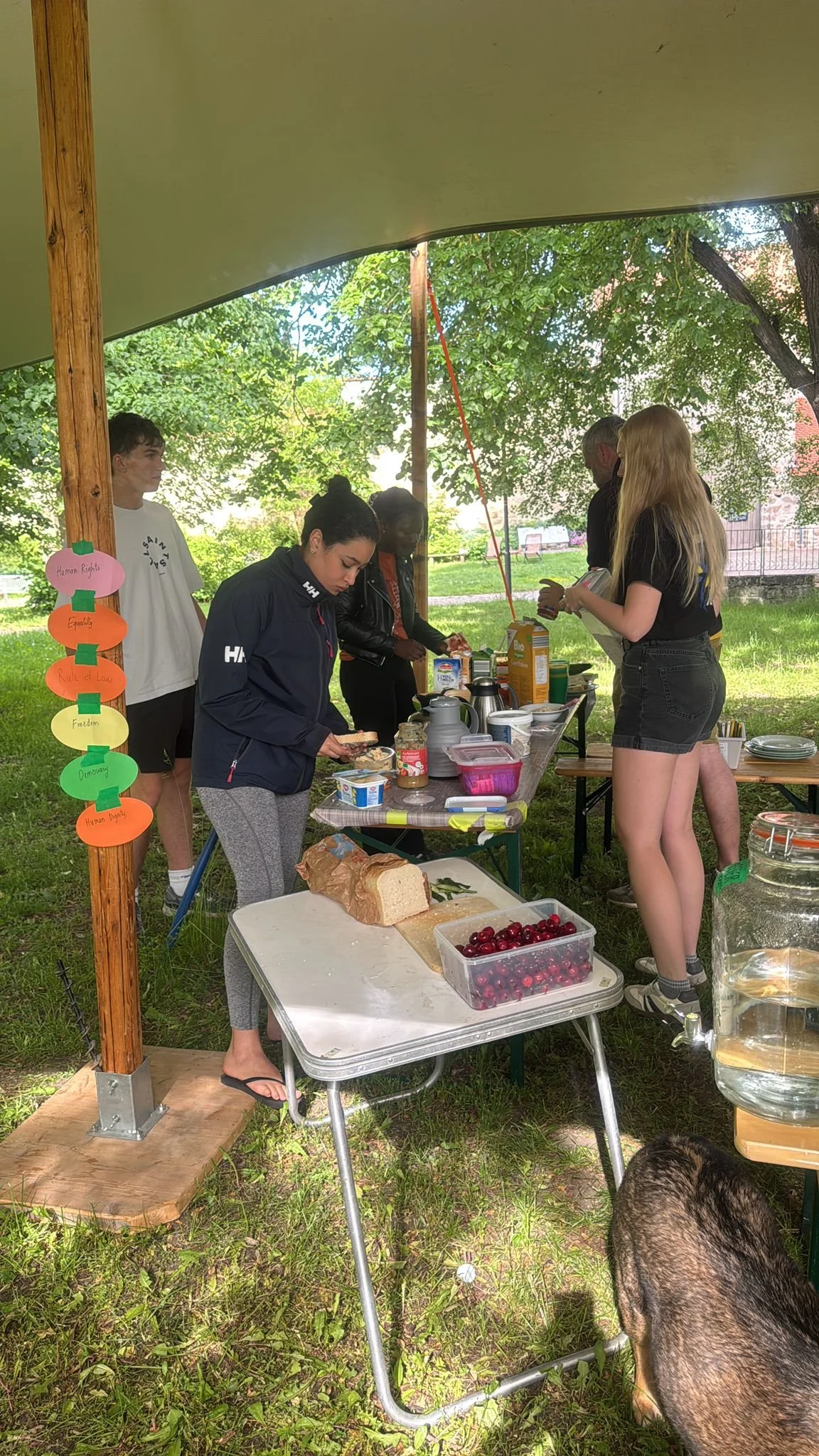
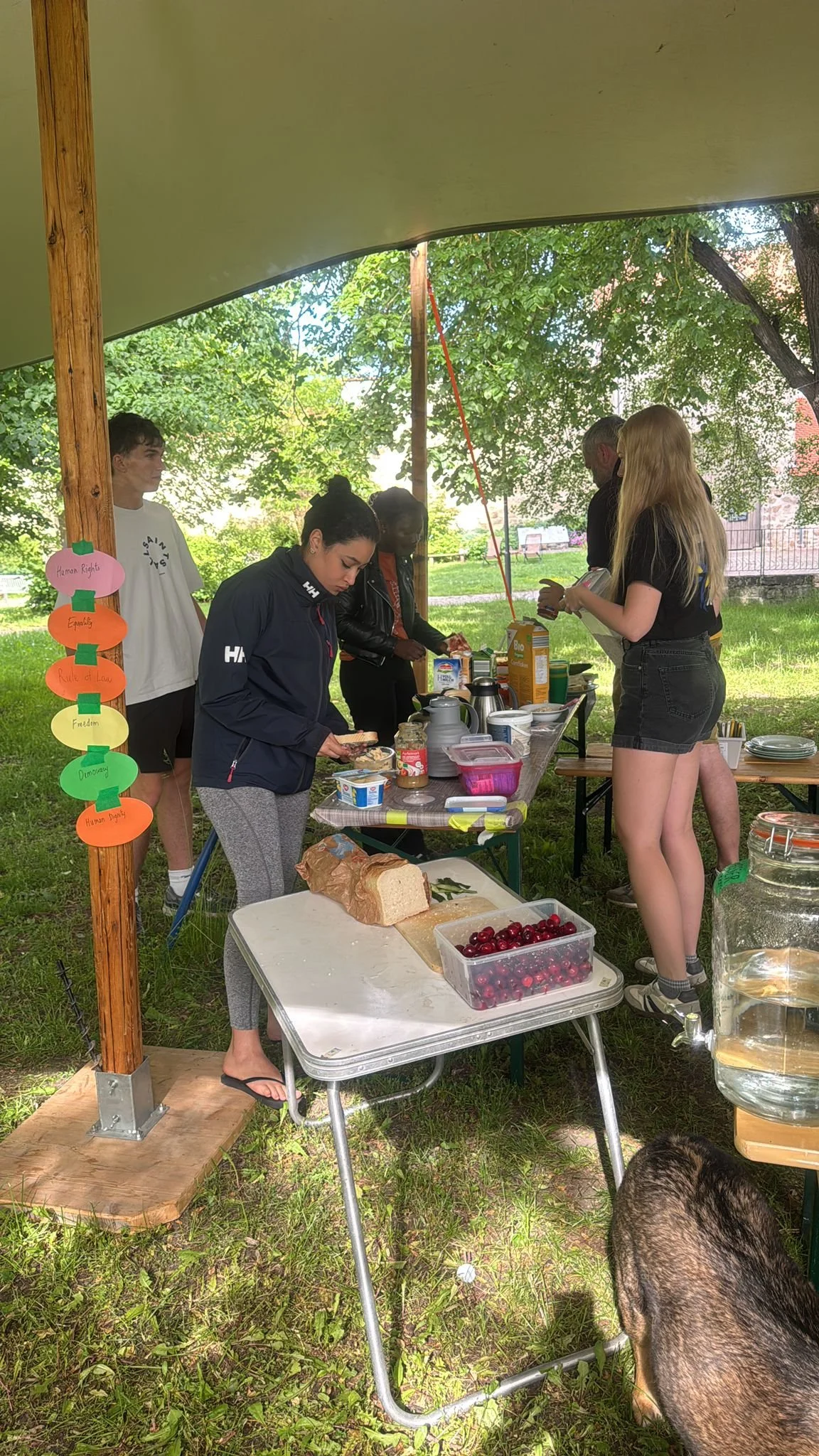
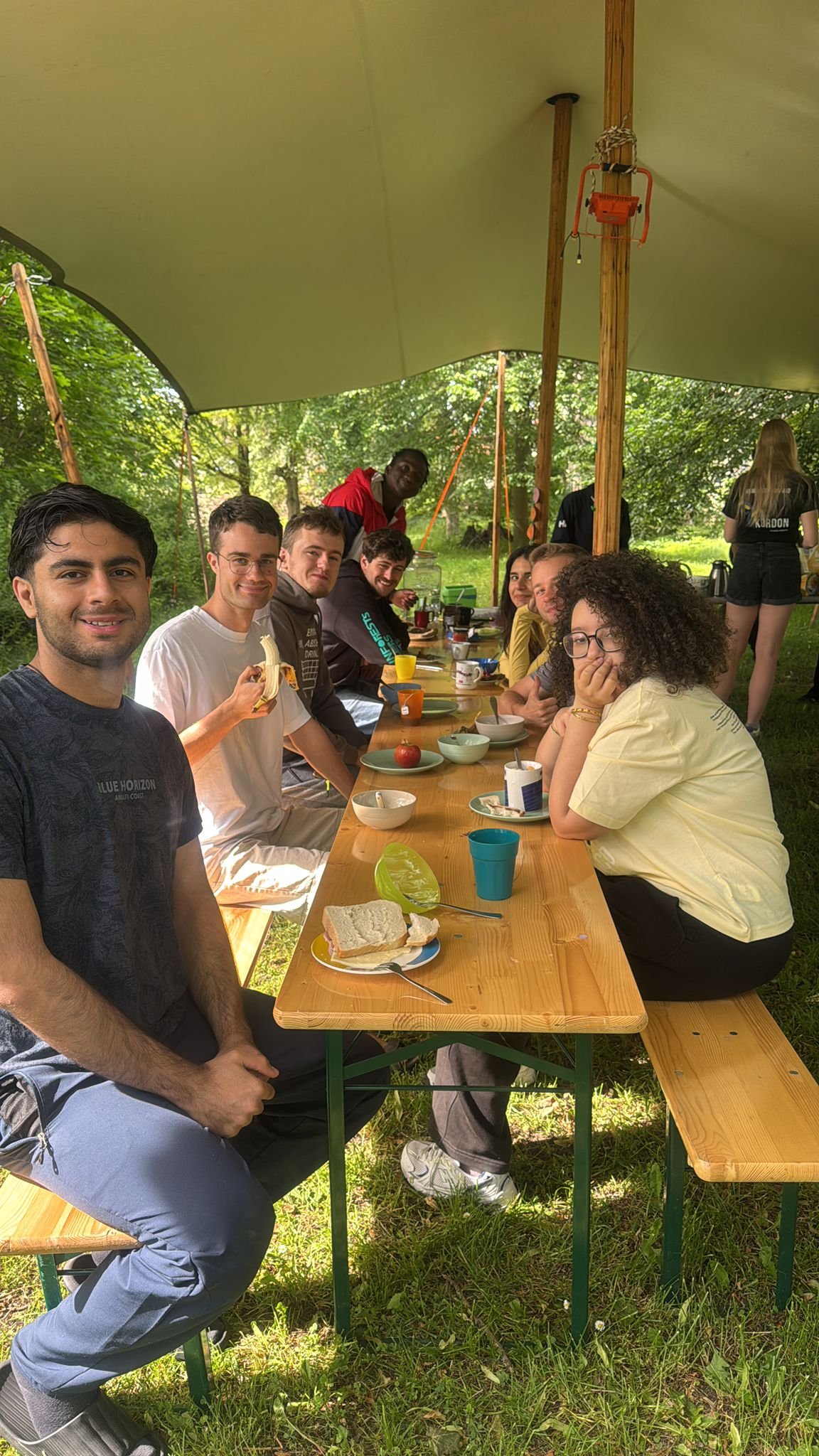
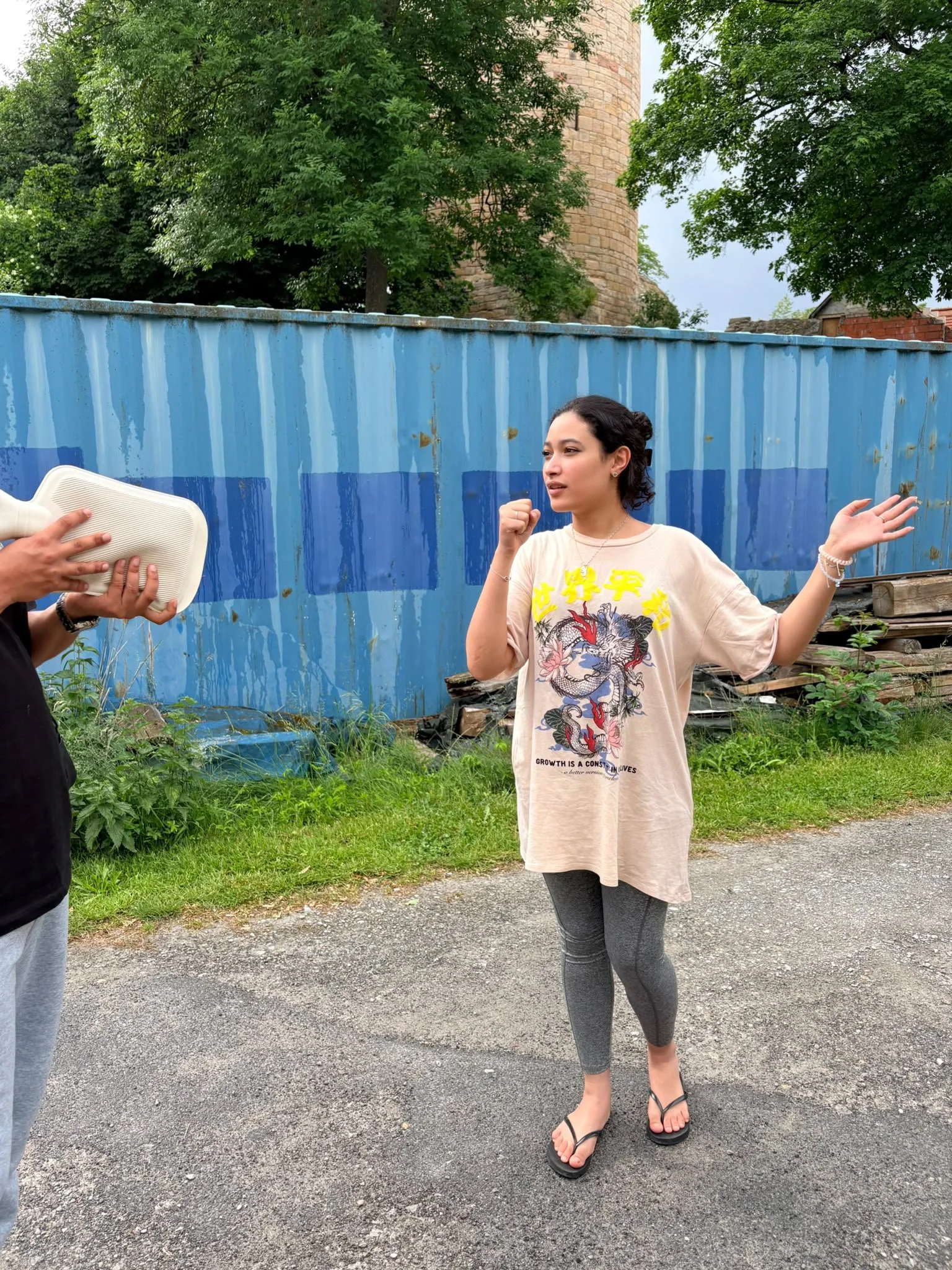
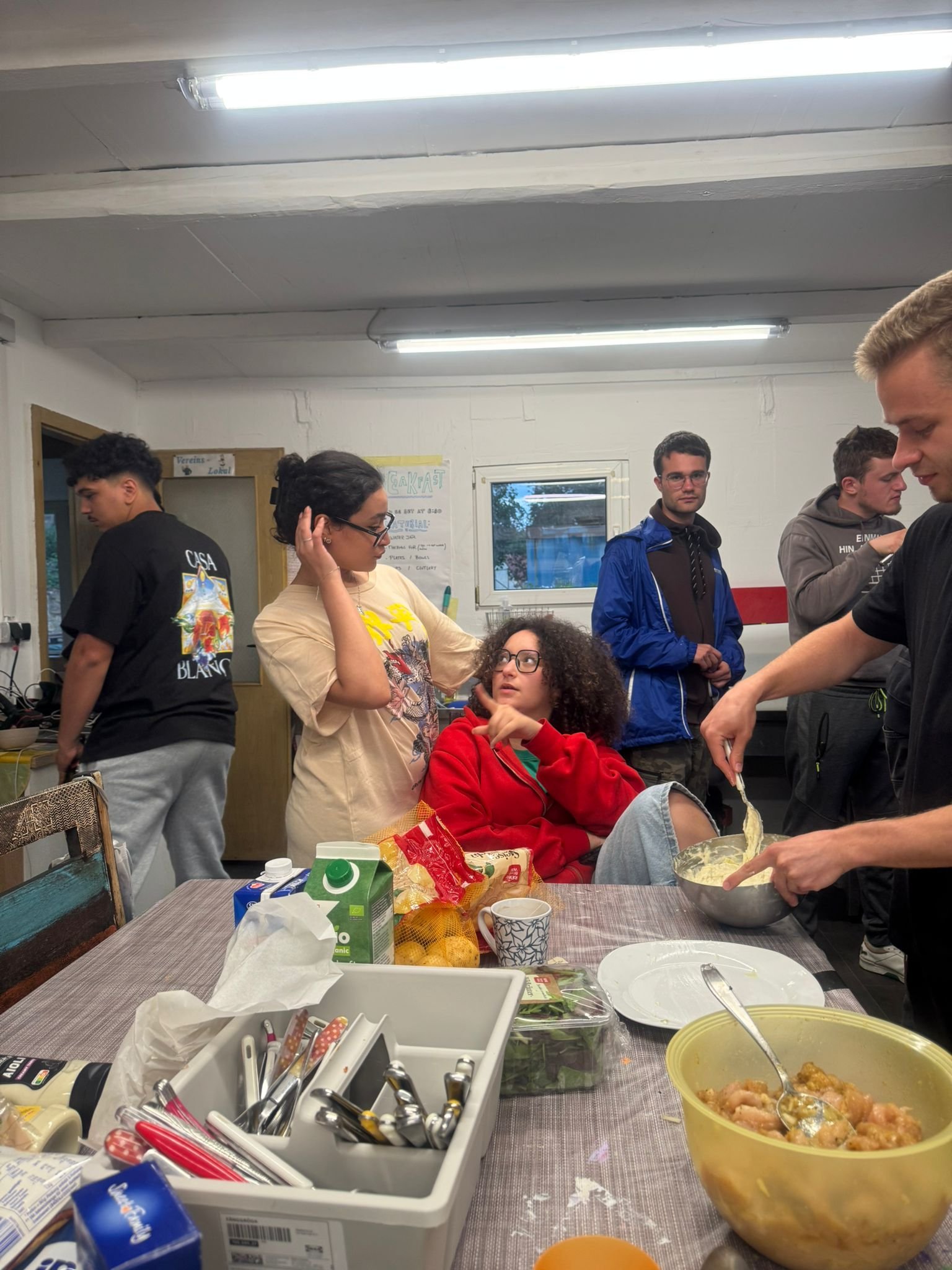
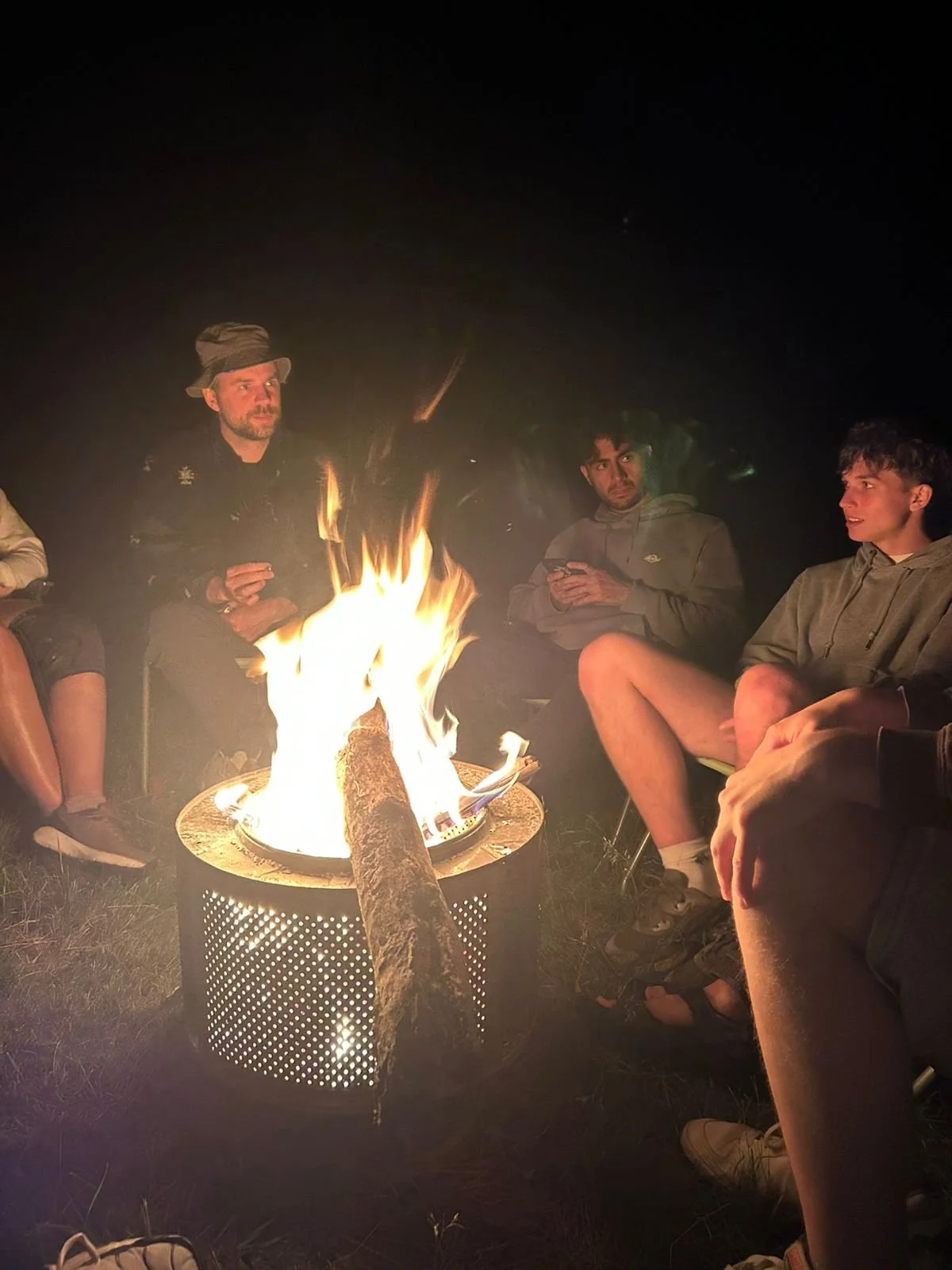
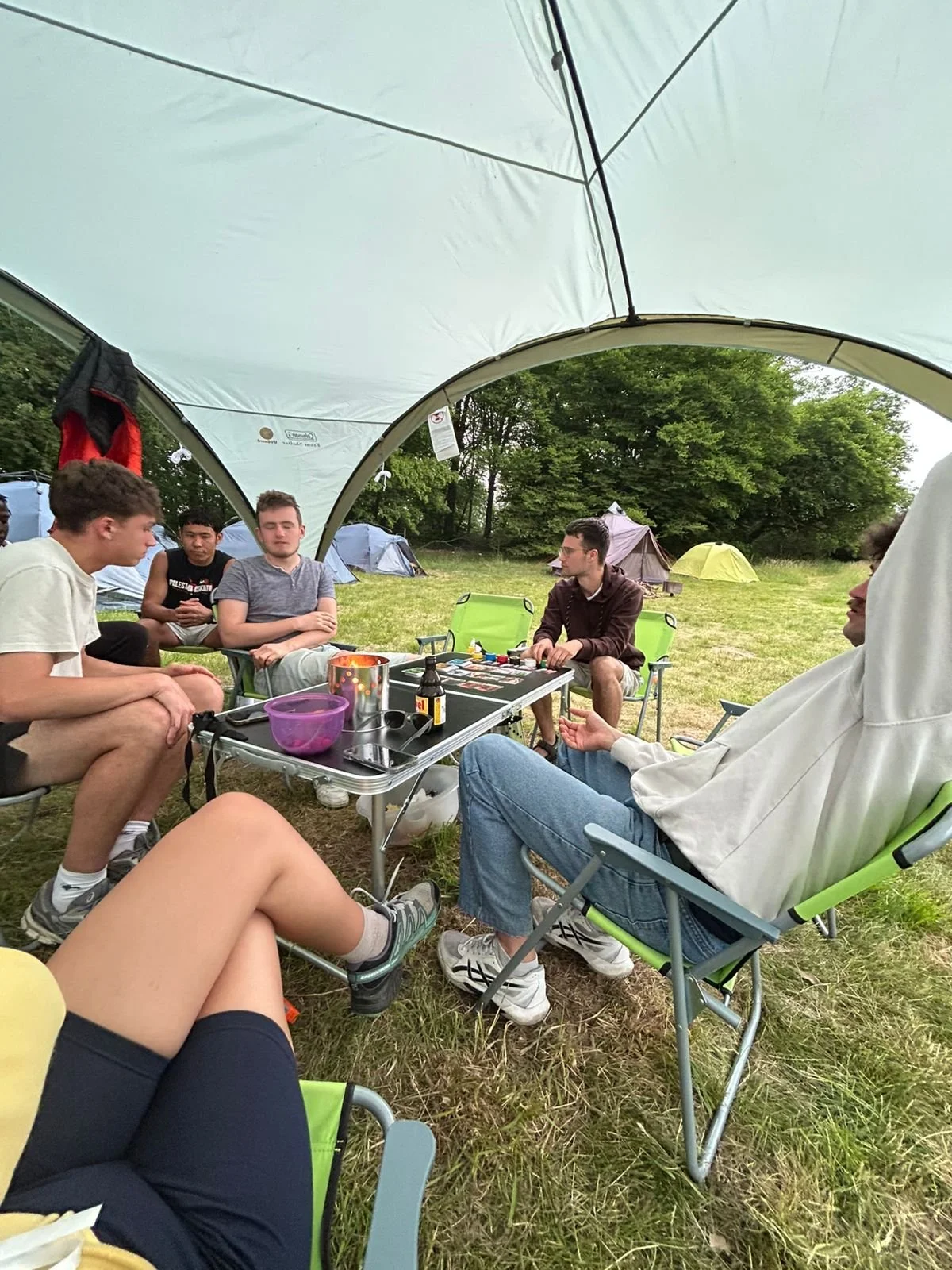
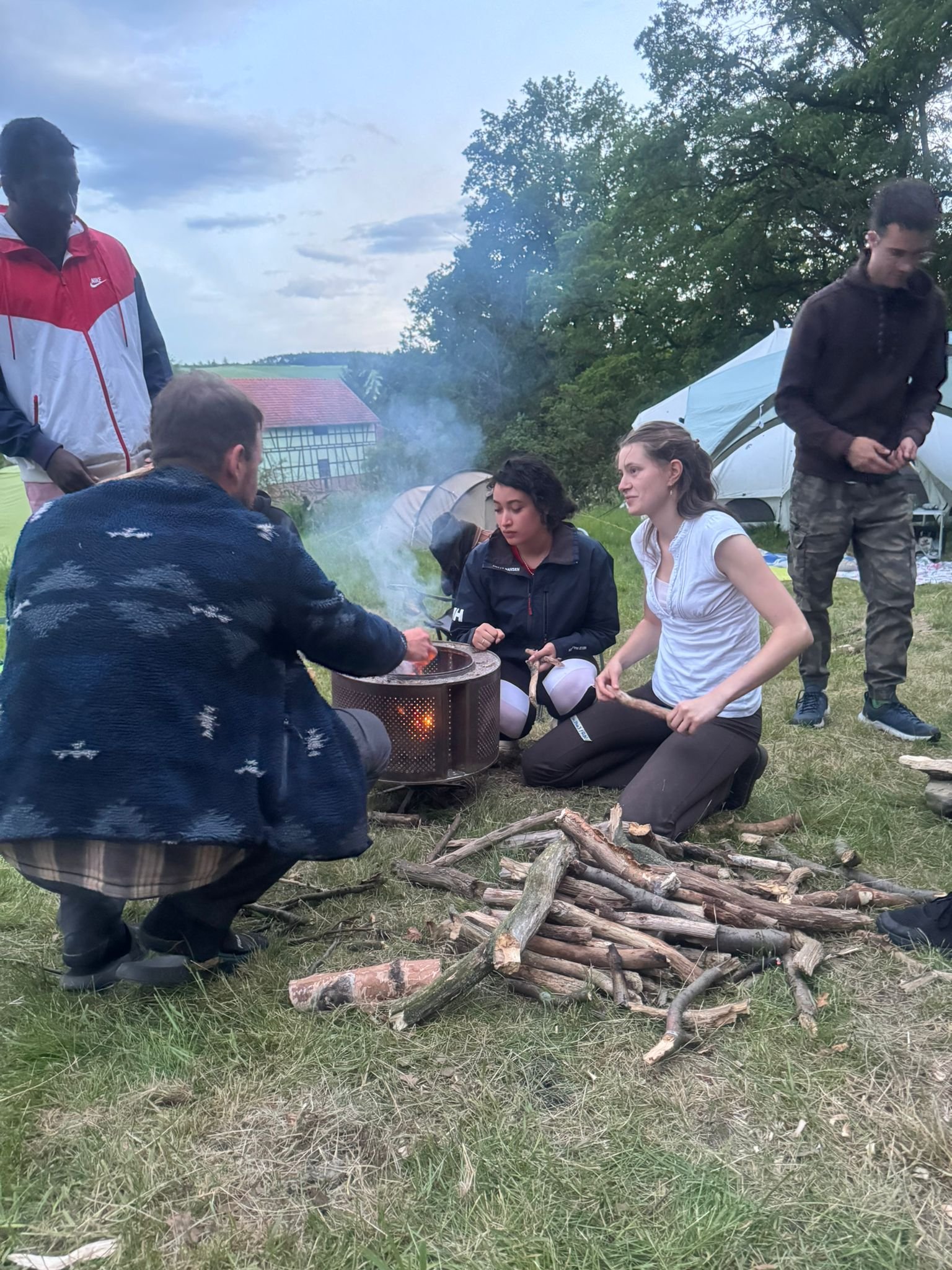
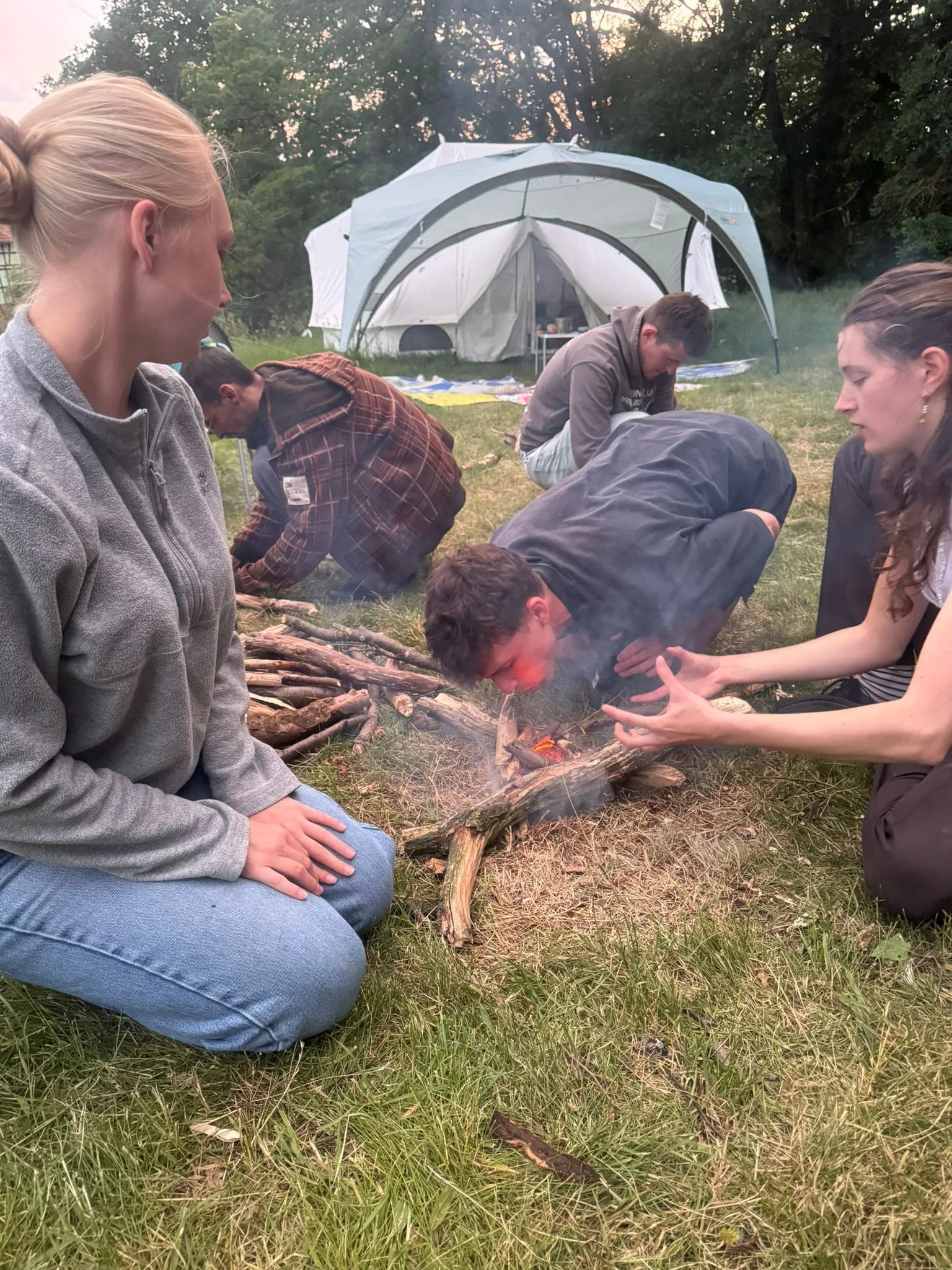
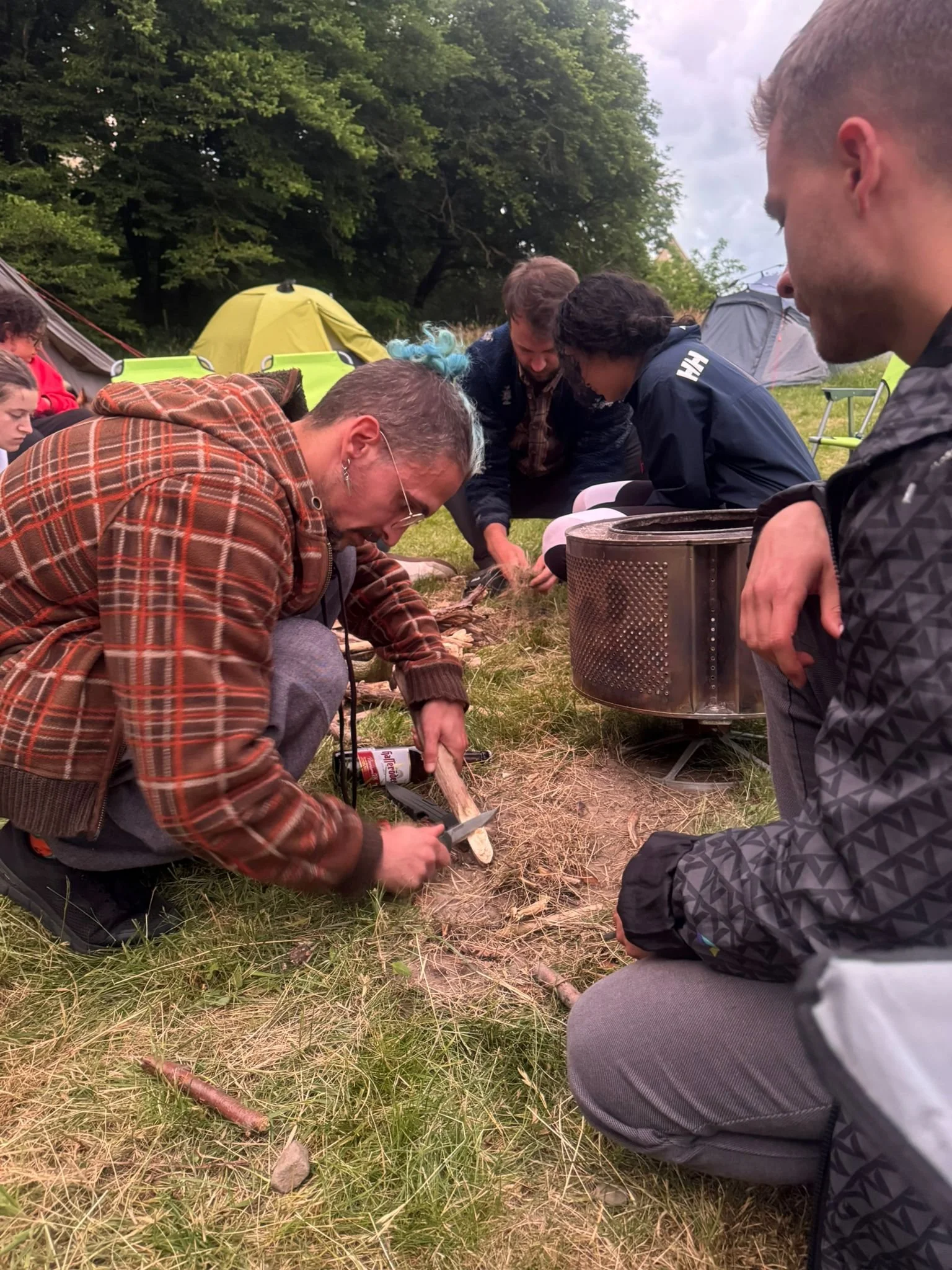
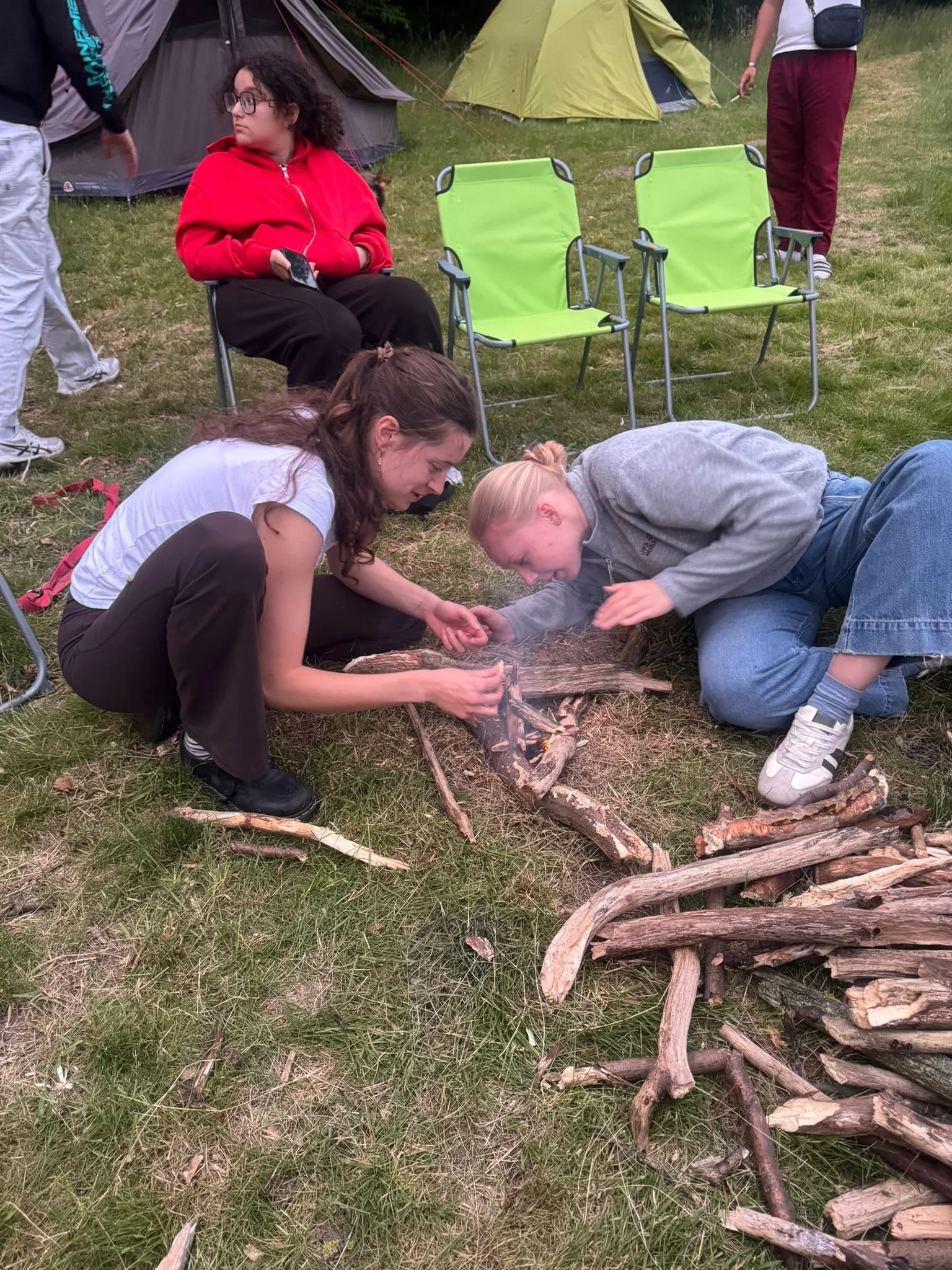
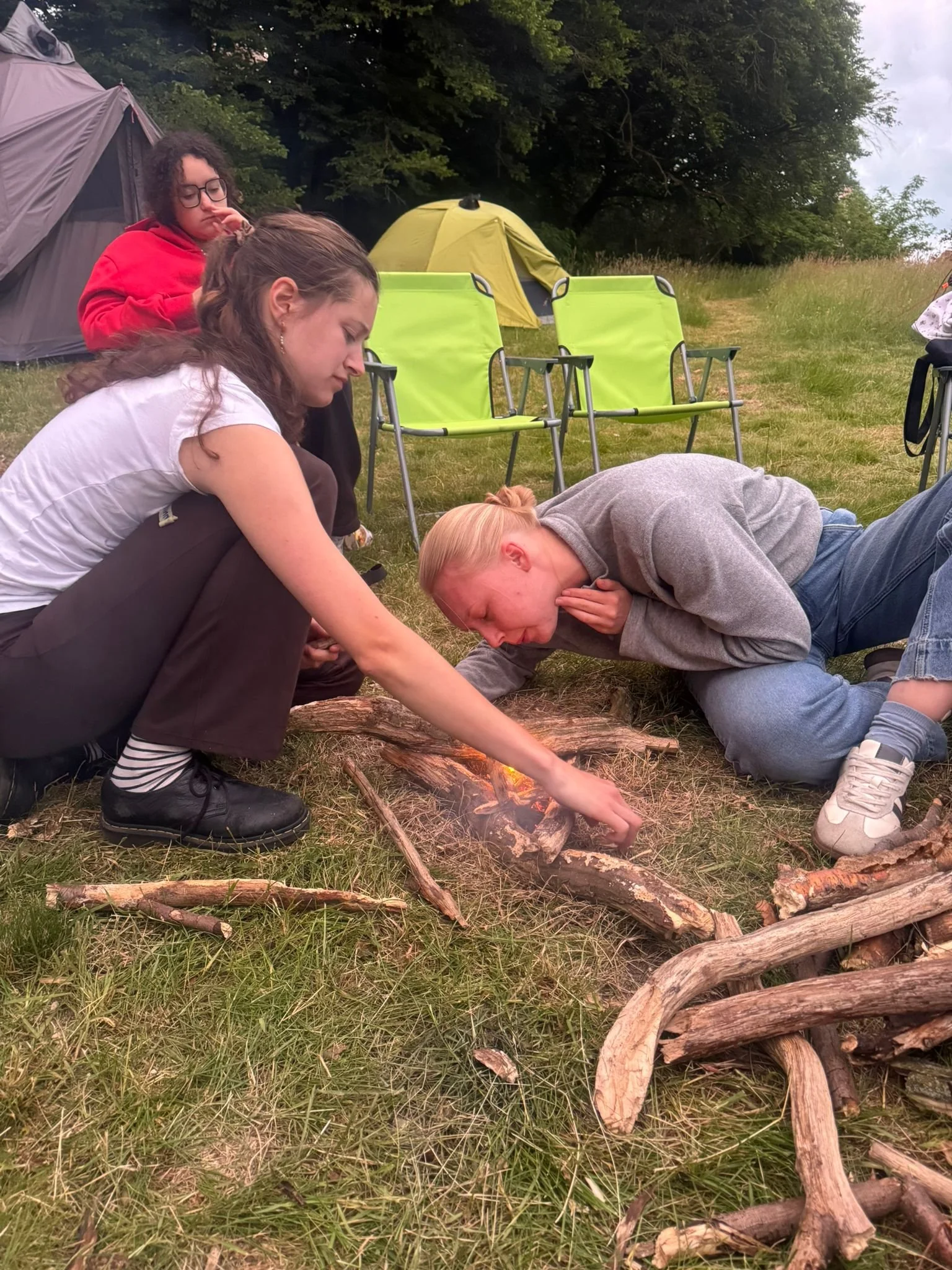
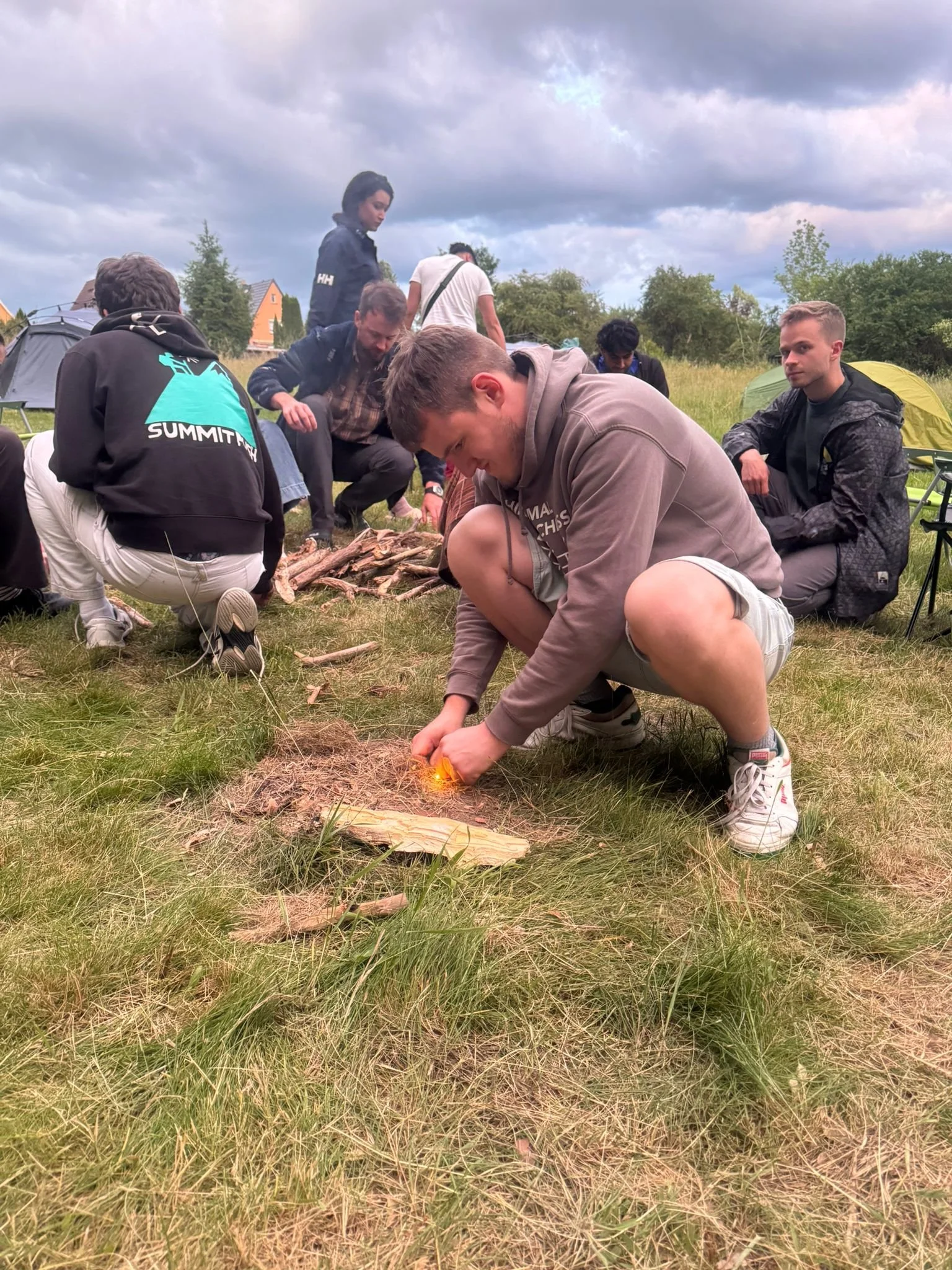
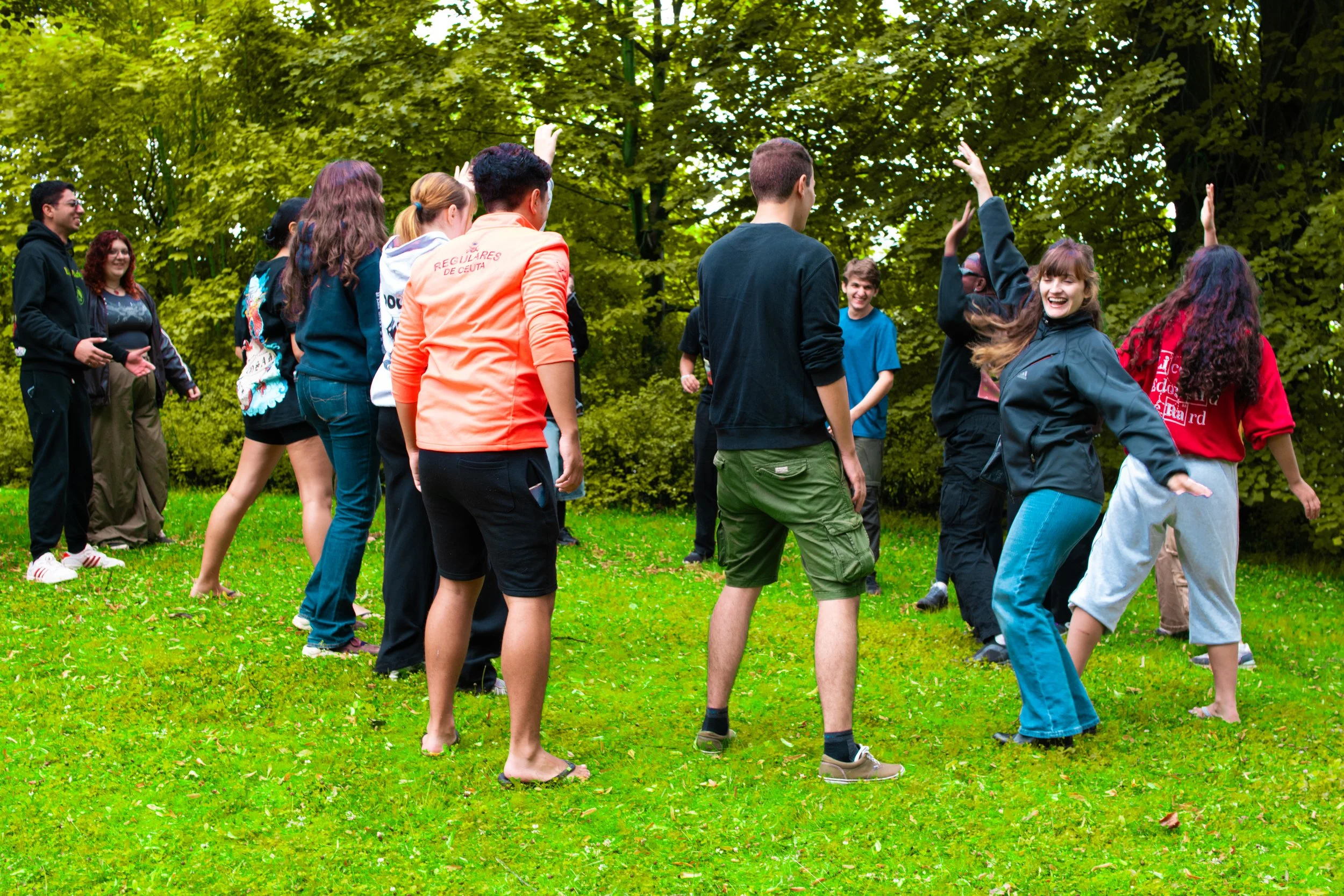
Beyond disaster response, participants learned the importance of caring for and protecting nature through sustainable practices and developed basic wilderness survival skills, including how to safely navigate and adapt to outdoor environments. The programme also included team-building activities that strengthened trust, communication, and cooperation within the group, creating a strong sense of community among participants from different countries.
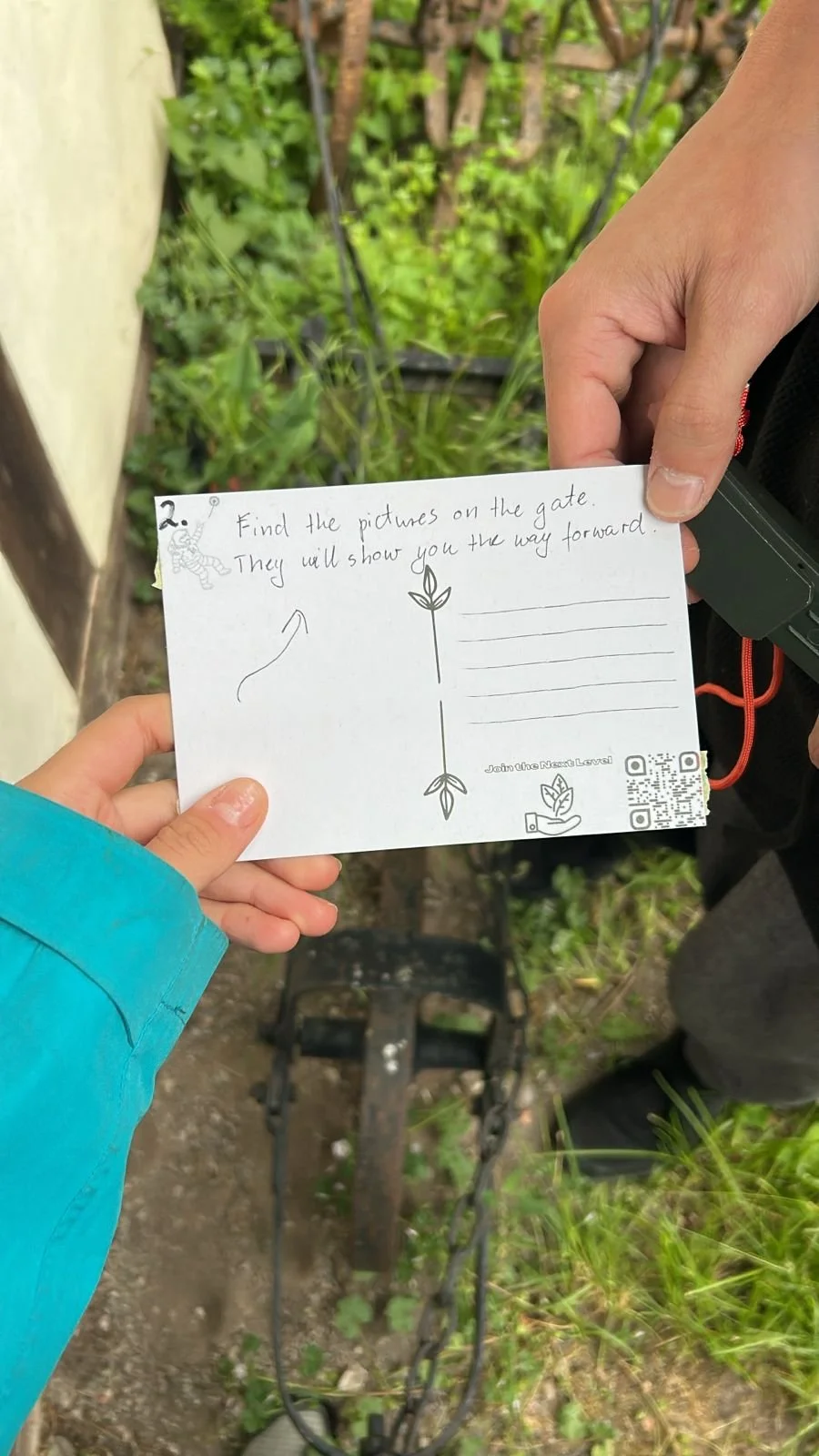
A highlight of the training was the realistic crisis response simulations, where participants practised coordinating emergency actions, reporting during crisis situations, and making decisions under pressure. These hands-on exercises helped build confidence and demonstrated the practical role youth workers can play in supporting communities during emergencies.
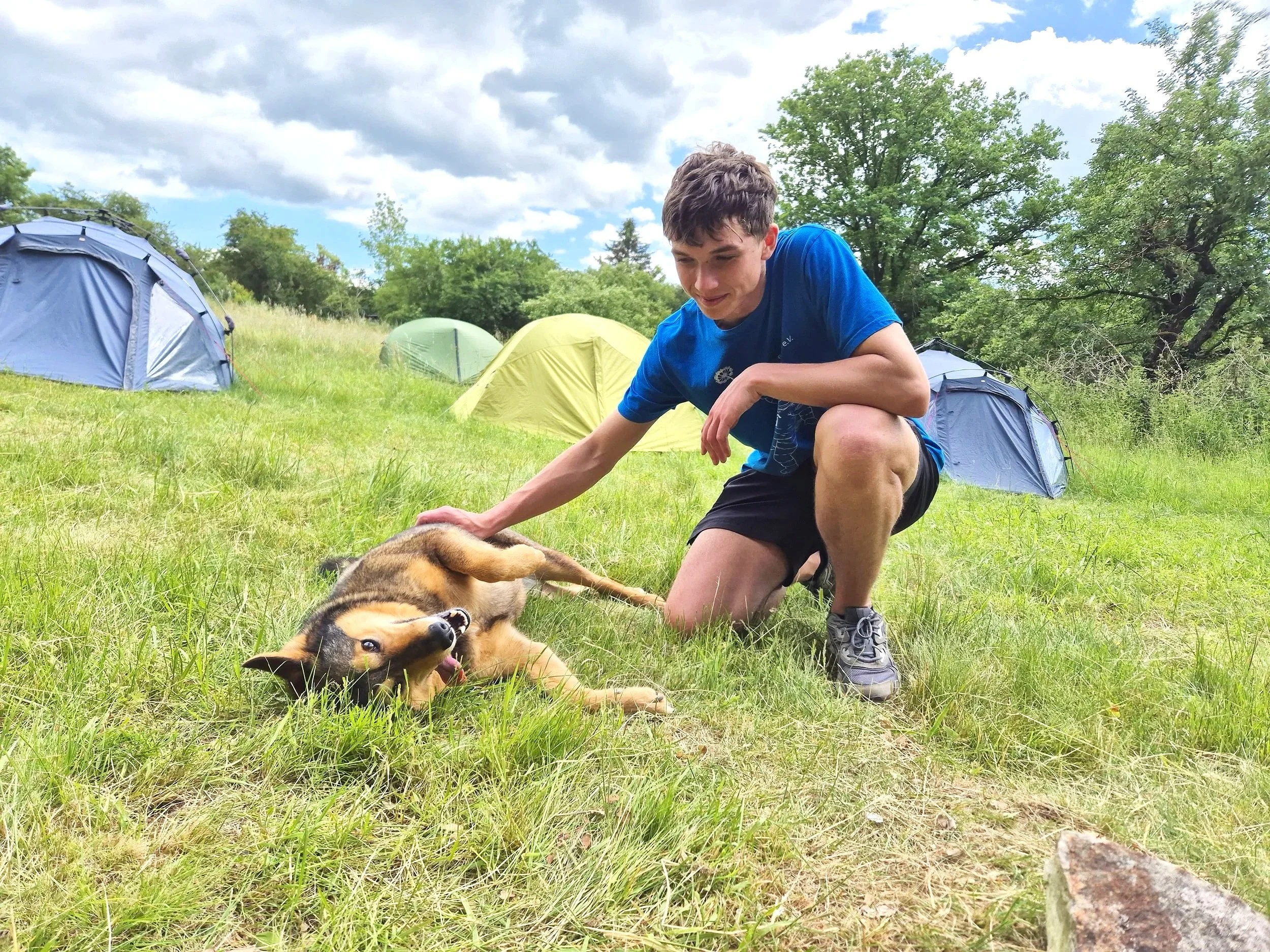
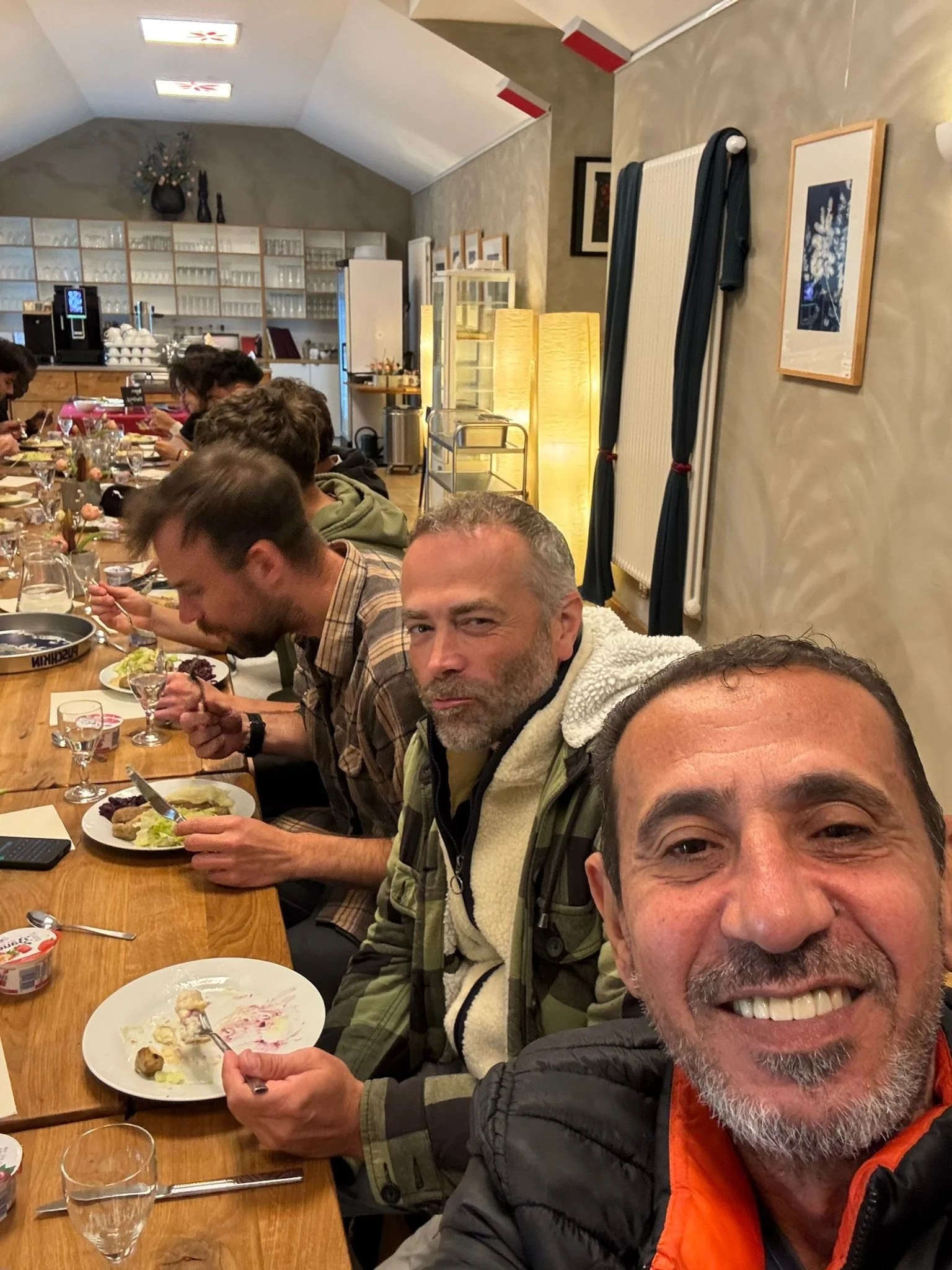
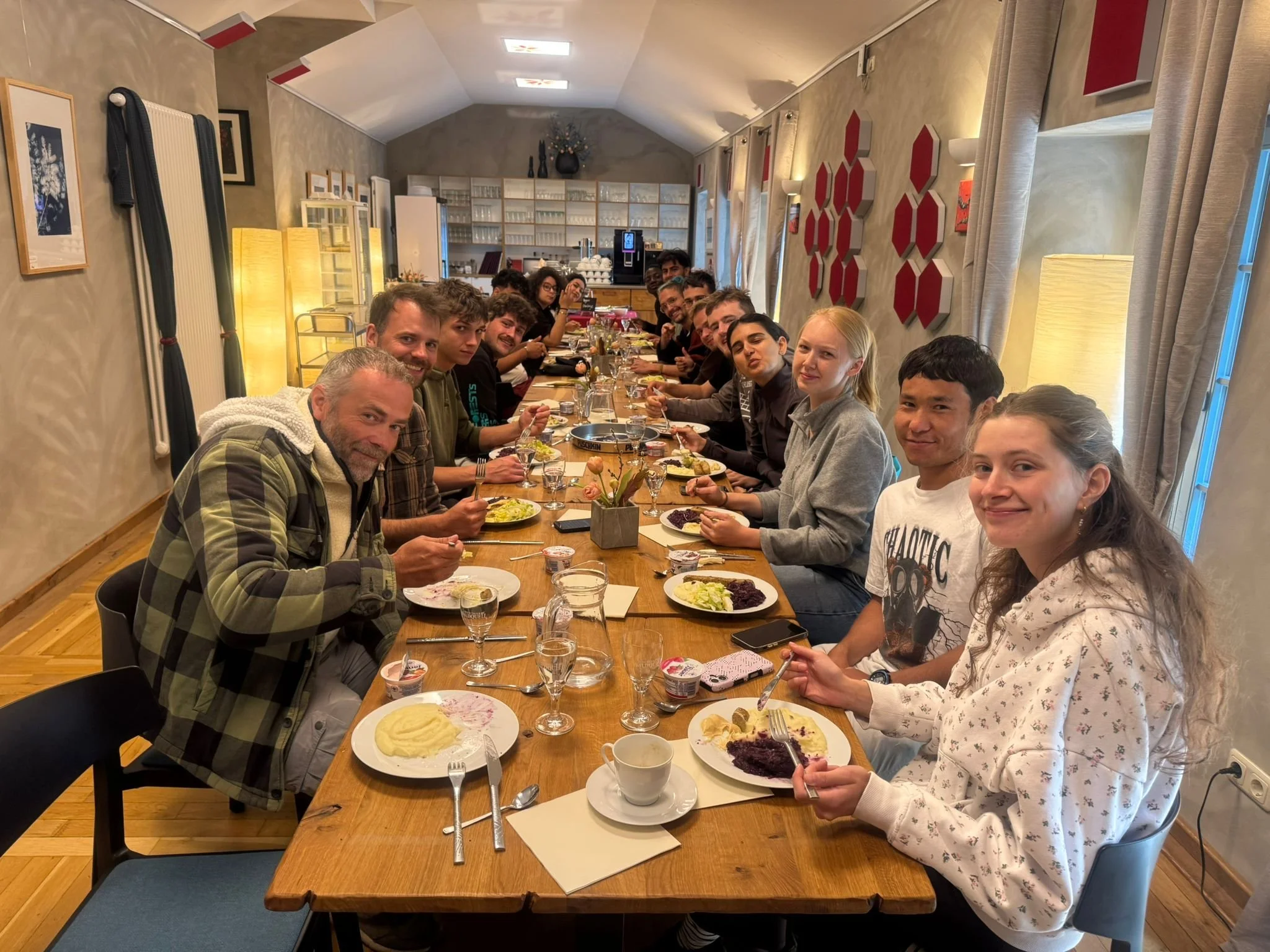
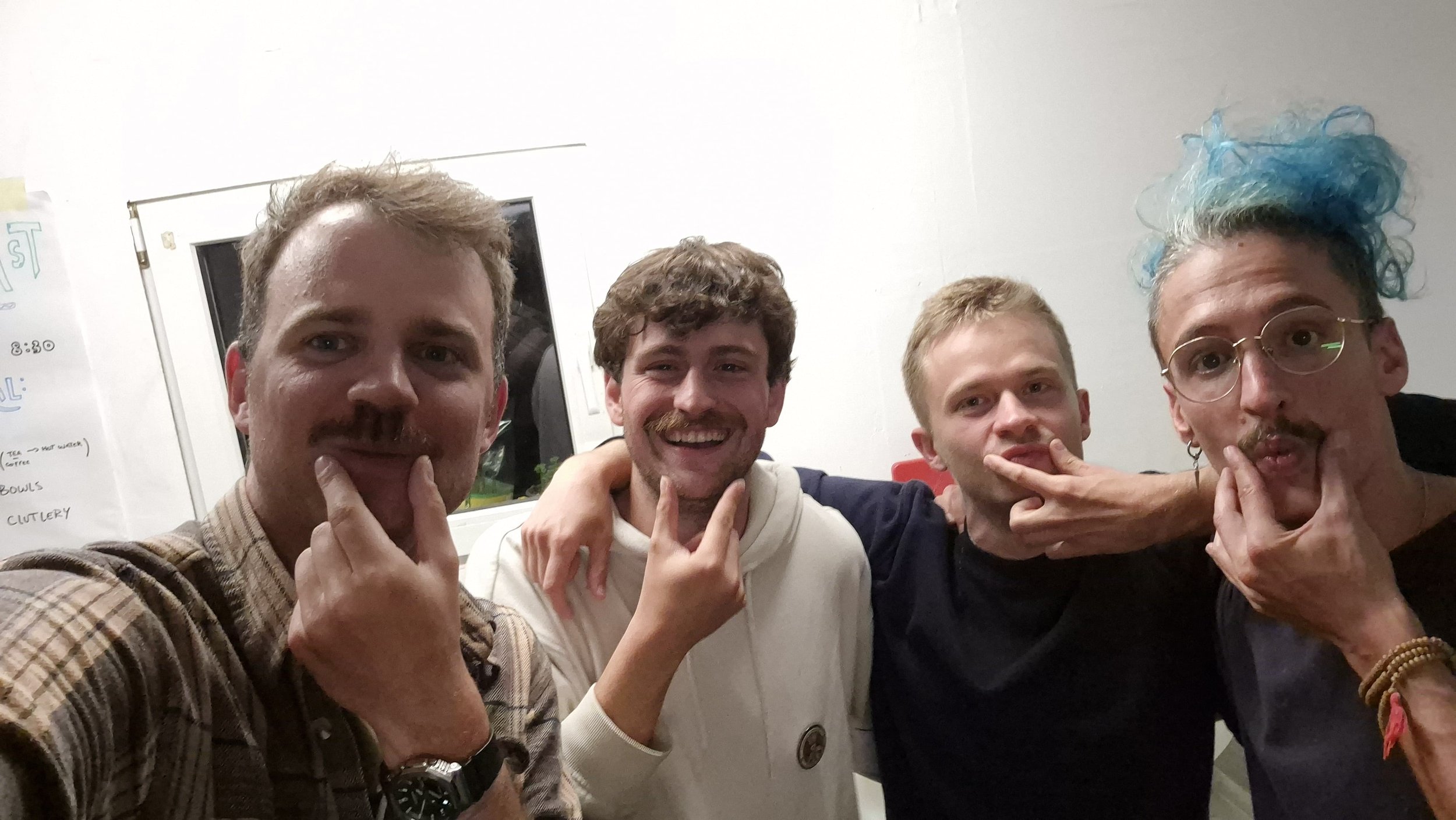
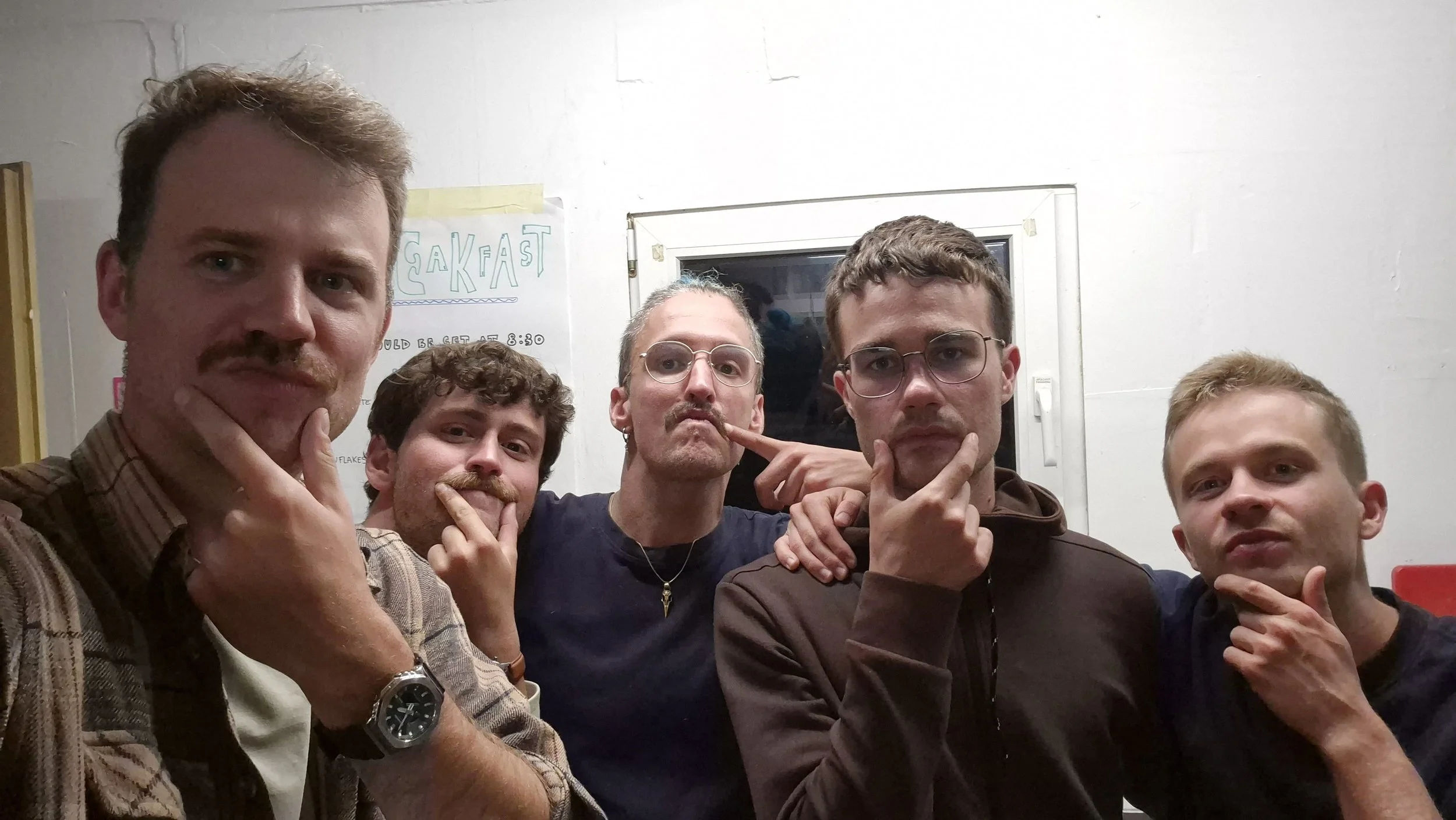
Participants described the experience as inspiring, enjoyable, and highly relevant. They appreciated the balance between learning, outdoor experiences, and intercultural exchange, leaving the training with new skills, stronger international connections, and increased motivation to promote environmental sustainability and community resilience through their youth work.
Have a peek of the project.